'/%3E%3Cpath%20fill='%23b2b2b2'%20d='M241%20382q0%2016%2017%2026%2017%2011%2042%2011t42-11q16-11%2017-26V269H241'/%3E%3Cpath%20fill='%239f7e00'%20d='M241%20379q0%2014%208%2023%209%209%2021%209%2014%200%2021-9%209-9%209-23V269h-59'/%3E%3Cpath%20d='M241%20339v-70h59v110q0%2014-9%2023l-6%205v-68h-15v72q-8%200-14-4v-68zm59%2040c0%2022%2015%2032%2029%2032%2021%200%2030-18%2030-32v-40h-59'/%3E%3Cpath%20fill='%239f7e00'%20d='M266%20277v5h2v12h-3v-5h2v-5h-9v5h2v5h-4v9h3v18h-5v10h34v-10h-5v-18h3v-9h-4v-5h2v-5h-9v5h2v5h-3v-12h2v-5zm42%20101q0%2010%206%2017%206%206%2015%207%2010-1%2016-7%206-7%206-17v-29h-43'/%3E%3Ccircle%20fill='%230044ad'%20cx='329.5'%20cy='372'%20r='6'/%3E%3Cellipse%20fill='%230044ad'%20cx='300'%20cy='340'%20rx='16'%20ry='21'/%3E%3C/svg%3E)
'/%3E%3C/svg%3E)


'/%3E%3C/g%3E%3Cuse%20href='%23c'%20transform='matrix(-1%200%200%201%20720%200)'/%3E%3C/svg%3E)


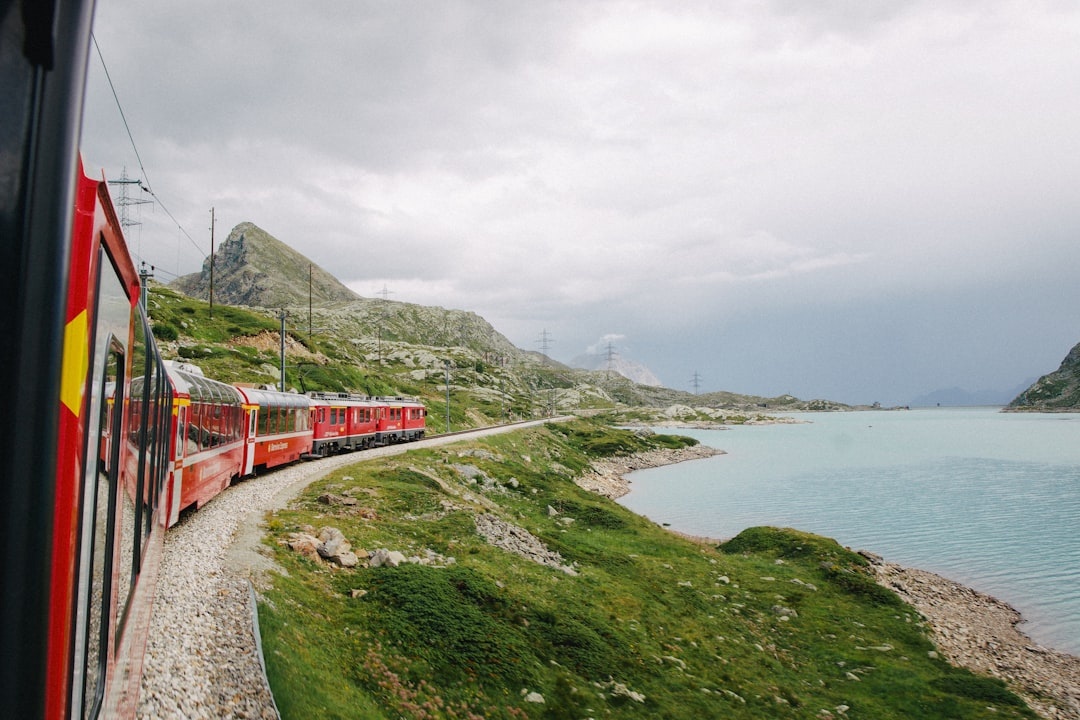
It’s July 2026. The Mediterranean is packed, airport security lines are snaking into parking garages, and Ryanair is selling €19.99 fares that look too good to refuse.
At the same time, Interrail is marketing unlimited train travel as the sustainable way to see Europe. But is it actually greener — and when does the math make sense?
I ran the numbers for five of Europe’s busiest summer routes, compared CO₂ per passenger, ticket prices, and total travel time, and calculated when an Interrail pass beats flying — both environmentally and financially.
Key Takeaways
- High-speed rail emits 14–30g CO₂/km vs 150–250g CO₂/km for short-haul flights — up to 90% less per trip.
- A 7-day Interrail Global Pass (2026) costs €335 ($365) for adults; break-even is typically 3–4 long routes.
- Night trains cut one hotel night (€120–€200 in summer) and emit ~25g CO₂/km — far lower than flights.
- On routes under 800 km (Paris–Barcelona, Milan–Vienna), trains are almost always greener and often competitive in total time.
The CO₂ Reality: Train vs Plane in 2026
Let’s start with emissions. Numbers below are averages from European Environment Agency data and operator sustainability reports (2025–2026).
- Electric high-speed rail: 14–30g CO₂ per passenger-km (France at the low end due to nuclear grid)
- Conventional electric rail (mixed grid): 25–45g CO₂ per passenger-km
- Short-haul flight (economy): 150–250g CO₂ per passenger-km
Flights look efficient because they’re fast. They are not efficient per kilometer.
Now let’s apply that to real summer routes travelers are booking right now.
Paris → Barcelona (1,035 km)
| Mode | Travel Time | Typical July Price | CO₂ per Passenger |
|---|---|---|---|
| TGV/AVE high-speed train | 6h 45m | €89–€149 | ~20 kg |
| Vueling flight | 1h 45m (+2h airport) | €45–€120 | ~180 kg |
The train emits roughly 9x less CO₂. Even adding airport transfer emissions, flying doesn’t get close.
And in July? El Prat airport security regularly hits 35–50 minutes mid-morning. Door-to-door, the difference shrinks.
If you’re curious how chaotic European gates can get in peak season, read our take on why gate lice still rule airports in 2026.
When Does an Interrail Pass Break Even?
The 2026 adult Interrail Global Pass prices:
- 4 days in 1 month: €258 ($280)
- 7 days in 1 month: €335 ($365)
- 10 days in 2 months: €401 ($435)
Seat reservations on high-speed trains are extra: €10–€35 per segment (France and Spain are the priciest).
Example: 10-Day Summer Itinerary
Route: Amsterdam → Berlin → Prague → Vienna → Venice → Milan → Paris
Individual July ticket prices booked 2–3 weeks out:
- Amsterdam–Berlin: €69
- Berlin–Prague: €29
- Prague–Vienna: €25
- Vienna–Venice (Railjet): €59
- Venice–Milan: €32
- Milan–Paris (TGV): €79
Total point-to-point: €293
Add last-minute booking (common in July) and that jumps to €350–€420.
Now compare:
Interrail 7-day pass: €335
Reservations (approx.): €90
Total: €425
Financially, the pass only wins if you:
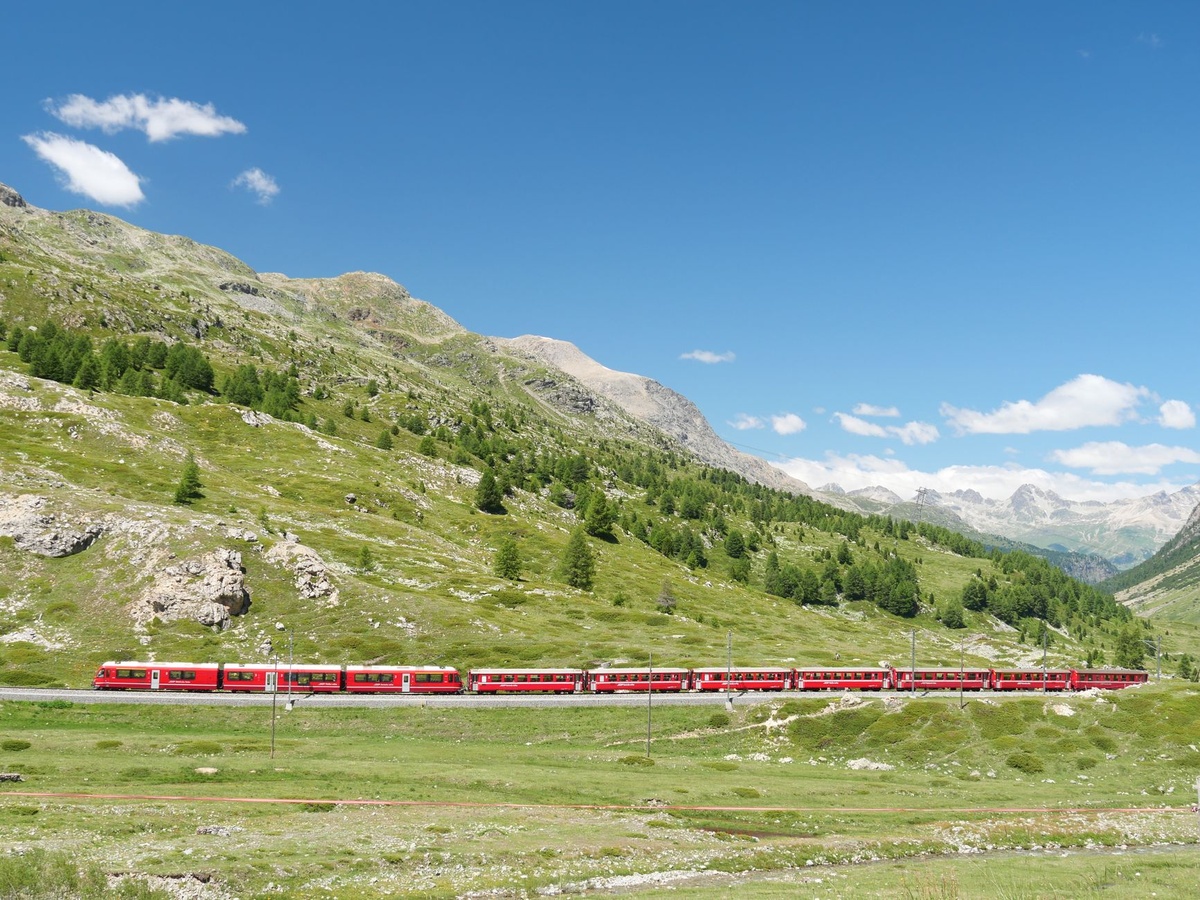
- Book late in peak season
- Take at least 4 long high-speed routes (600+ km)
- Value flexibility
Environmentally, though, both options are trains — emissions are roughly identical. The pass doesn’t make trains greener. It just encourages more train travel instead of flights.
Night Trains vs Budget Flights: The Real Sustainability Hack
This is where things get interesting.
Nightjet (ÖBB), European Sleeper, and SNCF revived sleeper routes that are perfect for summer 2026 when hotels in cities like Vienna and Florence are €180+ per night.
Vienna → Paris Nightjet (1,240 km)
| Mode | Travel Time | July Price | CO₂ |
|---|---|---|---|
| Nightjet couchette | 14h overnight | €89–€139 | ~30 kg |
| Transavia flight | 2h (+ airport) | €60–€150 | ~220 kg |
The sleeper emits roughly 7x less CO₂ and replaces a hotel night.
If your Vienna hotel costs €190 in July, that €109 couchette is effectively negative cost.
For older travelers comparing cross-border comfort options, our detailed breakdown of Vienna–Ljubljana vs Milan–Zurich vs Paris–Barcelona trains shows why trains are often less stressful than short-haul flights.
The 800 km Rule: Where Flying Still Wins (Barely)
Under 500 km, trains dominate on emissions and often on total time (city-center to city-center).
Over 1,200 km, flights start winning clearly on time.
The gray zone is 800–1,200 km.
Rome → Munich (920 km)
- Train: 9h 30m, €79–€129, ~35 kg CO₂
- Flight: 1h 35m (+2.5h airport), €55–€140, ~180 kg CO₂
If you’re tight on time, flying saves 4–5 hours.
If you care about emissions, the train emits about 80% less.
This is the exact break-even zone where your priorities matter more than price.
Peak Summer 2026: Why Trains Are Strategically Smarter Right Now
July brings three realities:
- Mediterranean airports are congested (Barcelona, Rome, Athens)
- Family travel drives up flight prices 20–40%
- Train networks add seasonal capacity (especially France and Germany)
Example: Paris → Nice
- TGV: 5h 45m, €95–€160
- Air France: 1h 30m (+2h airport), €110–€220
The emissions gap: ~18 kg vs ~150 kg CO₂.
And right now? Nice Airport queues are averaging 40+ minutes mid-day. The train drops you at Nice-Ville, walking distance to Old Town.
Skip the flight. Swim in Villefranche-sur-Mer instead.
So… Is Interrail the Greenest Way?
Here’s the honest answer:
Trains are the green choice. The pass is a flexibility tool.
If you were going to take trains anyway, Interrail doesn’t lower your emissions. It lowers booking friction.
The real environmental impact comes when the pass replaces flights.
Break-Even Summary
- 3+ long high-speed routes in peak summer → Pass often makes financial sense.
- Include 1–2 night trains → Pass value increases dramatically.
- Mostly short regional hops → Point-to-point tickets are cheaper.
- Replacing 2 short-haul flights → You cut ~300–400 kg CO₂.
For context, 400 kg CO₂ is roughly the emissions of driving a petrol car 2,000 km.
Tech Tips to Maximize Sustainability (and Sanity)
- Use Rail Planner App (official Interrail) for offline schedules.
- Check bahn.com for real-time platform changes across Europe.
- Book French and Spanish reservations early at sncf-connect.com and renfe.com.
- Track CO₂ comparisons using ecopassenger.org.
- Pack light — heavier planes burn more fuel; airlines estimate ~0.03 kg CO₂ per extra kg per 1,000 km.
If you do choose to fly one long segment (say Lisbon → Berlin), make it count — and at least make it comfortable. The $40 AirFly Pro Bluetooth adapter is still the easiest way to use your own headphones on long-haul flights.
The Verdict for Summer 2026
If your goal is the lowest CO₂ per city visited, build your trip around rail — especially night trains.
If you’re zigzagging five countries in 10–14 days, the 7- or 10-day Interrail pass likely hits financial break-even and removes booking stress during peak season.
If you’re doing two cities 1,500 km apart with limited time, one strategic flight isn’t a climate crime — but don’t pretend it’s equal.
Europe’s rail network is at its best right now: Nordic hiking season is prime, the Alps are snow-free, and night trains are selling out weeks ahead. The greenest trip isn’t about a pass. It’s about choosing tracks over tarmac whenever the math works.
Planning a July or August route? Map your exact cities and I’ll run the emissions and cost numbers for your itinerary.
Frequently Asked Questions
Is Interrail cheaper than buying individual tickets?
In peak summer (July–August), a 7-day €335 pass usually breaks even after 3–4 long high-speed routes. For short regional trips booked early, point-to-point tickets are often cheaper.
How much CO₂ does a European train emit compared to a flight?
High-speed rail averages 14–30g CO₂ per km, while short-haul flights emit 150–250g per km. On a 1,000 km route, that’s roughly 20–30 kg by train vs 150–220 kg by plane.
Are night trains better for the environment?
Yes. Night trains emit around 25–35 kg CO₂ on 1,000–1,200 km routes and replace a hotel night, making them both greener and often cheaper in summer.
What is the best Interrail pass for a 2-week Europe trip?
The 7 days in 1 month (€335) or 10 days in 2 months (€401) passes are ideal for 2-week trips with multiple long transfers. Add €10–€35 per high-speed reservation.

About the Author: Tomáš Bzirský
Founder and editor of Distratech. Based in the Czech Republic, travelling regularly from Central Europe. Writes practical travel guides and travel-tech comparisons (eSIM, apps, airports) in six languages.