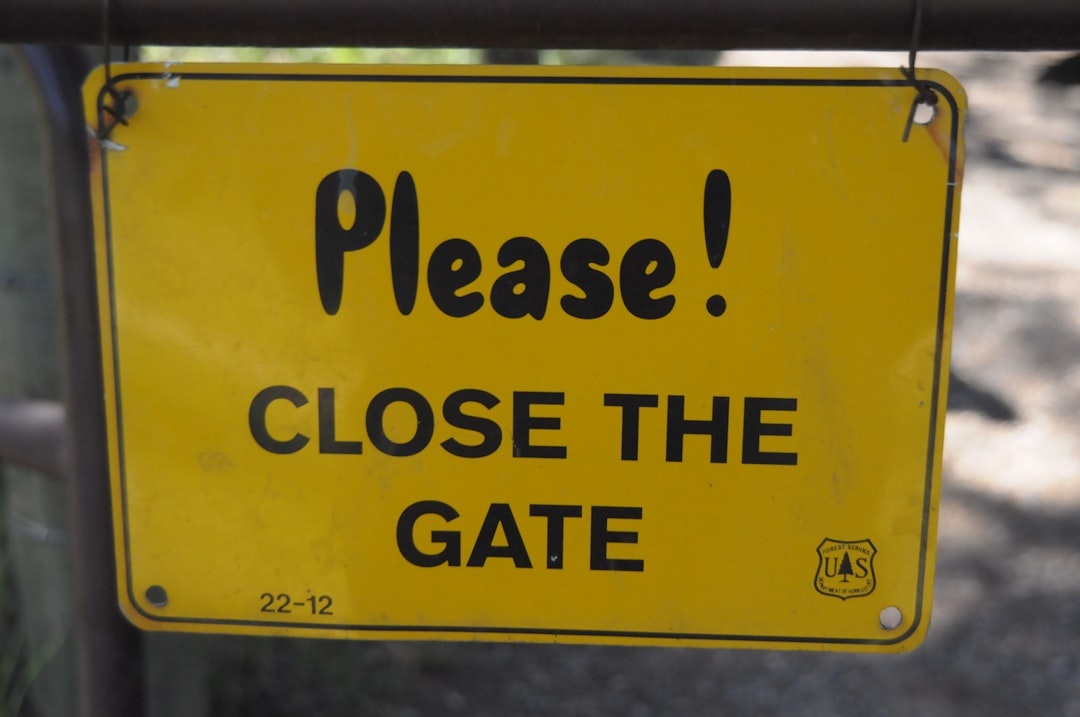
You’ve seen them. The moment the boarding announcement starts — “We’ll begin with families and passengers needing extra time…” — a crowd forms at the gate like it’s Black Friday at Best Buy.
Frequent flyers have a name for them: gate lice. And in peak summer 2026 — with Mediterranean routes oversold, U.S. flights running at 87% average load factors, and transatlantic fares from New York to Rome hovering between $650 and $1,200 round-trip on Google Flights and Skyscanner — the behavior is more visible than ever.
But here’s the twist: in the airport of 2026, gate lice aren’t just annoying. They’re increasingly unnecessary.
Key Takeaways
- Strict digital zone boarding means crowding the gate rarely gets you on the plane faster.
- Hovering 15–20 minutes early typically saves just 0–3 minutes of seated time.
- Overhead bin anxiety is real on full July routes, but most aircraft average space for 1.5 bags per passenger.
- Airline apps, smarter gate screens, and paid priority options make strategic boarding more effective than standing in line.
What “Gate Lice” Actually Means (And Why It Took Off in 2026)
Gate lice is airline slang for passengers who crowd the boarding gate long before their group is called, hovering inches from the scanner and blocking the boarding lane.
The phrase has circulated on travel forums for years, but it’s trending again in 2026 thanks to TikTok airport rants and record-breaking passenger volumes. Eurocontrol data shows European summer traffic nearing 2019 peaks, especially on routes to Barcelona (BCN), Athens (ATH), and Rome (FCO). U.S. TSA checkpoints are regularly screening over 2.7 million passengers per day in July.
On a recent JFK → Athens flight (Delta DL202, 4,980 miles, scheduled 9h 30m), boarding was set for 6:10 pm. By 6:00 pm, more than 70 passengers were already standing in the boarding lane — many assigned to Zones 6–8.
The irony? The aircraft door didn’t open until 6:12 pm due to late catering.
In other words: everyone stood for 12 extra minutes for nothing.
Why People Crowd the Gate (The Psychology + The Math)
Let’s be fair. Gate lice aren’t villains. They’re responding to incentives — some rational, some emotional — shaped by airline pricing and full flights.
1. Overhead Bin Anxiety
On most U.S. and European carriers, basic economy either boards last or restricts cabin bags.
Example: United Basic Economy (2026 rules):
- No full-size carry-on unless you have MileagePlus Premier status or a United credit card
- First checked bag: $35 domestic, $75 to Europe
- Group 6 or later boarding on most aircraft
On American Airlines, a Main Cabin fare from Chicago to Paris in July might cost $892 round-trip, while Basic Economy is $741 — but boards in Group 9 and risks gate-checking.
If you’re in Group 6 on a full Newark → Lisbon (3,392 miles, 6h 50m) flight in July, there’s a legitimate fear your roller bag won’t fit.
Here’s the structural reality: on a Boeing 737-900 or Airbus A321 (common on 2–5 hour routes), overhead bins typically accommodate around 1.5 standard carry-ons per passenger. On wide-bodies like the Airbus A330 or Boeing 787, capacity is even better.
The true risk appears when:
- The flight is 100% full
- Many passengers ignore personal-item rules
- Boarding groups are large and loosely enforced
If you’re flying peak July to Mykonos or Palma de Mallorca, the issue isn’t just gate lice — it’s that thousands of travelers booked the exact same week after comparing fares on Kayak, Expedia, and airline flash sales.
2. The “I Want to Sit Sooner” Effect
Boarding early means sitting earlier. That’s the emotional math.
But let’s quantify it:
| Boarding Position | Time Standing | Time Seated Earlier |
|---|---|---|
| Hovering 15 min early | 15–20 min | 0–3 min |
| Waiting seated until called | 0 min | Arrive as group moves |
Even on a 180-passenger Airbus A320, total boarding time averages 25–35 minutes. If you’re Zone 4, you’re likely boarding around minute 12–15 regardless.
Standing early rarely changes that.
Meanwhile, you give up:
- Charging outlets (often limited at older gates)
- Personal space
- Food or coffee you just paid $4–$7 for
3. Fear of Being Gate-Checked
Gate-checking a bag can add 15–25 minutes upon arrival, particularly at large hubs like Paris CDG, Chicago O’Hare, or Madrid Barajas.
But here’s what’s changed in 2026:

- Airlines proactively request volunteer gate checks via push notification.
- Compensation ranges from 500–1,000 miles or $25–$50 vouchers.
- Priority-tagged gate-checked bags on domestic U.S. flights often arrive planeside within 5–10 minutes.
Translation: the system has adapted. Passenger habits haven’t.
Why Gate Lice Behavior Makes Less Sense in 2026
Airports and airlines have modernized boarding. Technology now replaces guesswork.
1. App-Based Boarding Alerts
Delta, Lufthansa, United, Emirates, and Air France all push real-time boarding alerts through their apps.
You receive:
- A notification when boarding begins
- A second alert when your zone is called
- Gate changes instantly
With airport Wi-Fi averaging 50–150 Mbps in major hubs like Amsterdam Schiphol and Singapore Changi, there’s little excuse not to use digital alerts.
In 2026, skipping the airline app is like refusing online check-in.
2. Smarter Gate Screens
Modern gate displays now show:
- Current boarding group
- Next group
- Estimated wait time
At Helsinki Airport’s Schengen gates, countdown timers estimate boarding progress in real time. Newark’s new Terminal A uses clearly marked digital boarding lanes.
It’s essentially a deli counter for airplanes — except some travelers still behave like the system doesn’t exist.
3. Strict Zone Enforcement
Try boarding Zone 5 during Zone 2 on American Airlines or Delta in 2026.
The scanner flashes red. A tone sounds. You step aside.
Agents are less flexible during peak season, especially on high-volume summer routes like London → Palma (2h 20m) or Frankfurt → Barcelona (2h 5m).
Boarding early without status no longer works consistently — which undercuts the entire logic of gate hovering.
The Smart Traveler’s Strategy (Instead of Hovering)
If you want overhead space and a smoother experience, use strategy instead of proximity.
- Pick seats strategically. Rear-of-plane window seats often board earlier in zone-based systems. Check the airline’s seat map before booking on Expedia, Google Flights, or directly with the carrier.
- Board mid-zone. Aim to stand up 2–3 minutes after your group is called.
- Pack a “seat bag.” Keep essentials (passport, charger, headphones, medication) in a small backpack that fits under the seat.
- Use priority boarding rationally. Compare its cost to checked baggage.
- Travel lighter in peak season. A soft-sided carry-on fits more easily than rigid rollers.
Example: Boston (BOS) → Rome (FCO), 4,015 miles, 8h nonstop in July.
| Option | Cost | Benefit |
|---|---|---|
| Checked bag | $75 | No bin competition |
| Priority boarding add-on | $29–$49 | Earlier bin access |
| Do nothing + strategic timing | $0 | Often sufficient |
If priority is $39 and checked baggage is $75, paying for boarding may be the cheaper stress-reduction tool.
When Gate Crowding Actually Is Rational
There are exceptions.
Ultra-low-cost carriers such as Ryanair, Wizz Air, and Frontier monetize boarding order aggressively.
Ryanair example (July 2026):
- Priority & 2 Cabin Bags: €24–€36
- Standard fare: small personal item only
- Checked bag 10kg: €12–€25 depending on route
If you didn’t buy priority and are hoping to secure limited bin space, boarding position genuinely affects outcomes.
But that’s a pricing structure — not universal airport behavior.
Airport Culture Is Changing — Slowly
Airports are designed for passenger flow.
Changi Terminal 4 uses centralized security and wide seating clusters. Helsinki’s renovated Schengen area emphasizes open waiting spaces. Newark’s Terminal A integrates digital boarding lanes and clearer signage.
The architecture assumes passengers remain seated until called.
When 60–80 people crowd a boarding lane built for 20, congestion increases and accessibility decreases — particularly for families with strollers or travelers needing assistance.
In peak July travel — when families debate Turkey vs Greek islands on cost and book whichever $89 intra-Europe fare appears first — gate space is already limited.
Crowding doesn’t speed departure. It delays flow.
The Bigger Question: What Kind of Traveler Do You Want to Be?
Summer 2026 is intense.
Tour de France routes are spiking domestic French flights. Nordic hiking season is peaking. U.S. national parks are hitting capacity by mid-morning. Airlines are operating near maximum utilization.
Travel feels competitive.
But seasoned travelers understand this: calm scales better than panic.
The passenger sitting comfortably with a €4 espresso at Madrid Barajas — watching boarding groups tick upward on-screen — is usually better off than the one standing shoulder-to-shoulder 15 feet away.
Gate lice culture reflects scarcity thinking.
The modern airport rewards information and timing.
Final Boarding Call: Relax, Then Move
If your group hasn’t been called, you don’t need to stand.
If overhead bins fill up, a gate-check rarely ruins a trip.
If you want control, use airline apps, compare fare bundles before booking, and understand boarding economics instead of competing for imaginary advantage.
Peak summer travel is stressful enough. Don’t spend it guarding overhead bin space that probably isn’t yours yet.
Airports have evolved. It may be time passenger behavior catches up.
Frequently Asked Questions
What does “gate lice” mean?
“Gate lice” is slang for passengers who crowd the boarding gate before their zone is called, hovering near the scanner instead of waiting seated.
Does boarding early guarantee overhead bin space?
No. Most aircraft average about 1.5 carry-on spaces per passenger. Boarding mid-zone typically works unless the flight is completely full during peak travel periods.
Is priority boarding worth paying for in 2026?
It depends on price. If priority costs $29–$49 and a checked bag costs $75, paying for earlier boarding can be cheaper and reduce stress on busy summer routes.
Can airlines stop you from boarding if it’s not your group?
Yes. Most major airlines now enforce zone boarding digitally. Scanners alert gate agents if you attempt to board before your assigned group.
Are there routes where boarding position really matters?
Yes. On ultra-low-cost carriers like Ryanair or Wizz Air, passengers without priority boarding may struggle to find overhead space, especially on full 2–3 hour European routes.

About the Author: Tomáš Bzirský
Founder and editor of Distratech. Based in the Czech Republic, travelling regularly from Central Europe. Writes practical travel guides and travel-tech comparisons (eSIM, apps, airports) in six languages.