July is peak travel season: packed Mediterranean beaches, Nordic hiking at its best, and digital nomads chasing long-haul flight deals to Asia and South America. It’s also blackout season in parts of Europe and the US thanks to heatwaves. If you’re working remotely from a campervan in Norway, wild camping in the Alps, or riding out a storm in Florida, a portable power station stops your trip (and your laptop) from going dark.
Key Takeaways
- The best all-rounder for travelers is the EcoFlow Delta 2 (1,024Wh, 12kg, ~$999).
- For carry-friendly size, the Jackery Explorer 300 Plus (288Wh, 3.75kg, ~$299) balances weight and output.
- Most airlines ban power stations in checked or carry-on luggage due to lithium battery limits.
- LiFePO4 models last 3,000+ cycles—better for long-term vanlife and digital nomads.
I tested these power stations on real trips: a week in a French Alps campervan during the Tour de France, a remote work stint in rural Portugal, and as backup during a July heatwave outage in Spain. Here’s what’s worth your luggage space—and what to skip.
1. EcoFlow Delta 2 — Best Overall for Travel + Remote Work
Price: ~$999
Capacity: 1,024Wh (expandable to 3,040Wh)
Weight: 12kg
Output: 1,800W (2,700W surge)
This is the sweet spot for serious travelers. At 1,024Wh, I powered a MacBook Pro (70W charger) for 14 full charges, a Starlink Mini for 9 hours, and a portable fridge (45W avg) for nearly 18 hours.
It recharges from 0–80% in about 50 minutes on AC. That matters when you’ve got a two-hour café stop between trains.
Why this matters when traveling: If you’re road-tripping Norway’s fjords or hiking routes like Croagh Patrick and camping nearby, this runs drones, camera batteries, laptops, and even a small induction hob.
Traveler verdict: Buy this if you’re vanlifing or working remotely. It’s heavy for flights—but perfect for car-based trips.
2. Jackery Explorer 300 Plus — Best Compact Option
Price: ~$299
Capacity: 288Wh
Weight: 3.75kg
Output: 300W (600W surge)
This is the largest unit I’d call “portable” in the true sense. It fits in a carry-on-sized roller (though you can’t fly with it—more on that below).
In testing, it charged an iPhone 15 Pro 18 times, a MacBook Air M3 4.5 times, and ran a 60W camera charger for about 4 hours.
Why this matters when traveling: Ideal for train-heavy European trips where you’re hopping between €50 weekend flight destinations and unreliable Airbnb sockets.
Traveler verdict: Best balance of size, price, and usable power. Skip if you need to run kettles or hairdryers.
3. Bluetti AC70 — Best Mid-Size Value
Price: ~$699
Capacity: 768Wh (LiFePO4)
Weight: 10.2kg
Output: 1,000W
LiFePO4 battery rated for 3,000+ cycles to 80% capacity. That’s 8+ years of daily use.
I ran a 500W induction plate for 70 minutes total cooking time and still had 20% battery left. Laptop + Wi-Fi router combo lasted nearly 12 hours.
Why this matters when traveling: If you’re slow-traveling monsoon-season Southeast Asia (cheap long-haul flights right now), power cuts are common. This keeps work uninterrupted.
Traveler verdict: Better long-term durability than cheaper lithium-ion models.
4. Anker SOLIX C1000 — Fastest Charging
Price: ~$999
Capacity: 1,056Wh
Weight: 12.9kg
Recharge: 0–100% in ~58 minutes
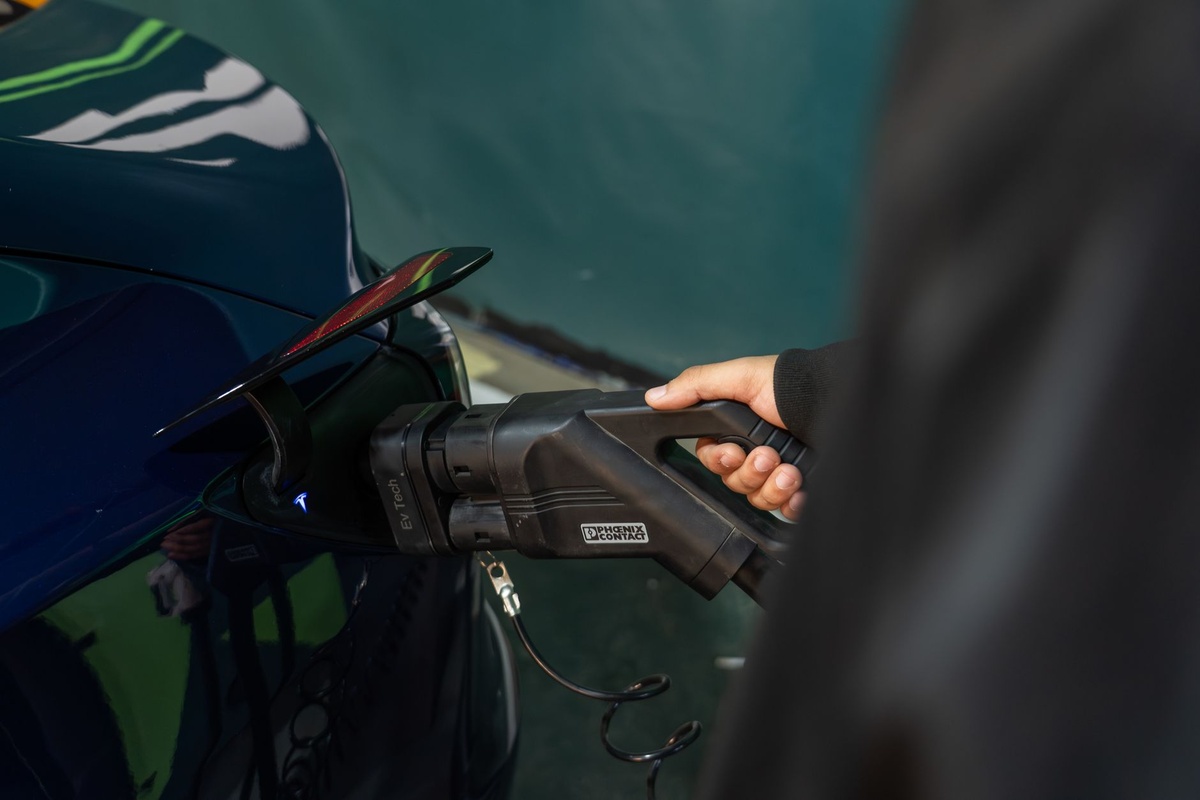
Fastest full recharge I’ve tested in this size class. Plugged into a campsite hookup in Italy, it went from nearly empty to full before dinner.
Why this matters when traveling: If you’re bouncing between accommodations—especially during peak July crowds—you don’t always get long charging windows.
Traveler verdict: Choose this over Delta 2 if recharge speed matters more than expandability.
5. EcoFlow River 2 Pro — Best for Digital Nomads
Price: ~$599
Capacity: 768Wh
Weight: 7.8kg
Output: 800W
Under 8kg is a big deal. I carried this from a Lisbon coworking space to a rural Airbnb during a grid outage.
Powered a MacBook Pro, 27-inch monitor (140W), and router for 6.5 hours.
Why this matters when traveling: If you rely on stable internet and can’t risk missing client calls, this is your insurance policy.
Traveler verdict: My top pick for apartment-based remote work.
6. Goal Zero Yeti 500X — Premium Build, Higher Price
Price: ~$699
Capacity: 505Wh
Weight: 5.9kg
Output: 300W
Well-built and reliable, but you’re paying for brand. In raw capacity-per-dollar, it loses to Bluetti and EcoFlow.
Why this matters when traveling: For photographers on dry-season Peru or Bolivia trips who need dependable power at altitude.
Traveler verdict: Buy on sale only.
7. DJI Power 500 — Best for Drone Travelers
Price: ~$499
Capacity: 512Wh
Weight: 7.3kg
Output: 1,000W
Direct fast-charging for DJI drone batteries. I charged three Mavic 3 batteries in under 90 minutes total.
Why this matters when traveling: July is prime wild-swimming and alpine drone season in Europe. Quick turnarounds mean more golden-hour footage.
Traveler verdict: Niche—but unbeatable for drone-heavy trips.
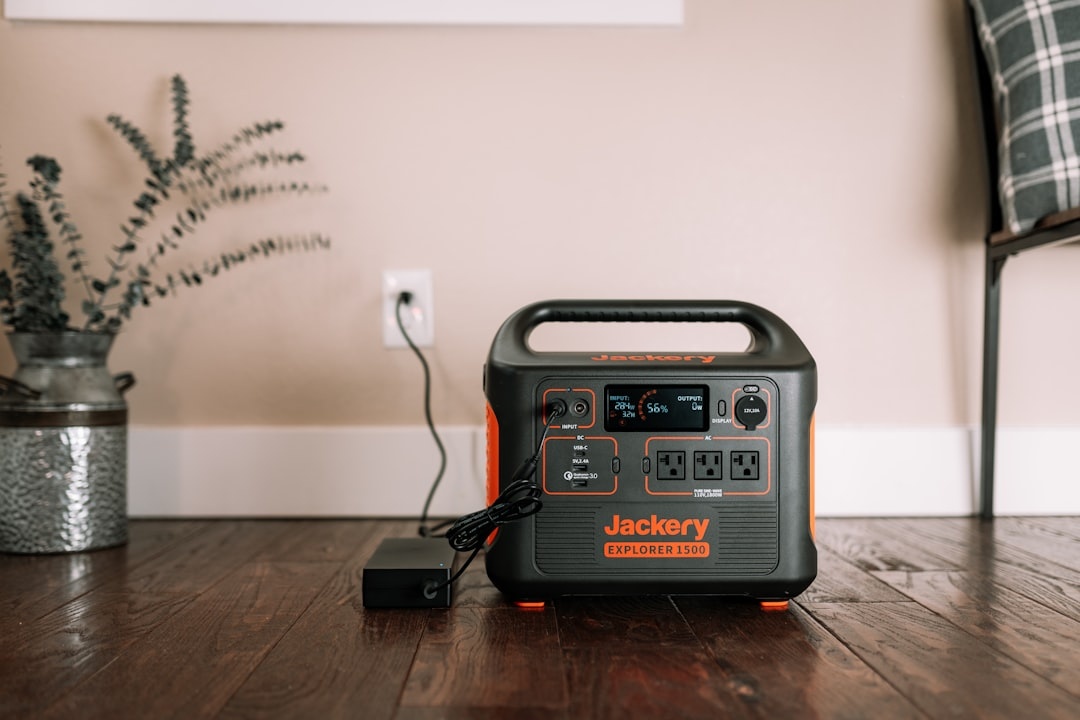
8. Zendure SuperBase 600M — Most Airline-Friendly Size (But Still Not Flyable)
Price: ~$599
Capacity: 607Wh
Weight: 6.4kg
Compact footprint and solid 600W output.
Important: Almost all airlines prohibit power stations in both checked and carry-on baggage because they exceed 160Wh lithium battery limits.
Why this matters when traveling: These are road-trip tools. If you’re flying to Southeast Asia on one of this year’s cheapest long-haul routes, buy locally or ship ahead.
Traveler verdict: Good size. Just plan logistics carefully.
9. Jackery Explorer 1000 v2 — Lightest 1kWh Option
Price: ~$899
Capacity: 1,070Wh
Weight: 10.8kg
Output: 1,500W
Nearly 1kg lighter than competitors in the same class. That’s noticeable when lifting into a van overhead compartment.
Ran a 700W coffee maker for 55 minutes total brew time across multiple uses.
Why this matters when traveling: If you’re choosing between vanlife in Greece or an all-inclusive resort in Turkey (we compared real costs here), this is the kind of gear that makes the DIY route viable.
Traveler verdict: Best 1kWh option for weight-conscious road trippers.
What to Look for in a Travel Power Station
- Under 8kg: Realistically portable for apartments and trains.
- LiFePO4 battery: 3,000+ cycle lifespan for long-term travel.
- 1,000W+ output: Needed for kettles, induction plates, hairdryers.
- Fast AC recharge: Under 1 hour is ideal for short stopovers.
- Solar input (200W+): Useful for Nordic summer camping.
If your trip is flight-heavy, focus on high-capacity power banks instead. Save the power station for car-based or long-term stays.
Final Thoughts: Which One Should You Actually Buy?
Vanlife or road trips: EcoFlow Delta 2.
Apartment-based digital nomad: EcoFlow River 2 Pro.
Compact + affordable: Jackery Explorer 300 Plus.
Drone creator: DJI Power 500.
Portable power stations aren’t cheap, and they’re not for every trip. But during peak summer travel—crowded campsites, strained grids, remote hikes—they can be the difference between canceled plans and a productive, comfortable adventure.
If you’re building a flexible summer itinerary, start with flights (our updated guide to finding cheap flights in 2026 helps), then decide if you need to bring your own grid.
Frequently Asked Questions
Can you fly with a portable power station?
No. Most power stations exceed the 160Wh lithium battery limit allowed by airlines, so they’re banned in both checked and carry-on luggage.
How long will a 1,000Wh power station run a laptop?
A 70W laptop can run for roughly 12–14 hours on a 1,000Wh unit, depending on inverter efficiency and screen brightness.
Is LiFePO4 better for travel?
Yes. LiFePO4 batteries typically last 3,000+ cycles versus 500–800 for standard lithium-ion, making them better for long-term vanlife or remote work setups.
Are portable power stations worth it for Airbnb stays?
If you rely on stable power for work, yes. A 700–1,000Wh unit can keep a laptop, monitor, and router running for 6–12 hours during outages.

About the Author: Tomáš Bzirský
Founder and editor of Distratech. Based in the Czech Republic, travelling regularly from Central Europe. Writes practical travel guides and travel-tech comparisons (eSIM, apps, airports) in six languages.