'/%3E%3Cpath%20fill='%23b2b2b2'%20d='M241%20382q0%2016%2017%2026%2017%2011%2042%2011t42-11q16-11%2017-26V269H241'/%3E%3Cpath%20fill='%239f7e00'%20d='M241%20379q0%2014%208%2023%209%209%2021%209%2014%200%2021-9%209-9%209-23V269h-59'/%3E%3Cpath%20d='M241%20339v-70h59v110q0%2014-9%2023l-6%205v-68h-15v72q-8%200-14-4v-68zm59%2040c0%2022%2015%2032%2029%2032%2021%200%2030-18%2030-32v-40h-59'/%3E%3Cpath%20fill='%239f7e00'%20d='M266%20277v5h2v12h-3v-5h2v-5h-9v5h2v5h-4v9h3v18h-5v10h34v-10h-5v-18h3v-9h-4v-5h2v-5h-9v5h2v5h-3v-12h2v-5zm42%20101q0%2010%206%2017%206%206%2015%207%2010-1%2016-7%206-7%206-17v-29h-43'/%3E%3Ccircle%20fill='%230044ad'%20cx='329.5'%20cy='372'%20r='6'/%3E%3Cellipse%20fill='%230044ad'%20cx='300'%20cy='340'%20rx='16'%20ry='21'/%3E%3C/svg%3E)
'/%3E%3C/svg%3E)


'/%3E%3C/g%3E%3Cuse%20href='%23c'%20transform='matrix(-1%200%200%201%20720%200)'/%3E%3C/svg%3E)


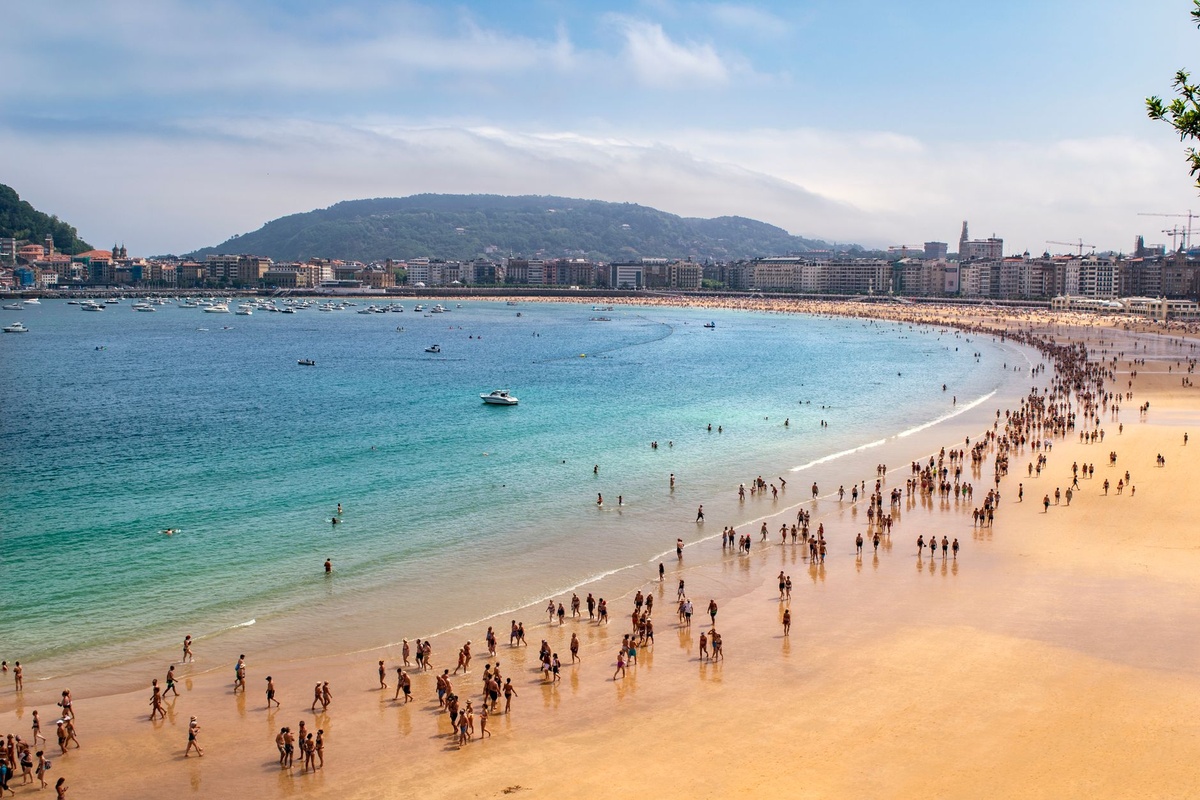
Europe is sweltering. As of late June 2026, temperatures are pushing past 40°C (104°F) across parts of southern Europe, with multiple countries issuing red heat alerts — the highest warning level — just as peak summer travel kicks off.
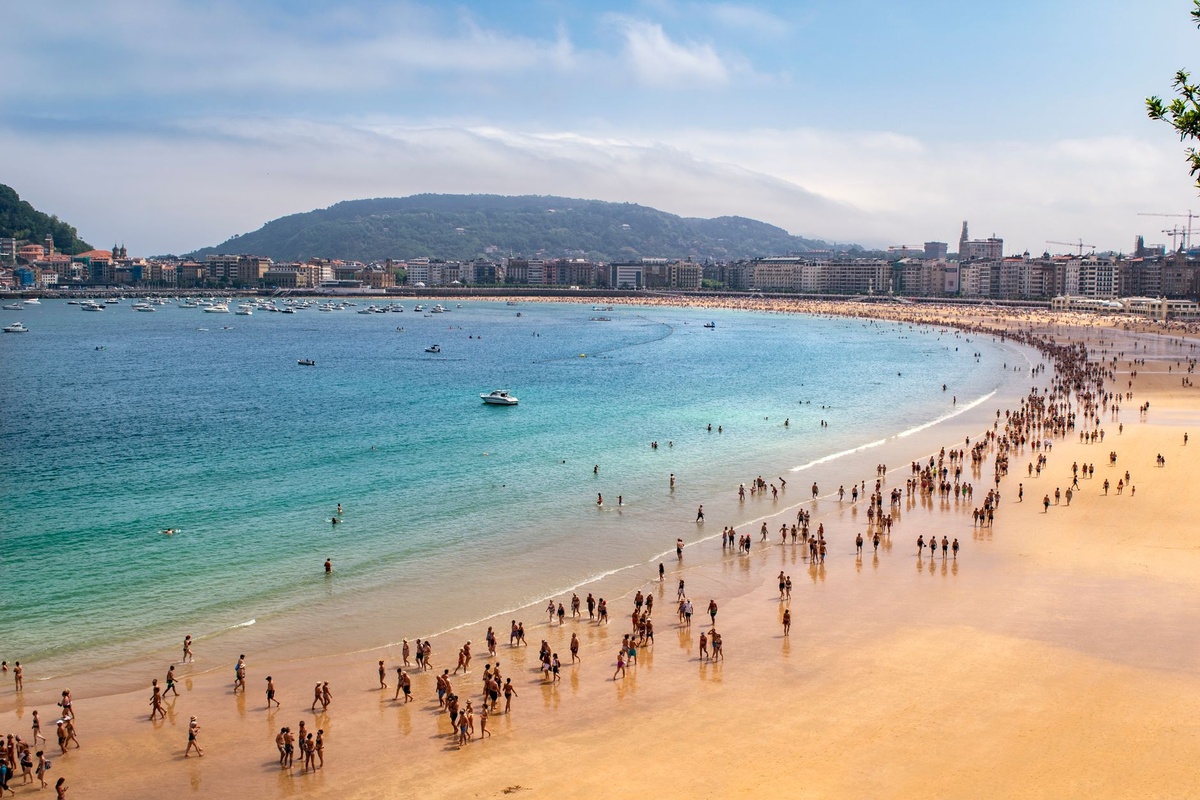
If you have flights booked to Barcelona, Rome, Athens, or southern France in the next few weeks, this isn’t a “pack sunscreen” situation. It’s a “rethink your daily schedule, budget for AC, and plan transport strategically” situation. Here’s exactly where red alerts are in place, what that means on the ground, and how to adjust your trip without canceling it.
Key Takeaways
- Spain, Italy, Greece, and southern France have issued red heat alerts with temps hitting 40–44°C (104–111°F).
- Many cities are restricting outdoor work 12pm–5pm; sightseeing during these hours is risky and often miserable.
- Budget €15–€25 more per night for AC rooms; hostels without AC are a false economy in 40°C heat.
- Trains are more reliable than short-haul flights right now (fewer heat-related delays).
- Early morning (7am–11am) and late evening (7pm–11pm) are the only comfortable sightseeing windows.
Which Countries Have Issued Red Heat Alerts?
As of June 2026, national weather agencies have issued red alerts in:
Spain
Andalusia (Seville, Córdoba), Extremadura, and parts of Catalonia are seeing 42–44°C (108–111°F). Seville hit 43°C this week — and that’s before July.
The Spanish meteorological agency (AEMET) warns of “extreme risk,” particularly for children and older travelers. Expect limited outdoor activity between 1pm and 6pm.
Italy
Rome, Florence, Bologna, and parts of Sardinia are under red alert. Rome forecasts show 41°C (106°F) with high humidity, which feels worse than Spain’s drier heat.
Italy’s Health Ministry has activated heat emergency protocols in 17 cities. Some attractions are shortening afternoon visiting hours.
If you’re heading to Venice, remember the city’s crowd-control measures are still evolving. We broke down the proposed fee changes here: what Venice’s entry fee plans mean for summer 2026.
Greece
Athens and parts of Crete are hovering around 40–42°C (104–108°F). The Acropolis has already implemented temporary midday closures in previous heatwaves — expect similar measures if temps climb further.
France
Southern regions including Occitanie and Provence are under red alert. Marseille is forecast at 39–41°C (102–106°F), with nighttime temps staying above 26°C (79°F).
That’s the real problem: no cooling overnight. Poorly ventilated apartments become ovens by day three.
What Red Alert Actually Means for Travelers
A red heat alert isn’t just a weather headline. It affects how you move, what’s open, and how much your trip costs.
1. Outdoor Sightseeing Becomes a 4-Hour Window
In 40°C heat, walking 2 km (1.2 miles) can feel like a workout. Most travelers underestimate this.
Example: Rome.
Colosseum to Trevi Fountain: 1.6 km (1 mile). Normally 20 minutes. In 41°C heat? Plan 35–40 minutes with shade stops and water breaks.
Smart strategy:
- 7:30am–11:00am: Outdoor landmarks
- 11:30am–6:30pm: Museums, siesta, hotel AC
- 7:00pm–11:00pm: Dinner and evening stroll
Skip midday walking tours. Even “small group” tours can feel punishing on stone streets radiating heat.
2. Accommodation Choice Is No Longer About Aesthetics
This is where travelers make expensive mistakes.
| Option | Average Price (Rome, June 2026) | Reality in 40°C Heat |
|---|---|---|
| Budget hostel (no AC) | €28–€35 dorm bed | Nearly unlivable after 2pm |
| 3-star hotel with AC | €140–€190/night | Comfortable, sleep guaranteed |
| Airbnb top-floor walkup | €120/night | Can exceed 30°C indoors at night |
Spending an extra €20–€40 per night for guaranteed AC is cheaper than rebooking last minute. Look for “air conditioning included” — not “fan.” Fans just circulate hot air.
3. Transport Disruptions: Trains vs Flights
Extreme heat can affect runways and cause flight delays, especially on short-haul routes.
Barcelona to Marseille comparison:
| Transport | Price | Time | Heat Risk |
|---|---|---|---|
| Flight | $65–$120 | 1h 15m (+ airport time) | Moderate delays possible |
| High-speed train | €49–€89 | 4h 30m city-center to city-center | Lower disruption risk |
Right now, trains are the safer bet. Book via TheTrainline.com or national rail sites like Renfe (Spain) and Trenitalia (Italy).
How to Adjust Your Itinerary (Without Canceling Your Trip)
You don’t need to scrap your summer plans. You need to adapt them.
Head to the Water — But Be Strategic
Not all beaches are equal in a heatwave.
Barcelona: Barceloneta gets unbearably crowded by 11am. Skip it. Take the R1 train (25 minutes, €2.40) to Ocata Beach — wider, breezier, and far less chaotic.
Rome: Instead of city heat, take a train to Santa Marinella. 1 hour from Roma Termini, €4.60 each way. Way cheaper than a €70 organized beach transfer.
Athens: Glyfada beaches are closer (30–40 minutes by tram, €1.20), but for clearer water head to Vouliagmeni and pay €10–€15 entry for organized shade and loungers.
Swap Heavy Meals for Market Picnics
When it’s 40°C, long multi-course lunches feel awful.
Instead, build a light picnic: tomatoes, peaches, fresh bread, local cheese, cold sparkling water.
We broke down exactly what €20 buys you in different cities in our guide to Europe’s best food markets for a DIY picnic. In Barcelona’s Mercat de Sant Josep, €20 gets enough for two people — and you avoid stuffy indoor dining rooms.
Use Tech to Avoid the Worst Hours
Download:
- MeteoAlarm for official European heat alerts
- Google Maps “Popular Times” to avoid peak crowds
- Citymapper for fastest shaded transport routes
If you’re upgrading devices before your trip, larger foldable screens like the Galaxy Z Fold 8 Ultra are genuinely useful for split-screen maps + bookings while navigating chaotic, overheated city centers.
When to Rethink Your Destination Entirely
Sometimes the smarter move is shifting north.
Consider Cooler Alternatives (Same Budget)
| Original Plan | Hot Forecast | Cooler Swap | Avg Temp |
|---|---|---|---|
| Rome | 41°C | Lake Como | 28–30°C |
| Seville | 43°C | San Sebastián | 24–26°C |
| Athens | 40°C | Slovenia (Lake Bled) | 25–27°C |
Flight change fees within Europe on low-cost carriers (Ryanair, Vueling) typically run €35–€60 if done online. That’s often cheaper than suffering through five dangerously hot days.
Hotels in northern Spain and northern Italy are still averaging €120–€180 per night in late June — similar to overheated capitals.
Health and Safety: Don’t Be Casual About 40°C
This isn’t dramatic — it’s practical.
- Carry 1.5 liters of water per person for half-day outings.
- Electrolyte packets cost €6–€10 per box at European pharmacies.
- SPF 50 sunscreen runs €12–€18 in tourist areas (buy at supermarkets for €8).
- Avoid alcohol before 5pm — dehydration hits faster than you think.
Emergency number across the EU: 112.
If you feel dizzy, nauseous, or stop sweating, get indoors immediately. Heat exhaustion escalates quickly in stone-heavy cities like Florence and Seville.
Should You Cancel Your Trip?
For most healthy travelers: no. Adjust your schedule, upgrade your room, slow down your pace.
But if your itinerary is 100% outdoor walking tours in southern Spain or central Italy — and you’re traveling with young kids or elderly parents — postponing to September (average temps drop to 28–32°C / 82–90°F) is objectively more enjoyable.
Europe in summer is magical. Europe in 44°C heat requires strategy.
Before you fly, check national weather sites (AEMET, Meteo France, Protezione Civile, HNMS Greece) 72 hours out. Conditions are evolving daily.
Plan early mornings. Budget for AC. Choose trains over short flights. And if the forecast shows 43°C all week? Head north.
Smart travel beats stubborn travel every time.
Frequently Asked Questions
Which European countries are under red heat alert right now?
As of June 2026, Spain (especially Andalusia), Italy (including Rome and Florence), Greece (Athens and Crete), and southern France have issued red heat alerts with temperatures reaching 40–44°C (104–111°F).
Is it safe to travel to Europe during a heatwave?
Yes, for most healthy adults — but you must adjust your schedule. Sightsee before 11am and after 7pm, book accommodation with guaranteed AC (€140–€190/night in major cities), and avoid prolonged midday outdoor exposure.
Are flights delayed during extreme heat in Europe?
They can be. Extreme runway temperatures sometimes cause short-haul delays, making trains (often €49–€89 for 3–5 hours) a more reliable option during heatwaves.
How can I avoid the worst heat in southern Europe?
Shift to coastal or northern destinations like San Sebastián or Lake Como (average 24–30°C), or plan beach mornings and indoor afternoons in hotter cities.

About the Author: Tomáš Bzirský
Founder and editor of Distratech. Based in the Czech Republic, travelling regularly from Central Europe. Writes practical travel guides and travel-tech comparisons (eSIM, apps, airports) in six languages.