'/%3E%3Cpath%20fill='%23b2b2b2'%20d='M241%20382q0%2016%2017%2026%2017%2011%2042%2011t42-11q16-11%2017-26V269H241'/%3E%3Cpath%20fill='%239f7e00'%20d='M241%20379q0%2014%208%2023%209%209%2021%209%2014%200%2021-9%209-9%209-23V269h-59'/%3E%3Cpath%20d='M241%20339v-70h59v110q0%2014-9%2023l-6%205v-68h-15v72q-8%200-14-4v-68zm59%2040c0%2022%2015%2032%2029%2032%2021%200%2030-18%2030-32v-40h-59'/%3E%3Cpath%20fill='%239f7e00'%20d='M266%20277v5h2v12h-3v-5h2v-5h-9v5h2v5h-4v9h3v18h-5v10h34v-10h-5v-18h3v-9h-4v-5h2v-5h-9v5h2v5h-3v-12h2v-5zm42%20101q0%2010%206%2017%206%206%2015%207%2010-1%2016-7%206-7%206-17v-29h-43'/%3E%3Ccircle%20fill='%230044ad'%20cx='329.5'%20cy='372'%20r='6'/%3E%3Cellipse%20fill='%230044ad'%20cx='300'%20cy='340'%20rx='16'%20ry='21'/%3E%3C/svg%3E)
'/%3E%3C/svg%3E)


'/%3E%3C/g%3E%3Cuse%20href='%23c'%20transform='matrix(-1%200%200%201%20720%200)'/%3E%3C/svg%3E)


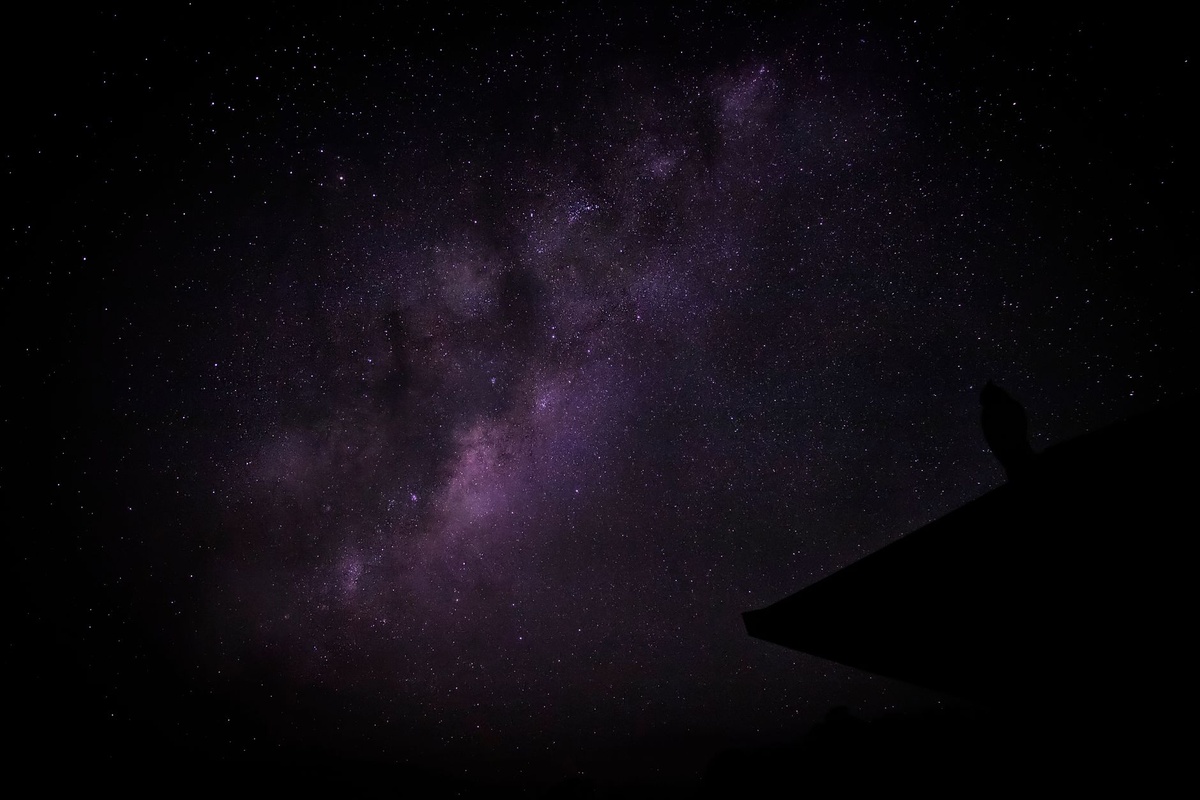
AlUla’s desert already feels otherworldly. Now it’s getting a purpose-built astrotourism centre and stargazing lodge designed to turn Saudi Arabia’s clearest night skies into a headline attraction.
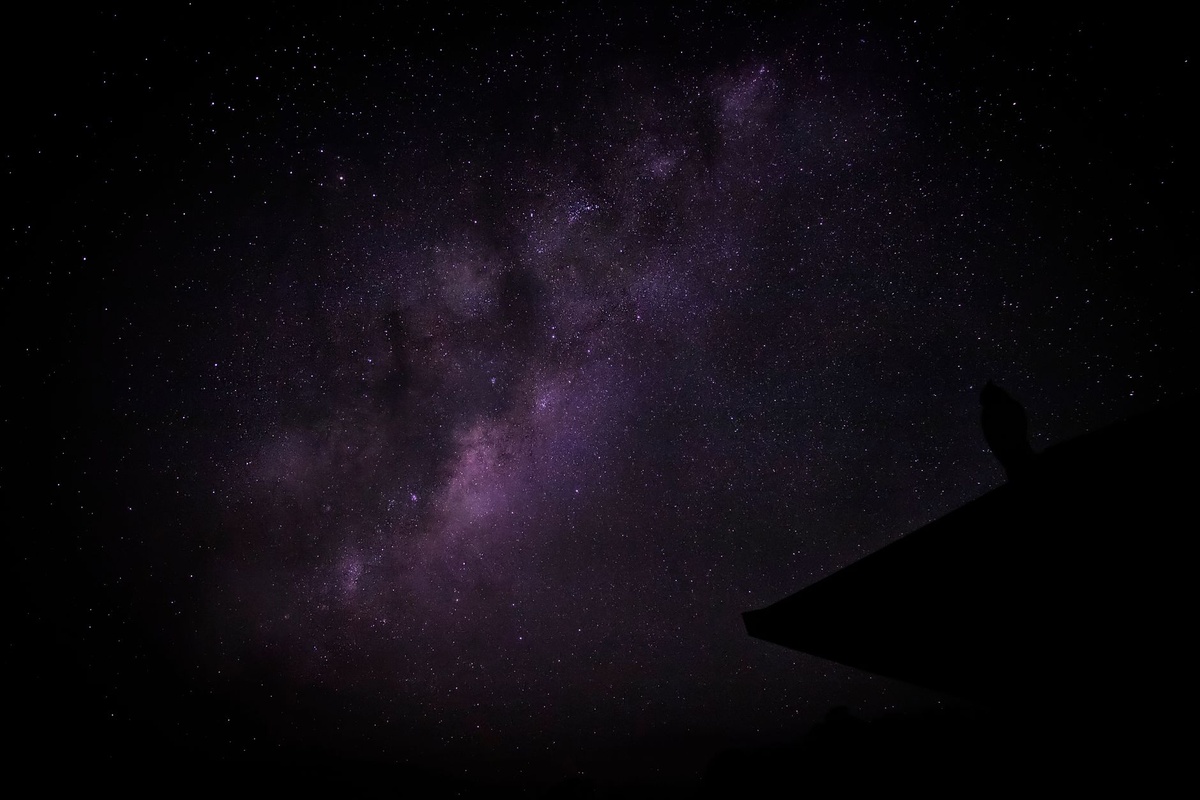
Set to open in late 2026 just outside AlUla in northwestern Saudi Arabia, the new complex blends high-spec observatories, guided night-sky programs, and a low-light desert lodge built for serious stargazers. If you’ve been eyeing a summer trip somewhere dramatic — midnight swims are overrated; midnight constellations are not — this is one opening worth planning around.
Key Takeaways
- The new astrotourism centre will open near AlUla in late 2026, about 25–30 minutes from AlUla International Airport.
- Expected lodge rates start around $450 per night; guided stargazing sessions from $60 per person.
- Best stargazing season: October–March, but summer offers crystal-clear skies with temps dropping to 20–25°C (68–77°F) at night.
- Direct flights to AlUla from Riyadh (1 hr 45 min, from $80 one-way) make it easy to pair with a city break.
What We Know About the New AlUla Astrotourism Centre
The project is being developed as part of Saudi Arabia’s wider AlUla regeneration strategy, which has already brought us Maraya (the mirrored concert hall) and high-end desert resorts like Habitas and Banyan Tree.
The new centre will sit in a designated dark-sky zone roughly 20–30 km (12–18 miles) from central AlUla, far enough to eliminate light pollution but close enough for easy transfers.
Here’s what’s planned:
- Professional-grade observatory domes with large aperture telescopes for deep-sky viewing.
- Open-air stargazing platforms with reclining loungers and guided laser tours of the sky.
- An on-site stargazing lodge with low-light architecture and private terraces oriented toward the Milky Way.
- Astronomy workshops covering astrophotography and desert navigation by stars.
Expect a similar positioning to Chile’s Atacama lodges or Oman’s Al Hajar stargazing camps — but with Saudi-level production value.
How It Compares to Other Global Dark-Sky Destinations
| Destination | Avg Nightly Rate | Nearest Airport | Sky Quality |
|---|---|---|---|
| AlUla (Saudi Arabia) | $450–$900 | AlUla Intl (30 min) | Excellent (minimal light pollution) |
| Atacama (Chile) | $600–$1,200 | Calama (1 hr 15 min) | World-class |
| Wadi Rum (Jordan) | $150–$400 | Aqaba (1 hr) | Very good |
Saudi’s edge? Accessibility and infrastructure. AlUla has a modern airport and luxury inventory that Wadi Rum simply doesn’t match — and it’s significantly easier to reach than Chile’s Atacama from Europe or Asia.
What It’ll Cost — And What’s Actually Worth Booking
While official pricing hasn’t been fully released, comparable AlUla properties give us a reliable range.
Stargazing lodge rooms: Expect entry-level desert-view rooms to start around $450 per night in low season (June–September) and climb to $700–$900 in peak winter (December–February).
For context, Habitas AlUla in summer 2026 is pricing rooms from $520 per night. Banyan Tree villas regularly exceed $1,200. So the new lodge slots in below ultra-luxury but firmly in the high-end bracket.
Guided stargazing sessions: Likely $60–$120 per person for a 90-minute guided experience with telescope access. Private astrophotography workshops could hit $250–$400.
Skip generic “desert dinner + quick telescope peek” add-ons sold by third-party tour operators for $150. Do the full observatory session instead — better optics, real astronomers, less gimmick.
Getting There: Flights, Transfers, and Travel Times
AlUla International Airport (ULH) has expanded routes significantly for 2026.
From Riyadh: 1 hr 45 min flight, fares from $80–$150 one-way on Saudia or Flynas.
From Jeddah: 1 hr 30 min, typically $70–$130 one-way.
From Dubai: Seasonal direct flights (approx. 3 hrs), fares around $180–$300 return.
Airport to the astrotourism centre: 25–30 minutes by car. Expect hotel transfers around $40 each way.
Rental car vs driver?
- Rental car: $55 per day (Avis or Budget at ULH), full flexibility.
- Private driver: $120–$180 per day for 6–8 hours.
If you’re combining multiple desert sites (Hegra, Elephant Rock, Dadan), rent the car. Roads are excellent and well-marked.
Best Time to Visit for Stargazing (And When to Avoid)
AlUla is brutally hot in midday summer — 40°C (104°F) isn’t unusual in July. But here’s the twist: nights drop to 20–25°C (68–77°F), and skies are incredibly clear.
Winter (December–February) offers daytime highs of 18–25°C (64–77°F), making it ideal for hiking and sightseeing. It’s also peak season, so expect room rates 30–40% higher than summer.
For pure astronomy, aim for:
- New moon phases (check timeanddate.com).
- October–March for comfortable evenings.
- Perseid meteor shower in August — yes, it’s hot, but the night show is spectacular.
Unlike Europe, which is currently battling record-breaking heat (see our breakdown of the Europe heatwave red alerts), AlUla’s desert climate means dry air and predictable clear skies — better for astronomy than humid coastal regions.
Pair It With These AlUla Experiences (Skip the Obvious)
You’re not flying to northwestern Saudi Arabia for one telescope session.
Do:
- Hegra (Madain صالح) — Saudi’s Petra equivalent. Entry around $25, guided tours included.
- Elephant Rock at sunset — free access, best light 45 minutes before sunset.
- Old Town AlUla — wander at dusk when temperatures drop.
Skip: Midday desert quad biking in summer. It’s punishing and overpriced (often $120+ for 45 minutes).
Where to Eat
Suhail Restaurant — Modern Saudi cuisine. Expect $40–$60 per person. Order the lamb kabsa; skip the generic pasta dishes.
Somewhere in AlUla’s arts district — Levantine fusion, small plates $12–$18.
Tama at Habitas — Expensive ($70+ per person), but the terrace setting at dusk is worth it.
Pro tip: book dinner late (9:30 pm) after your stargazing session. Desert nights are the main event here.
Tech Tips for Astrotourists (This Is Distratech, After All)
You don’t need a $3,000 telescope. You do need the right setup.
- eSIM before arrival: Airalo’s Saudi packages start around $9 for 1GB (7 days). Don’t rely on airport SIM queues.
- Sky Guide or Stellarium app: $2–$10 and worth every cent.
- Tripod: Essential for astrophotography — even a $40 Amazon Basics model works.
- Red-light flashlight: Preserves night vision; regular phone flash ruins the experience.
If you’re bringing high-end camera gear, check airline carry-on limits carefully. Saudi domestic flights are stricter than many European carriers.
Is It Worth Planning a Trip Just for This?
Short answer: yes — if you’re genuinely into dark skies.
This isn’t a gimmicky “sleep in a bubble tent” experience. The combination of serious observatory infrastructure, low light pollution, and high-end desert design makes it one of the most ambitious astrotourism projects in the region.
Compared to Wadi Rum (cheaper but less sophisticated) or Atacama (arguably better skies but much harder to reach), AlUla hits a sweet spot between accessibility and spectacle.
If you’re already considering a Middle East itinerary for winter 2026–2027, time it around a new moon and book two nights minimum. One for the stars, one for Hegra and the desert landscapes.
AlUla is positioning itself as the Gulf’s cultural heavyweight. This astrotourism centre might be its most photogenic move yet.
Would I go? Absolutely — but I’d book shoulder season (late October or March), rent a car, and schedule stargazing on night one in case weather shifts.
Watch for official opening dates and booking links through Experience AlUla’s website, and reserve early. With limited lodge inventory and serious global buzz, those desert-facing terraces will not stay available for long.
Looking to stay near the new stargazing lodge in AlUla? Browse hotels in AlUla and book early for your late-2026 trip.
Frequently Asked Questions
When will the AlUla astrotourism centre open?
The centre is expected to open in late 2026, with phased access to observatories and the stargazing lodge. Exact dates and booking windows will be announced via Experience AlUla.
How much will it cost to stay at the stargazing lodge?
Projected rates start around $450 per night in low season and can reach $900 in peak winter months. Guided stargazing sessions are expected to cost $60–$120 per person.
What is the best month for stargazing in AlUla?
October to March offers the most comfortable evening temperatures (15–25°C / 59–77°F). For meteor showers, August’s Perseids are spectacular, though daytime heat is intense.
How do you get to AlUla?
Fly into AlUla International Airport (ULH), with direct flights from Riyadh (1 hr 45 min, from $80 one-way) and Jeddah (1 hr 30 min). The astrotourism centre will be about 25–30 minutes by car from the airport.

About the Author: Tomáš Bzirský
Founder and editor of Distratech. Based in the Czech Republic, travelling regularly from Central Europe. Writes practical travel guides and travel-tech comparisons (eSIM, apps, airports) in six languages.