'/%3E%3Cpath%20fill='%23b2b2b2'%20d='M241%20382q0%2016%2017%2026%2017%2011%2042%2011t42-11q16-11%2017-26V269H241'/%3E%3Cpath%20fill='%239f7e00'%20d='M241%20379q0%2014%208%2023%209%209%2021%209%2014%200%2021-9%209-9%209-23V269h-59'/%3E%3Cpath%20d='M241%20339v-70h59v110q0%2014-9%2023l-6%205v-68h-15v72q-8%200-14-4v-68zm59%2040c0%2022%2015%2032%2029%2032%2021%200%2030-18%2030-32v-40h-59'/%3E%3Cpath%20fill='%239f7e00'%20d='M266%20277v5h2v12h-3v-5h2v-5h-9v5h2v5h-4v9h3v18h-5v10h34v-10h-5v-18h3v-9h-4v-5h2v-5h-9v5h2v5h-3v-12h2v-5zm42%20101q0%2010%206%2017%206%206%2015%207%2010-1%2016-7%206-7%206-17v-29h-43'/%3E%3Ccircle%20fill='%230044ad'%20cx='329.5'%20cy='372'%20r='6'/%3E%3Cellipse%20fill='%230044ad'%20cx='300'%20cy='340'%20rx='16'%20ry='21'/%3E%3C/svg%3E)
'/%3E%3C/svg%3E)


'/%3E%3C/g%3E%3Cuse%20href='%23c'%20transform='matrix(-1%200%200%201%20720%200)'/%3E%3C/svg%3E)


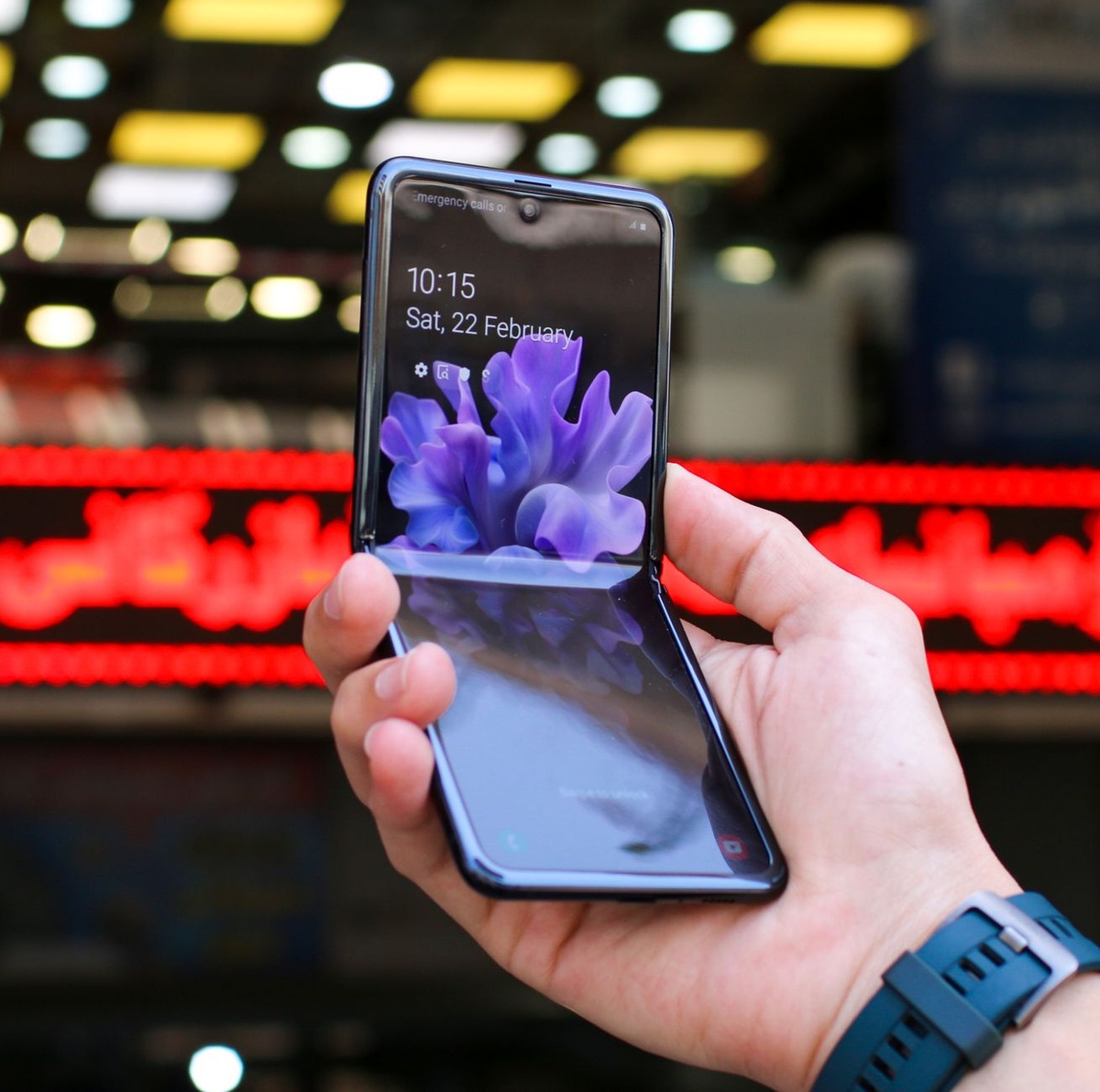
Samsung’s upcoming Galaxy Z Fold 8 Ultra is already shaping up to be the most ambitious foldable of summer 2026 — and now new leaks suggest it’s getting a couple of unique, Ultra-only colors. That might sound cosmetic, but for frequent travelers, color options, materials, and model differentiation matter more than you think.
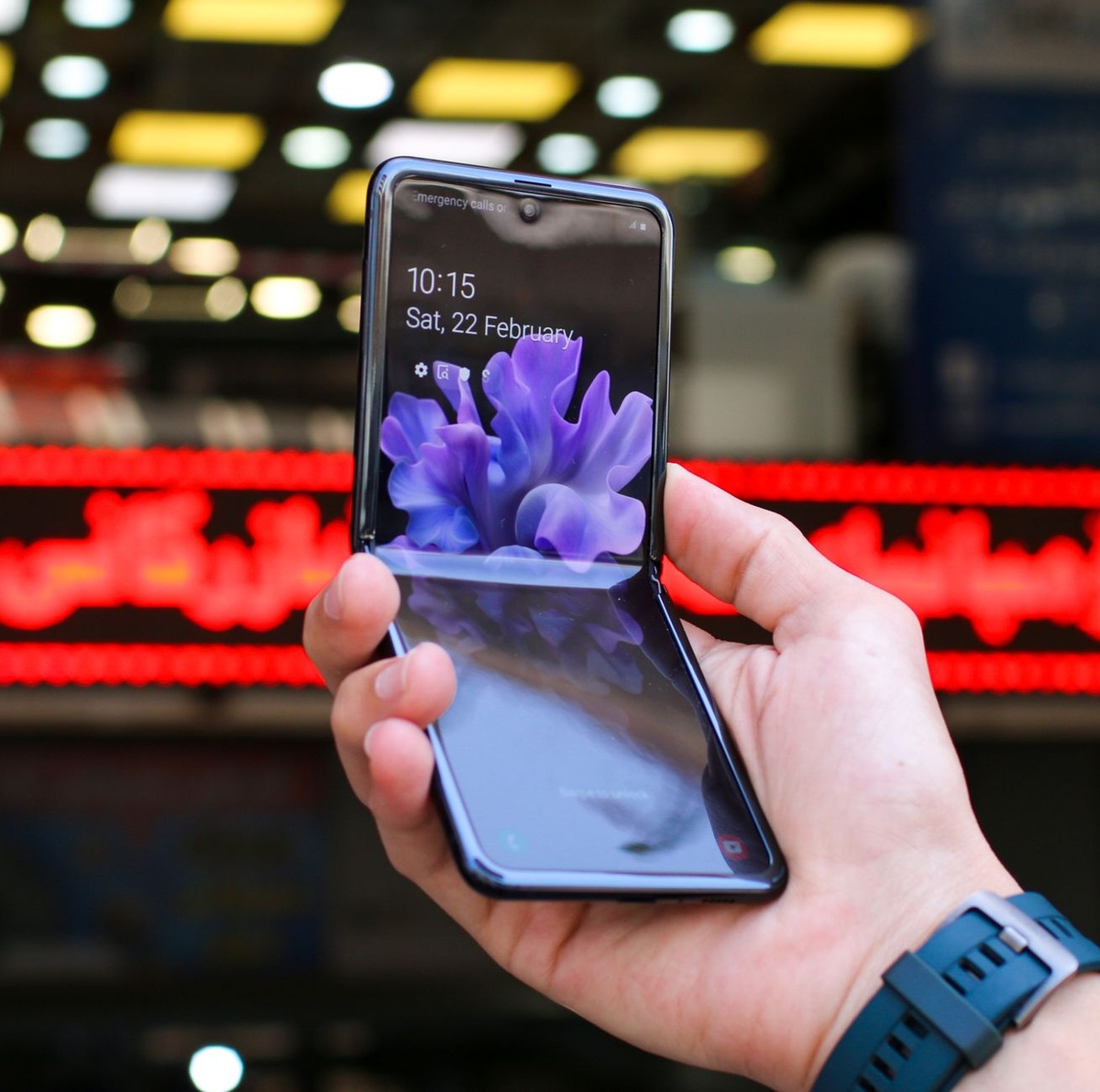
If you’re working remotely from a beach in Portugal, hopping between Tokyo and Osaka, or road-tripping under Iceland’s midnight sun, your phone is your boarding pass, camera, hotspot, laptop, and backup battery. Here’s what the Galaxy Z Fold 8 Ultra is rumored to bring — and whether it’s worth packing for your next trip.
Key Takeaways
- Galaxy Z Fold 8 Ultra is expected to start at $1,999 with 512GB storage and 16GB RAM.
- Two Ultra-exclusive colors (rumored: Titanium Blue and Sandstone Gold) aim to differentiate it from the standard Fold 8.
- Battery tipped at 4,800mAh with ~9–10 hours real mixed travel use.
- Expected weight around 239g — lighter than Fold 6 but still heavier than a standard phone.
- Launch likely July 2026, just in time for peak summer travel season.
What’s Leaking: Colors, Specs, and Positioning
According to supply-chain leaks, Samsung plans to split the Fold line more clearly this year: a standard Galaxy Z Fold 8 and a premium Galaxy Z Fold 8 Ultra.
The Ultra is rumored to get two exclusive finishes — likely a matte Titanium Blue and a lighter Sandstone Gold. These wouldn’t just be paint jobs; early details suggest upgraded frame materials, possibly titanium alloy instead of standard Armor Aluminum.
Why this matters when you’re traveling: Titanium frames resist scratches better when your phone shares a backpack with metal water bottles, camera lenses, and airport tray chaos. Cosmetic durability becomes resale value when you upgrade next year.
Expected Specs (And What They Mean on the Road)
Here’s what’s currently expected for the Galaxy Z Fold 8 Ultra:
- Main display: 7.9-inch AMOLED, 120Hz, ~2,600 nits peak brightness
- Cover display: 6.5-inch AMOLED, 120Hz
- Processor: Snapdragon 8 Gen 5 for Galaxy
- RAM: 16GB
- Storage: 512GB / 1TB
- Battery: 4,800mAh
- Charging: 45W wired, 25W wireless
- Weight: ~239g
- Price: Estimated $1,999 (512GB)
Why this matters when you’re traveling: That 2,600-nit brightness is crucial under direct Mediterranean or Southeast Asian summer sun. Many phones wash out at the beach — this shouldn’t.
The 16GB RAM also matters more than it sounds. Running Google Maps, a translation app, Chrome with 15 tabs, Lightroom, and an eSIM manager at once is normal when navigating a new country. Less RAM = reloads = frustration at the train station.
Battery Life: Can It Survive a 14-Hour Travel Day?
Based on chipset efficiency gains and battery size, realistic mixed-use battery life should land around:
- 9–10 hours screen-on time
- 14–16 hours mixed travel day (maps, camera, hotspot, messaging)
- About 5 hours of continuous 5G hotspot use
On a long-haul day — airport at 6 a.m., navigation, hotspot for your laptop, food photos, boarding passes — you’ll likely hit 20% by early evening.
Traveler tip: Bring a 20,000mAh power bank (around $39, 350g). With 45W charging, the Fold 8 Ultra should hit 50% in roughly 25 minutes — enough for a full afternoon.
If you rely heavily on mobile data abroad, pairing this with a strong eSIM plan matters more than raw battery. We saw dramatic speed differences when testing options in Japan — our 30-day Tokyo and Kyoto eSIM comparison showed Ubigi averaging 187 Mbps vs 92 Mbps on budget plans. Faster data = less screen-on time = better battery.
Is the Ultra Actually Better for Remote Work?
This is where the Fold 8 Ultra makes a serious case.
Unfolded, the 7.9-inch display is effectively a small tablet. In real-world travel scenarios:
- You can edit Google Docs in split screen with reference material.
- Run Slack on one side, Gmail on the other.
- Edit 4K travel footage in LumaFusion-style apps.
At 239g, it’s heavier than a 172g Galaxy S26, but dramatically lighter than carrying a 1.2kg laptop everywhere.
Why this matters when you’re traveling: On a summer island trip, you may not want to carry a backpack daily. The Fold can replace a laptop for light work sessions at cafés or beach bars.
If you’re planning a European food-market hopping trip — like the ones we mapped in our guide to Europe’s best food markets for a DIY picnic — editing photos and planning routes on a bigger screen is genuinely more comfortable.
Camera Expectations: Good Enough to Skip a Mirrorless?
Leaks suggest:
- 200MP main sensor (similar class to S-series Ultra)
- 12MP ultrawide
- 10MP 3x telephoto
- Under-display internal selfie camera improvements
If Samsung brings its latest computational photography tuning, you can expect:
- Sharp daylight images with strong HDR
- Solid night mode performance (usable handheld city shots)
- 4K 60fps stabilized video
Why this matters when you’re traveling: If you’re carrying a 239g foldable that shoots near-flagship quality, you may skip a 600g mirrorless camera for casual trips. That’s meaningful weight savings in a 7kg carry-on.
Serious photographers should still bring dedicated gear. But for 80% of travelers, this likely replaces a second device.
Fold 8 vs Fold 8 Ultra: Which Should Travelers Buy?
Early info suggests the regular Fold 8 could start around $1,799 with 12GB RAM and 256GB storage.
Here’s my take:
- Buy the Ultra if: You work remotely, shoot lots of video, or keep phones 3+ years.
- Buy the regular Fold 8 if: You want the foldable experience but don’t need 16GB RAM or exclusive finishes.
- Skip both if: You rarely multitask and mostly use social apps — a $999 flagship slab phone is more practical.
Why this matters when you’re traveling: Storage fills fast on extended trips. A 4K video minute can take 400–600MB. On a 3-week Asia trip covering both Tokyo and Osaka, you could easily shoot 150GB+ of footage. Starting at 512GB is safer.
Durability: Still the Big Question
Foldables have improved, but sand and hinges are natural enemies.
Expected improvements include:
- Stronger hinge structure
- Better dust resistance (possibly IP58 or improved sealing)
- Upgraded ultra-thin glass
Why this matters when you’re traveling: Summer means beaches. Fine sand in Greece, Portugal, or Thailand can ruin a hinge. If you’re beach-hopping, use a pouch and avoid unfolding near wind.
Also consider insurance. Samsung Care+ for foldables typically runs about $13–$18/month in the U.S. One screen replacement without coverage can exceed $500.
Color Psychology: Not Just Aesthetic
The rumored Titanium Blue and Sandstone Gold aren’t random.
Lighter finishes hide fingerprints better. Matte textures reduce glare under harsh sun. Dark glossy phones heat up faster on café tables in 32°C weather.
Why this matters when you’re traveling: A cooler-running phone preserves battery health. Heat accelerates degradation — especially during summer road trips where devices sit on dashboards for navigation.
If the Ultra truly uses titanium, expect slightly improved scratch resistance but similar dent risk compared to aluminum.
Connectivity: eSIM, 5G Bands, and Global Use
Samsung’s recent Ultra models support dual eSIM plus physical SIM. Expect the same here.
For travelers, that means:
- Keep your home SIM active for banking SMS.
- Install a regional eSIM before landing.
- Switch data profiles in seconds.
5G band support should remain broad: sub-6GHz global compatibility and mmWave in the U.S.
Why this matters when you’re traveling: Buying a local SIM in Japan might cost $25 for 20GB. An international eSIM can cost $45–$49 for similar data — 2x the price — but saves airport time. Choose convenience or savings depending on your trip style.
Should You Wait for It?
If you’re traveling July through September 2026, the Fold 8 Ultra will likely launch right at peak season.
Preorders may include:
- Free storage upgrade (512GB for price of 256GB equivalent tier)
- $100–$200 Samsung credit
- Enhanced trade-in bonuses
Why this matters when you’re traveling: If your current phone struggles with heat, battery, or storage, upgrading before a 3-week summer trip makes sense. Mid-trip upgrades are painful.
Traveler Verdict
The Galaxy Z Fold 8 Ultra looks like Samsung finally treating the Fold as a true productivity flagship, not just a novelty.
At an expected $1,999, it’s expensive. But if it replaces your tablet, light laptop, compact camera, and e-reader on long trips, the value equation changes.
Buy it if you’re a digital nomad, travel creator, or heavy multitasker.
Skip it if you mainly scroll social media and take occasional photos. A standard flagship at half the price will travel just as well — and weigh less.
For summer 2026 travelers juggling work, content, and constant movement, the Fold 8 Ultra could be the most versatile single device you carry.
Frequently Asked Questions
How much will the Galaxy Z Fold 8 Ultra cost?
The expected starting price is around $1,999 for the 512GB model with 16GB RAM. Higher 1TB configurations could reach $2,199 depending on region.
Is the Galaxy Z Fold 8 Ultra good for travel photography?
With a rumored 200MP main sensor and 4K 60fps video, it should handle 90% of travel photography needs. Serious photographers may still prefer a dedicated camera for zoom and low-light flexibility.
How long does the Fold 8 Ultra battery last on a travel day?
Expect 14–16 hours of mixed use including maps, photos, and messaging, or about 9–10 hours of screen-on time. Heavy hotspot use can drain it in about 5 hours.
Is a foldable durable enough for beach trips?
Newer folds are more durable, but sand remains a risk. Use a protective pouch and avoid unfolding near wind or loose sand to prevent hinge damage.

About the Author: Tomáš Bzirský
Founder and editor of Distratech. Based in the Czech Republic, travelling regularly from Central Europe. Writes practical travel guides and travel-tech comparisons (eSIM, apps, airports) in six languages.