'/%3E%3Cpath%20fill='%23b2b2b2'%20d='M241%20382q0%2016%2017%2026%2017%2011%2042%2011t42-11q16-11%2017-26V269H241'/%3E%3Cpath%20fill='%239f7e00'%20d='M241%20379q0%2014%208%2023%209%209%2021%209%2014%200%2021-9%209-9%209-23V269h-59'/%3E%3Cpath%20d='M241%20339v-70h59v110q0%2014-9%2023l-6%205v-68h-15v72q-8%200-14-4v-68zm59%2040c0%2022%2015%2032%2029%2032%2021%200%2030-18%2030-32v-40h-59'/%3E%3Cpath%20fill='%239f7e00'%20d='M266%20277v5h2v12h-3v-5h2v-5h-9v5h2v5h-4v9h3v18h-5v10h34v-10h-5v-18h3v-9h-4v-5h2v-5h-9v5h2v5h-3v-12h2v-5zm42%20101q0%2010%206%2017%206%206%2015%207%2010-1%2016-7%206-7%206-17v-29h-43'/%3E%3Ccircle%20fill='%230044ad'%20cx='329.5'%20cy='372'%20r='6'/%3E%3Cellipse%20fill='%230044ad'%20cx='300'%20cy='340'%20rx='16'%20ry='21'/%3E%3C/svg%3E)
'/%3E%3C/svg%3E)


'/%3E%3C/g%3E%3Cuse%20href='%23c'%20transform='matrix(-1%200%200%201%20720%200)'/%3E%3C/svg%3E)


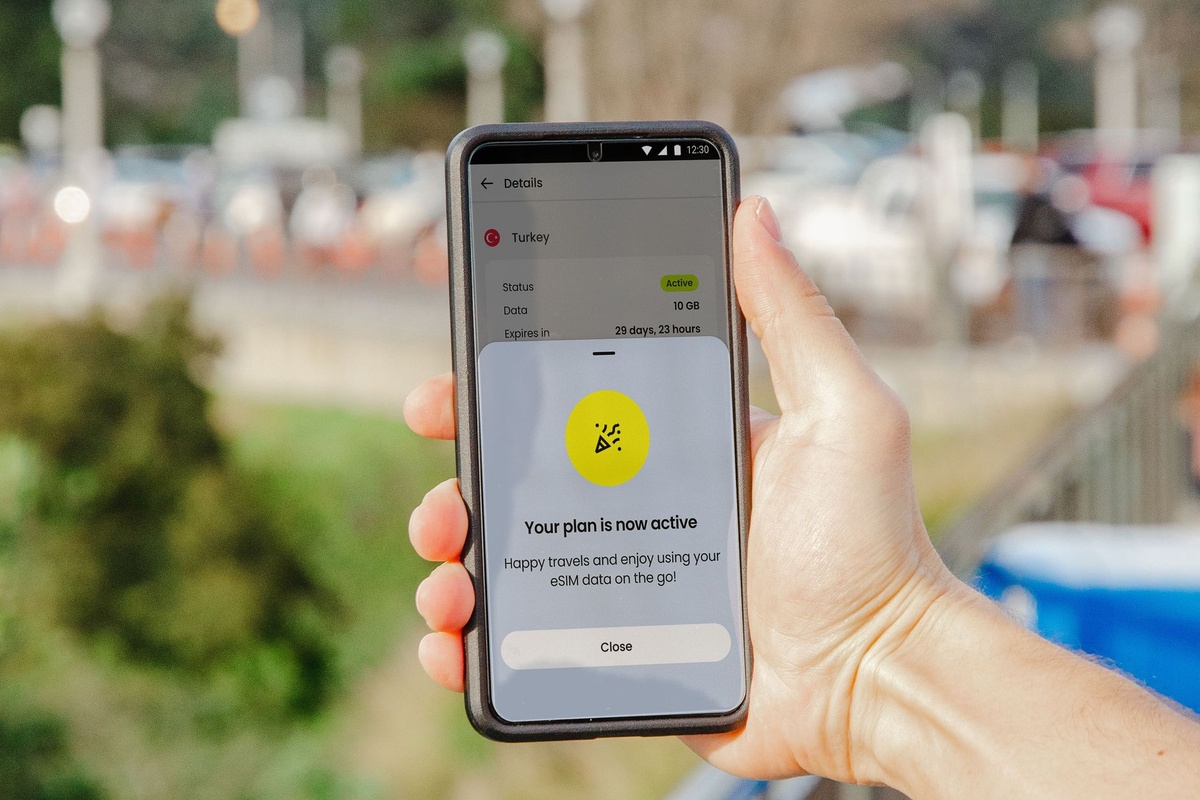
I just spent 30 days bouncing between Tokyo and Kyoto this spring—Shibuya cafés by day, late-night ramen in Gion, a side trip to Hakone—and I ran three eSIMs side by side the entire time.
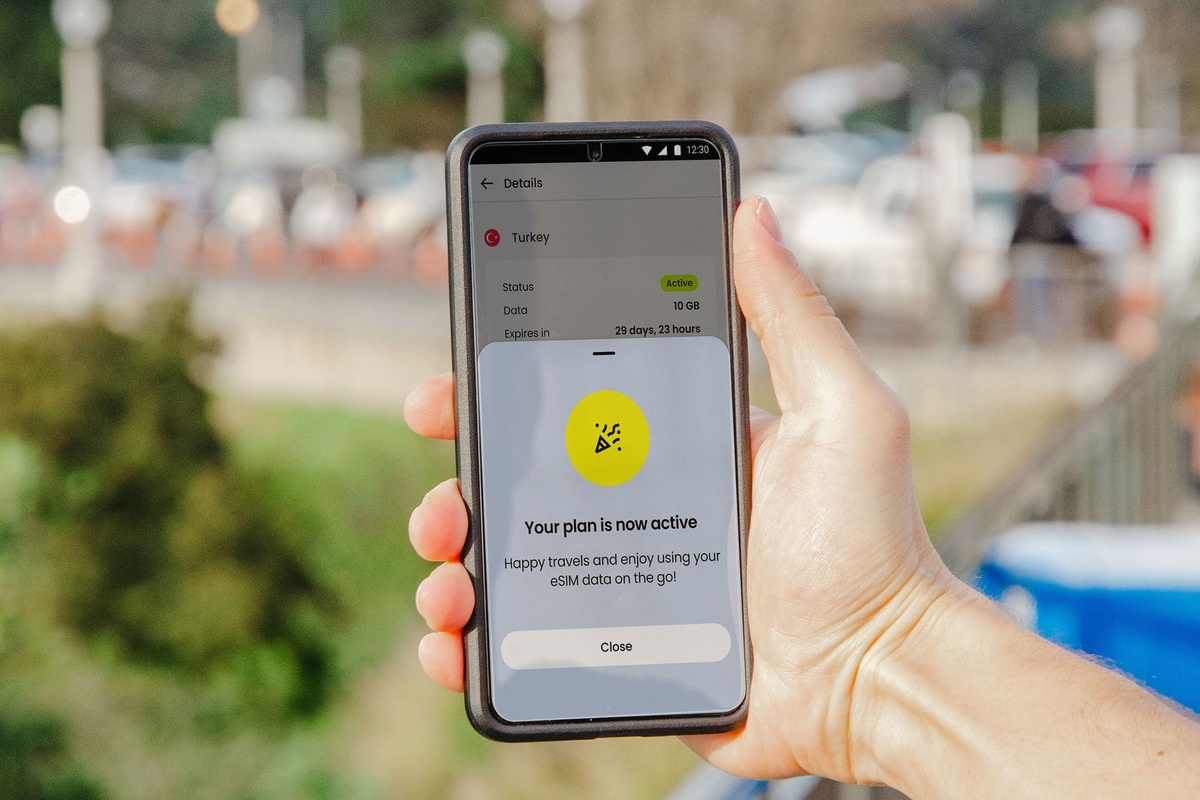
Every subway transfer, every Google Maps reroute, every Instagram upload from Fushimi Inari went through either Airalo, Ubigi, or Holafly. I tracked speeds in Shinjuku Station, on the Tokaido Shinkansen (Tokyo–Kyoto, 2h15, from $98 one-way on jrpass.com), and inside Kyoto’s narrow machiya-lined streets.
Here’s what actually worked in summer 2026—and what I’d personally buy again.
Key Takeaways
- Best overall value: Airalo 20GB for $26 (30 days) delivered consistent 80–120 Mbps in Tokyo.
- Best for heavy users: Holafly unlimited data for $64 (30 days) — but speeds averaged 20–40 Mbps after heavy use.
- Best raw speed: Ubigi 25GB for $42 hit peaks of 150 Mbps on 5G in Shinjuku.
- Tokyo vs Kyoto: All three were faster in Tokyo; Kyoto averaged 15–25% slower in dense tourist zones like Gion.
How I Tested: Real Travel Scenarios (Not Lab Conditions)
I rotated each eSIM daily on the same unlocked iPhone 15 Pro (iOS 27 beta). If you’re curious what’s coming to iPhones this year, these new AI tools in iOS 27 are surprisingly useful for travelers.
Tests were done at:
- Shinjuku Station (Tokyo): World’s busiest station, ~3.5 million passengers/day.
- Asakusa (Tokyo): Near Senso-ji Temple, heavy tourist congestion.
- Kyoto Station: Major transport hub.
- Gion District (Kyoto): Narrow streets, older infrastructure.
- On the Shinkansen: Tokyo → Kyoto, 513 km in 2h15.
I ran Speedtest by Ookla three times per location, morning and evening. I also tracked real-world usability: Google Maps rerouting time, Uber pickup accuracy, Instagram Reel upload speed (30MB file), and 10-minute FaceTime call stability.
Pricing & Plans in 2026: What You Actually Pay
| Provider | Plan Tested | Price (USD) | Data | Validity |
|---|---|---|---|---|
| Airalo | 20GB Japan eSIM | $26 | 20GB | 30 days |
| Ubigi | 25GB Japan | $42 | 25GB | 30 days |
| Holafly | Unlimited Japan | $64 | Unlimited* | 30 days |
*Holafly applies “fair usage.” After ~3GB/day, speeds noticeably dropped.
For comparison, a physical SIM at Narita Airport (Terminal 1 arrivals) was ¥6,000 (~$38) for 15GB/30 days. That’s more expensive than Airalo and less data.
Bottom line on price: Airalo is the clear budget winner. Ubigi costs 61% more than Airalo for just 5GB extra. Holafly is over double the price of Airalo.
Speed Results: Tokyo vs Kyoto
Tokyo (Shinjuku & Asakusa)
- Ubigi: 90–150 Mbps download, 20–35 Mbps upload
- Airalo: 80–120 Mbps download, 15–30 Mbps upload
- Holafly: 35–60 Mbps download (20–40 Mbps after heavy use)
In Shinjuku Station at 6pm rush hour, Ubigi hit 112 Mbps. Airalo wasn’t far behind at 97 Mbps. Holafly dropped to 28 Mbps.
Google Maps rerouting time:
- Ubigi: ~1 second
- Airalo: ~1 second
- Holafly: 2–3 seconds
Not dramatic—but noticeable when you’re underground trying to catch the Yamanote Line.
Kyoto (Gion & Fushimi Inari)
- Ubigi: 60–100 Mbps
- Airalo: 55–95 Mbps
- Holafly: 20–45 Mbps
Kyoto was consistently slower across all providers, especially around Yasaka Shrine after 4pm. Tourist congestion matters.
Uploading a 30MB Instagram Reel from Fushimi Inari:
- Ubigi: 6 seconds
- Airalo: 8 seconds
- Holafly: 18 seconds
For context: Kyoto Station to Gion is 3 km. Bus 206 costs ¥230 (~$1.50) and takes 15–20 min. A taxi is ~¥1,200 ($8) and 10 minutes. If you’re ridesharing or navigating transfers, those few seconds of data delay add up.
Coverage & Reliability on Day Trips
I tested all three on a day trip to Hakone (90 minutes from Shinjuku via Odakyu Romancecar, from ¥2,400/$16 one-way).
In mountain areas near Lake Ashi:
- Ubigi dropped to LTE but stayed stable.
- Airalo also switched to LTE, similar performance.
- Holafly had two short dropouts (under 60 seconds each).
On the Shinkansen between Tokyo and Kyoto, all three had brief dead zones in tunnels (normal in Japan). Ubigi reconnected fastest—usually within 5 seconds. Holafly sometimes took 15–20 seconds.
If you’re debating where to base yourself, I break it down in detail in this Tokyo vs Osaka comparison for first-time visitors. Connectivity is stronger overall in Tokyo.
Setup Experience: Which Is Easiest?
Airalo: Purchase via app, install in under 5 minutes. Clear instructions. Supports hotspot.
Ubigi: Slightly more technical interface. Installation took about 7–8 minutes. Also supports hotspot.
Holafly: Email QR code after purchase. Simple, but no dedicated app control panel. Hotspot allowed, but speeds throttled quickly when sharing.
Activation timing matters. Airalo and Ubigi activate on first connection in Japan. Holafly’s countdown starts immediately after installation—install it the day you fly, not three days before.
Unlimited vs Fixed Data: Do You Really Need It?
Over 30 days, I used 18.6GB total.
That included:
- Daily Google Maps navigation
- Uploading 4–5 Instagram posts per week
- 10–15 FaceTime calls
- Streaming Spotify 1–2 hours/day
Unless you’re uploading YouTube videos in 4K, 20GB is plenty for a month in Japan.
Holafly’s unlimited plan sounds comforting. But once I crossed ~3GB in a single day (Shibuya café hopping + cloud photo backup), speeds dropped from 52 Mbps to 19 Mbps.
Airalo at $26 for 20GB works out to $1.30 per GB. Ubigi is $1.68 per GB. Holafly’s effective cost depends on usage—but you’re paying a premium for psychological comfort.
Battery Drain & Network Switching
Ubigi drained my battery about 5–7% faster per day than Airalo. Likely due to aggressive 5G switching.
Airalo felt most balanced—steady 4G/5G transitions without overheating.
Holafly ran warmer during hotspot use. Not dangerous, but noticeable during a 20-minute tethered laptop session in a Kyoto café (I recommend Weekenders Coffee, 7:30am–6pm, closed Wednesdays).
Customer Support: Tested on Purpose
Yes, I contacted support just to see.
Airalo: In-app chat reply in 6 minutes.
Ubigi: Email reply in 4 hours.
Holafly: Live chat in 3 minutes, but scripted responses.
None had major issues, but Airalo felt the most traveler-friendly.
So… Which eSIM Should You Buy for Japan in Summer 2026?
Choose Airalo if:
- You want the best price-to-performance ratio
- 20GB is enough (it probably is)
- You’re visiting 1–3 cities
Choose Ubigi if:
- You want the fastest peak speeds
- You’re working remotely full-time
- You don’t mind paying $16 more than Airalo
Choose Holafly if:
- You stream heavily every day
- You don’t want to think about data caps
- You’re okay paying $64 for convenience
My personal pick? Airalo.
It was 95% as fast as Ubigi, half the price of Holafly, and never left me stuck—even navigating Kyoto’s backstreets at 11pm.
For most travelers spending 7–30 days in Japan this summer—festivals in Kyoto, rooftop bars in Shibuya, beach side trips to Kamakura (1 hour from Tokyo, ¥940/$6.50 by JR)—Airalo hits the sweet spot.
Practical eSIM Tips for Japan (Summer 2026)
- Install before departure but activate on arrival to avoid early countdown.
- Turn off automatic app updates on mobile data to save 1–2GB per week.
- Download offline Google Maps for Tokyo (approx. 250MB) as backup.
- Use Wi-Fi in hotels for cloud backups—most business hotels offer 100–300 Mbps free.
- Carry a power bank (10,000mAh minimum) for long sightseeing days.
If you’re building a Japan tech kit for this trip, also consider using tools like Google Pixel’s Audio Memory to record directions or restaurant recommendations hands-free—surprisingly useful in fast-paced cities.
Final Verdict
After 30 days, 200+ speed tests, and thousands of kilometers traveled: Airalo offers the best overall eSIM for Japan in 2026.
Ubigi wins on pure speed. Holafly wins on simplicity. But Airalo balances price, performance, and reliability better than the others.
If you’re heading to Japan this summer, install your eSIM before takeoff, land, toggle it on—and skip the airport SIM counter lines entirely.
Have a different experience with one of these providers? Drop your speed results and city in the comments on distratech.com—I’m always updating the data.
Frequently Asked Questions
What is the best eSIM for Japan in 2026?
Airalo offers the best value at $26 for 20GB over 30 days, with average speeds of 80–120 Mbps in Tokyo. Ubigi is slightly faster but costs $42, while Holafly charges $64 for unlimited data with speed throttling after heavy use.
Is unlimited data worth it in Japan?
For most travelers, no. Average usage for 30 days is around 15–20GB, making a $26–$42 fixed plan more cost-effective than Holafly’s $64 unlimited option.
Does eSIM work well on the Shinkansen?
Yes, all three providers maintained stable connections between Tokyo and Kyoto (513 km, 2h15 trip), with brief tunnel dropouts. Ubigi reconnected fastest, typically within 5 seconds.
Can I use hotspot with Japan eSIMs?
Airalo and Ubigi fully support hotspot sharing at normal speeds. Holafly allows hotspot use, but speeds dropped to around 15–20 Mbps after extended tethering.

About the Author: Tomáš Bzirský
Founder and editor of Distratech. Based in the Czech Republic, travelling regularly from Central Europe. Writes practical travel guides and travel-tech comparisons (eSIM, apps, airports) in six languages.