'/%3E%3Cpath%20fill='%23b2b2b2'%20d='M241%20382q0%2016%2017%2026%2017%2011%2042%2011t42-11q16-11%2017-26V269H241'/%3E%3Cpath%20fill='%239f7e00'%20d='M241%20379q0%2014%208%2023%209%209%2021%209%2014%200%2021-9%209-9%209-23V269h-59'/%3E%3Cpath%20d='M241%20339v-70h59v110q0%2014-9%2023l-6%205v-68h-15v72q-8%200-14-4v-68zm59%2040c0%2022%2015%2032%2029%2032%2021%200%2030-18%2030-32v-40h-59'/%3E%3Cpath%20fill='%239f7e00'%20d='M266%20277v5h2v12h-3v-5h2v-5h-9v5h2v5h-4v9h3v18h-5v10h34v-10h-5v-18h3v-9h-4v-5h2v-5h-9v5h2v5h-3v-12h2v-5zm42%20101q0%2010%206%2017%206%206%2015%207%2010-1%2016-7%206-7%206-17v-29h-43'/%3E%3Ccircle%20fill='%230044ad'%20cx='329.5'%20cy='372'%20r='6'/%3E%3Cellipse%20fill='%230044ad'%20cx='300'%20cy='340'%20rx='16'%20ry='21'/%3E%3C/svg%3E)
'/%3E%3C/svg%3E)


'/%3E%3C/g%3E%3Cuse%20href='%23c'%20transform='matrix(-1%200%200%201%20720%200)'/%3E%3C/svg%3E)


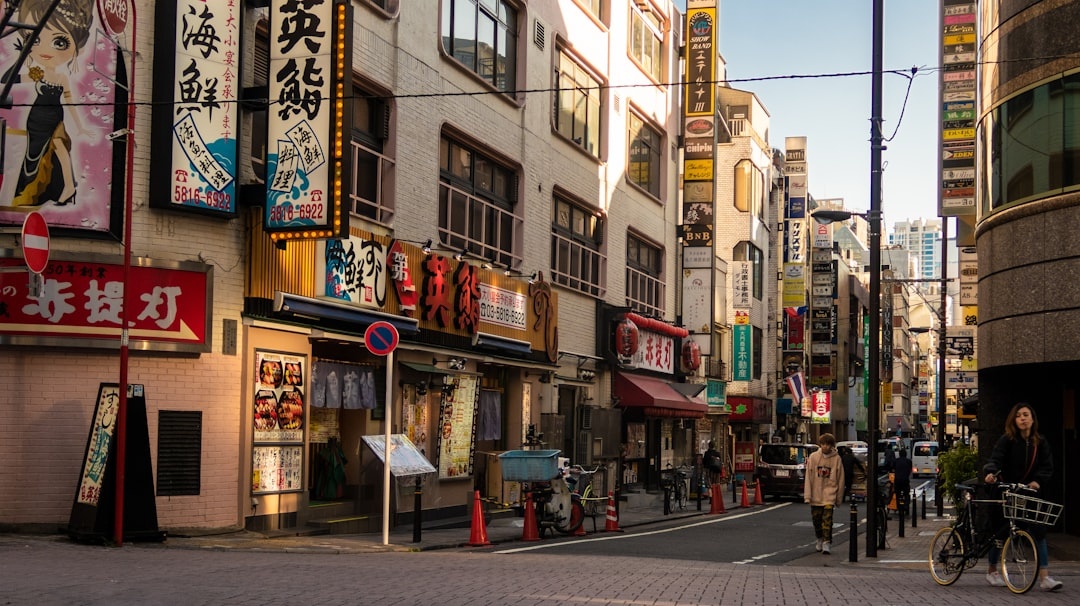
You’ve landed in Japan for the first time. Jet lag is real, your Suica card is loaded, and you’ve got exactly four nights before moving on. The big question: base yourself in Tokyo or Osaka?
Both are world-class cities. But they offer very different first impressions of Japan — and with only four nights, the choice matters.
Key Takeaways
- Tokyo is bigger and more diverse; expect $150–$250/night hotels vs $100–$180 in Osaka for similar quality.
- Osaka is more compact and food-focused; most major sights are within 20–30 minutes by subway.
- Shinkansen between cities takes 2h30 and costs about $95 one way (Nozomi).
- For summer 2026, Tokyo offers bigger festivals; Osaka is closer to Kyoto (15 min, $4 train).
Tokyo vs Osaka at a Glance
| Tokyo | Osaka | |
|---|---|---|
| Population | ~14 million (city) | ~2.7 million (city) |
| Hotel (3–4★ avg/night) | $150–$250 | $100–$180 |
| Main Airport | Haneda (30 min to center, $5 train) | Kansai (45 min, $9 train) |
| Day Trips | Hakone (90 min), Nikko (2 hrs) | Kyoto (15 min), Nara (45 min) |
| Vibe | Futuristic + traditional mix | Foodie + laid-back |
If this is your first-ever trip to Japan and you want the “wow” factor, Tokyo wins on scale. If you want easy navigation and nonstop food, Osaka is less overwhelming.
Now let’s go deeper.
City Experience: Big Bang vs Compact Energy
Tokyo: Controlled Chaos
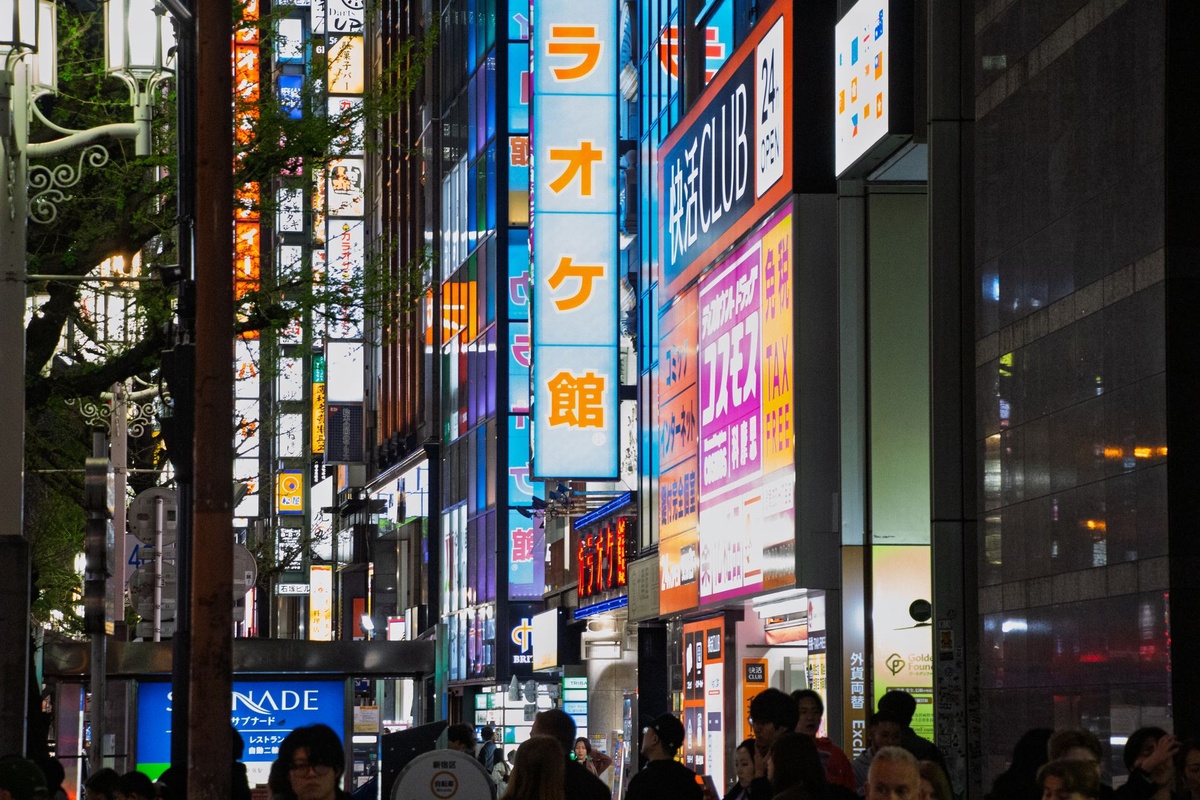
Tokyo is not one city — it’s 20 cities stitched together by trains that run every 2–4 minutes. Shibuya Crossing alone sees up to 3,000 people cross at once during peak times.
Neighborhood contrast is dramatic. Spend the morning at Meiji Shrine (opens sunrise to sunset, free entry), and 10 minutes later you’re in Harajuku eating rainbow cotton candy.
Travel time example: Shinjuku to Asakusa is 30 minutes by JR + metro (~$2.50) vs 25 minutes by taxi for $28. Always take the train.
Osaka: Everything Is Close
Osaka feels human-scale. From Namba to Osaka Castle is 15 minutes on the Chuo Line ($1.80). Most attractions are within a 20-minute radius.
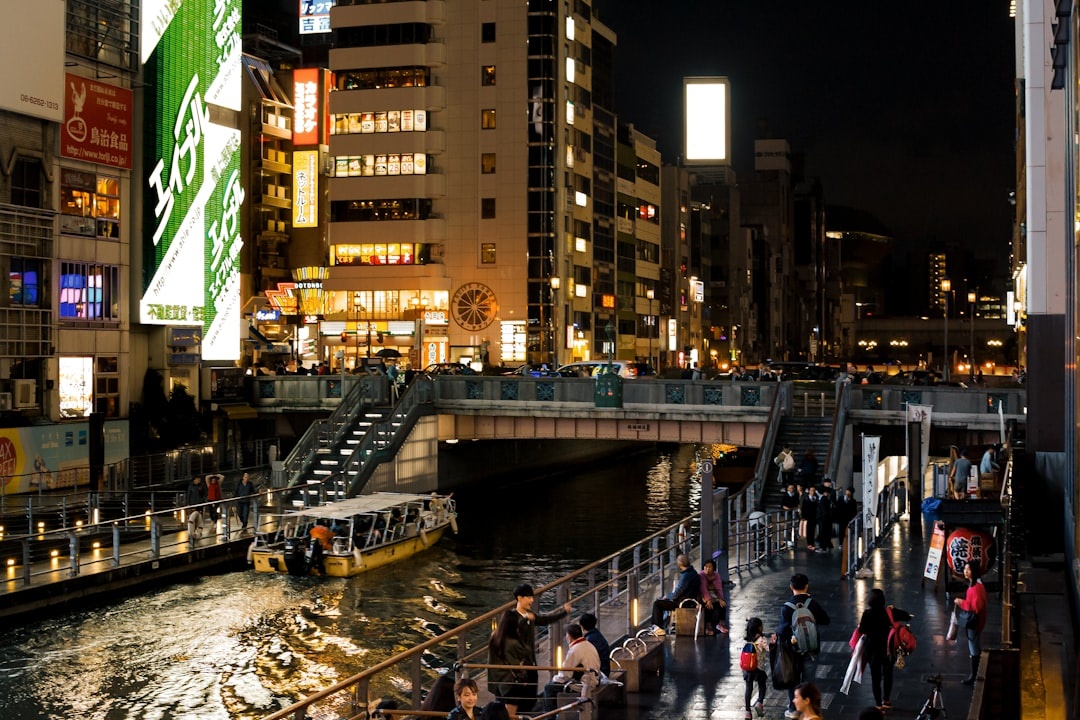
Dotonbori at night is neon chaos — but compact chaos. You can see the Glico sign, eat takoyaki, and be back at your hotel within 2 hours without crossing the city.
First-time travelers often underestimate how refreshing that is after a 12-hour flight.
Food Scene: Sushi Precision vs Street Food Heaven
This is where Osaka punches hard.
Tokyo: Michelin Capital
Tokyo still holds the record for most Michelin-starred restaurants (200+ across categories). You can eat incredible sushi at Sushi no Midori in Ginza for $25–$40 per person — go at 4:30 pm to avoid 90-minute waits.
Ramen at Ichiran is $10–$12 and open 24 hours in Shibuya. Yes, it’s a chain. No, you shouldn’t skip it your first time.
Skip overpriced robot restaurants. Instead, book a small izakaya on Tabelog with 3.5+ stars (that’s excellent by Japanese standards).
Osaka: Japan’s Kitchen
Osaka is known as “Tenka no Daidokoro” (the nation’s kitchen). Street food is the highlight.
- Takoyaki Wanaka: 8 balls for $5
- Okonomiyaki Mizuno: savory pancake ~$14
- Kushikatsu Daruma: skewers $1.50–$3 each
Dotonbori becomes a summer food carnival after 6 pm. Compared to Tokyo, you’ll spend about 20–30% less per meal for similar satisfaction.
If your trip revolves around eating, Osaka wins.
Day Trips: Nature and Culture Access
From Tokyo
Hakone: 90 minutes via Romancecar ($18 one way). Lake views and Mt. Fuji on clear summer mornings (best before 10 am).
Nikko: 2 hours, $10–$20 depending on train. UNESCO shrines in forested hills.
These are beautiful — but require planning and early starts.
From Osaka
Kyoto: 15 minutes by JR Special Rapid, $4. You can visit Fushimi Inari at 7 am and be back in Osaka by lunch.
Nara: 45 minutes, $6. Bowing deer and Todai-ji’s Great Buddha.
This proximity is Osaka’s superpower. You effectively get three iconic cities without changing hotels.
If this is your only Japan trip for years, basing in Osaka gives you more “classic Japan” density per day.
Hotels: Where You’ll Actually Sleep Well
Tokyo Recommendations
Hotel Groove Shinjuku – From $190/night in summer 2026. Modern rooms, 5-minute walk to Shinjuku Station.
Tokyu Stay Ginza – $170/night. In-room washer/dryer (game changer in humid summer).
Capsule hotels? Fun for one night, but skip for all four unless you love tight spaces.
Osaka Recommendations
Cross Hotel Osaka – $150/night, steps from Dotonbori.
Hotel The Flag Shinsaibashi – Around $130/night, minimalist design and excellent breakfast.
On average, Osaka saves you $30–$70 per night for comparable comfort.
Summer 2026 Considerations
Japan in summer is hot and humid. Expect 85–95°F (29–35°C) in both cities.
Tokyo’s scale means more indoor mega-malls (Shibuya Scramble Square, Ginza Six) for AC breaks. Osaka feels slightly more manageable when heat hits.
Festival-wise, Tokyo’s Sumida River Fireworks (late July) is massive. Osaka’s Tenjin Matsuri (July 24–25) includes river processions and fireworks — and is arguably more atmospheric.
Book hotels at least 2–3 months in advance for festival weeks. Prices jump 25–40%.
Tech & Navigation: Which Is Easier?
Both cities are hyper-connected. Google Maps works flawlessly for trains.
For language barriers, I recommend using Google Pixel’s Audio Memory feature to record and summarize directions from hotel staff — surprisingly useful when station exits get confusing.
Tokyo has more complex transfers (multiple subway operators). Osaka’s metro is simpler and easier to grasp in 24 hours.
IC cards (Suica/ICOCA) work in both cities and cost $3 refundable deposit.
So… Where Should You Spend Your First 4 Nights?
Choose Tokyo if:
- You want the iconic skyline, neon, and “Lost in Translation” energy.
- You love massive cities like New York or London.
- This may be your only chance to see Japan’s capital.
Choose Osaka if:
- You want easier logistics and less transit time.
- Food is your main priority.
- You want quick access to Kyoto without hotel-hopping.
Here’s my opinion after sending dozens of first-time travelers to Japan:
If you have only four nights and it’s your first trip ever to Japan, Tokyo edges out Osaka.
The sheer variety — ancient temples, Akihabara arcades, teamLab Borderless (reopened in Azabudai Hills; tickets ~$25), Tsukiji outer market mornings — delivers a broader snapshot of modern Japan.
But if you’re anxious about navigating a mega-city, Osaka will feel friendlier and more digestible.
Smart Compromise Strategy
Fly into Tokyo, spend 4 nights. Then take the Shinkansen to Osaka (2h30, $95) and continue exploring Kansai.
Don’t try to split 2 nights + 2 nights. You’ll waste half a day transferring hotels, and Japan deserves better.
Four nights in one base lets you settle in, beat jet lag, and actually enjoy evenings instead of packing.
Final Verdict
Tokyo is the cinematic introduction. Osaka is the comfort-food introduction.
If you want maximum sensory impact and global-city scale, start in Tokyo. If you want compact ease and culinary focus, start in Osaka.
Either way, book early for summer 2026, download your train apps before landing, and don’t overpack your schedule. Japan rewards curiosity — not rushing.
Planning your route now? Save this guide, compare hotel prices this week, and lock in your base before festival season pushes rates up.
If you’re leaning toward Tokyo for your first four nights, you can browse flexible options with Tokyo hotel deals before you book.
Frequently Asked Questions
Is Osaka or Tokyo better for first-time visitors?
Tokyo offers more variety and iconic sights, while Osaka is easier to navigate and cheaper for food and hotels. For a first-ever trip, Tokyo slightly edges out due to its diversity.
How much does it cost to travel between Tokyo and Osaka?
The Shinkansen (Nozomi) takes about 2 hours 30 minutes and costs around $95 one way. Budget buses cost $25–$40 but take 8–9 hours.
Is 4 nights enough for Tokyo or Osaka?
Yes. Four nights gives you 3 full days plus arrival time, enough for major neighborhoods and one day trip without rushing.
Which city is cheaper, Tokyo or Osaka?
Osaka is generally 15–30% cheaper for hotels and meals. Expect $130/night mid-range hotels in Osaka vs $180+ in central Tokyo.

About the Author: Tomáš Bzirský
Founder and editor of Distratech. Based in the Czech Republic, travelling regularly from Central Europe. Writes practical travel guides and travel-tech comparisons (eSIM, apps, airports) in six languages.