'/%3E%3Cpath%20fill='%23b2b2b2'%20d='M241%20382q0%2016%2017%2026%2017%2011%2042%2011t42-11q16-11%2017-26V269H241'/%3E%3Cpath%20fill='%239f7e00'%20d='M241%20379q0%2014%208%2023%209%209%2021%209%2014%200%2021-9%209-9%209-23V269h-59'/%3E%3Cpath%20d='M241%20339v-70h59v110q0%2014-9%2023l-6%205v-68h-15v72q-8%200-14-4v-68zm59%2040c0%2022%2015%2032%2029%2032%2021%200%2030-18%2030-32v-40h-59'/%3E%3Cpath%20fill='%239f7e00'%20d='M266%20277v5h2v12h-3v-5h2v-5h-9v5h2v5h-4v9h3v18h-5v10h34v-10h-5v-18h3v-9h-4v-5h2v-5h-9v5h2v5h-3v-12h2v-5zm42%20101q0%2010%206%2017%206%206%2015%207%2010-1%2016-7%206-7%206-17v-29h-43'/%3E%3Ccircle%20fill='%230044ad'%20cx='329.5'%20cy='372'%20r='6'/%3E%3Cellipse%20fill='%230044ad'%20cx='300'%20cy='340'%20rx='16'%20ry='21'/%3E%3C/svg%3E)
'/%3E%3C/svg%3E)


'/%3E%3C/g%3E%3Cuse%20href='%23c'%20transform='matrix(-1%200%200%201%20720%200)'/%3E%3C/svg%3E)



The Pacific Coast Highway (Highway 1) looks like the ultimate vanlife fantasy on Instagram: cliffside pull‑outs, empty beaches, a sunset dinner cooked with the doors wide open.
In July? It’s a different story. Peak summer traffic, sold‑out campgrounds, $100+ fines for “just one night,” and 100‑mile stretches with no legal dump station. If you’re planning a campervan trip from San Francisco to Los Angeles in 2026, here’s what actually happens on the ground — and how to avoid expensive mistakes.
Key Takeaways
- Overnight parking fines along PCH range from $75 to $250, with strict enforcement in Malibu, Santa Barbara, and Big Sur.
- Legal coastal campsites cost $35–$60 per night in summer and often book out 2–6 months in advance.
- There are 60–100 mile stretches (Big Sur, north of Santa Cruz) with no public dump stations — plan ahead.
- “Free beach camping” is mostly illegal south of Sonoma County; expect patrols after 10 pm.
- Weekdays reduce traffic time by 30–40% compared to July weekends.
1. Overnight Parking: Where You’ll Actually Get Fined
The biggest myth about campervanning the Pacific Coast Highway? That you can pull over anywhere scenic and sleep.
Technically, you can pull over. You just can’t stay.
Big Sur: $100+ and a Knock at 2 AM
In Big Sur, overnight parking is prohibited outside designated campgrounds. Monterey County enforces it heavily in summer. Fines start around $100 and can climb to $250 if you’re blocking a turnout.
Rangers patrol popular spots like Bixby Bridge, Pfeiffer Beach Road, and Garrapata Bluff after 9–10 pm. July is peak season — expect enforcement every night.
Legal alternative: Pfeiffer Big Sur State Park ($50–$55/night for RVs up to 32 ft). Book via ReserveCalifornia.com. In July, sites are often gone 3–4 months ahead.
Malibu: No Overnight Parking on PCH
Malibu has a blanket ban on overnight parking along PCH from 2 am to 5 am. The fine is typically $75–$150.
Enforcement is aggressive in summer, especially near Zuma Beach and Point Dume. The idea of waking up oceanfront for free here? Not realistic.
Instead, book Leo Carrillo State Park ($45–$60/night). It’s 28 miles northwest of Santa Monica and infinitely less stressful.
Santa Barbara: Residential Zones Are Off-Limits
Santa Barbara limits oversized vehicle parking (over 84 inches wide or 22 feet long) in many neighborhoods between 2 am and 6 am.
Tickets run about $100. Locals report regular enforcement in beachside districts during summer.
Better option: El Capitan State Beach ($45–$55/night) 20 minutes north.
2. The Reality of “Free” Beach Camping in California
If you’re coming from Europe or Australia, you might assume wild beach camping is easy. It isn’t.
California’s coast is tightly regulated, especially south of San Francisco.
Where Free Camping Actually Exists
There are limited legal free options — but rarely right on the beach.
- Los Padres National Forest (inland Big Sur) — Free dispersed camping, but 30–60 minutes from the ocean and often down rough roads.
- Sonoma Coast pull‑outs (north of Jenner) — Some areas allow overnight parking, but check local signage carefully.
- BLM land (far inland) — Free, but not coastal.
Comparison: A “free” pull‑out that risks a $100 fine vs a $50 state park site with bathrooms and legal security. Two nights of gambling and getting one ticket? You’ve already lost money.
Peak Summer Reality (July–August)
July is family travel peak. Coastal campgrounds run at near 100% occupancy on weekends.

If you don’t book, your odds of finding a last‑minute beachfront site on a Friday are close to zero.
Apps like The Dyrt ($36/year Pro version) and Campendium are helpful, but they won’t magically create availability in Big Sur.
3. Dump Station Gaps: The Part No One Plans For
Here’s what surprises first-time PCH van renters: there are long stretches with no public dump station.
If you rent from Escape Campervans in San Francisco and drive south, you’ll hit a 90‑mile stretch between Carmel and San Simeon with extremely limited dump access.
Big Sur Gap
Between Monterey and Morro Bay (roughly 120 miles via Highway 1), dump stations are scarce.
Options (subject to seasonal closures):
- Monterey Fairgrounds – ~$20 dump fee (when open)
- Morro Dunes RV Park – ~$15–$25 for non-guests
- Flying J (Salinas, inland detour) – ~$10–$15
That Salinas detour adds 45–60 minutes round trip compared to staying on Highway 1.
Pro tip: Dump and refill water before entering Big Sur. Don’t assume you’ll find something mid-route.
Water Fill-Ups Are Just as Tricky
Many scenic coastal parks offer no RV hookups. You’ll often get a campsite — but no dump or refill.
Comparison:
| Location | RV Hookups | Dump Station | Nightly Cost (Summer) |
|---|---|---|---|
| Pfeiffer Big Sur SP | No | No public dump | $50–$55 |
| Leo Carrillo SP | No hookups | Yes | $45–$60 |
| Morro Dunes RV Park | Full hookups | Yes | $65–$85 |
If you need full hookups every night, budget for private RV parks — they cost 30–50% more than state parks.
4. Traffic and Drive Times: Instagram vs Reality
Google Maps says San Francisco to Los Angeles via Highway 1 takes about 9–10 hours without stops (440 miles).
In July on a weekend? Plan for 12–14 hours of driving time spread over multiple days.
Weekend vs Weekday Comparison
| Segment | Weekday (July) | Weekend (July) |
|---|---|---|
| SF → Santa Cruz (75 mi) | 1.5 hrs | 2.5–3 hrs |
| Monterey → Big Sur (30 mi) | 1 hr | 2+ hrs |
| Santa Barbara → Malibu (65 mi) | 1.5 hrs | 3 hrs |
One slow RV climbing a cliff section can back up traffic for miles. Passing zones are limited.
Best strategy: drive early (before 9 am) or after 6 pm. Midday is gridlock.
5. The Real Budget of a “Budget” PCH Campervan Trip
Let’s break down what a 5‑day one‑way trip (SF to LA) actually costs in July 2026 for two people.

| Item | Estimated Cost |
|---|---|
| Campervan rental (Escape, 5 days) | $150–$220/day = $750–$1,100 |
| One-way fee | $150–$250 |
| Campgrounds (4 nights @ $50) | $200 |
| Fuel (440 miles, 15 mpg, $4.75/gal) | ~$140 |
| Dump fees + misc. | $30–$50 |
| Total | $1,270–$1,740 |
Compare that to:
- Rental car + motels: $80/day car + $180/night midrange hotels = ~$1,300 total
- Flights SF–LA: $59–$120 one way (1 hr flight) but you miss the coast entirely
Campervan isn’t automatically cheaper. It’s about flexibility and scenery, not savings.
6. How to Do It Smarter (and Avoid the Common Mistakes)
If you still want the vanlife version — and honestly, it’s spectacular when done right — here’s how to make it work.
- Book campsites 3–6 months ahead for July and August via ReserveCalifornia.
- Plan dump stops in advance using iOverlander or RV Dump Stations app.
- Drive north to south — easier coastal pullouts and better views.
- Avoid weekends for major segments, especially Big Sur.
- Stay at least one inland night to cut costs (Paso Robles RV sites from $40).
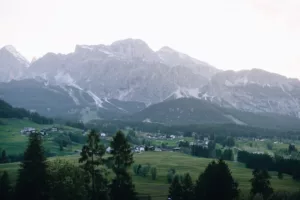
And if your dream is wide‑open, uncrowded summer mountain roads? Honestly, consider alternatives. Europe’s “Alpine Summer” is trending in 2026 precisely because people are avoiding packed coastal hotspots — see why in our breakdown of why Alpine summer is one of Europe’s coolest travel trends.
California’s coast is iconic. It’s just not wild anymore in peak season.
7. Timing Hacks: When It’s Actually Worth It
July is peak everything: families, RV rentals, traffic enforcement, and campground demand.
For fewer fines, easier bookings, and 20–30% lower campervan rates, aim for:
- Late September–October (warm ocean, thinner crowds)
- April–early June (wildflowers, cooler weather)
Midweek in October, you might snag a $45 beachfront campsite that would be impossible in July.
Want stargazing instead of brake lights? Pair a PCH trip in late July with inland camping for early Perseids meteor shower viewing before the August peak — just don’t expect dark skies along the main coastal corridor.
The Bottom Line
Driving the Pacific Coast Highway in a campervan is still one of America’s most beautiful road trips.
But “free beach camping” is mostly fiction, dump stations require strategy, and fines are very real — especially in peak summer.
Plan like a logistics nerd, book early, and treat legal campsites as part of the experience. Do that, and you’ll spend your nights listening to waves instead of arguing with a parking enforcement officer at 2 am.
And if you’re mapping out your next summer escape, compare your options — sometimes the smartest move isn’t the most obvious one.
If you’re wrapping up your Pacific Coast Highway campervan drive in Los Angeles, browse and compare places to stay here: Los Angeles hotels.
Frequently Asked Questions
Can you sleep anywhere in a campervan on the Pacific Coast Highway?
No. Most coastal towns (Malibu, Santa Barbara, Big Sur) prohibit overnight parking outside designated campgrounds, with fines ranging from $75 to $250.
How much do campgrounds cost on the Pacific Coast Highway?
State park campsites typically cost $35–$60 per night in summer 2026, while private RV parks with full hookups range from $65 to $90 per night.
Are there dump stations in Big Sur?
There are very limited public dump stations directly in Big Sur. Most travelers dump in Monterey, Salinas, or Morro Bay, sometimes requiring a 30–60 minute detour.
Is a campervan cheaper than hotels for a PCH road trip?
Not necessarily. A 5‑day July campervan trip for two can cost $1,270–$1,740, similar to renting a car and staying in midrange hotels.

About the Author: Tomáš Bzirský
Founder and editor of Distratech. Based in the Czech Republic, travelling regularly from Central Europe. Writes practical travel guides and travel-tech comparisons (eSIM, apps, airports) in six languages.