'/%3E%3Cpath%20fill='%23b2b2b2'%20d='M241%20382q0%2016%2017%2026%2017%2011%2042%2011t42-11q16-11%2017-26V269H241'/%3E%3Cpath%20fill='%239f7e00'%20d='M241%20379q0%2014%208%2023%209%209%2021%209%2014%200%2021-9%209-9%209-23V269h-59'/%3E%3Cpath%20d='M241%20339v-70h59v110q0%2014-9%2023l-6%205v-68h-15v72q-8%200-14-4v-68zm59%2040c0%2022%2015%2032%2029%2032%2021%200%2030-18%2030-32v-40h-59'/%3E%3Cpath%20fill='%239f7e00'%20d='M266%20277v5h2v12h-3v-5h2v-5h-9v5h2v5h-4v9h3v18h-5v10h34v-10h-5v-18h3v-9h-4v-5h2v-5h-9v5h2v5h-3v-12h2v-5zm42%20101q0%2010%206%2017%206%206%2015%207%2010-1%2016-7%206-7%206-17v-29h-43'/%3E%3Ccircle%20fill='%230044ad'%20cx='329.5'%20cy='372'%20r='6'/%3E%3Cellipse%20fill='%230044ad'%20cx='300'%20cy='340'%20rx='16'%20ry='21'/%3E%3C/svg%3E)
'/%3E%3C/svg%3E)


'/%3E%3C/g%3E%3Cuse%20href='%23c'%20transform='matrix(-1%200%200%201%20720%200)'/%3E%3C/svg%3E)


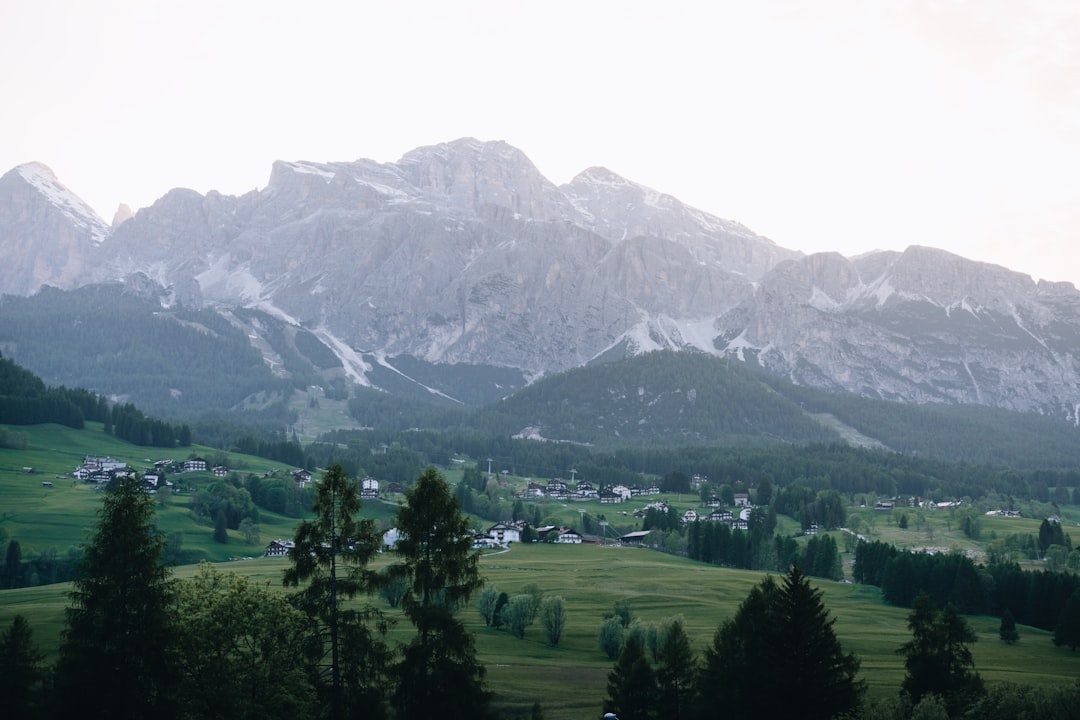
While the Mediterranean is roasting at 38°C (100°F) and Santorini hotel rates are pushing €450 a night, Europe’s smartest travelers are heading uphill. “Alpine summer” — swapping beach crowds for mountain lakes, glacier hikes, and 22°C afternoons — has quietly become one of 2026’s biggest travel shifts.
July is peak season everywhere, but in the Alps, that’s exactly the point. Snow has melted from high trails, cable cars are fully operational, wild swimming season is on, and long daylight (sunset after 9pm in many regions) makes multi-activity days easy. You get crisp air instead of heatwaves — and surprisingly competitive prices compared to coastal hotspots.
Key Takeaways
- Expect daytime temps of 18–24°C in the Alps vs 35°C+ in southern Europe in July.
- Lake swim + cable car day in Austria or Slovenia costs €25–€45 total — less than a beach club day in Ibiza.
- Zurich to Interlaken: 1h55 by train from CHF 52 ($57); Milan to St. Moritz: 2h30 from €29.
- Mid-range alpine hotels average €140–€220/night in July — often half the price of Amalfi or Mykonos.
- Book lifts and panoramic trains 2–4 weeks ahead for July–August weekends.
Why Travelers Are Ditching the Mediterranean for the Mountains
It’s not just about temperature. It’s about value, space, and flexibility.
On the Amalfi Coast this July, a basic double room in Positano averages €420 per night (Booking.com, mid-July search). In contrast, a lake-view room in Zell am See, Austria, runs €190–€230 per night. That’s nearly half the price — with actual breathing room.
Beach clubs in Capri charge €60–€120 per person for a sunbed. In Lake Bohinj (Slovenia), swimming is free, and kayak rentals start at €15 per hour.
And then there’s crowd density. Venice sees over 100,000 daily visitors in peak summer. Compare that to the Engadin Valley in Switzerland, where you can hike 10 km and pass fewer than 30 people on a weekday trail.
If you’re already thinking about lower-impact travel, alpine itineraries pair perfectly with rail routes. We broke down the emissions math in our guide to Interrail vs flights and real CO₂ per route — spoiler: mountain rail loops are some of Europe’s most efficient scenic trips.
3 Alpine Regions Doing Summer Right (With Real Costs)
1. Interlaken & the Jungfrau Region, Switzerland
Best for: Iconic views, glacier access, efficient transport.
Interlaken sits between Lake Thun and Lake Brienz, with turquoise water that rivals the Caribbean — but at 20°C instead of 35°C.
Top experience: Jungfraujoch “Top of Europe.”
- Round-trip ticket from Interlaken: CHF 214 ($235)
- Travel time: 1h30 each way
- Altitude: 3,454 meters
Yes, it’s expensive. But compare that to a €180 boat day in Ibiza plus €40 taxis — similar spend, entirely different experience.
Better value alternative: Harder Kulm viewpoint.
- Funicular: CHF 38 round-trip
- Time: 10 minutes up
- Views: Interlaken + both lakes
Where to stay: Hotel Du Nord (3-star), doubles from CHF 210/night in July. Clean, central, no nonsense.
Skip: Renting a car. Parking runs CHF 15–25/day, and trains connect everything faster.
| Route | Train | Car |
|---|---|---|
| Zurich → Interlaken | 1h55, from CHF 52 | 2h15 + CHF 30 parking |
2. Zell am See & Hohe Tauern, Austria
Best for: Wild swimming + manageable prices.
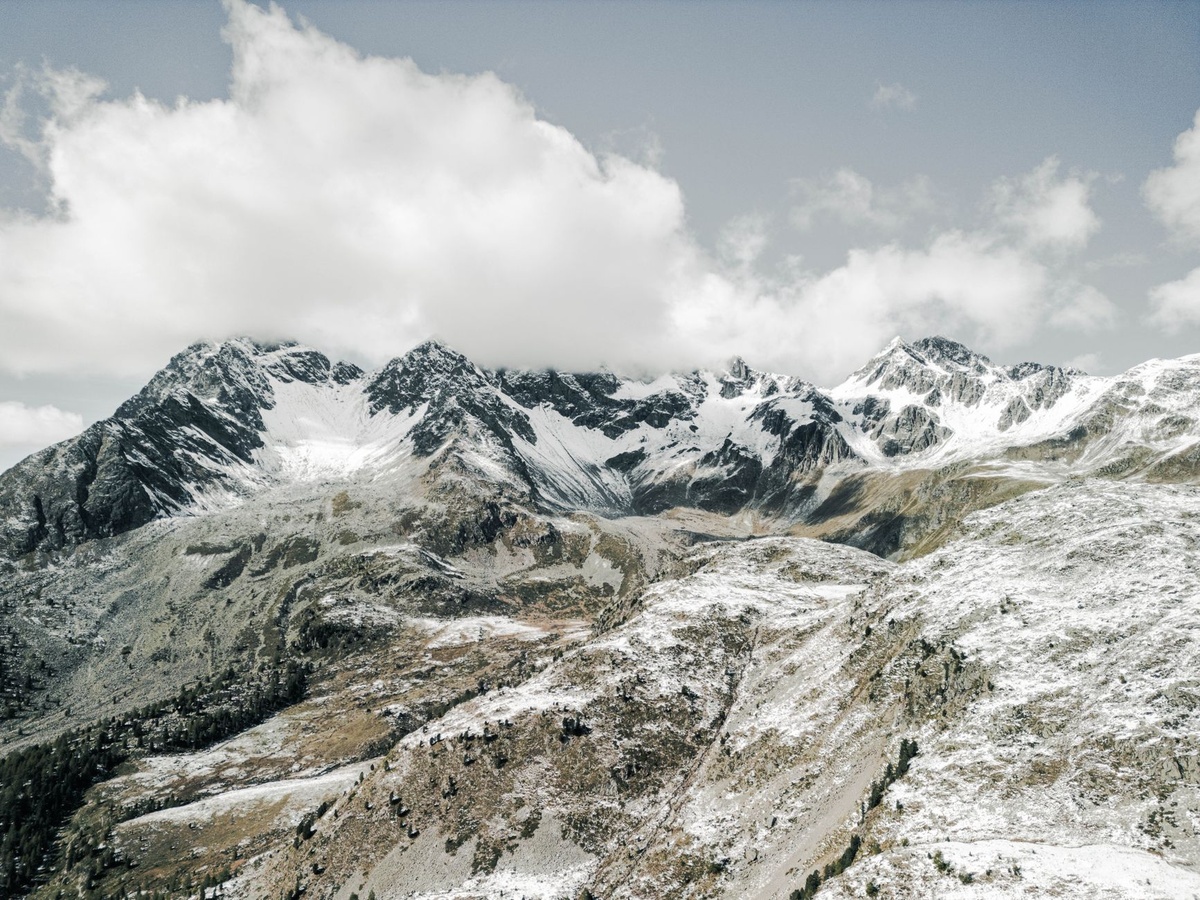
Lake Zell hits 21–23°C in July. You can swim in the morning and hike above 2,000 meters in the afternoon.
Schmittenhöhe cable car:
- €32 round-trip
- Operating hours: 8:30am–5:00pm (summer schedule)
- Panoramic ridge trails included
Compare that to a €70 lift pass in winter — summer is the budget season for the same scenery.
Where to eat: Steinerwirt (traditional Austrian, mains €18–€28). Skip the tourist lakefront pizza spots charging €22 for average pasta.
Stay smart: Guesthouses (Gasthöfe) from €140/night including breakfast. Many include the Zell am See-Kaprun Summer Card, covering select lifts and local transport — easily €20–€40/day in savings.
3. Lake Bled & Lake Bohinj, Slovenia
Best for: Alpine vibe without Swiss prices.
Ljubljana to Lake Bled is 55 minutes by bus, €8 one-way. A taxi costs about €60 and takes the same time — not worth it.
Why Bohinj beats Bled in July: Fewer tour buses, more space to swim, and direct access to Triglav National Park.
- Kayak rental: €15/hour
- Vogel cable car (Bohinj): €28 round-trip
- Guesthouse double room: €120–€170/night
Bled’s island boat ride costs €18–€20. It’s pretty. But if you want actual alpine immersion, Bohinj feels less like a postcard and more like a place.
Alpine Summer Activities That Beat the Beach
Here’s why people aren’t missing the sea.
1. Wild Swimming (Without Salt and Sand)
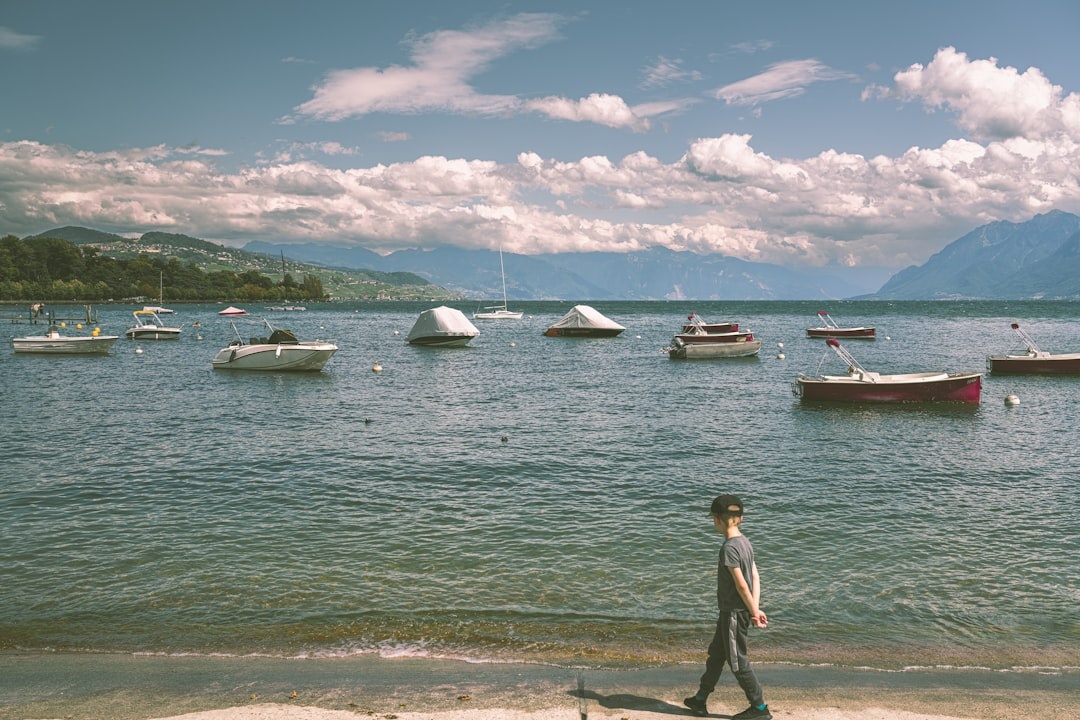
Lake Brienz (Switzerland), Achensee (Austria), and Bohinj (Slovenia) all hit swimmable temperatures by mid-July.
Cost: €0. Compare that to €50–€100/day beach clubs in southern Europe.
2. Via Ferrata & Guided Hikes
Introductory via ferrata tours in Austria cost €75–€110 including gear (4–5 hours). That’s about the same price as a jet ski rental in Mallorca — but you’ll remember this longer.
3. Panoramic Trains
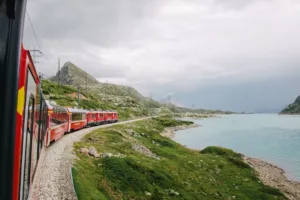
The Bernina Express (Chur to Tirano):
- 4h30 journey
- Seat reservation: CHF 32
- Base fare: from CHF 29 with saver tickets
Milan to St. Moritz regional train (same UNESCO route) costs as little as €29 if booked early via Trenitalia — and you skip the panoramic supplement.
If you’re planning multi-country mountain hopping, read our breakdown of cross-border train comfort and value in this detailed rail comparison. The Milan–Zurich line is particularly scenic in summer.
Tech Tips for Planning an Alpine Summer Trip
Mountain travel rewards preparation.
- Download offline maps. Google Maps and Maps.me both allow full-region downloads. Signal drops above 2,000 meters.
- Check lift webcams before hiking. Most cable car websites (e.g., jungfrau.ch, schmitten.at) have live feeds.
- Use weather apps with altitude detail. MeteoSwiss and ZAMG (Austria) provide mountain-specific forecasts.
- Try voice navigation for road trips. If you’re driving alpine passes like Grossglockner (€38 toll), pairing Apple CarPlay with AI voice tools makes rerouting easier — we tested it here: our road trip tech breakdown.
One major difference from beach travel: thunderstorms build quickly in late afternoon. Plan summit hikes before 2pm.
When to Go (And When to Avoid)
Early July: Best balance of snow-free trails and slightly thinner crowds.
Late July–early August: Peak family travel. Book hotels 4–6 weeks ahead.
Mid-August: Excellent for combining alpine hiking with Perseids meteor shower viewing (peak around August 12). High-altitude lakes offer low light pollution.
Temperatures at 1,000–1,500 meters average 20–24°C in July. At 2,500 meters, expect 10–15°C. Bring layers — even when Rome is melting.
Is Alpine Summer Actually Cheaper? A Quick Comparison
| Expense (per day) | Amalfi Coast | Austrian Alps |
|---|---|---|
| Mid-range hotel | €420 | €190 |
| Lunch | €30–€40 | €18–€25 |
| Main activity | €80 boat tour | €32 cable car |
| Transport | €40 taxis | €0–€10 regional train |
Even Switzerland, often labeled “expensive,” competes surprisingly well when you compare activity value rather than sticker price.
The Verdict: The Alps Are Europe’s Summer Pressure Valve
Alpine summer isn’t a niche hiking trend anymore. It’s a smart response to heatwaves, overtourism, and inflated coastal pricing.
You get cooler air, swimmable lakes, high-altitude views, and better sleep — all without sacrificing infrastructure or comfort.
If July and August are your only travel windows, going up instead of south might be the most strategic move you make this year.
Start with one region — Interlaken, Zell am See, or Bohinj — and build around trains, not cars. Book lifts early, pack layers, and leave the beach club budget behind.
Europe’s coolest trend right now is literally cooler.
Frequently Asked Questions
Is alpine summer in Europe expensive?
Mid-range alpine hotels average €140–€220 per night in July, compared to €350–€500 in hotspots like Amalfi or Mykonos. Activities like cable cars (€25–€40) often cost less than Mediterranean boat tours or beach clubs.
When is the best month for an alpine summer trip?
Early to mid-July offers snow-free trails and slightly fewer crowds. Late July and early August are peak family weeks, while mid-August is ideal for combining hiking with Perseids meteor shower viewing.
Can you swim in alpine lakes in July?
Yes. Lakes like Zell am See, Bohinj, and Lake Brienz reach 20–23°C in July. Swimming is typically free, with optional paid lidos (€5–€10 entry) for facilities.
Do you need a car in the Alps in summer?
Not usually. Regions like Interlaken and Zell am See are well connected by trains and buses. For example, Zurich to Interlaken takes 1h55 by train from CHF 52 — often faster and cheaper than driving and parking.

About the Author: Tomáš Bzirský
Founder and editor of Distratech. Based in the Czech Republic, travelling regularly from Central Europe. Writes practical travel guides and travel-tech comparisons (eSIM, apps, airports) in six languages.