'/%3E%3Cpath%20fill='%23b2b2b2'%20d='M241%20382q0%2016%2017%2026%2017%2011%2042%2011t42-11q16-11%2017-26V269H241'/%3E%3Cpath%20fill='%239f7e00'%20d='M241%20379q0%2014%208%2023%209%209%2021%209%2014%200%2021-9%209-9%209-23V269h-59'/%3E%3Cpath%20d='M241%20339v-70h59v110q0%2014-9%2023l-6%205v-68h-15v72q-8%200-14-4v-68zm59%2040c0%2022%2015%2032%2029%2032%2021%200%2030-18%2030-32v-40h-59'/%3E%3Cpath%20fill='%239f7e00'%20d='M266%20277v5h2v12h-3v-5h2v-5h-9v5h2v5h-4v9h3v18h-5v10h34v-10h-5v-18h3v-9h-4v-5h2v-5h-9v5h2v5h-3v-12h2v-5zm42%20101q0%2010%206%2017%206%206%2015%207%2010-1%2016-7%206-7%206-17v-29h-43'/%3E%3Ccircle%20fill='%230044ad'%20cx='329.5'%20cy='372'%20r='6'/%3E%3Cellipse%20fill='%230044ad'%20cx='300'%20cy='340'%20rx='16'%20ry='21'/%3E%3C/svg%3E)
'/%3E%3C/svg%3E)


'/%3E%3C/g%3E%3Cuse%20href='%23c'%20transform='matrix(-1%200%200%201%20720%200)'/%3E%3C/svg%3E)


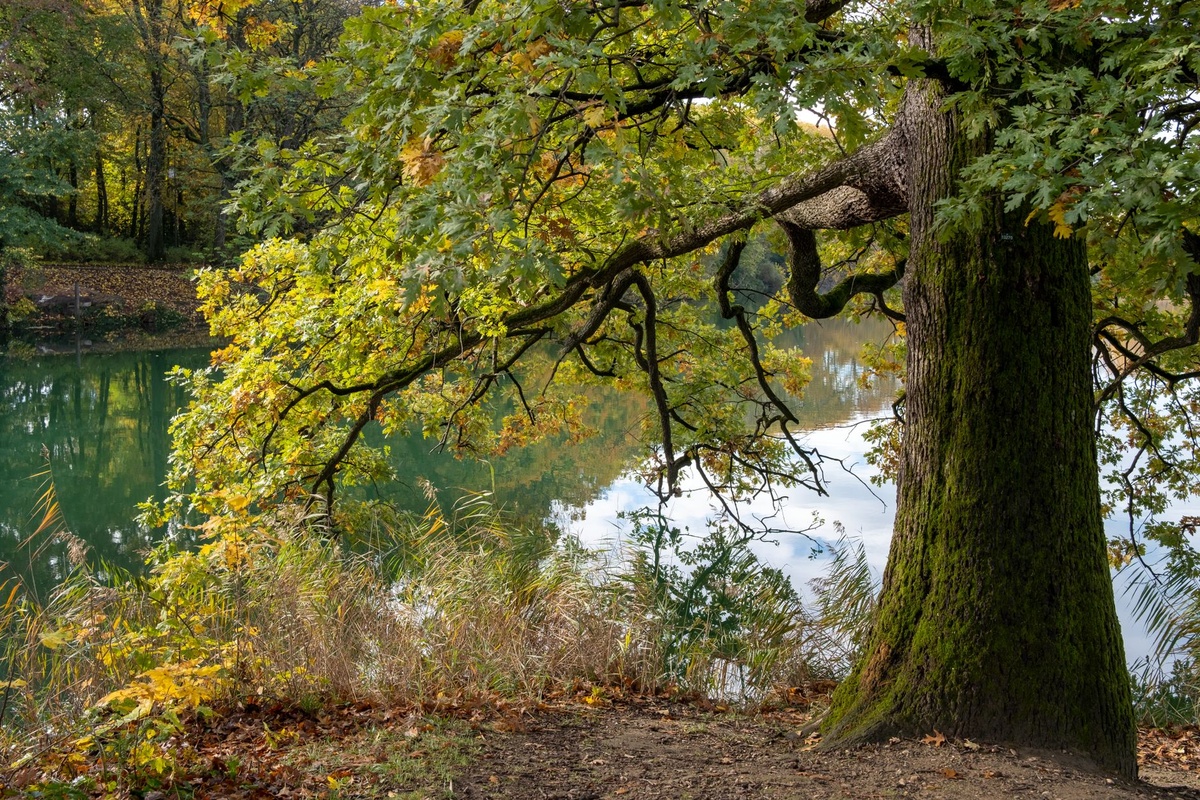
Central Europe in summer is green, wild, and surprisingly affordable. One hour you’re hiking through oak forests that smell like warm resin; the next you’re floating in a shallow steppe lake with reeds brushing your paddleboard.
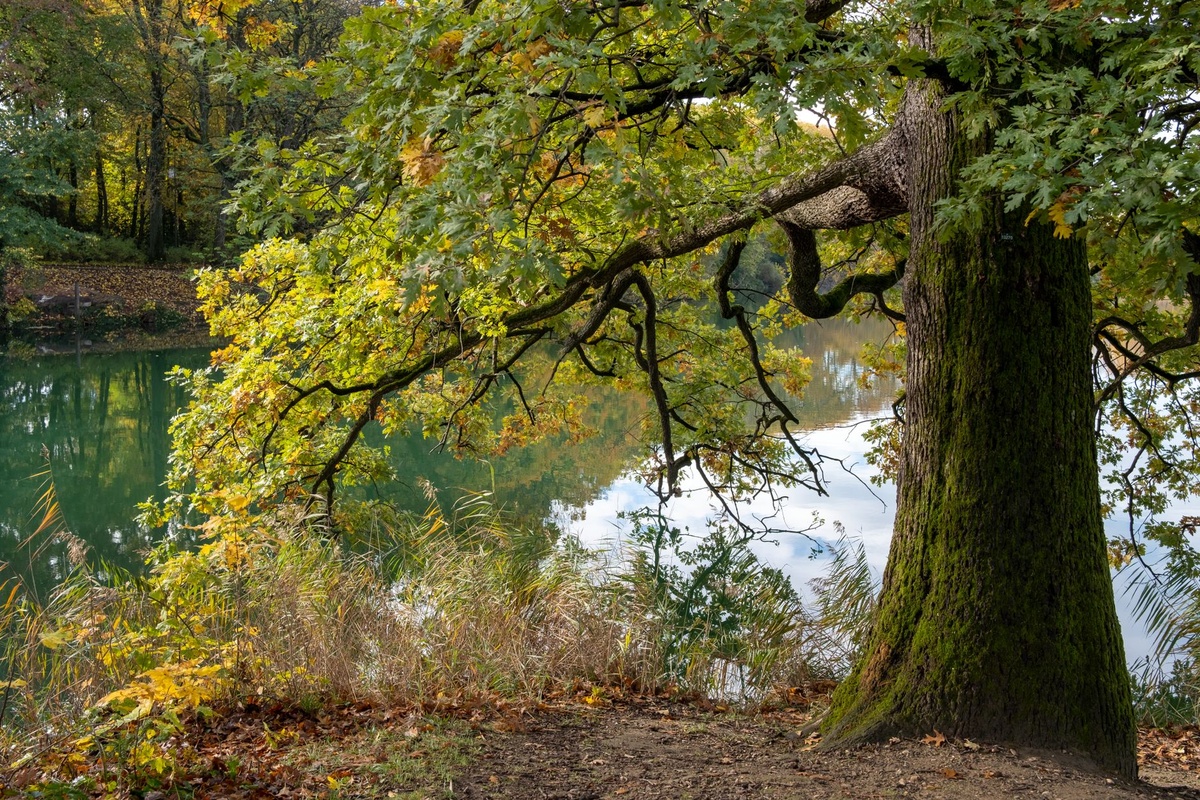
June through August 2026 is shaping up to be hot (expect 28–35°C / 82–95°F in lowlands), festival-packed, and busy on weekends — but still far less crowded than Italy’s coasts or Croatia’s islands. These five destinations give you lakes, forests, wine regions, and big-sky landscapes — without Mediterranean price tags.
Key Takeaways
- Lake Balaton (Hungary) offers beach access for €5–8/day and lakeside rooms from €90/night in July.
- Plitvice Lakes (Croatia) tickets cost €40 in summer — arrive before 8am to avoid 10am–2pm tour bus rush.
- Slovenia’s Lake Bohinj is 30–40% cheaper than Lake Bled for lodging in peak season.
- Neusiedler See (Austria) is Europe’s westernmost steppe lake, with bike rentals from €15/day.
- Białowieża Forest (Poland) bison tours start at €25 for a 3-hour guided walk at dawn.
1. Lake Balaton, Hungary — Central Europe’s Summer Sea
Balaton isn’t subtle. It’s 77 km (48 miles) long, shallow enough to warm up quickly, and lined with retro beach towns, wine hills, and surprisingly good restaurants.
From Budapest, trains to Balatonfüred take 1h30 and cost €8–12 one way via MÁV. Driving is about 1h20 without traffic — but Friday evenings in July can double that.
What to Do
Skip Siófok if you’re not 22 and looking for foam parties. Instead, base yourself in Balatonfüred (north shore) for calmer beaches and access to the Tihany Peninsula.
Entry to maintained beach areas (“strand”) costs €5–8/day. Free lake access exists, but facilities are minimal.
Rent a bike for €12–18/day and ride part of the 200 km Balaton Loop. The Balatonfüred–Tihany stretch (8 km) is flat and scenic.
Where to Eat & Stay
Kistücsök in Balatonszemes is worth the 25-minute drive — modern Hungarian tasting menu from €55. Book 3–4 days ahead in summer.
For wine, head to Figula Pincészet in Balatonfüred. Tastings start at €12 for 4 wines, with lake views included.
Hotels in July 2026:
| Option | Price (July avg) | Notes |
|---|---|---|
| Hotel Anna Grand (4★) | €160–220/night | Historic, walk to beach |
| Private Airbnb studio | €90–130/night | Book 6–8 weeks ahead |
| Camping Füred | €25–40/pitch | Best value lakeside |
Compared to Tuscany’s wine country — where peak-season hotels easily hit €250+ per night (see our Chianti road trip guide) — Balaton feels like a bargain.
2. Plitvice Lakes, Croatia — Turquoise Water Without the Coast
Plitvice in summer is intense. The waterfalls are full from spring rains, the forests are lush, and by 10am the boardwalks are crowded.
Entrance tickets (June–September 2026): €40 adults, €25 students via official park site. Buy online — daily numbers are capped.
How to Beat the Crowds
Arrive at 7am opening. Between 10am and 2pm, tour buses from Zagreb and Zadar flood in.
Route C (4–6 hours) gives the full experience. Wear proper shoes — wooden boardwalks get slippery.
From Zagreb: bus 2h20, €15 one way. Car rental: €45/day in summer, but gives flexibility for nearby Rastoke village.
Comparison: Bus (€15, 2h20) vs rental car (€45/day + fuel, 1h50). If two people are traveling, the car often wins on time and price.
Where to Stay
Stay outside the park for better value.
- House Jezerka: €95–120/night with breakfast.
- Hotel Degenija (4★): €150–180/night, pool included.
Skip trying to “do it as a day trip” from the coast in July traffic. Stay one night minimum.
3. Lake Bohinj, Slovenia — Bled’s Quieter, Wilder Sibling
If Lake Bled is Instagram, Lake Bohinj is real life. It’s 30 minutes further into Triglav National Park — and feels half as busy.
From Ljubljana: 1h20 by car or 2 hours by bus (€9 via Arriva).
Why Bohinj Over Bled?
| Lake Bled | Lake Bohinj | |
|---|---|---|
| Peak hotel (3★) | €180–250/night | €120–160/night |
| Boat rental (1 hr) | €20–25 | €15–18 |
| Crowds | Heavy | Moderate |
The water is colder (around 20–22°C in July), but cleaner and less motorized.
Best Summer Activities
Rent a paddleboard at Ukanc for €15/hour. Hike to Savica Waterfall (entry €4, 553 steps — yes, count on it).
Take the Vogel cable car (€28 round trip) for alpine views and cooler temperatures when the valley hits 30°C.
Where to Eat
Foksner in Ribčev Laz does excellent burgers (€14–18). For traditional fare, Gostilna Danica offers trout and local cheese plates for €18–25.
Book accommodation by early May for July stays — Slovenia is small, and rooms disappear fast.
4. Neusiedler See, Austria — Steppe Lake & Wine Country
On the Austrian–Hungarian border lies something unexpected: a shallow steppe lake with reed belts and endless skies. It feels more Central Asia than Vienna.
From Vienna Hauptbahnhof: 50 minutes by train to Neusiedl am See, €19 return via ÖBB.
Why It’s Perfect in 2026
Heat waves are more common now. Neusiedler See warms to 24–26°C in summer — ideal for swimming and windsurfing.
Bike rentals cost €15–20/day. The full lake circuit is 125 km; most people ride 30–50 km segments.
Eat & Drink
Burgenland wines are criminally underrated. Try Weingut Heinrich in Gols — tastings €18–25.
Dinner at Taubenkobel (Schützen am Gebirge) is a splurge — tasting menu from €145 — but it’s one of Austria’s best rural restaurants.
Accommodation in Rust or Podersdorf runs €110–170/night in summer — about 40% cheaper than Salzburg in peak season.
If you’re linking this with a longer rail journey across the region, check our breakdown of Europe’s best night trains — Vienna is a key hub.
5. Białowieża Forest, Poland — Europe’s Last Primeval Forest
This is the opposite of a beach holiday. Białowieża is ancient oak forest straddling Poland and Belarus — home to wild European bison.
From Warsaw: 3h30 by car. Train to Hajnówka takes 3h20 (€15–20), then 20-minute taxi (€15).
What Makes It Special
Parts of the forest have never been logged. Trees here are 400+ years old.
Guided tours into the strictly protected area cost €25–35 for 3 hours. Dawn bison tours are your best chance — book via local guides like bialowieza-info.eu.
Bison sightings aren’t guaranteed — but success rates in summer mornings are around 70%, according to local guides.
Where to Stay & Eat
Hotel Żubrówka (4★): €110–150/night with spa.
Pensjonat Unikat: €70–90/night, charming wooden house style.
Eat at Restauracja Babushka for pierogi and game dishes (€12–20 mains).
Compared to the Tatra Mountains (Zakopane), Białowieża sees a fraction of visitors — and prices are 25–35% lower in summer 2026.
Practical Summer Tips for Central Europe (2026)
- Book early: For July–August weekends, reserve accommodation 6–8 weeks in advance.
- Carry cash: Smaller guesthouses and beach kiosks may not accept cards.
- Heat planning: Schedule hikes before 11am; afternoons regularly exceed 32°C.
- Travel insurance: Storms are more frequent — check cancellation policies.
- Train apps: Use ÖBB, MÁV, and PKP apps for mobile tickets and seat reservations.
Average daily budget (mid-range, per person):
| Country | Accommodation | Food | Activities | Total/day |
|---|---|---|---|---|
| Hungary | €120 | €30 | €20 | ~€170 |
| Croatia (Plitvice) | €140 | €35 | €40 | ~€215 |
| Slovenia | €150 | €35 | €25 | ~€210 |
| Austria | €160 | €40 | €25 | ~€225 |
| Poland | €110 | €25 | €30 | ~€165 |
Why Central Europe Works So Well in Summer
You get long daylight hours (sunset around 9pm in June), lower prices than Western Europe, and landscapes that actually benefit from summer heat.
The lakes warm up. The forests are fully green. Wine regions are alive but not yet in harvest chaos.
And you’re rarely more than 2–3 hours from a capital city with solid train connections.
Frequently Asked Questions
What is the cheapest Central European lake destination in summer?
Lake Balaton in Hungary is typically the most affordable, with beach entry €5–8 and mid-range rooms from €90/night in July. Poland’s lakes are cheaper overall, but less internationally accessible.
When is the best time to visit Plitvice Lakes to avoid crowds?
Arrive at 7–8am right at opening, especially in July and August. Weekdays in late June or early September are significantly quieter and still warm.
Is Lake Bohinj better than Lake Bled?
For fewer crowds and lower prices, yes. Bohinj hotels are 30–40% cheaper in peak season, and the setting inside Triglav National Park feels wilder.
How hot is Central Europe in summer?
Expect 28–35°C (82–95°F) in lowland areas like Hungary and Austria during July 2026. Mountain and forest areas are typically 5–10°C cooler.
Plan Smart, Travel Early
Central Europe rewards early risers and smart planners. Book ahead, start hikes at dawn, swim late in the day, and choose the quieter sibling (Bohinj over Bled, Balatonfüred over Siófok).
If you’re mapping a multi-country rail journey, build these stops around Vienna or Budapest hubs — and consider overnight connections to maximize daylight exploration.
Want more summer road trip ideas? Explore our other Europe guides on Distratech and start mapping your route before the July heat — and prices — spike.
About the Author: Tomáš Bzirský
Founder and editor of Distratech. Based in the Czech Republic, travelling regularly from Central Europe. Writes practical travel guides and travel-tech comparisons (eSIM, apps, airports) in six languages.