'/%3E%3Cpath%20fill='%23b2b2b2'%20d='M241%20382q0%2016%2017%2026%2017%2011%2042%2011t42-11q16-11%2017-26V269H241'/%3E%3Cpath%20fill='%239f7e00'%20d='M241%20379q0%2014%208%2023%209%209%2021%209%2014%200%2021-9%209-9%209-23V269h-59'/%3E%3Cpath%20d='M241%20339v-70h59v110q0%2014-9%2023l-6%205v-68h-15v72q-8%200-14-4v-68zm59%2040c0%2022%2015%2032%2029%2032%2021%200%2030-18%2030-32v-40h-59'/%3E%3Cpath%20fill='%239f7e00'%20d='M266%20277v5h2v12h-3v-5h2v-5h-9v5h2v5h-4v9h3v18h-5v10h34v-10h-5v-18h3v-9h-4v-5h2v-5h-9v5h2v5h-3v-12h2v-5zm42%20101q0%2010%206%2017%206%206%2015%207%2010-1%2016-7%206-7%206-17v-29h-43'/%3E%3Ccircle%20fill='%230044ad'%20cx='329.5'%20cy='372'%20r='6'/%3E%3Cellipse%20fill='%230044ad'%20cx='300'%20cy='340'%20rx='16'%20ry='21'/%3E%3C/svg%3E)
'/%3E%3C/svg%3E)


'/%3E%3C/g%3E%3Cuse%20href='%23c'%20transform='matrix(-1%200%200%201%20720%200)'/%3E%3C/svg%3E)


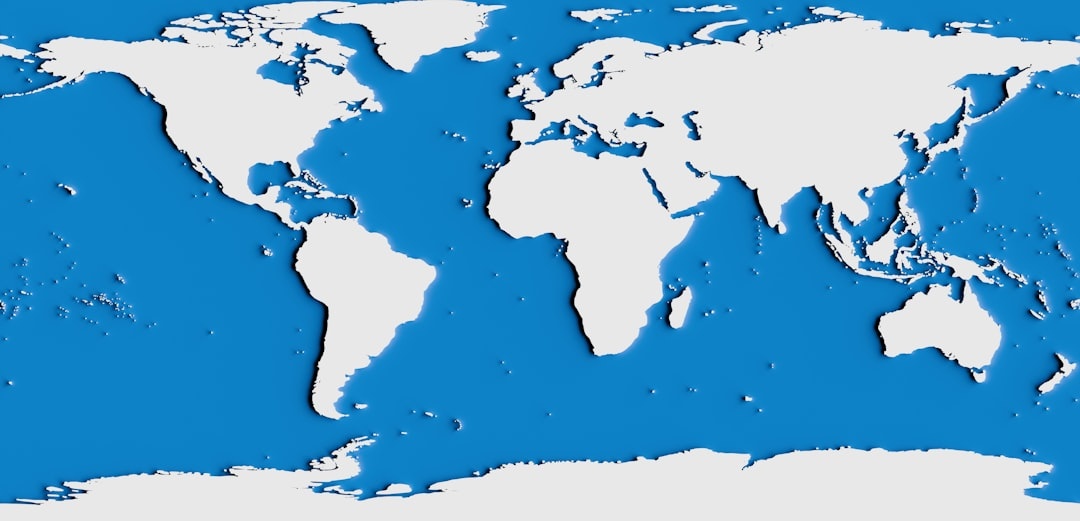
A much-discussed 2026 global skyline ranking, compiled using architectural data, visitor sentiment and social-media visibility, named the world’s most impressive urban silhouettes — and not a single European city made the top 10.
No London. No Paris. No Frankfurt. Instead, the list leans heavily toward Asia and North America, where clusters of tall buildings have reshaped entire city identities.
There is no single official authority for ranking skylines, so the list is best treated as an editorial comparison rather than a definitive scientific table. Building totals also vary according to whether a database counts completed towers, topped-out projects or every structure above a particular height.
Key Takeaways
- New York City ranked #1, with more than 6,000 high-rises and roughly 320 completed buildings measuring at least 150 meters.
- Shanghai and Hong Kong placed in the top three, with excellent free waterfront viewpoints as well as paid observation decks.
- Burj Khalifa tickets now typically start at around AED 179 for levels 124 and 125, while prime sunset slots can cost substantially more.
- The earlier Summer 2026 guide remains useful for trip ideas, but observation-deck opening hours are shorter and more variable heading into autumn.
Let’s break down the cities that made the cut — and exactly how to experience their skylines properly (without wasting money or time).
—
1. New York City, USA (#1)
New York wins through a combination of density, architectural variety and instantly recognizable landmarks. Depending on the database and definition used, the city has more than 6,000 high-rises and roughly 320 completed skyscrapers measuring at least 150 meters.
Those 150-meter buildings should not be described as “supertalls”: in standard architectural terminology, a supertall is at least 300 meters high. New York has far fewer of those, although its total still exceeds that of most global cities.
The real advantage is variety. Lower Manhattan, Midtown and the newer towers around Billionaires’ Row and Hudson Yards create several distinct skylines rather than one central cluster.
Best Views
SUMMIT One Vanderbilt
Tickets: Typically from about $46 before fees, with higher prices for popular evening slots
Hours: Seasonal and date-dependent; timed reservations are required
Website: summitov.com
SUMMIT remains one of the strongest paid choices for close-up views of the Chrysler Building and the Midtown grid. Its mirrored interiors are visually striking, but visitors sensitive to reflections, bright light or glass floors may prefer Top of the Rock.
Staten Island Ferry
Price: Free
Time: Approximately 25 minutes each way
Runs: 24 hours, with frequencies varying by time and day
The ferry gives you Lower Manhattan, One World Trade Center and the Statue of Liberty in one sweep. Stay outside on the right side when leaving Manhattan for the clearest Statue of Liberty angle, then switch sides for the return journey.
Skip This
Think twice before paying extra for an express ticket to the Empire State Building during the sunset rush. The deck itself is excellent, but the premium is difficult to justify when Top of the Rock provides a classic view with the Empire State Building actually in it.
For shorter queues, reserve the first morning slot or visit after 9pm. Autumn sunset times are earlier than they were in June, so check the actual sunset and ticket time before booking.
—
2. Shanghai, China (#2)
If New York wins on architectural variety, Shanghai wins on futurism. The Pudong skyline looks deliberately cinematic, especially when seen from across the Huangpu River.
Shanghai Tower, the Shanghai World Financial Center and Jin Mao Tower form one of the most recognizable skyscraper groups in the world. Shanghai Tower reaches 632 meters, while its main public observation level sits hundreds of meters above the city.
Best Views
Shanghai Tower Observation Deck
Price: Around ¥180 for a standard adult ticket
Hours: Commonly open from morning until evening, but last admission can change
Observation level: Approximately 546 meters
The deck is among the highest indoor public viewing platforms in the world. Visibility is the biggest variable: check the weather and air-quality forecast before committing, because low cloud can completely obscure the city from the upper floors.
The Bund Promenade
Price: Free
Best time: From blue hour until the main tower lighting begins to wind down
There is no need to pay for a river cruise to appreciate the classic view. Walk north along the Bund for a broader angle or cross to the Pudong side for close-up views beneath the towers. Decorative lighting schedules can change for energy-saving measures, holidays and special events, so do not rely on a guaranteed nightly “light show.”
Pro Tip
Taxi from Pudong Airport: Usually around ¥170–¥250 depending on traffic and destination
Maglev train: Approximately ¥50 one way to Longyang Road, followed by a metro connection
Take the Maglev if the operating schedule suits your flight. The journey to Longyang Road takes about eight minutes, but it does not deliver passengers directly to the Bund or central hotel districts, so allow extra time for the transfer.
—
3. Hong Kong (#3)
Victoria Harbour at night remains one of the most dramatic natural-meets-urban skylines on the planet.
Mountains rise behind densely packed glass towers, while ferries and illuminated buildings add movement in the foreground. Hong Kong also has one of the world’s largest collections of completed buildings over 150 meters, although totals differ between architectural databases.
Best Views
Victoria Peak (Sky Terrace 428)
Sky Terrace ticket: Around HK$75 for an adult
Peak Tram Sky Pass: Commonly around HK$168 for an adult return ticket with terrace access
Hours: Seasonal and subject to maintenance
The Peak Tram is an attraction in its own right, but queues can build before sunset. One practical strategy is to take the tram uphill and bus #15 back down. The bus costs only a small fraction of the tram fare and offers additional city views along the winding route.
You can also avoid the paid Sky Terrace by using the nearby Lions Pavilion or walking part of Lugard Road. The latter takes more time but provides wide harbour views without glass barriers.
Star Ferry
Fare: Generally around HK$4–HK$6.50, depending on route, deck and day
Time: Approximately 10 minutes
It remains one of the best-value skyline experiences anywhere. Ride from Central to Tsim Sha Tsui shortly before sunset, then walk the Avenue of Stars for the illuminated harbour view.
—
4. Dubai, UAE (#4)
Dubai’s skyline is less organic and more deliberately engineered, with distinct clusters around Downtown, Sheikh Zayed Road, Dubai Marina and Business Bay.
The Burj Khalifa remains the centerpiece. At 828 meters, it is still the tallest completed building in the world as of September 2026.
Burj Khalifa Ticket Breakdown
| Ticket Type | Typical Starting Price | Height Access | Worth It? |
|---|---|---|---|
| Levels 124/125, non-prime | From about AED 179 | Approximately 452–456m | Yes, in clear weather |
| Levels 124/125, prime sunset period | Often AED 259 or more | Approximately 452–456m | Only if sunset is essential |
| Level 148 SKY | Often from about AED 399 | 555m | Best for a bucket-list visit |
Prices use dynamic, date-specific bands and can change during holidays or peak travel periods. The official starting price may also appear lower before taxes, booking fees or optional packages are added.
Sunset remains the most expensive and crowded period. A morning visit often offers better value, but check the haze forecast: humidity and airborne dust can reduce visibility even when the sky looks bright from ground level.
Book via burjkhalifa.ae and compare the final checkout total rather than relying on the advertised “from” price. Weekend and sunset reservations should be secured several days ahead.
—
5. Tokyo, Japan (#5)
Tokyo is less about a single wall of skyscrapers and more about scale. Dense urban development extends toward the horizon, with separate high-rise clusters in Shinjuku, Shibuya, Marunouchi and Roppongi.
No single tower defines the city. That is part of the appeal: each observation deck reveals a different version of Tokyo.
Best Views
Shibuya Sky
Price: Typically from around ¥2,700 online, with date and package variations
Hours: Usually late morning to late evening; weather closures are possible
Website: shibuya-scramble-square.com
The open-air rooftop and direct view over Shibuya Crossing make this a stronger first choice than Tokyo Tower for many visitors. Sunset slots can sell out weeks ahead, while strong wind or rain may close the rooftop even when indoor areas remain open.
Tokyo Metropolitan Government Building
Price: Free
Height: Observation rooms at approximately 202m
This remains the best free high-level view in central Tokyo. Admission hours, room closures and entry queues vary, so confirm which observatory is operating before traveling to Shinjuku.
Mount Fuji is easiest to see during cool, dry and exceptionally clear conditions. Visibility often improves from late autumn into winter, making September’s seasonal transition more promising than humid midsummer afternoons.
—
6–10: The Rest of the Top Skyline Cities
The remaining cities in the top 10 are:
- Singapore – Marina Bay Sands, the free Spectra waterfront show and Gardens by the Bay’s Garden Rhapsody. Performance times can change, so verify the same-day schedule.
- Chicago – A pioneering skyscraper city where architecture river cruises generally cost around $50–$65, depending on the operator, date and departure time.
- Toronto – The CN Tower’s standard observation admission typically starts around C$47, while EdgeWalk commonly costs C$199 or more.
- Seoul – Lotte World Tower reaches 555 meters, with Seoul Sky adult admission generally around ₩31,000 before packages or discounts.
- Panama City – One of Latin America’s densest high-rise clusters, best viewed from the Cinta Costera or the Amador Causeway.
Chicago’s architecture cruise is arguably the smartest paid skyline experience on the list. Instead of looking down from one tower, you move through the city while a guide explains how engineering, fire regulations and competing architectural movements shaped the skyline.
Late-season sailing schedules are more limited than summer timetables, however. By October and November, departures may be reduced or affected by cold, rain and wind.
In Singapore, the strongest free itinerary is to watch Marina Bay during blue hour, catch Spectra from the Event Plaza side and then walk across to Gardens by the Bay. Allow enough time between shows rather than assuming their schedules align perfectly.
—
Why Europe Didn’t Make the Cut
It is not that Europe lacks beautiful cityscapes. The ranking favors height, tower density and dramatic high-rise clusters — areas where many historic European capitals deliberately restrict development.
Paris generally limits central development to around 37 meters outside designated high-rise districts such as La Défense. Rome has extensive archaeological and heritage constraints. Even Frankfurt, Europe’s most concentrated traditional skyscraper city, has only a fraction of New York or Hong Kong’s 150-meter towers.
London is the clearest European challenger, with recognizable clusters in the City and Canary Wharf. Its skyline is nevertheless more dispersed, and protected sightlines to landmarks such as St Paul’s Cathedral constrain where tall buildings can appear.
Europe wins on street-level character, historic rooflines and layered urban form. For seasonal inspiration there, see our guide to Central Europe’s best summer destinations — but concentrated vertical scale is not the continent’s primary advantage.
Asia and North America generally build taller and cluster towers more tightly, which helps them perform better in rankings based on visual impact and skyscraper density.
—
How to Photograph These Skylines Like a Pro in Autumn 2026
You do not need a professional camera. Timing, weather and stability usually matter more than buying another lens or upgrading your phone.
Best Timing
- Blue hour: Arrive before sunset and stay for roughly 20–40 minutes afterward, when building lights balance with the remaining color in the sky.
- After rain: Wet pavement creates reflections, while passing weather can improve visibility in cities such as Hong Kong, Singapore and Tokyo.
- Early morning: Often the best chance of clearer air in Dubai and Shanghai, although local haze conditions can change quickly.
- Weekday evenings: Usually less crowded than Friday and Saturday sunset periods, particularly at Shibuya Sky, SUMMIT and the Burj Khalifa.
Tech Setup
Current flagship phones from Apple, Samsung and Google all handle city night scenes well. Clean the lens, turn off the flash and brace the phone against a railing or use a compact tripod where permitted. Observation decks may prohibit full-size tripods, selfie sticks or loose equipment on outdoor rooftops.
To protect bright signs from becoming white blobs, tap the brightest part of the skyline and lower exposure slightly. Avoid heavy digital zoom; use the phone’s native optical focal lengths and crop afterward.
Data tip: eSIM prices now vary widely by country, network and validity period. A regional Asia plan may be more convenient for a multi-city itinerary, while a local plan can offer more data for less. Compare the actual network, hotspot restrictions and expiration rules instead of choosing solely by headline price.
—
What This Ranking Means for Autumn Travelers
Skylines have become destinations in their own right, and observation decks increasingly operate like major attractions: timed admission, dynamic pricing, sunset surcharges and premium add-ons are now standard.
Autumn brings several advantages. New York and Chicago are cooler, Tokyo gradually becomes clearer, and Dubai’s temperatures begin to ease later in the season. The trade-off is shorter daylight, reduced late-season cruise schedules and earlier sunset sellouts.
Before booking, check three things: the weather forecast, the cancellation policy and whether the attraction guarantees outdoor access. Paying a sunset premium is poor value if fog, low cloud or high winds close the rooftop.
If you are already planning Asia this year — especially around remote-work hubs such as Bali or Chiang Mai — compare costs in our Southeast Asia digital nomad cost breakdown and consider adding a skyline-focused stopover.
A two-night stop in Singapore or Hong Kong can still add several hundred dollars to an itinerary once accommodation and airport transfers are included. However, both cities offer enough free viewpoints that the skyline itself does not need to be the expensive part.
—
Should You Plan a Skyline Trip?
If you love cities, architecture or night photography, yes — but you do not necessarily need to build an entire vacation around one observation deck.
New York and Chicago are best for architectural storytelling. Shanghai and Hong Kong deliver the strongest visual drama. Dubai specializes in engineered spectacle, while Tokyo is unmatched for a sense of urban scale.
Europe still does historic rooflines and street-level atmosphere better. Asia and North America dominate this particular ranking because it rewards vertical ambition, density and recognizable tower clusters.
The best strategy is to combine one paid viewpoint with at least one free ground-level or waterfront perspective. That produces more varied photographs and protects your budget from premium sunset pricing.
Reserve weather-sensitive outdoor decks carefully, confirm opening hours on the day and never assume the most expensive ticket guarantees the clearest view.
—
Frequently Asked Questions
Which city has the best skyline in the world in 2026?
New York City ranked #1 in the 2026 skyline list discussed here. It combines multiple tower clusters, more than 6,000 high-rises and roughly 320 completed buildings at least 150 meters tall, depending on the database and counting method.
Why are there no European cities in the top 10 skylines?
The ranking emphasizes skyscraper height, density and visual clustering. Many European cities restrict tall construction to preserve historic districts and protected views. Paris, for example, generally limits building height outside designated high-rise areas such as La Défense.
How much does it cost to visit the Burj Khalifa in 2026?
Non-prime adult tickets for levels 124 and 125 typically start at around AED 179. Prime sunset admission often starts near AED 259 or more, while packages including level 148 commonly begin around AED 399. Prices are dynamic and should be confirmed before booking.
What is the cheapest skyline experience on the list?
The Staten Island Ferry in New York is completely free. Hong Kong’s Star Ferry generally costs less than US$1 per crossing, while waterfront viewpoints at the Bund, Marina Bay and Victoria Harbour are also free.
What is the best time to visit an observation deck?
Book roughly 30–60 minutes before sunset if you want daylight, blue-hour and night views in one visit. For clearer conditions and lower prices, the first morning slot is often better, especially in Dubai and Shanghai.
Are skyline rankings objective?
No. Results depend on whether a ranking prioritizes building height, density, architectural quality, natural setting, public opinion or social-media visibility. The top 10 should be treated as a useful travel shortlist rather than an official global standard.

About the Author: Tomáš Bzirský
Founder and editor of Distratech. Based in the Czech Republic, travelling regularly from Central Europe. Writes practical travel guides and travel-tech comparisons (eSIM, apps, airports) in six languages.