'/%3E%3Cpath%20fill='%23b2b2b2'%20d='M241%20382q0%2016%2017%2026%2017%2011%2042%2011t42-11q16-11%2017-26V269H241'/%3E%3Cpath%20fill='%239f7e00'%20d='M241%20379q0%2014%208%2023%209%209%2021%209%2014%200%2021-9%209-9%209-23V269h-59'/%3E%3Cpath%20d='M241%20339v-70h59v110q0%2014-9%2023l-6%205v-68h-15v72q-8%200-14-4v-68zm59%2040c0%2022%2015%2032%2029%2032%2021%200%2030-18%2030-32v-40h-59'/%3E%3Cpath%20fill='%239f7e00'%20d='M266%20277v5h2v12h-3v-5h2v-5h-9v5h2v5h-4v9h3v18h-5v10h34v-10h-5v-18h3v-9h-4v-5h2v-5h-9v5h2v5h-3v-12h2v-5zm42%20101q0%2010%206%2017%206%206%2015%207%2010-1%2016-7%206-7%206-17v-29h-43'/%3E%3Ccircle%20fill='%230044ad'%20cx='329.5'%20cy='372'%20r='6'/%3E%3Cellipse%20fill='%230044ad'%20cx='300'%20cy='340'%20rx='16'%20ry='21'/%3E%3C/svg%3E)
'/%3E%3C/svg%3E)


'/%3E%3C/g%3E%3Cuse%20href='%23c'%20transform='matrix(-1%200%200%201%20720%200)'/%3E%3C/svg%3E)


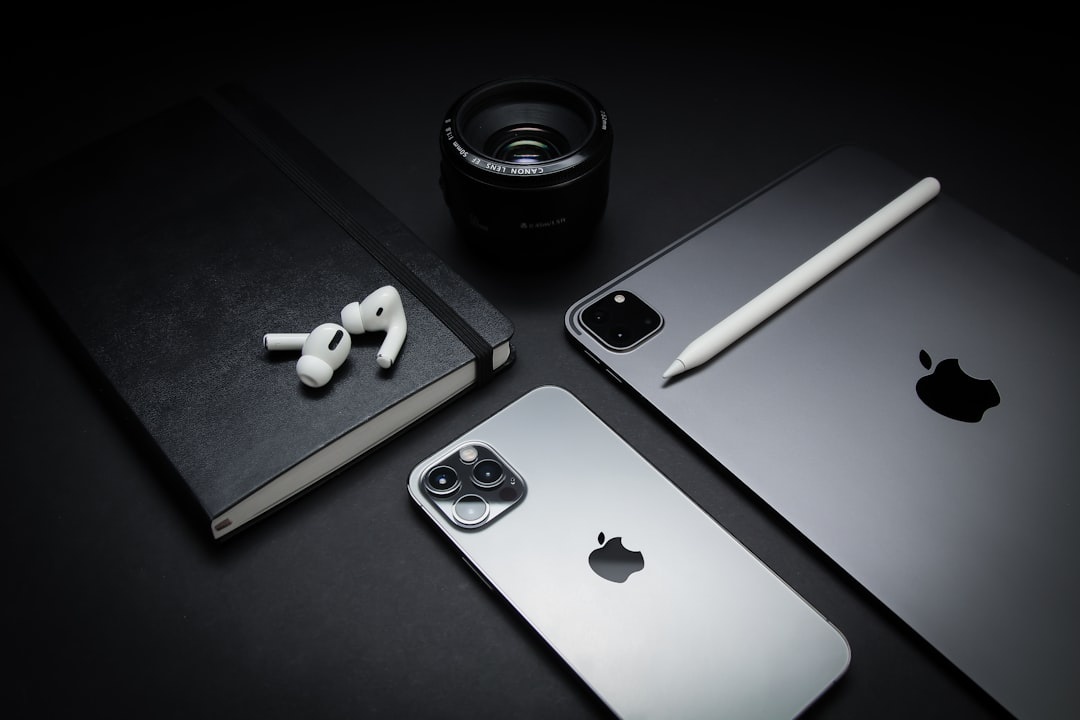
Apple’s next Pro-class iPhones are expected to run on the A20 Pro, the company’s first 2-nanometer smartphone chip, with the silicon reportedly headed for the iPhone 18 Pro and the long-rumored foldable iPhone Duo. For travelers, this is not just a spec-sheet flex: a more efficient chip can mean cooler video shooting in Tuscany, longer maps use in the Dolomites, faster offline translation at Oktoberfest, and fewer battery panics during September shoulder-season flight delays.
Key Takeaways
- The Apple A20 Pro is expected to be Apple’s first 2nm smartphone chip for the iPhone 18 Pro and iPhone Duo.
- Travelers should expect better battery efficiency, cooler camera performance, and faster on-device AI than current 3nm iPhones.
- The iPhone 18 Pro will likely be the better travel buy; the iPhone Duo will suit remote workers who need a pocket tablet.
- Expected pricing: iPhone 18 Pro from about $1,099, iPhone Duo likely $1,799–$1,999.
- Wait for real battery and thermal tests before upgrading from an iPhone 16 Pro or newer.
What Happened: A20 Pro Moves Apple to 2nm
The A20 Pro is expected to be built on TSMC’s 2nm process, a major step down from the 3nm-class chips used in recent iPhones. Smaller process nodes usually allow more transistors in the same area, which can improve performance per watt — the metric travelers should care about most.
Why does this matter when you’re traveling? Because raw speed is less important than sustained speed. A chip that stays cooler while running maps, camera, eSIM data, translation, and hotel apps is more useful than one that wins a benchmark for 90 seconds and then throttles in the sun.
- Chip: Apple A20 Pro, expected 2nm TSMC manufacturing
- Expected phones: iPhone 18 Pro, iPhone 18 Pro Max, and iPhone Duo foldable
- Likely launch window: September 2026 for iPhone 18 Pro; iPhone Duo timing may vary by market
- Expected RAM: 12GB on Pro-class models would make sense for Apple Intelligence and multitasking
- Connectivity to watch: 5G, eSIM, Wi-Fi 7, Thread/UWB, satellite emergency features, USB-C
Apple has not turned the iPhone into a “travel phone” in branding, but the iPhone already behaves like one: boarding passes, Apple Wallet transit cards, offline maps, eSIMs, hotel keys, AirTags, satellite SOS, and camera-first travel memory capture. The A20 Pro matters because all of those features are now competing for battery and thermal headroom.
Why 2nm Is a Bigger Deal on the Road Than at Home
At home, you can plug in. On a travel day, you might leave a Lisbon apartment at 6 a.m., connect through Frankfurt, arrive in Munich for Oktoberfest, and still need battery for hotel check-in, train tickets, and a late-night taxi.
The practical win from 2nm should be efficiency. If Apple gets the usual generational improvement, expect the A20 Pro to deliver roughly 15–20% better CPU performance or 20–30% better efficiency at similar performance levels versus a 3nm Pro chip.
Why does this matter when you’re traveling? September is shoulder-season gold: warmer weather, fewer crowds, cheaper flights in many regions, and heavy phone use. You are navigating wine harvest traffic in Bordeaux, taking mountain photos in the Slovenian Alps, or shooting Red Sea dive clips in hot conditions — all of which punish batteries and processors.
For context, recent iPhone Pro models already deliver strong rated endurance. The iPhone 16 Pro is rated for up to 27 hours of video playback and weighs 199g, while the iPhone 16 Pro Max is rated for up to 33 hours and weighs 227g. The A20 Pro’s job is to make those numbers more useful in messy real conditions: 5G roaming, bright screen, camera bursts, GPS, and translation.
Expected Travel Performance: Maps, Camera, AI, and Heat
We do not have final public A20 Pro benchmark data until retail devices are tested. But travelers should look beyond Geekbench and ask: how fast does it export a 4K clip, how long can it record before dimming, and how much battery does one hour of Google Maps burn on 5G?
Why does this matter when you’re traveling? A benchmark score does not help if your screen dims while filming sunrise in Madeira or your phone gets too hot while navigating through Bangkok traffic.
Here is the travel-focused performance target I would expect from a well-executed 2nm A20 Pro iPhone:
- 4K/60 video export: A 60-second HEVC travel clip that takes about 35–45 seconds on a current Pro iPhone could drop closer to 25–35 seconds.
- Offline translation: Short voice translations should feel near-instant, with sub-1-second phrase handling for common travel queries.
- Maps battery drain: One hour of 5G navigation at high brightness currently can cost 12–18% battery; A20 Pro could realistically shave that to 9–14% if modem and display efficiency improve too.
- Camera heat: Expect longer 4K recording before thermal dimming, especially in warm September destinations like Malta, southern Italy, or the Red Sea.
- On-device AI: Faster photo search, summarization, translation, and itinerary parsing without relying as heavily on hotel Wi-Fi.
The big caveat: the chip is only one part of the travel experience. Battery size, display brightness, modem efficiency, and iOS background behavior matter just as much.
iPhone 18 Pro vs iPhone Duo: Buy the Pro, Be Careful With the Foldable
If the iPhone Duo is Apple’s first foldable, it will be exciting, expensive, and probably not the safest recommendation for most travelers. First-generation Apple categories are usually polished, but folding phones still bring compromises: hinge dust, inner display durability, higher repair costs, and more theft anxiety.
Why does this matter when you’re traveling? A phone that costs nearly as much as your round-trip flight to Europe is a liability if you are moving through crowded train stations, beach towns, hostels, festivals, or border queues.
Expected pricing is the first red flag. The iPhone 18 Pro will likely start around $1,099 in the U.S., assuming Apple holds the Pro line near current pricing. The iPhone Duo is more likely to land between $1,799 and $1,999, matching the foldable market where Samsung’s Galaxy Z Fold 6 launched at $1,899.99 and Google’s Pixel 9 Pro Fold launched at $1,799.
Weight also matters. A standard Pro iPhone in the 190–210g range is pocketable. Foldables often sit around 239–257g; the Galaxy Z Fold 6 is 239g, and the Pixel 9 Pro Fold is 257g. If the iPhone Duo lands near 240–260g, you will feel it in shorts, sling bags, and jacket pockets.
Traveler verdict: Buy the iPhone 18 Pro if you want the best balance of camera, battery, durability, and pocket comfort. Skip the iPhone Duo unless you edit documents, manage bookings, or work remotely enough that a folding screen replaces carrying an iPad mini.
Where A20 Pro Could Help Most: September Travel Scenarios
September 2026 is exactly the kind of month where better mobile silicon matters. Shoulder season means travelers are spreading out: Alps instead of beaches, wine regions instead of capital cities, New England foliage starts, and the Himalayas enter prime trekking season.
Why does this matter when you’re traveling? These trips often combine weak signal, long days outdoors, offline navigation, high camera use, and limited charging windows.
In the Dolomites or Canadian Rockies, A20 Pro efficiency could help with GPS tracks, offline maps, and emergency satellite features. Mountain-view stays are trending hard, and phones become navigation tools, cameras, weather stations, and safety devices at once.
At Oktoberfest in Munich, on-device AI and faster image processing are less glamorous but more useful. You want quick translation, contactless payments, Find My location sharing, and enough battery to get back to your hotel after the U-Bahn crowds thin out.
For wine harvest trips in Tuscany, Douro, Bordeaux, or Mendoza, the camera improvements tied to A20 Pro’s image signal processor may matter more than CPU speed. Fast HDR processing helps with harsh vineyard sun, indoor cellar shadows, and evening restaurant shots.
If you are heading into Europe this fall, keep an eye on border processing changes too. Longer queues make battery life more important, especially if your documents, boarding passes, and hotel confirmations live on your phone; we’ve covered the wider concern around Europe’s EES border rollout and possible delays.
Connectivity: eSIM, Roaming, Wi-Fi 7, and Airport Reality
The A20 Pro itself is not your eSIM plan, but the iPhone 18 Pro family should continue Apple’s strong travel compatibility: eSIM support, broad 5G band coverage, Wi-Fi 7, Bluetooth LE, Ultra Wideband, and USB-C. U.S. iPhones will likely remain eSIM-only, while some international models may still vary by region.
Why does this matter when you’re traveling? A powerful phone is useless if you are stuck on expensive roaming or airport Wi-Fi that collapses under crowd load.
For eSIMs, I still prefer buying before landing for short trips. Airalo often costs more than a local SIM — for example, a regional tourist eSIM can be 2–3x the price of a local Thailand airport SIM — but it can save 20–40 minutes after a long-haul flight.
If you are traveling for more than two weeks in one country, buy local unless arrival logistics are messy. For a 5-day Oktoberfest trip, a preloaded eSIM is worth it; for a month in Vietnam or Portugal, a local SIM or local eSIM usually wins on price per GB.
Wi-Fi 7 is also useful, but not because airport Wi-Fi is suddenly wonderful. It helps more in hotels, coworking spaces, and apartments with modern routers, especially for remote workers syncing photos, calls, and cloud backups.
Camera and AI: The Real Upgrade for Travel Creators
The A20 Pro should bring a stronger neural engine and image pipeline, which matters for computational photography. Expect faster Smart HDR, better low-light stacking, improved subject separation, and more responsive editing in Photos, Final Cut Camera, Lightroom Mobile, and CapCut.
Why does this matter when you’re traveling? The best travel camera is still the one you can pull out safely, shoot quickly, and trust in bad light.
If you care about blue hour, stars, and sunrise shots, chip efficiency matters because computational photography is processor-heavy. We’ve tested budget-friendly night shooting conditions in places like Tenerife, Madeira, and Malta; if that’s your style, read our night photography travel comparison before choosing your next route.
The iPhone Duo could be excellent for creators who edit on the go. A foldable screen would make timeline editing, photo culling, email, and split-screen itinerary planning far better than a normal phone.
But for pure photography, I would still choose the iPhone 18 Pro or Pro Max. A slab phone is faster to grip, easier to mount on a compact tripod, less fragile near sand and water, and more discreet in crowded streets.
Battery Life: What Travelers Should Actually Watch
Apple will likely advertise video playback hours, but travelers should care about mixed-use endurance. My minimum standard for a premium travel phone in 2026 is 7–8 hours of active screen time across maps, camera, messaging, browser, translation, and 5G hotspot use.
Why does this matter when you’re traveling? Rated video playback is done under controlled conditions; your real day includes max brightness, weak signal, GPS, Bluetooth earbuds, and 200 photos.
The iPhone 18 Pro Max will probably be the endurance king, but not everyone wants a 220g-plus phone. The regular iPhone 18 Pro is the better size for city trips, hiking, and one-handed photography.
If the iPhone Duo gets a large dual-cell battery, it may beat the Pro on paper. But foldable screens consume more power when opened, and travelers will open that big screen constantly for maps, boarding passes, spreadsheets, and split-screen browsing.
Buy this: iPhone 18 Pro Max if battery is your top priority and you can handle the weight. Buy this instead: iPhone 18 Pro if you want the best all-around travel phone. Skip for now: iPhone Duo unless you need the large screen for work.
Upgrade Advice: Who Should Wait, Buy, or Skip
If you own an iPhone 13 Pro or older, the A20 Pro generation should feel like a major travel upgrade. You will likely gain better battery efficiency, brighter display performance, stronger cameras, USB-C, improved satellite features, and faster on-device AI.
Why does this matter when you’re traveling? Older phones often fail quietly: weak batteries, slow camera launch, poor low-light photos, and unreliable charging ports become problems only when you are far from home.
If you own an iPhone 15 Pro or 16 Pro, wait for real reviews. The A20 Pro may be impressive, but a $1,099–$1,199 upgrade needs to deliver measurable battery and camera gains, not just benchmark bragging rights.
If you are a digital nomad using your phone as a scanner, hotspot, authenticator, camera, and backup laptop, the iPhone Duo is tempting. But I would not make it your only device on a three-month trip until repair pricing, AppleCare+ terms, water resistance, and hinge durability are proven.
Also think about airport use. If friends or family are seeing you off, some U.S. airports now allow non-ticketed visitors airside through visitor pass programs; here’s our guide to airports where you can pass TSA without a plane ticket. A phone with strong battery still matters because digital IDs, boarding passes, and wallet passes are becoming part of the airport routine.
Practical Buying Tips for Travelers
- Choose storage carefully: Buy at least 256GB if you shoot 4K video; 128GB is too tight for long trips.
- Budget for AppleCare+: Foldables and Pro phones are expensive to repair abroad, so insurance matters.
- Check eSIM rules before departure: U.S. iPhones may not accept physical SIMs, which matters in countries where local eSIMs are limited.
- Carry a 10,000mAh power bank: Even with A20 Pro efficiency, navigation and camera use can drain any phone.
- Wait 30 days after launch: Early buyers find out first about heat, battery bugs, lens flare, and app compatibility problems.
Why does this matter when you’re traveling? Buying the wrong configuration can cost more than the phone. A cheap storage choice, unsupported SIM setup, or fragile foldable can turn into a real travel headache.
Conclusion: A20 Pro Sounds Built for Travel, But the iPhone 18 Pro Is the Safer Bet
The Apple A20 Pro’s move to 2nm should be one of the most meaningful iPhone upgrades for travelers in years. Not because your boarding pass opens faster, but because everything you do on the road — maps, camera, translation, AI search, eSIM data, hotspot, and payments — depends on sustained efficiency.
The iPhone Duo will get attention, and it may be brilliant for remote workers who want a phone-tablet hybrid. But for most travelers, the iPhone 18 Pro is the smarter buy: lighter, tougher, cheaper, easier to pocket, and likely just as powerful.
My early traveler verdict: wait for final battery and heat tests, then buy the iPhone 18 Pro or 18 Pro Max if you are upgrading from an iPhone 13 Pro or older. Skip the iPhone Duo at launch unless the folding screen genuinely replaces another device in your bag.
Frequently Asked Questions
What is the Apple A20 Pro chip?
The A20 Pro is expected to be Apple’s first 2nm smartphone chip, likely built by TSMC for the iPhone 18 Pro and iPhone Duo. The main travel benefit should be better performance per watt, meaning faster AI and camera tasks with less battery drain.
Will the iPhone 18 Pro have better battery life for travel?
It should, but final testing matters. If Apple combines the 2nm A20 Pro with efficient displays and modems, travelers could see better mixed-use endurance than current Pro models rated up to 27–33 hours of video playback.
Is the iPhone Duo worth buying for travelers?
Most travelers should skip the first iPhone Duo unless they need a foldable screen for remote work. Expected pricing around $1,799–$1,999 and likely 240g-plus weight make the iPhone 18 Pro a safer travel phone.
Will the iPhone 18 Pro support eSIM for international travel?
Yes, Pro iPhones are expected to continue strong eSIM support, though exact SIM rules vary by country and model. U.S. versions will likely remain eSIM-only, so check local eSIM availability before flying.

About the Author: Tomáš Bzirský
Founder and editor of Distratech. Based in the Czech Republic, travelling regularly from Central Europe. Writes practical travel guides and travel-tech comparisons (eSIM, apps, airports) in six languages.