'/%3E%3Cpath%20fill='%23b2b2b2'%20d='M241%20382q0%2016%2017%2026%2017%2011%2042%2011t42-11q16-11%2017-26V269H241'/%3E%3Cpath%20fill='%239f7e00'%20d='M241%20379q0%2014%208%2023%209%209%2021%209%2014%200%2021-9%209-9%209-23V269h-59'/%3E%3Cpath%20d='M241%20339v-70h59v110q0%2014-9%2023l-6%205v-68h-15v72q-8%200-14-4v-68zm59%2040c0%2022%2015%2032%2029%2032%2021%200%2030-18%2030-32v-40h-59'/%3E%3Cpath%20fill='%239f7e00'%20d='M266%20277v5h2v12h-3v-5h2v-5h-9v5h2v5h-4v9h3v18h-5v10h34v-10h-5v-18h3v-9h-4v-5h2v-5h-9v5h2v5h-3v-12h2v-5zm42%20101q0%2010%206%2017%206%206%2015%207%2010-1%2016-7%206-7%206-17v-29h-43'/%3E%3Ccircle%20fill='%230044ad'%20cx='329.5'%20cy='372'%20r='6'/%3E%3Cellipse%20fill='%230044ad'%20cx='300'%20cy='340'%20rx='16'%20ry='21'/%3E%3C/svg%3E)
'/%3E%3C/svg%3E)


'/%3E%3C/g%3E%3Cuse%20href='%23c'%20transform='matrix(-1%200%200%201%20720%200)'/%3E%3C/svg%3E)


September is the cheat code for Mediterranean and Atlantic island photography: warm nights, cheaper beds than August, thinner crowds, and skies that still behave like summer. I tested the real-world budget math for Tenerife, Madeira, and Malta to answer one question: where can you shoot blue hour, stars, and sunrise without blowing past €50/$54 a day?
Key Takeaways
- Best overall: Tenerife wins for stars, altitude, and budget if you split a rental car.
- Cheapest solo option: Malta is easiest under €50/day thanks to €2.50 buses and €18–28 hostels.
- Best sunrise drama: Madeira’s Pico do Arieiro delivers the biggest “above the clouds” shots.
- Best September moon window: Aim for September 9–14, 2026, around the new moon for Milky Way attempts.
- Skip taxis: A single mountain taxi in Madeira can cost €35–45, almost your whole daily budget.
The Fast Verdict: Which Island Wins for Budget Night Photography?
Tenerife is the winner if your priority is stars and you can share transport. Teide National Park sits above much of the cloud layer at roughly 2,000m, and the island has stronger dark-sky credentials than either Madeira or Malta.
Malta is the cheapest for solo photographers, but it is not the best for stars. You come here for blue hour limestone cities, harbor reflections, and sunrise fishing boats — not clean Milky Way skies.
Madeira is the most cinematic, but the hardest to keep under €50/day. Pico do Arieiro at sunrise is spectacular, yet transport costs punish solo travelers unless you use a shared sunrise transfer.
| Island | Best For | Typical Budget Day | Star Quality | Solo-Friendly? |
|---|---|---|---|---|
| Tenerife | Stars + volcanic landscapes | €42–55 / $45–59 | Excellent at Teide | Medium |
| Madeira | Sunrise peaks + cloud inversions | €48–70 / $52–76 | Good, weather-dependent | Hard |
| Malta | Blue hour cityscapes + cheap transit | €34–48 / $37–52 | Weak to moderate | Excellent |
1. Tenerife: Best Under-€50 Island for Stars
Tenerife has the biggest technical advantage: altitude. From sea level in Puerto de la Cruz to the Teide caldera is about 45km, but you climb to around 2,000m where skies are darker, drier, and usually above the marine haze.
For blue hour, skip the overbuilt beach strips of Playa de las Américas and go to Garachico or San Cristóbal de La Laguna. Garachico gives you lava pools, Atlantic spray, and warm streetlights; La Laguna gives colonial symmetry without Valletta-level crowds.
Best Tenerife photo spots
- Stars: Mirador de Chío, Minas de San José, Llano de Ucanca inside Teide National Park.
- Sunrise: Playa de Benijo for jagged sea stacks; arrive 45 minutes before sunrise.
- Blue hour: Garachico natural pools or La Laguna’s old town streets.
- Skip: Mount Teide cable car for night photography; it runs daytime only and costs around €40 return.
Teide National Park roads and viewpoints are generally accessible 24 hours, but check weather and road alerts on tenerife.es. The cable car usually operates around 9:00–17:00, with tickets via volcanoteide.com, but it is irrelevant for budget night shooters.
Transport is the catch. TITSA bus 348 from Puerto de la Cruz to Teide costs roughly €6–7 and takes about 1 hour 50 minutes, while bus 342 from Costa Adeje takes around 2 hours 15 minutes and costs about €8–10; schedules at titsa.com. The problem is that buses do not line up well with midnight star sessions, so split a rental car instead: €30–45/day plus fuel, or about €15–22 each if two people share.
September is prime time here. Sunset runs roughly 19:55 early month to 19:35 late month, and sunrise sits around 07:45–07:55, so you can shoot stars at Teide and still get to Benijo if you are stubborn — though that drive is about 1 hour 35 minutes.
Tenerife budget day
| Hostel bed in Santa Cruz or Puerto de la Cruz | €22–30 / $24–32 |
| Shared rental car + fuel | €18–25 / $19–27 |
| Groceries + cheap meal | €9–13 / $10–14 |
| Total | €49–68 solo-ish, €42–50 if car is split well |
For food, skip the tourist menus near Costa Adeje’s seafront. Do Arepera Punto Criollo in Santa Cruz for arepas around €4–6, or a local guachinche in La Orotava where grilled meat, potatoes, and wine can land around €12–16.
For budget beds, Santa Cruz is practical if you want buses and food late; Puerto de la Cruz is better for Teide access. If you want to compare dorms and cheap private rooms, browse hotels in Santa Cruz de Tenerife and filter under €35/night.
2. Madeira: Best Sunrise, Worst Budget Discipline
Madeira makes photographers irrational. Pico do Arieiro is only about 19km from Funchal, but the road climbs to 1,818m and suddenly you are shooting cloud seas, jagged ridges, and headlamp trails before breakfast.
For sunrise, Pico do Arieiro is the shot. The summit viewpoint is open 24 hours, but weather can flip fast, so check webcams and trail notices via visitmadeira.com and official IFCN trail updates before hiking PR1.
Madeira’s problem is transport. A Bolt or taxi from Funchal to Pico do Arieiro can cost €35–45 one way and takes 35–45 minutes; a shared sunrise tour is usually €35–45 total via GetYourGuide, Viator, or local operators; a small rental car in September often runs €35–55/day before fuel.
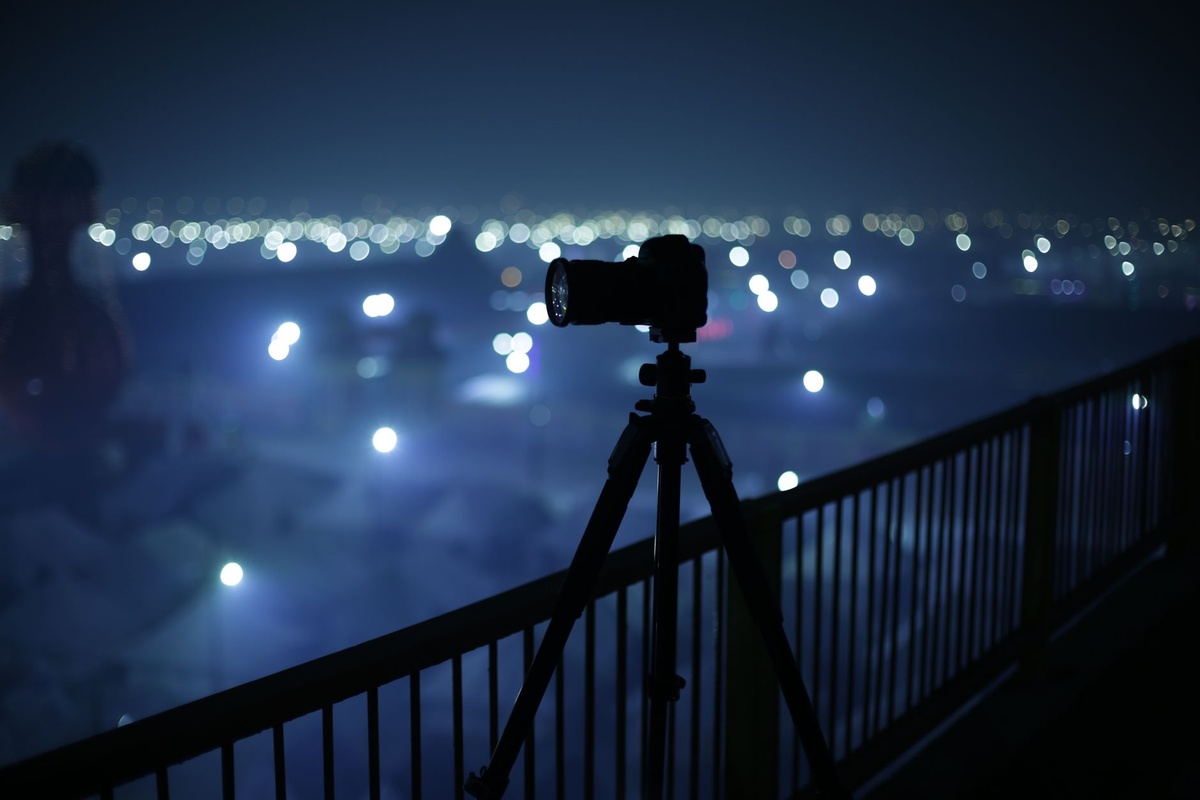
That means Madeira can stay under €50 only if you are clever. Do one paid sunrise transfer, then spend the rest of the day on cheap buses and foot-based blue hour locations.
Best Madeira photo spots
- Sunrise: Pico do Arieiro viewpoint; arrive 60 minutes before sunrise for tripod space.
- Stars: Bica da Cana or Paul da Serra when clouds clear; darker than Funchal, less reliable than Teide.
- Blue hour: Funchal old town, Câmara de Lobos harbor, Ponta do Sol seafront.
- Skip: Paying for Cabo Girão glass platform just for photography; do Câmara de Lobos blue hour instead.
Bus fares around Funchal and nearby towns are generally €1.95–3.35 depending on route and operator, while a Funchal–Câmara de Lobos ride takes around 20–30 minutes versus €12–18 by taxi. Check schedules on SAM, Horários do Funchal, and EACL.
September is excellent because the island is still warm, but not as jammed as August. Sunrise is around 07:40–07:55, sunset around 20:15 early month to 19:45 late month, giving you sleepier mornings than Malta and softer evenings than Tenerife.
Madeira budget day
| Hostel bed in Funchal | €26–34 / $28–37 |
| Shared sunrise transfer | €35–45 / $38–49 |
| Cheap meals + bakery snacks | €10–15 / $11–16 |
| Total on summit day | €71–94 solo; €48–58 if you rent/split car with 3 people |
Food tip: eat like a hiker, not like a cruise passenger. Grab a bolo do caco sandwich for €4–6, a prego for €5–8, and coffee for €1–1.50; skip marina restaurants charging €18–24 for basic espada.
My opinion: Madeira gives the best single sunrise photo of the three islands, but it is the weakest “under €50/day” choice unless you already have travel partners. If you are solo and strict on budget, save Madeira for a slightly bigger trip.
3. Malta: Cheapest for Blue Hour, Weakest for Stars
Malta is not dark. It is dense, bright, and busy — but for blue hour photography, it punches above its size because the limestone cities glow like a film set.
The killer route is simple: shoot sunset from Upper Barrakka Gardens, walk down to the Valletta waterfront, then take the ferry to the Three Cities for reflections across the Grand Harbour. Upper Barrakka is generally open 07:00–22:00, and the Valletta–Three Cities ferry costs about €2 one way or €3.80 return, taking around 10 minutes.
For stars, manage expectations. Dingli Cliffs and Għar Lapsi are better than Sliema or St Julian’s, but light pollution still hurts; if you have an extra day, take the Gozo ferry and shoot around Dwejra, where skies are noticeably cleaner.
Best Malta photo spots
- Blue hour: Valletta, Senglea, Birgu waterfront, Mdina gate.
- Sunrise: Marsaxlokk harbor or St Peter’s Pool; bus from Valletta takes 35–55 minutes.
- Stars: Dingli Cliffs, Għar Lapsi, or Dwejra on Gozo.
- Skip: St Julian’s nightlife streets for tripod work; too crowded and too bright.
Malta wins on public transport. A standard bus ticket costs about €2.50 in summer/September and is valid for 2 hours, while the 7-day Explore Card is €25 via Malta Public Transport. A taxi from Valletta to Dingli can cost €22–30 each way, so use the bus unless you are chasing new moon darkness after midnight.
The Gozo ferry is also budget-friendly. Foot passengers pay around €4.65 return via Gozo Channel, and the crossing takes about 25 minutes; buses to Ċirkewwa from Valletta take roughly 75–90 minutes.
September weather is warm and humid, with sea temperatures still around 26°C. Sunrise runs roughly 06:35–06:55, sunset around 19:30 early month to 18:50 late month, so Malta is the earliest-start island in this comparison.
Malta budget day
| Hostel bed in Sliema, St Julian’s, or Valletta edge | €18–28 / $19–30 |
| Buses + ferry | €5–9 / $5–10 |
| Pastizzi, ftira, groceries, cheap dinner | €9–14 / $10–15 |
| Total | €32–51 / $35–55 |
Eat at Is-Serkin Crystal Palace in Rabat for pastizzi around €0.60–0.80, or grab a tuna ftira from a local bakery for €4–6. Skip waterfront pasta in Sliema at €16–22; it eats the budget and gives you nothing you cannot get cheaper two streets inland.
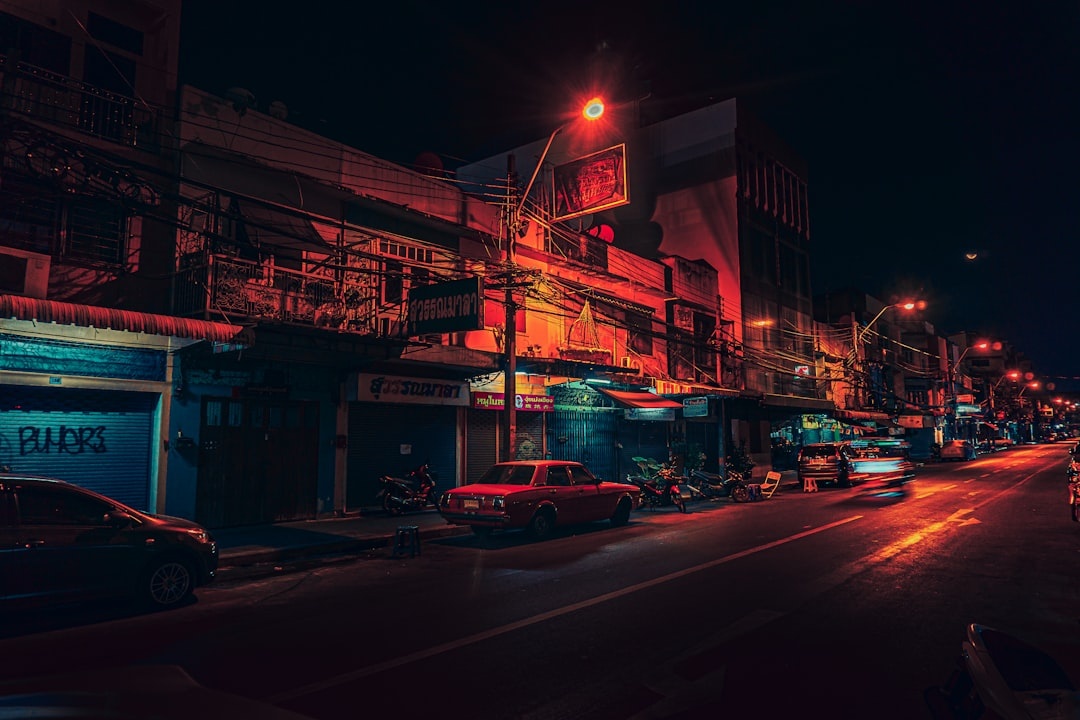
The Tech Setup: Apps, eSIMs, and Camera Settings That Save Money
Good planning is cheaper than another taxi. Before you pay €40 to chase a cloudy summit, check PhotoPills for Milky Way alignment, Clear Outside for cloud cover, Windy for high cloud layers, and Stellarium for star positions.
PhotoPills costs about €10.99 one-time on iOS/Android, compared with one wasted taxi costing €25–45. That is the easiest budget win in this whole article.
For connectivity, I would use a small regional eSIM rather than airport SIM kiosks. Airalo typically sells Europe data packages from around US$5–13 depending on data size, while airport SIMs in Malta or Tenerife often start closer to €15–25.
If you are backing up RAW files on the road, wait for hostel Wi-Fi and upload only selects. Cloud sync can quietly burn 5–10GB overnight; for why travel tech infrastructure matters more than most people think, Distratech’s piece on who runs the cloud behind your travel apps is worth a read.
Budget camera settings that work
- Blue hour cityscapes: ISO 100–400, f/8, 2–15 seconds, tripod mandatory.
- Stars: ISO 1600–3200, f/2.8 or wider, 10–20 seconds depending on focal length.
- Sunrise peaks: bracket -2/0/+2 EV because sky and foreground contrast is brutal.
- Phone shooters: use a mini tripod and Night Mode timer; handheld “night shots” rarely survive editing.
Best September 2026 Timing: Moon, Crowds, and Weather
For stars, target the new moon window around September 9–14, 2026. Tenerife benefits most from this because Teide’s dark skies actually reward the planning; Malta still has light pollution even on a moonless night.
September is shoulder-season gold across these islands. Flights from mainland Europe are usually cheaper than August, sea temperatures remain warm, and you avoid the worst summer crowds — but Madeira and Malta weekends still spike with short-break travelers.
Book hostels 2–3 weeks ahead for Tenerife and Malta. Madeira’s cheap beds are scarcer, so book 3–5 weeks ahead if your dates include a Friday or Saturday; a €28 dorm can become a €45 dorm faster than the weather changes on Pico do Arieiro.
If your travel style involves renting a car for viewpoints, avoid repeating the road-trip overcrowding mistakes that have hit famous scenic routes elsewhere. Distratech’s look at how destinations can manage road-trip pressure better is a useful reminder: park legally, keep headlights low near tripods, and do not block access roads for “the shot.”
Final Ranking: Where I’d Spend My €50
- Tenerife: Best total package for night photography, especially stars, if you split transport.
- Malta: Best strict-budget solo choice, unbeatable for blue hour architecture.
- Madeira: Best sunrise drama, but too transport-expensive for a true €50/day challenge.
If I had three nights and one island, I would choose Tenerife: one Teide star session, one Benijo sunrise, one Garachico/La Laguna blue hour evening. Malta is the smarter pick for backpackers without a car, while Madeira is the splurge disguised as a budget trip.
Pack light, plan around the moon, and spend your money on positioning rather than restaurants with harbor views. If this helped you choose your island, bookmark Distratech for more practical photo-travel breakdowns that care about both the shot and the spreadsheet.
Frequently Asked Questions
Which is better for night photography, Tenerife or Madeira?
Tenerife is better for stars because Teide National Park reaches around 2,000m and has more reliable dark-sky conditions. Madeira is better for dramatic sunrise landscapes, especially Pico do Arieiro, but transport often costs €35–45 for a sunrise transfer.
Can you do Malta under €50 a day?
Yes, Malta is the easiest of the three to keep under €50/day. Budget around €18–28 for a hostel bed, €5–9 for buses and ferries, and €9–14 for cheap meals like pastizzi, ftira, and groceries.
When is the best time in September 2026 for Milky Way photos?
Aim for September 9–14, 2026, around the new moon. Tenerife’s Teide viewpoints will benefit most, while Madeira depends heavily on cloud cover and Malta remains limited by light pollution.
Do I need a rental car for Tenerife night photography?
For serious star photography at Teide, yes, a rental car or shared ride is strongly recommended because buses do not work well for midnight sessions. Expect €30–45/day for a small car in September, or about €15–22 each if two people split it.

About the Author: Tomáš Bzirský
Founder and editor of Distratech. Based in the Czech Republic, travelling regularly from Central Europe. Writes practical travel guides and travel-tech comparisons (eSIM, apps, airports) in six languages.