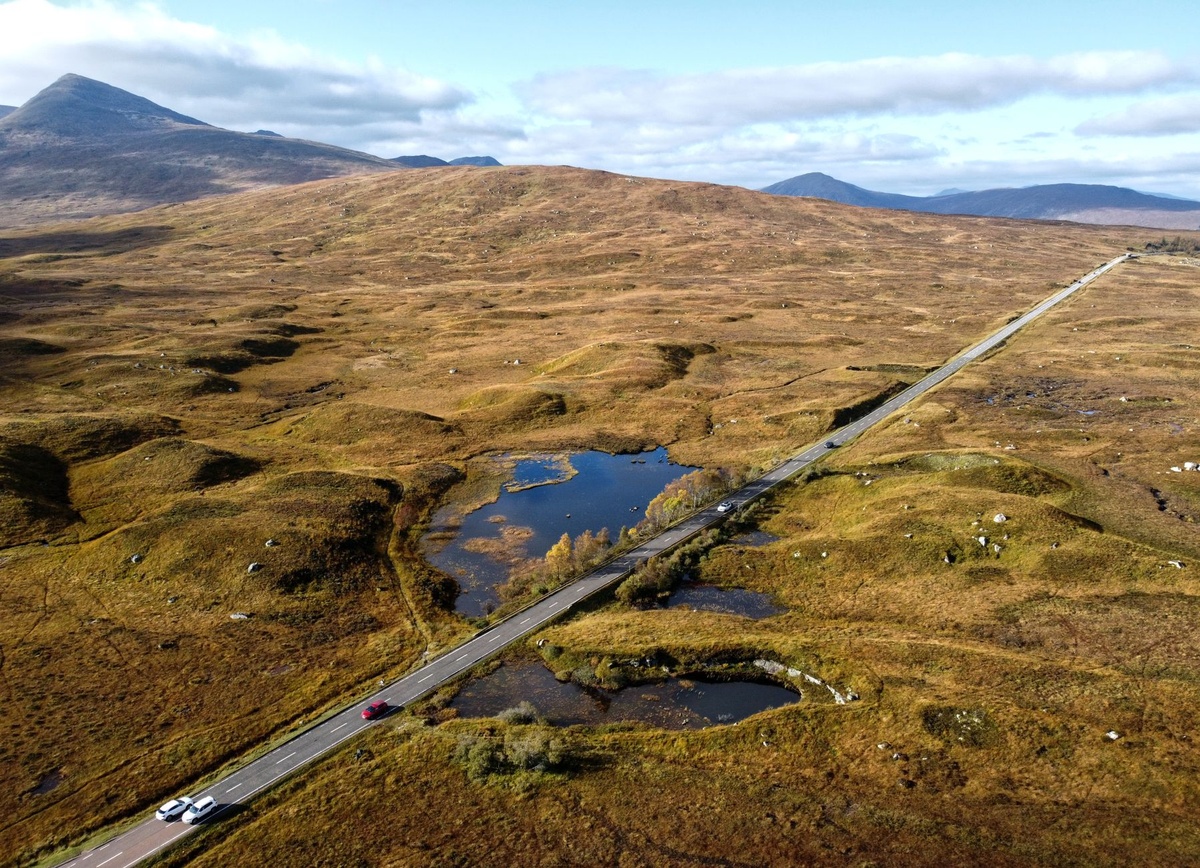
The North Coast 500 made northwest Scotland famous, then almost loved it to death: 516 miles of single-track roads, campervan queues, toilet complaints, and lay-bys turned into photo studios.
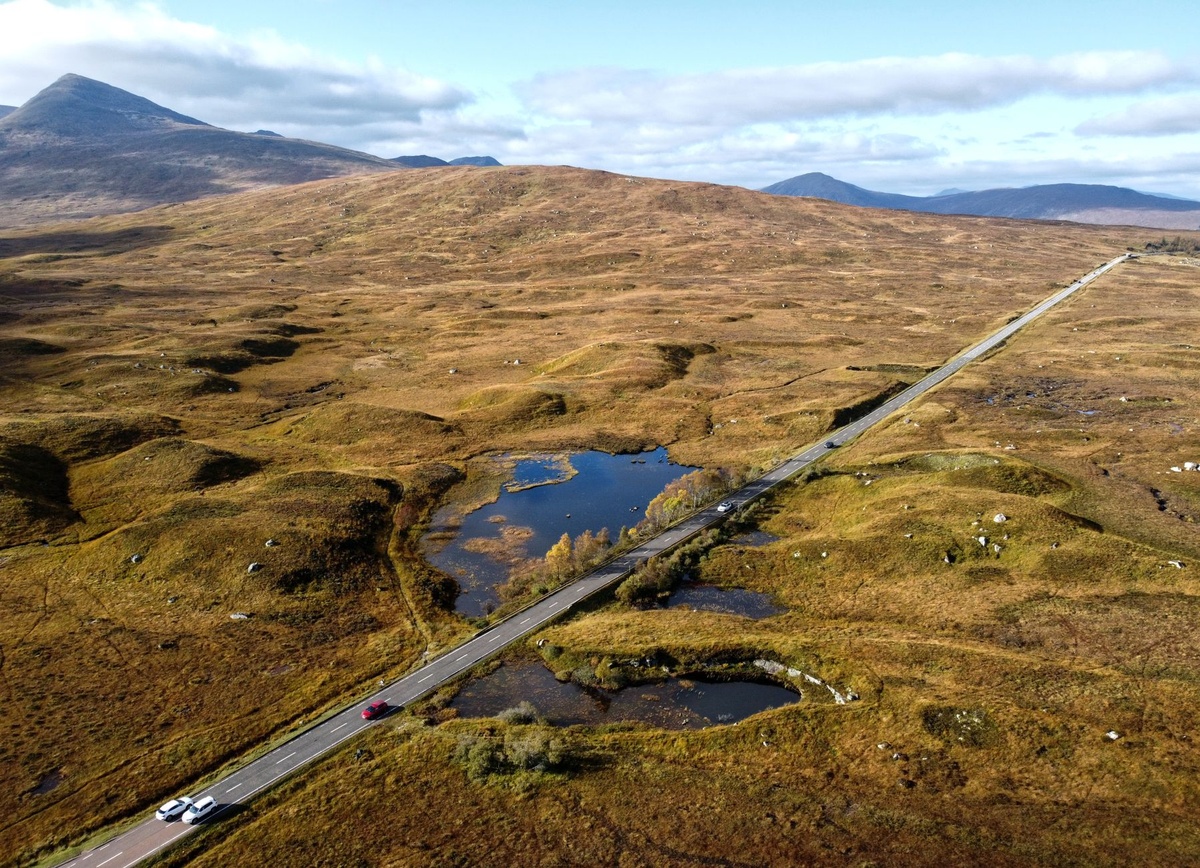
Northwest England’s Morecambe Bay route is the smarter counterpoint for 2026. It has sea-view roads, limestone villages, bird reserves, serious food, and Lake District-adjacent drama — but it’s built around slower stops, trains, bookable experiences, and spreading visitors across Lancashire and Cumbria instead of funnelling everyone onto one viral loop.
Key Takeaways
- Morecambe Bay works best as a 3–4 day slow road trip of roughly 100–160 miles, not a 500-mile dash.
- September is ideal: 14–18°C days, fewer school-holiday crowds, and lower room rates than nearby Windermere.
- Lancaster to Barrow by train takes about 1 hr 20 min and costs from £9–£19 ($12–$25/€11–€22).
- Skip wild lay-by camping; booked campsites around Silverdale and Carnforth typically cost £16–£35 ($21–$46/€19–€41).
- Use tide apps and official guides only — Morecambe Bay’s sands are dangerous without local knowledge.
Why the NC500 Became a Road Trip Overtourism Warning
The NC500 is brilliant on paper: a 516-mile loop from Inverness through Wester Ross, Sutherland, Caithness, and back down the east coast. In reality, too many travelers try to “do” it in 3–4 days, which means 130+ miles per day on roads that often aren’t designed for two vehicles to pass comfortably.
That pace is the problem. A sensible NC500 trip is 7–10 days; a rushed one turns viewpoints into car parks and villages into pit stops.
Costs have also crept up. A Highland campsite pitch that was once £15 can now be £25–£40 ($33–$52/€29–€47) in peak season, while B&Bs in Ullapool or Durness often hit £140–£220 ($182–$286/€164–€257) per night in summer.
The bigger lesson: a scenic road is not automatically a sustainable destination. If the marketing says “drive this loop” but the infrastructure says “please don’t all arrive here at once,” locals pay the price.
Skip this: treating the NC500 like a checklist of Instagram coordinates. Do this instead: copy the best part — coastal roads and small communities — but choose a route designed for shorter distances and longer stops.
The Northwest England Alternative: Morecambe Bay, Not “NC500 Lite”
Morecambe Bay sits between Lancashire and Cumbria, wrapping around Lancaster, Morecambe, Arnside, Silverdale, Grange-over-Sands, Ulverston, Barrow-in-Furness, and Walney Island. The driving distance from Lancaster to Walney via the coast is roughly 85–110 miles depending on detours; a fuller slow loop with Cartmel and Silverdale lands closer to 150–160 miles.
That difference matters. NC500: 516 miles and often 7+ days done properly. Morecambe Bay: 100–160 miles and 3–4 days without feeling like you’re living in a vehicle.
The other advantage is rail. The Lancaster–Barrow line traces the bay in about 1 hr 20 min to 1 hr 45 min, with off-peak fares commonly around £9–£19 ($12–$25/€11–€22) via National Rail. Driving the same stretch takes around 1 hr 30 min without stops, plus fuel and parking.
This is where Morecambe Bay feels genuinely modern. You can drive one section, take the train back, walk a headland, rent a bike, or base yourself in Lancaster rather than dragging a campervan into every village lane.
In September 2026, this is exactly the kind of shoulder-season trip that makes sense. While alpine escapes and famous wine regions are seeing their usual autumn spike, the bay still has warm-ish 14–18°C afternoons, quieter promenades, and room rates below the Lake District honeypots.
A 3-Day Morecambe Bay Road Trip That Doesn’t Annoy Everyone
Day 1: Lancaster and Morecambe — castles, art deco, and a proper promenade
Start in Lancaster, not Windermere. Lancaster has direct trains from Manchester in about 1 hr and from London Euston in roughly 2 hr 30 min, while driving from Manchester Airport takes about 1 hr 15 min without traffic.
Book a Lancaster Castle tour through lancastercastle.com. Tours typically run daily from around 10:00am to 4:00pm, and adult tickets are about £9.50 ($12/€11), compared with £18–£22 ($23–$29/€21–€26) for many major UK castle attractions.
Then drive or take the train to Morecambe. Lancaster to Morecambe is 4 miles: train is about 10 minutes and £3–£5 ($4–$7/€3.50–€6), while a taxi is usually £12–£18 ($16–$23/€14–€21).
Walk the seafront to the Eric Morecambe statue, then have a drink at The Midland Hotel. It’s the obvious stop, but it earns the hype: art deco interiors, bay views, and afternoon tea around £29.50 ($38/€35), versus £45+ ($59/€53) at big-name Lake District hotels.
For dinner, skip bland seafront fish-and-chips-by-default and book The Brasserie at The Midland if you want views, or head back to Lancaster for The Borough, where mains usually sit around £17–£26 ($22–$34/€20–€30). The Borough is less cinematic but more reliable.
Day 2: Arnside, Silverdale, and Leighton Moss — the bay at walking speed
Drive north to Arnside, about 30 minutes from Lancaster or 25 minutes from Morecambe. Parking near the promenade can be tight on sunny weekends, so arrive before 10:00am or take the train: Lancaster to Arnside is around 20 minutes and often £6–£9 ($8–$12/€7–€11).
Walk up Arnside Knott, a 2–3 mile loop with bay views that feel bigger than the mileage suggests. It’s free, compared with £20+ ($26/€23) for many paid “viewpoint experiences” elsewhere in the UK.
Then go to RSPB Leighton Moss, one of the best wetland reserves in England. The visitor centre is generally open 9:30am–5:00pm, adult entry is around £9 ($12/€11), and parking is included for visitors.
This is also where the route’s “do things differently” philosophy becomes obvious. Instead of 200 cars chasing the same sunset lay-by, people are dispersed into hides, walking trails, cafés, trains, and villages.
For lunch, skip Bowness-on-Windermere. It’s pretty, but in September hotel demand around the central Lakes still pushes prices up; lunch queues and parking can feel weirdly summer-like even after school holidays.
Do Wolf House Kitchen near Silverdale instead. Expect brunch plates around £10–£15 ($13–$20/€12–€18), coffee around £3.50 ($4.50/€4), and a far better local feel than the Windermere conveyor belt.
Day 3: Cartmel, Ulverston, Barrow, and Walney Island
From Silverdale to Cartmel is about 45 minutes by car, or much longer by public transport, so this is the day when a car genuinely helps. Cartmel is famous for sticky toffee pudding, but don’t make the mistake of only buying pudding and leaving.
Cartmel Village Shop sells puddings from around £5–£8 ($7–$10/€6–€9), while lunch at Rogan & Co is a splurge, usually around £89 ($116/€104) for a set menu. If that feels too much for a road trip, go to Unsworth’s Yard for cheese, bread, beer, and a more relaxed £12–£20 ($16–$26/€14–€23) lunch.
Continue to Ulverston, about 25 minutes away, then on to Furness Abbey near Barrow. Furness Abbey is usually open 10:00am–5:00pm in the warmer season, and adult tickets are about £12.50 ($16/€15).
End at South Walney Nature Reserve, run by Cumbria Wildlife Trust. It’s generally open during daylight hours, with parking/donation costs around £3–£5 ($4–$7/€3.50–€6), and the payoff is seals, birds, dunes, and a proper edge-of-England feeling.
Barrow gets unfairly skipped because it isn’t chocolate-box pretty. That’s exactly why I like ending here: the route becomes about real coastal England, not just curated stone villages.
NC500 vs Morecambe Bay: The Numbers
The NC500 is still worth doing if you have time, patience, and a responsible plan. But if you have a long weekend in September, Morecambe Bay gives you a better travel-to-reward ratio.
| Category | NC500, Scotland | Morecambe Bay, Northwest England |
|---|---|---|
| Core distance | 516 miles / 830 km | 100–160 miles / 160–257 km |
| Best trip length | 7–10 days | 3–4 days |
| Typical daily driving | 70–130 miles if rushed | 25–55 miles |
| September B&B/hotel range | £140–£220 ($182–$286/€164–€257) | £90–£160 ($117–$208/€105–€187) |
| Camping pitch | £25–£40 ($33–$52/€29–€47) | £16–£35 ($21–$46/€19–€41) |
| Rail backup | Limited in remote west/north sections | Lancaster–Barrow coastal rail line, from £9–£19 ($12–$25/€11–€22) |
| Overtourism risk | High at single-track passes and photo stops | Lower if you use towns, trains, reserves, and booked sites |
The table makes the decision pretty simple. If your holiday is four days, don’t compress the NC500; do Morecambe Bay properly.
Where to Stay Without Turning the Trip Into a Parking Problem
Lancaster is the best base if you want trains, restaurants, and fewer logistics. You can browse hotels in Lancaster, where September rooms commonly sit around £90–£150 ($117–$195/€105–€175), compared with £160–£250 ($208–$325/€187–€292) in central Lake District hotspots like Windermere.
Best practical pick: Lancaster House Hotel, usually around £125–£180 ($163–$234/€146–€210), with parking and easy M6 access. It is not boutique-cute, but it works.
Best view: The Midland in Morecambe, often £140–£220 ($182–$286/€164–€257) in September. Pay for a sea-view room or don’t bother; the building is the point.
Best countryside compromise: Longlands Inn near Carnforth, often £95–£150 ($124–$195/€111–€175), with rooms, pub food, and access to Silverdale without sleeping in the busiest village lanes.
Campervans should book proper sites. Gibraltar Farm near Silverdale often charges from around £16 per adult ($21/€19), while larger holiday parks around Silverdale/Carnforth can run £30–£45 ($39–$59/€35–€53) for serviced pitches.
Tech Tips: Apps That Make This Route Better, Not Busier
The wrong tech made the NC500 worse: viral coordinates, drone shots, and GPS routes sending oversized vehicles onto tiny roads. The right tech on Morecambe Bay helps you avoid that.
- OS Maps: £34.99/year ($46/€41) for reliable walking routes around Arnside Knott, Silverdale, and Walney.
- National Rail app: free, useful for replacing short drives with Lancaster–Arnside or Lancaster–Barrow train hops.
- RingGo or PayByPhone: common for UK parking; service fees are often 20p–40p ($0.25–$0.50/€0.23–€0.47) per session.
- Google Maps offline: free, but don’t blindly follow it down farm lanes in a campervan.
- Tide Times app: essential around Morecambe Bay, where tidal channels move fast and crossing sands without guidance is dangerous.
If you’re visiting from outside the UK, don’t pay a US carrier $10/day for roaming. A UK eSIM from Airalo can cost around $15 (€14) for 5GB, which is enough for maps, bookings, and train updates over a long weekend.
One serious warning: never walk across Morecambe Bay sands without an official guide. Cross Bay Walks are tide-dependent, often 6–8 miles and 3–4 hours, with charity places commonly around £15–£20 ($20–$26/€18–€23) via guideoversands.co.uk.
Mountain and coastal routes have different hazards, but the principle is the same: conditions beat content. We’ve written about that risk-first mindset in our guide to what trekkers need to know after Nepal’s catastrophic flood, and it applies just as much to tidal flats as Himalayan valleys.
When to Go: September Is the Sweet Spot
September is shoulder-season gold here. Daytime temperatures around Morecambe Bay usually sit near 14–18°C, school-holiday pressure drops, and you still get long enough evenings for a promenade walk or sunset at Arnside.
It’s also when the pricing flip becomes obvious. The Lake District doesn’t always get cheaper after August anymore; popular towns like Windermere and Ambleside can stay expensive into foliage season, while Lancaster, Morecambe, Carnforth, and Barrow remain better value.
Compare a Saturday night in September: Windermere boutique rooms can hit £200+ ($260/€234), while Lancaster and Morecambe often have solid options around £110–£150 ($143–$195/€129–€175). That’s the difference between one rushed night and a two-night base.
For events, watch Morecambe’s cultural calendar and England’s Heritage Open Days in September. Heritage sites sometimes open extra spaces for free, which can save £10–£20 ($13–$26/€12–€23) per person versus normal entry fees.
How to Road Trip Morecambe Bay Responsibly
This route only works if travelers resist turning it into another trophy drive. The point is not to “complete” Morecambe Bay; it’s to spend money in places that are usually bypassed on the way to the Lakes.
- Drive less than 60 miles per day. If you’re doing more, you’re probably missing the point.
- Use the train for linear days. Lancaster to Arnside is about 20 minutes by rail versus 30 minutes by car plus parking stress.
- Book campsites, don’t freestyle lay-bys. A legal pitch from £16 ($21/€19) is cheaper than damaging goodwill.
- Eat outside the obvious hotspots. Skip Windermere queues; spend in Silverdale, Ulverston, Morecambe, and Barrow.
- Check tides before beach walks. Morecambe Bay is beautiful, but the sands are not casual terrain.
The NC500’s mistake was becoming a brand before some communities had the infrastructure to absorb the attention. Morecambe Bay’s opportunity is to be a network instead: rail towns, reserves, food stops, walking routes, and short drives stitched together.
The Verdict: The Anti-Instagram Highway Wins the Long Weekend
If you’ve got two weeks and a carefully booked plan, the NC500 can still be magnificent. If you’ve got 3–4 days in September 2026, Morecambe Bay is the better road trip.
It’s cheaper, easier by train, less performative, and more useful for the towns you pass through. You still get big skies, salt air, wildlife, historic ruins, and excellent food — just without pretending that every lay-by is a lifestyle shoot.
Plan it slowly, book locally, and leave gaps in the itinerary. That’s how northwest England avoids repeating Scotland’s Instagram Highway problem — and how you get a much better trip.
Frequently Asked Questions
What is the best alternative to Scotland’s NC500 in northwest England?
Morecambe Bay is the strongest northwest England alternative, with a 100–160 mile slow road trip linking Lancaster, Morecambe, Arnside, Silverdale, Cartmel, Ulverston, Barrow, and Walney. It works better for 3–4 days than the 516-mile NC500.
How many days do you need for a Morecambe Bay road trip?
Plan 3 days minimum, or 4 days if you want to add longer walks and a Cross Bay Walk. Daily driving can stay around 25–55 miles, compared with 70–130 miles on a rushed NC500 itinerary.
Is Morecambe Bay cheaper than the Lake District?
Usually, yes. In September, Lancaster and Morecambe rooms often cost £90–£160 ($117–$208/€105–€187), while central Lake District towns can hit £160–£250 ($208–$325/€187–€292).
Can you do Morecambe Bay without a car?
Partly, yes. The Lancaster–Barrow coastal rail line takes about 1 hr 20 min to 1 hr 45 min end to end, with off-peak fares from roughly £9–£19 ($12–$25/€11–€22).
When is the best time to visit Morecambe Bay?
September is the best balance of weather, price, and crowd levels, with typical daytime temperatures around 14–18°C. Spring is also good for birdlife, but September has warmer sea air and better shoulder-season availability.

About the Author: Tomáš Bzirský
Founder and editor of Distratech. Based in the Czech Republic, travelling regularly from Central Europe. Writes practical travel guides and travel-tech comparisons (eSIM, apps, airports) in six languages.