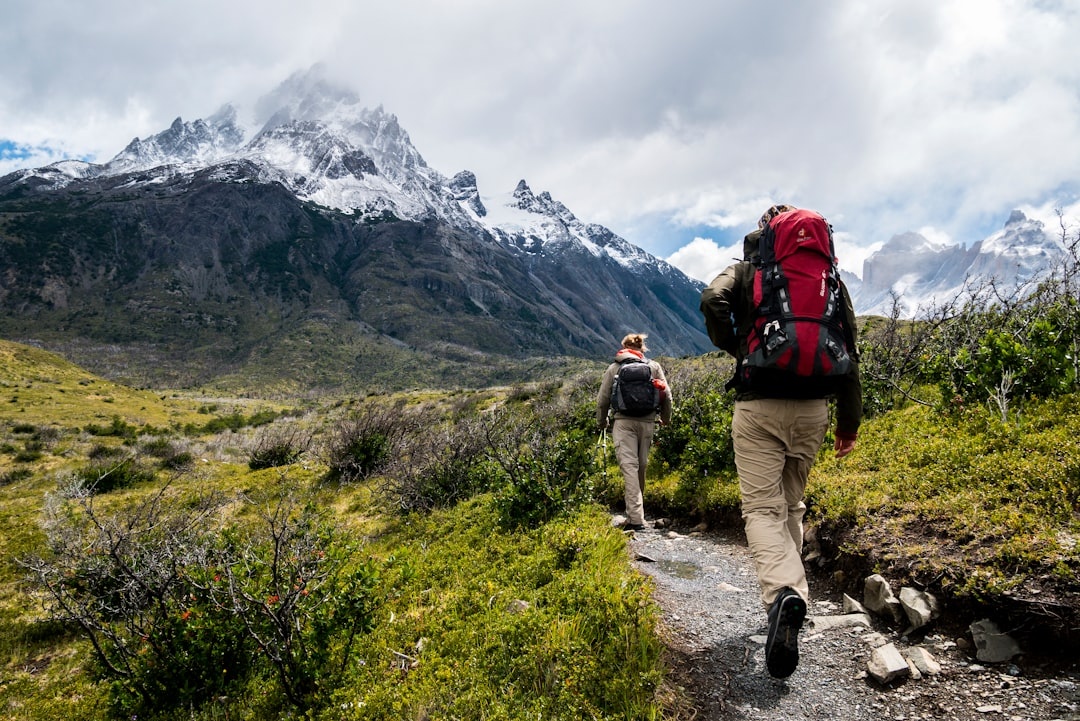
Europe doesn’t need more bucket-list scrums at sunset viewpoints; it needs travelers who move slower, spend wider, and sleep somewhere that isn’t already choking on visitors. A walking holiday does exactly that: you trade one overstuffed city break for 5–10 days through villages, vineyards, ferry ports, alpine valleys, and family-run guesthouses that actually want your September booking.
Key Takeaways
- Budget €65–€140 per day for a self-guided European walking holiday, including lodging, meals, and luggage transfers.
- September is prime walking season: warm trails, cheaper flights, wine harvests, and fewer peak-summer crowds.
- Start with routes like the Camino Português Coastal, Via Francigena in Tuscany, or Slovenia’s Juliana Trail.
- Use Komoot, Organic Maps, and local rail apps instead of relying on Google Maps alone in rural Europe.
- Skip overcrowded icons like Cinque Terre day hikes; walk lesser-known linked trails where your money spreads across villages.
Why Walking Holidays Work Better Than Another City Break
Overtourism is usually a concentration problem. Venice, Barcelona, Dubrovnik, Santorini, and Amsterdam don’t suffer because people travel; they suffer because too many people arrive in the same few streets, at the same few hours, spending money in the same extractive ways.
A walking holiday flips that. You sleep in smaller towns, eat where locals eat, use regional buses and trains, and cover 12–22 km per day instead of queuing for the same viewpoint as 4,000 cruise passengers.
| Trip style | Typical spend pattern | Crowd impact | Better choice |
|---|---|---|---|
| 3-night city break in Venice | €180–€300/night hotel, €5–€10 day fee on peak dates, €9.50 vaporetto ride | Heavy pressure on one historic center | Walk the Prosecco Hills from Conegliano to Valdobbiadene, 50–60 km over 4 days |
| Cinque Terre day hike | €7.50–€15 Cinque Terre Trekking Card, packed trains every 15–30 min | Trail bottlenecks and village crowding | Walk the Ligurian Alta Via sections above Levanto and Bonassola |
| Dubrovnik old town stopover | €35 city walls ticket, 1–2 hour cruise-bus crush | Extreme midday congestion | Walk Croatia’s Koločep and Lopud island trails by ferry from Gruž |
September 2026 is especially good for this shift. Europe is in shoulder-season gold mode: warm sea temperatures, lower midweek airfares, grape harvests in Tuscany and Bordeaux, and alpine trails still open before October snow starts closing high passes.
There’s also a pricing reality check. Fall lodging in famous U.S. leaf-peeping towns is now often pricier than summer, but Europe still has pockets where September walking saves money: inland Portugal guesthouses from €45, Slovenian mountain rooms from €55, and Tuscan agriturismi outside weekends from €85.
Pick the Right Route: Skip the Famous Pinch Points
The best walking holiday is not the one with the most Instagram reels. It’s the one with reliable waymarking, frequent villages, easy luggage transfers, and enough train access that you can shorten a day if weather or knees revolt.
My rule: if a trail has one famous 3 km section where everyone poses, skip it. Choose a linear route where the joy is in the whole week, not one photo.
| Route | Distance / Days | Typical cost | Book through | Why it helps |
|---|---|---|---|---|
| Camino Português Coastal, Porto to Santiago | 260 km / 12–14 days, or Tui to Santiago 115 km / 5–6 days | Albergues €10–€18; private rooms €45–€80; luggage €6–€8 per bag/day | Pilgrim.es, TuiTrans | Moves visitors through small Galician towns instead of concentrating them in Porto/Santiago |
| Via Francigena Tuscany, Lucca to Siena | 137 km / 7–8 days | Guesthouses €65–€120; agriturismi €85–€160; luggage often €18–€25 per stage | Via Francigena official site, SloWays | Supports hill towns during wine harvest instead of adding another Florence day trip |
| Juliana Trail, Slovenia | 270 km total; best first-timer section: Kranjska Gora to Bled, 75–90 km / 5–6 days | Guesthouses €55–€110; buses €2–€8; luggage transfer €15–€25 per bag/day | Julian Alps, Arriva Slovenia | Disperses travelers around Triglav National Park instead of cramming Lake Bled for one afternoon |
| Lechweg, Austria/Germany | 125 km / 6–8 days | Hotels €95–€160; luggage packages from about €699–€950 per person | Lechweg official | Uses off-peak alpine capacity after summer hikers leave and before ski season |
Skip the Tour du Mont Blanc in September unless you booked huts months ago. Dorm half-board commonly runs €65–€90, private rooms sell out fast, and bad-weather detours are expensive; the Juliana Trail gives you mountain drama with better bus backups and fewer trail trains of people.
If you’re flying into a major hub, build in recovery time. Frankfurt, Amsterdam Schiphol, Paris CDG, and Madrid Barajas can still be brutal on Friday afternoons; our guide to surviving Europe’s busiest airports in 2026 is worth reading before you commit to a same-day trail transfer.
Build a 7-Day Walking Holiday That Doesn’t Collapse on Day Three
The rookie mistake is planning 25 km days because the map looks flat. European village walking includes cobbles, farm tracks, ferry schedules, heat, café closures, and the psychological damage of “just one more hill.”
For a first trip, cap your daily distance at 16–20 km. A 14 km day with a two-hour lunch is a holiday; a 28 km day with blister tape and a vending-machine dinner is an endurance event.
- Choose a route with exits. Rail or bus access every 1–2 days is ideal; Camino towns beat remote alpine routes here.
- Book the first two and last two nights. Leave middle nights flexible only if traveling outside weekends or using albergues.
- Add one rest or short day. On a 7-day trip, make day four under 10 km or use it for laundry.
- Check restaurant hours before you walk. Rural kitchens may close between 14:30 and 19:00, and Mondays are often dead.
- Download offline maps. Do it on Wi-Fi before departure; rural roaming can be patchy in valleys and stone villages.
Here’s a realistic one-week September template for the Via Francigena in Tuscany:
| Day | Stage | Distance | Sleep | Typical cost |
|---|---|---|---|---|
| 1 | Arrive Lucca, city walls walk | 4 km warm-up | Lucca | Room €85–€130; dinner €25–€40 |
| 2 | Lucca to Altopascio | 18 km | Altopascio | Guesthouse €60–€90 |
| 3 | Altopascio to San Miniato | 24 km or split with taxi | San Miniato | Taxi shortcut €25–€35 vs bus €2.50–€4 |
| 4 | San Miniato to Gambassi Terme | 24 km | Gambassi | Agriturismo €90–€140 |
| 5 | Gambassi to San Gimignano | 13.5 km | San Gimignano | Dinner pasta €12–€18; wine €5–€7 glass |
| 6 | San Gimignano to Monteriggioni area | 20–26 km | Colle Val d’Elsa or Monteriggioni | Bus bailout €3–€5 vs taxi €35–€50 |
| 7 | Walk into Siena | 15–20 km | Siena | Siena Cathedral ticket €8–€15 depending pass |
In San Gimignano, skip the midday coach-tour gelato queue on Piazza della Cisterna and stay overnight instead. Eat at La Mangiatoia on Via Mainardi; it typically opens 12:00–14:30 and 19:00–22:00, with pici around €12–€14 and grilled meats from €18.
Book Beds, Bags, and Trains Like a Local
You have three booking styles: fully independent, self-guided package, or guided group. Independent is cheapest, guided is easiest, and self-guided is the sweet spot for most travelers who want luggage transfers without walking behind a flag.
| Booking style | Cost for 7 days | Best for | Downside |
|---|---|---|---|
| DIY | €450–€850 per person | Flexible walkers who can book trains and rooms | You handle weather changes and baggage logistics |
| Self-guided package | €850–€1,450 per person | First-timers, couples, limited vacation days | Less freedom; single supplement often €180–€350 |
| Guided group | €1,400–€2,600 per person | Solo travelers who want company and interpretation | Fixed pace; group dining; higher footprint |
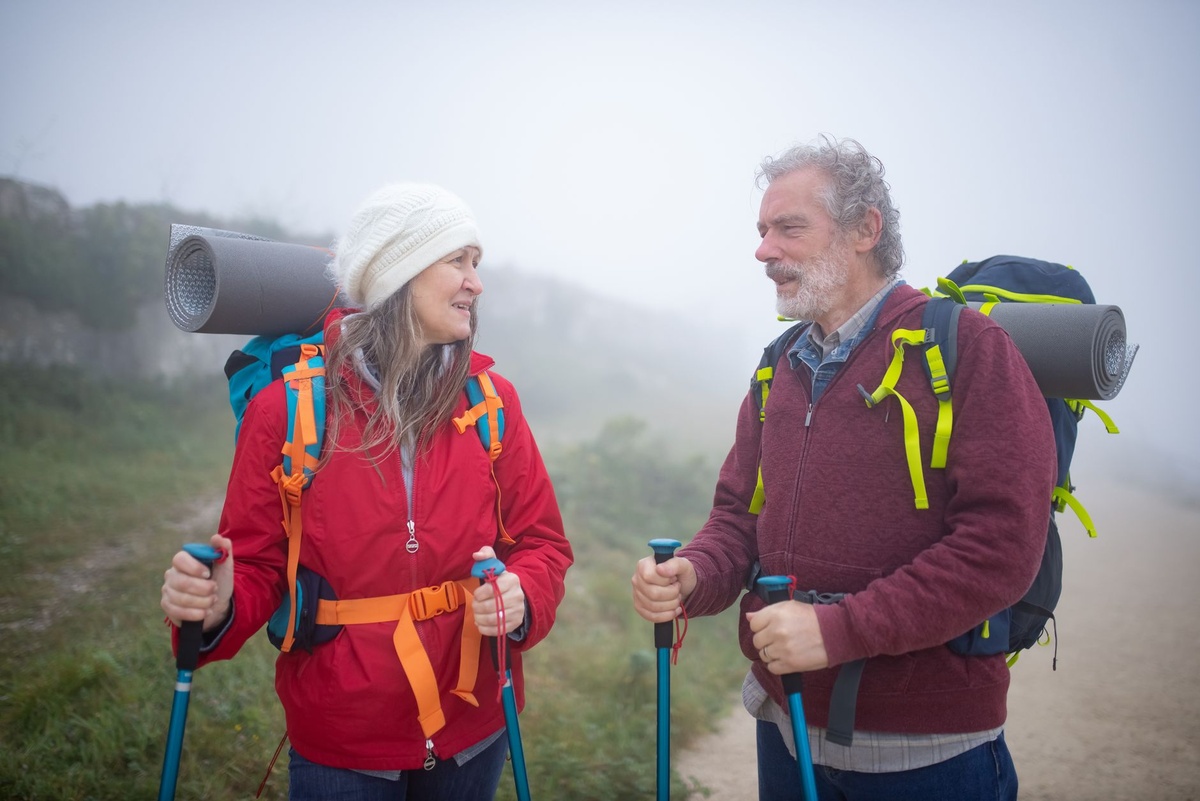
For luggage, one 12–15 kg bag is the norm. Camino services such as TuiTrans charge about €6–€8 per stage, while alpine transfers in Austria or Slovenia are closer to €15–€25 because valleys are longer and operators cover fewer clients.
Rail beats rental cars for almost every linear walk. Florence to Lucca by Trenitalia takes 1 hr 20 min and costs about €8.40; a taxi is €150–€190 and creates the classic overtourism problem: another car entering a fragile historic town.
Use official sites first: Trenitalia for Italy, SNCF Connect for France, ÖBB for Austria, and CP for Portugal. Trainline is useful for comparing cross-border trips, but booking direct makes refunds and delay claims less maddening.
Accommodation tip: email small guesthouses directly after checking availability on Google Maps or route association pages. You’ll often save €5–€15 per night compared with platform pricing, and owners are more likely to help with laundry, packed lunches, or luggage pickup windows.
That said, read the fine print if you book apartments. Platform fees and cleaning charges can distort the real price; Distratech has a useful explainer on how changing Airbnb host fees may affect your next stay.
Pack Tech That Helps You Walk, Not Scroll
A walking holiday is one of the few trips where travel tech genuinely matters. The right offline map can save you 4 km of backtracking; the wrong battery habit can leave you mapless in a vineyard at 17:30.
Do not rely on Google Maps alone. It is good for restaurants and bus stops, weak for footpaths, and actively annoying when it reroutes you onto roads because it doesn’t understand waymarked trails.
| Tool | Price | Use it for | Skip if |
|---|---|---|---|
| Komoot | Single region about $3.99; World Pack about $29.99 | Turn-by-turn walking navigation and GPX routes | You only need basic offline maps |
| Organic Maps | Free | Offline village maps, shops, water sources | You want curated trail notes |
| Outdooractive Pro | About €29.99–€34.99/year | Alpine routes, official trail layers, elevation profiles | You’re walking the Camino with painted arrows |
| PeakFinder | About $4.99 one-time | Identifying mountains in the Alps | You don’t care which snowy lump is which |
For data, buy an eSIM before leaving the airport. Airalo Europe regional plans often start around $5 for 1 GB/7 days and $13–$20 for 3–5 GB, which is enough if maps are downloaded offline.
Bring a 10,000 mAh power bank, not a giant brick. It adds about 180–220 g and usually gives an iPhone or Pixel two full charges; a 20,000 mAh bank doubles the weight and is overkill unless you’re camping.
Set battery rules: airplane mode while walking, location on only for navigation checks, photos synced on Wi-Fi at night. That can stretch a phone from 8–10 hours of heavy GPS use to 24–30 hours of practical trail use.
Eat and Spend Where It Actually Matters
Walking holidays only help overtourism if your money lands locally. A €4 supermarket lunch is fine sometimes, but if every walker buys imported snacks and sleeps in chain hotels, the villages become scenery rather than beneficiaries.
Spend deliberately: breakfast at your guesthouse, one proper local lunch every other day, and dinner at family-run places away from the main square. In Portugal, a prato do dia is often €9–€13 including soup or drink; in Tuscany, a tourist-menu pasta near a cathedral can hit €18 before cover charge.
On the Camino Português Coastal, skip the over-polished waterfront menus in central Porto once you start walking. In Viana do Castelo, book Tasquinha da Linda by the fishing port; lunch is typically 12:30–15:00, dinner 19:00–22:30, and grilled fish runs about €18–€28 depending on weight.
In Slovenia, skip the Lake Bled cream-cake scrum at peak hour and eat in Kranjska Gora before or after your trail section. Gostilna Pri Martinu usually opens 12:00–22:00; jota soup is around €7–€9, hearty mains €12–€18, and you’ll hear more Slovene than English if you go early.
Compare that with a rushed day-trip lunch beside Bled: €16–€22 for average pizza, €6–€8 parking per hour near the lake in high demand zones, and zero reason to linger. Walking spreads that spend across villages like Mojstrana, Radovljica, and Kranjska Gora instead.
Why September 2026 Is the Month to Start
September is the best month for roughly 80% of European walking trips because it solves the two big problems: heat and crowds. You still get long-enough daylight, but you’re not climbing Tuscan gravel roads at 36°C with tour buses breathing down your neck.
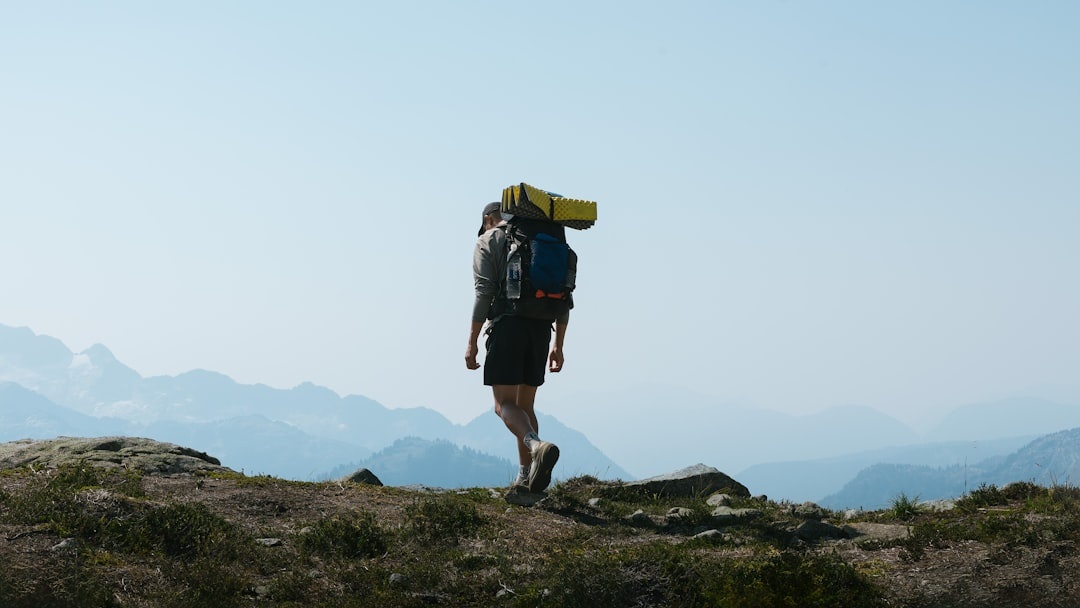
Wine regions are especially strong now. Tuscany’s vendemmia usually runs from late August through September; Portugal’s Douro harvest peaks around September; Bordeaux châteaux are busy but atmospheric, with tastings often €15–€35 compared with €8–€15 at smaller cooperatives.
The altitude-shift trend is real too. Mountain-view stays are surging as travelers chase cooler air without winter prices, but September still has gaps if you avoid weekends and famous bases. In the Dolomites, a rifugio half-board bed may be €70–€95; in the Slovenian Alps, private guesthouse rooms can still sit at €55–€90.
Weather comparison matters. Porto in September averages around 24°C daytime highs, Siena around 27°C early month and cooler later, and Kranjska Gora around 19–22°C; August is hotter by 3–6°C and far busier on transport.
If you’d rather postpone until colder months, walking logic still applies: choose secondary bases, stay longer, and use trains. Distratech’s guide to the best European winter destinations has good ideas for off-season sun and snow without joining the same old crowds.
The Walking-Holiday Code: Don’t Become the Problem on Foot
Walking is low-impact, not no-impact. A trail can still be overwhelmed if everyone cuts switchbacks, wild-camps illegally, posts fragile shortcuts on TikTok, or treats tiny villages like open-air cafés.
- Book ahead in small places. A village with 40 beds cannot absorb 80 spontaneous walkers at 19:00.
- Carry cash. Rural bakeries and bars may have €10 card minimums; keep €40–€80 in small notes.
- Use public transport for trailheads. Bus €2–€8 beats taxi €25–€70 and reduces parking pressure.
- Stay on marked paths. Farm terraces and alpine meadows are not shortcuts.
- Don’t geotag fragile detours. Share the region, not the exact unofficial path.
- Tip when service is personal. €2–€5 for luggage help or a packed lunch gesture goes a long way.
Opening hours deserve respect too. Many rural tourist offices still close for lunch, often around 12:30–14:30; the Santiago Pilgrim Office generally opens daily around 09:00–19:00 in busy periods, but queues after 16:00 can be longer than the walk into town.
Arrive early, wash your socks, buy the local cheese, and leave the village quieter than you found it. That’s the difference between slow travel and just moving slowly.
Ready to Walk Europe Differently?
A walking holiday won’t “fix” overtourism alone, but it is one of the rare travel choices where the better experience is also the better behavior. You get quieter mornings, cheaper rural rooms, memorable meals, and a reason to care about the 17 km between famous places.
Start with five days, not fifteen. Pick a route with trains, luggage transfers, and real villages, then travel in September while Europe is warm, open, and breathing again.
CTA: Choose one route from the table, download its GPX file tonight, and price the first three nights. If the numbers work, book the train before you talk yourself back into another crowded city break.
Frequently Asked Questions
How much does a walking holiday in Europe cost?
Expect €65–€140 per person per day for a self-guided trip with guesthouses, meals, and occasional luggage transfer. DIY Camino trips can be as low as €40–€70 per day using albergues, while alpine hotel-based routes often run €120–€180 per day.
What is the best walking holiday in Europe for beginners?
The Camino Português from Tui to Santiago is one of the easiest first routes: about 115 km over 5–6 days, frequent cafés, strong waymarking, and luggage transfers for €6–€8 per bag/day. For a non-Camino option, try Slovenia’s Juliana Trail sections near Kranjska Gora and Bled.
When is the best month for a European walking holiday?
September is the strongest all-round month because temperatures are milder, summer crowds drop, and most mountain and rural services remain open. May and early June are also excellent, but September adds wine harvests in Tuscany, Douro, and Bordeaux.
Do I need to carry my own luggage on a walking holiday?
No. Most established routes offer luggage transfers: about €6–€8 per stage on the Camino, €15–€25 in Slovenia or Austria, and €18–€25 in Tuscany. Keep a daypack with water, rain shell, snacks, charger, and documents.

About the Author: Tomáš Bzirský
Founder and editor of Distratech. Based in the Czech Republic, travelling regularly from Central Europe. Writes practical travel guides and travel-tech comparisons (eSIM, apps, airports) in six languages.