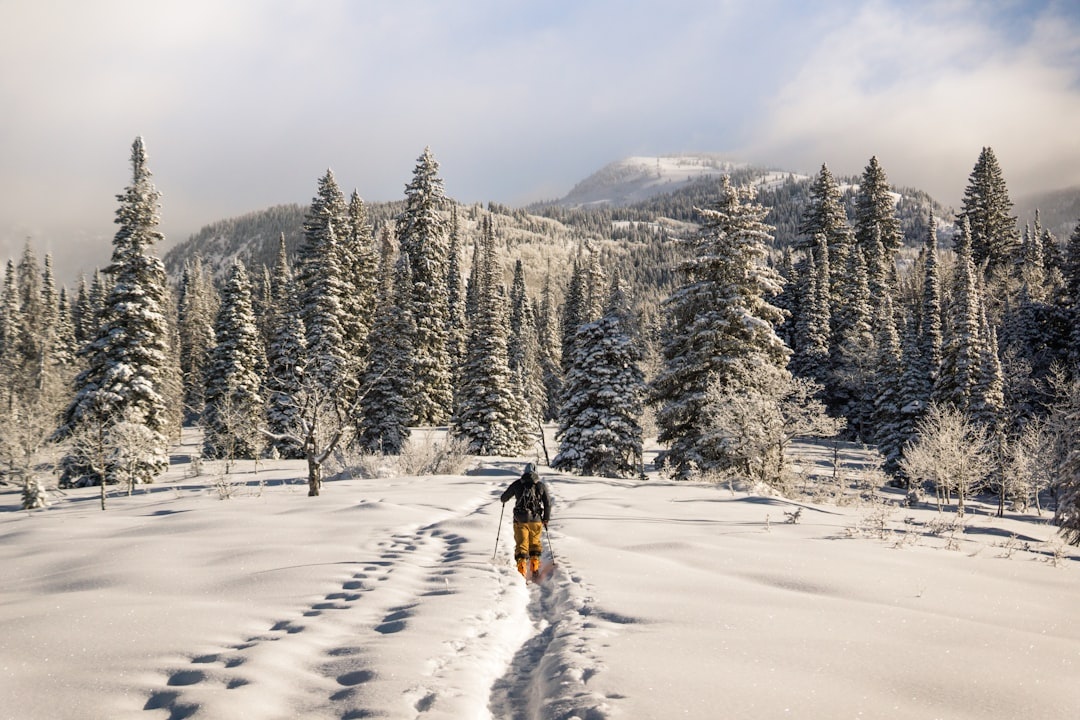
August is when smart winter trips get booked: flights are still flexible, hotels haven’t all repriced, and you can think clearly before December panic-searching begins. While southern Europe is baking at 40°C+ right now and September is secretly the real Mediterranean summer, winter flips the map: the best trips are either warm, cheap, and quiet — or properly snowy with a reason to embrace the cold.
Key Takeaways
- Book winter flights by late August or September for the best mix of price and availability.
- Madeira and the Canary Islands are the safest bets for 18–23°C winter sun in Europe.
- For snow, Innsbruck is better value than Zermatt: ski buses from €3 vs Swiss mountain trains from CHF 126 return.
- Northern lights trips are strongest from late November to March, but Tromsø beats Iceland for aurora odds.
- Use trains where possible: winter airport delays are common, especially in Amsterdam, Frankfurt, and Paris-CDG.
Quick Comparison: Winter Sun vs Snow Trips in Europe
| Trip style | Best destinations | Typical winter temperature | Sample daily budget |
|---|---|---|---|
| Off-season sun | Madeira, Tenerife, Málaga, Palermo | 15–23°C | €75–€140 / $82–$153 |
| Snow adventure | Innsbruck, Zermatt, Rovaniemi, Tromsø | -15–5°C | €130–€300 / $142–$327 |
| Atmospheric city break | Tallinn, Reykjavík | -6–4°C | €95–€220 / $104–$240 |
1. Madeira, Portugal — Best for Winter Sun Without Long-Haul Jet Lag
Madeira is my top winter-sun pick because it feels subtropical without the 9-hour flight. Funchal sits around 18–21°C in December and January, and the island’s levada walks stay green when much of Europe is grey.
Skip the crowded Cabo Girão glass platform at midday; go at 9am or do the Levada do Caldeirão Verde instead, a 13 km round-trip hike that takes about 4–5 hours. The cable car from Funchal to Monte costs about €18 return, while a Bolt ride up is usually €10–€14 and faster if you’re two people.
Eat at O Tasco in Funchal for black scabbardfish with banana, usually €16–€20. For a practical base, compare hotels in Funchal; staying near Avenida do Mar saves taxi money because airport buses stop nearby.
Book: levada guides via GetYourGuide or direct local operators. Airport Aerobus: €6 one-way, 30–45 minutes vs taxi €30–€40, 20 minutes.
2. Tenerife, Spain — Best for Reliable Beach Weather and Volcano Drama
Tenerife is warmer than mainland Spain in winter, with south-coast highs around 22–24°C. The mistake is staying only in Playa de las Américas; it’s convenient, but it can feel like a shopping mall with sunburn.
Do this instead: stay in Costa Adeje for beach access, then rent a car for Teide National Park, about 90 minutes away. The Teide Cable Car usually runs 9am–5pm in winter, weather permitting, and tickets cost around €41 return via volcanoteide.com.
Restaurant opinion: skip the buffet strips and book El Calderito de la Abuela in La Orotava; mains are €14–€24 and the views beat most hotel terraces. Titsa bus 343 from Tenerife South Airport to Costa Adeje costs about €3.70 and takes 25–35 minutes vs taxi €35–€45 in 20 minutes.
3. Málaga, Spain — Best for a Cheap Winter City-and-Sea Break
Málaga is not tropical, but it is bright, walkable, and dramatically better value than Barcelona in winter. Expect 16–19°C daytime highs, with museum-and-tapas weather rather than guaranteed beach days.
The Alcazaba opens roughly 9am–6pm in winter, and combined entry with Gibralfaro Castle is about €5.50 via alcazabaygibralfaro.malaga.eu. Skip the overhyped restaurants directly on Calle Larios; go to Casa Lola for tapas from €3.20 or La Cosmopolita for a smarter lunch around €30–€40 per person.
Airport train C1 to Málaga Centro-Alameda costs about €1.80 and takes 12 minutes. A taxi is fixed around €20–€25 and barely saves time unless you have luggage or arrive late.
4. Palermo, Sicily — Best for Off-Season Food and Culture
Palermo in winter is chaotic, delicious, and far less exhausting than in July. Daytime temperatures usually sit around 14–17°C, and hotel prices can be 30–45% lower than spring.
Go for the Arab-Norman route: Palermo Cathedral is generally open 7am–7pm, while the rooftop ticket is about €7. The Palatine Chapel, booked via federicosecondo.org, costs around €19 and is absolutely worth it; skip the horse carriage touts outside.
Eat street food at Nni Franco U’ Vastiddaru: panelle sandwiches cost about €3, compared with €18–€25 for a tourist-trap seafood plate nearby. Prestia e Comandè buses from Palermo Airport cost €6.50 and take 50 minutes vs taxi €45–€50 in 35 minutes.
5. Innsbruck, Austria — Best Value Snow Base for Non-Skiers and Skiers
Innsbruck is the rare Alpine city where you can ski in the morning and eat dumplings in a medieval old town by 4pm. It’s also far better value than the big-name Swiss resorts.
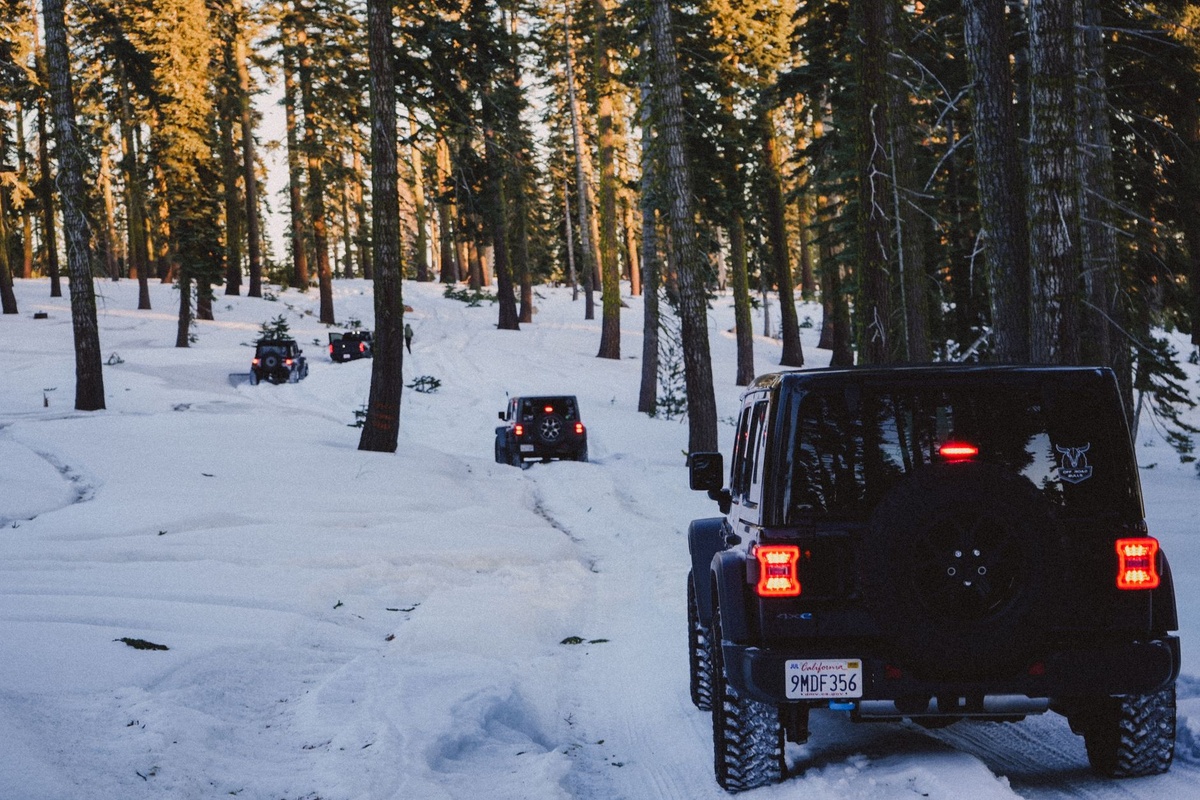
The Nordkette cable car runs from the city center via Hungerburgbahn, usually around 8am–6pm, and costs about €47 return to the Top of Innsbruck via nordkette.com. Compare that with Zermatt’s Gornergrat return fare, often CHF 126 / about $143.
For food, go to Stiftskeller: käsespätzle is around €14–€16 and beer €4.80. Ski bus access to nearby resorts can be free with some guest cards, while regular city transport tickets start around €3; a taxi to Axamer Lizum can hit €55–€70.
If you’re traveling as a family, Austria and Switzerland are strong rail countries; this guide to family-friendly train travel in Europe is useful before you commit to a rental car.
6. Zermatt, Switzerland — Best Bucket-List Snow Trip If You Can Afford It
Zermatt is expensive, yes — but the Matterhorn in winter is one of Europe’s great views. I wouldn’t recommend it for bargain hunters, but for a once-a-decade snow trip, it delivers.
The Gornergrat Railway runs from early morning to evening depending on season, and winter return tickets are usually around CHF 126 adult via gornergrat.ch. That’s steep, but the 33-minute climb from Zermatt to 3,089 m is more memorable than many full-day tours elsewhere.
Skip fondue places with laminated photo menus; book saycheese! or Du Pont, where fondue is typically CHF 29–CHF 36 per person. Train from Geneva Airport takes about 3 hr 45 min and costs from CHF 55 booked early on sbb.ch; driving is pointless because Zermatt is car-free.
7. Rovaniemi, Finland — Best for Santa, Snow, and Family Winter Magic
Rovaniemi is commercial, but it knows exactly what it is: snow, reindeer, huskies, Santa photos, and Arctic Circle bragging rights. Visit in January for lower prices than Christmas week and better snow depth.
Santa Claus Village is free to enter and generally open daily, while SantaPark tickets often start around €49 adult and €43 child via santaparkarcticworld.com. A husky safari costs roughly €95–€160 per adult; compare that with a simple reindeer sleigh ride from about €35–€55.
Bus 8 from Rovaniemi center to Santa Claus Village costs about €4 and takes 20 minutes vs taxi €25–€35 in 10–15 minutes. Eat at Roka Kitchen & Wine Bar; lunch mains are around €16–€22, far better value than themed village cafés.
8. Tromsø, Norway — Best for Northern Lights Odds
If seeing the aurora is the goal, choose Tromsø over Reykjavík. It’s farther north, darker, and surrounded by flexible chase routes that can dodge clouds into Finland if needed.
Fjellheisen cable car usually runs from 10am to midnight in winter, with adult return tickets around NOK 415 / €36 via fjellheisen.no. Northern lights minibus tours cost NOK 1,600–2,200 / €140–€190; expensive, but the success rate is better than standing on a city waterfront hoping.
Skip whale-watching combos if your real target is aurora; winter daylight is short, and you’ll be exhausted. Airport bus Flybussen costs about NOK 125 / €11 and takes 15 minutes vs taxi NOK 250–350 / €22–€31.
9. Reykjavík, Iceland — Best for Winter Landscapes and Hot Springs
Iceland is busy even in winter now, but it’s still spectacular when lava fields are dusted with snow. The catch: weather can wreck plans, so build in a buffer day.
Blue Lagoon admission starts around ISK 9,990 / €65 and hours vary by date, commonly 8am–10pm in winter via bluelagoon.com. Personally, I’d skip it if prices spike and book Sky Lagoon instead, where entry often starts around ISK 9,990 too but the oceanfront setting feels less airport-stopover.
Flybus from Keflavík Airport to Reykjavík costs about ISK 4,499 / €29 and takes 45 minutes vs taxi ISK 18,000–25,000 / €117–€162. For food, Hlemmur Mathöll is more practical than formal restaurants: expect €15–€25 per meal instead of €45+.
10. Tallinn, Estonia — Best Christmas-Market City Without Vienna Prices
Tallinn is one of Europe’s best-value winter city breaks, especially if you want fairy-tale streets without paying Salzburg hotel rates. The Christmas market usually runs from late November to early January in Town Hall Square.
The market is free to enter and typically opens around 10am–8pm, with hot wine around €5 and sausages €6–€8; check dates at christmasmarket.ee. Climb St. Olaf’s Church only if open seasonally; in deep winter, do the Kiek in de Kök tunnels instead, tickets around €16.
Skip Old Town restaurants with medieval costumes unless you love theatre pricing. Go to Rataskaevu 16 for mains around €16–€24, or Balti Jaama Turg for casual meals under €12.
Tram 4 from Tallinn Airport to the center costs about €2 and takes 15–20 minutes vs taxi €10–€15. That airport-to-old-town efficiency is hard to beat anywhere in Europe.
Before You Book: Winter Travel Tech and Timing Tips
Winter travel rewards people who plan early. In August 2026, while everyone is distracted by the Perseids, Edinburgh Fringe, La Tomatina, and last-minute beach deals, start tracking December–February fares with Google Flights and set alerts for “weekend” rather than fixed dates.
- Use eSIMs: install Airalo before landing; airport SIM kiosks are often 30–60% pricier.
- Check airport risk: if routing through CDG, Amsterdam, or Frankfurt, read our guide to surviving Europe’s busiest airports.
- Pack traction grips: €12–€25 on Amazon can save your trip in Tallinn, Tromsø, and Reykjavík.
- Download local apps: Yr.no for Nordic weather, SBB Mobile for Switzerland, ÖBB for Austria, Bolt for Málaga/Palermo/Tallinn.
- Protect your devices: hotel Wi-Fi and airport charging points are weak spots; our travel cybersecurity checklist is worth reading before a multi-country trip.
If your winter flight is delayed or canceled, document everything in the airline app and keep receipts. For EU/UK compensation claims, services like AirHelp can be useful, though they take a fee if successful.
My Verdict: Where I’d Actually Go This Winter
If you want sun, book Madeira first, Tenerife second, Málaga third. Madeira wins because it has proper landscapes, not just resort weather.
If you want snow, choose Innsbruck unless your budget says Zermatt. If northern lights are the dream, Tromsø beats Reykjavík — but Reykjavík is better if you want hot springs, waterfalls, and a softer landing.
Start checking flights now, especially for school breaks and Christmas-market weekends. Pick the trip that matches the winter you actually want: warm terrace lunches, serious snow, or one big Arctic sky moment.
Frequently Asked Questions
Where is warm in Europe in winter?
Madeira and the Canary Islands are the most reliable warm winter destinations in Europe, with typical daytime highs of 18–24°C. Málaga and Palermo are cooler at around 14–19°C but cheaper and better for culture-heavy trips.
What is the cheapest snowy destination in Europe?
Innsbruck is one of the best-value snowy bases because you can sleep in a real city and access ski areas by public transport. Expect meals from €14–€20 and local transport from about €3, compared with Swiss resort prices that can be double.
When should I book a winter trip to Europe?
For December and February school holidays, book flights and hotels by late August or September. January trips outside New Year are usually cheaper, with hotel rates often 20–40% lower than Christmas week.
Is Europe worth visiting in winter?
Yes, if you choose the right destination for the season. Winter is ideal for Madeira, Tenerife, Alpine ski towns, northern lights trips, and Christmas-market cities, but less ideal for beach-only holidays on mainland Europe.

About the Author: Tomáš Bzirský
Founder and editor of Distratech. Based in the Czech Republic, travelling regularly from Central Europe. Writes practical travel guides and travel-tech comparisons (eSIM, apps, airports) in six languages.