Europe’s busiest airports are not always the ones with the most passengers. If you care about delays, missed connections, taxi queues, runway congestion, and how long you’ll be stuck watching your gate change from B18 to C92, commercial flight volume is the number to watch.
Key Takeaways
- Amsterdam Schiphol and Paris CDG are the EU’s busiest airports by commercial flights, each handling roughly 1,300+ daily movements.
- August 2026 is peak-stress season: southern Europe is hot, school holidays are still active, and Spain/Italy routes are packed.
- Train beats taxi at most top EU airports: Frankfurt airport to city is about €6.30 and 15 minutes vs €35–45 by taxi.
- Best September strategy: book Mediterranean trips after Sept. 8 for lower fares, fewer families, and still-summer weather.
- Use airport apps plus Flighty or Flightradar24 to track aircraft rotation before the airline admits your delay.
Below is the practical ranking: the busiest airports in the European Union for commercial flights, meaning scheduled and non-scheduled passenger/cargo aircraft movements. London Heathrow and Istanbul are huge, but they are not in the EU, so they do not make this list.
How This Ranking Works: Flights, Not Passenger Numbers
Airport rankings get messy because “busy” can mean passengers, cargo, seats, or aircraft movements. For travelers, commercial flights are the most useful metric because every takeoff and landing competes for runway slots, gates, baggage belts, air traffic control, and border desks.
A smaller airport with lots of short-haul flights can feel more chaotic than a larger long-haul hub. Madrid may carry more passengers than Munich, but both can feel completely different at 7:30 a.m. when Schengen commuter waves hit security.
| Metric | What It Tells You | Why Travelers Should Care |
|---|---|---|
| Commercial flights | Takeoffs and landings by passenger/cargo aircraft | Best indicator for runway congestion and connection risk |
| Passenger numbers | Total travelers handled | Best for immigration, baggage, and terminal crowding |
| Destinations | Number of served routes | Best for route choice and backup options |
| Cargo volume | Freight handled | Matters more at hubs like Frankfurt and Amsterdam |
For August 2026 travel, this distinction matters. A full Airbus A321 to Palma creates one movement; a half-empty regional jet to Lyon also creates one movement, but both still need a slot, a gate, and ground crew.
The 10 Busiest Airports in the EU for Commercial Flights
These rankings are based on the latest full-year airport and Eurocontrol-style movement data available by August 2026, rounded because airports report aircraft movements slightly differently. The order is stable enough for planning: Amsterdam, Paris CDG, Frankfurt, and Madrid are the big four.
| Rank | Airport | Country | Approx. Commercial Flights / Day | City Transfer: Best Option |
|---|---|---|---|---|
| 1 | Amsterdam Schiphol Airport (AMS) | Netherlands | 1,300–1,400 | NS train: €5.90, 14–18 min to Amsterdam Centraal |
| 2 | Paris Charles de Gaulle Airport (CDG) | France | 1,300–1,380 | RER B: €11.80, 35–45 min to Gare du Nord |
| 3 | Frankfurt Airport (FRA) | Germany | 1,200–1,300 | S-Bahn: €6.30, 12–15 min to Frankfurt Hbf |
| 4 | Madrid-Barajas Airport (MAD) | Spain | 1,100–1,250 | Metro: about €5 incl. airport supplement, 35–40 min to Sol |
| 5 | Barcelona-El Prat Airport (BCN) | Spain | 900–1,050 | Aerobús: €7.25, 30–35 min to Plaça Catalunya |
| 6 | Munich Airport (MUC) | Germany | 850–950 | S-Bahn: about €13.60, 38–45 min to Marienplatz |
| 7 | Rome Fiumicino Airport (FCO) | Italy | 800–900 | Leonardo Express: €14, 32 min to Roma Termini |
| 8 | Palma de Mallorca Airport (PMI) | Spain | 700–850 in peak season | EMT A1 bus: €5, 20–30 min to Palma |
| 9 | Lisbon Airport (LIS) | Portugal | 650–750 | Metro: €1.80 + €0.50 card, 20–25 min to center |
| 10 | Paris Orly Airport (ORY) | France | 650–730 | Metro Line 14 airport fare: about €13, 25 min to Châtelet |
Skip judging airports by prestige. Frankfurt and Schiphol may look efficient on paper, but both can unravel fast during weather disruption because they are slot-heavy connection machines.
1–4: The EU Mega-Hubs Where Connections Can Go Wrong
1. Amsterdam Schiphol Airport (AMS), Netherlands
Schiphol is the EU’s busiest airport by commercial flights in many recent rankings, and it feels like it. The airport is 17 km from central Amsterdam, and the NS train from ns.nl costs about €5.90 and takes 14–18 minutes to Amsterdam Centraal.
Taxi is usually a bad deal: expect €45–65 and 25–45 minutes, depending on traffic. Skip taxis unless you land after midnight with heavy bags; the train runs through the night, though less frequently.
Terminals are effectively open 24 hours, but shops and food outlets vary; many landside cafés open around 6:00 a.m. For a short overnight, citizenM Schiphol is a 6-minute covered walk and often costs €120–190, while shuttle hotels can waste 40 minutes round-trip.
2. Paris Charles de Gaulle Airport (CDG), France
CDG is 25 km northeast of Paris and is powerful, sprawling, and frequently annoying. The RER B costs €11.80 and takes 35–45 minutes to Gare du Nord; a taxi has fixed fares of €56 to the Right Bank and €65 to the Left Bank.
Book train and metro routes through Île-de-France Mobilités or use the Bonjour RATP app. Skip tight 60-minute self-transfers at CDG; Terminal 2E to 2F can be easy, but 1 to 2G is a different sport.
If you need food, I Love Paris by Guy Martin in Terminal 2E is better than most airport dining, but prices are Paris-airport painful: expect €18–25 for a main. A Paul sandwich for €6–8 is less glamorous and often the smarter move.
3. Frankfurt Airport (FRA), Germany
Frankfurt sits 12 km from the city center, which is why it wins on ground access. The S8/S9 train costs about €6.30 and reaches Frankfurt Hauptbahnhof in 12–15 minutes; a taxi costs €35–45 and rarely saves enough time to justify it.
Use bahn.com or the DB Navigator app. The airport operates 24 hours as a terminal, but Frankfurt has a strict night flight ban from roughly 11:00 p.m. to 5:00 a.m., so late delays can turn into overnight chaos.
For layovers, the Hilton Frankfurt Airport is attached to The Squaire above the long-distance train station and often runs €150–220. Skip off-airport “airport hotels” in Kelsterbach if your connection is under 10 hours.
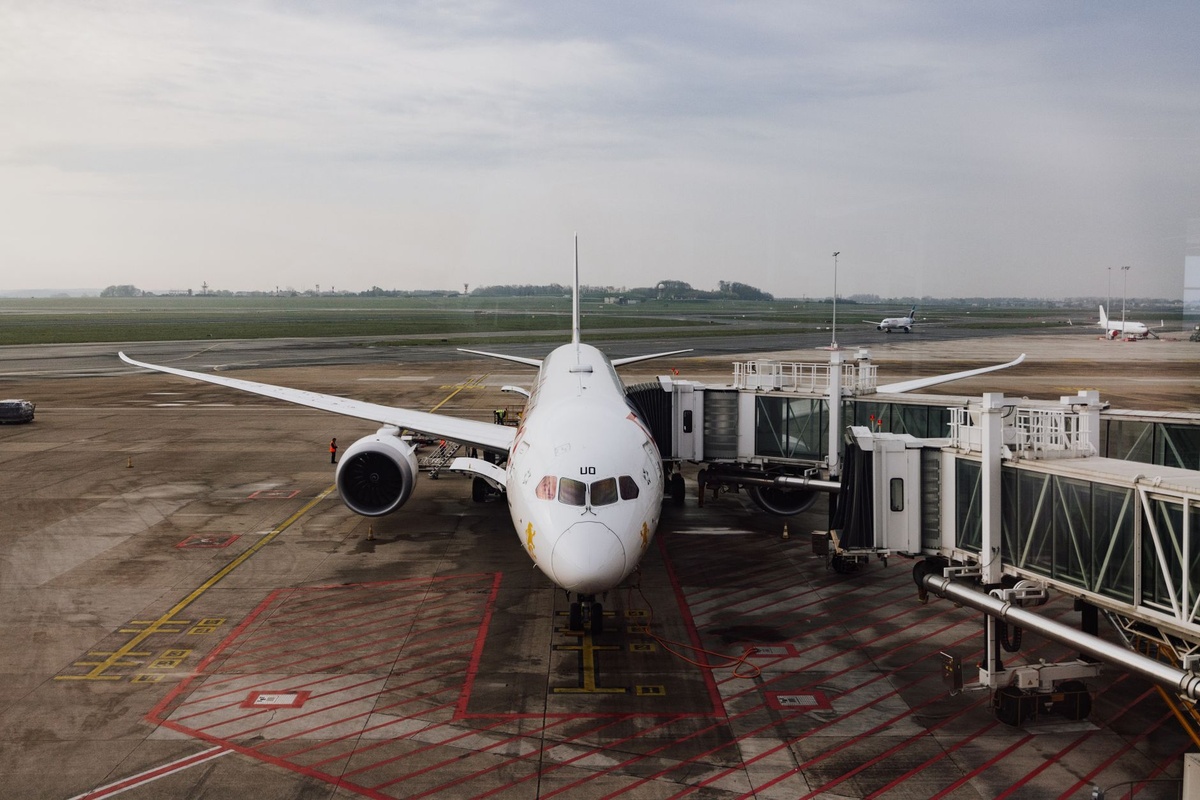
4. Madrid-Barajas Airport (MAD), Spain
Madrid-Barajas is 12–18 km from central Madrid depending on terminal. Metro Line 8 plus connections costs around €5 including the airport supplement and takes 35–40 minutes to Sol; fixed taxi fare to the city center is €33.
Terminal 4 is beautiful but huge. If you fly Iberia long-haul, allow 20–30 minutes just for moving between T4 and satellite T4S via the underground train.
August in Madrid can hit 38–40°C, and the city is quieter because locals leave. If you’re connecting to Spain for La Tomatina near Valencia on Aug. 26, 2026, fly into Madrid only if Valencia fares are brutal; otherwise skip the extra airport transfer and book VLC directly.
5–10: Leisure Giants, Summer Pressure, and Sneaky Bottlenecks
5. Barcelona-El Prat Airport (BCN), Spain
Barcelona is 15 km from the city and one of Europe’s most seasonally stressed airports. The Aerobús costs €7.25 one-way or €12.50 return and takes 30–35 minutes to Plaça Catalunya; taxi is €35–45 and only slightly faster late at night.
Book Aerobús at aerobusbarcelona.es. Skip renting a car for Barcelona city breaks; parking can cost €25–35 per day, which is more than five airport bus rides.
6. Munich Airport (MUC), Germany
Munich Airport is efficient but far: about 38 km from Marienplatz. The S1/S8 costs about €13.60 and takes 38–45 minutes; taxi is €90–110 and only makes sense for three people with ski bags.
The terminals are open 24 hours, and Munich is one of the better EU airports for families because the public area between terminals has space to move around. If you’re planning a kid-heavy Europe trip, pair flights with rail using our guide to family-friendly European train travel.
7. Rome Fiumicino Airport (FCO), Italy
Fiumicino is 32 km from central Rome. The Leonardo Express costs €14 and takes 32 minutes to Roma Termini; fixed taxi fare inside the Aurelian Walls is €50.
Use trenitalia.com for tickets, but don’t overthink it: the train runs every 15 minutes at peak times. August Rome can push 36–40°C, so skip a midday city transfer with luggage and book lodging near Termini or Trastevere if arriving tired.
8. Palma de Mallorca Airport (PMI), Spain
Palma is the EU’s great summer surge airport: quieter in winter, wild in August. The airport is just 8 km from Palma; EMT A1 bus costs €5 and takes 20–30 minutes, while a taxi is usually €20–30.
Commercial flight volume spikes with Germany, Scandinavia, France, and mainland Spain all feeding beach traffic. If you want Mallorca without the baggage-carousel scrum, September is the real summer: sea temperatures stay around 25°C, but school-holiday crowds drop sharply after the first week.
9. Lisbon Airport (LIS), Portugal
Lisbon Airport is painfully convenient and painfully capacity-constrained. It is only 7 km from the center; metro costs €1.80 plus a €0.50 reusable Navegante card and takes 20–25 minutes, while taxis are €12–18 before luggage or app surges.
Metro runs roughly 6:30 a.m. to 1:00 a.m. The terminal is open 24 hours, but early-morning security queues for low-cost flights can be ugly, so arrive 2.5 hours before Schengen departures in August.
10. Paris Orly Airport (ORY), France
Orly is 13 km south of Paris and has become much easier since Metro Line 14 reached the airport. The airport metro fare is about €13 and takes around 25 minutes to Châtelet; taxi fixed fares are €36 to the Left Bank and €45 to the Right Bank.
Orly is better than CDG for southern Paris, domestic France, and some Mediterranean routes. Skip Orly for long self-connects across airlines, though; if things go wrong, CDG has more backup flights.
August 2026 Timing: When These Airports Are Worst
August is a strange month in EU aviation. Northern Europe is still warm and attractive, southern Europe is often brutally hot, and airports serving beaches operate like conveyor belts.
The worst time to fly through the top EU airports is usually Friday afternoon to Sunday evening. At Palma, Barcelona, Lisbon, and Rome, Saturday morning can be worse than Monday morning because vacation rentals turn over and low-cost carriers stack departures.
- Best departure window: 6:00–8:30 a.m., before delays cascade across Europe.
- Worst connection window: 5:00–8:00 p.m., when thunderstorms and crew limits compound.
- Minimum connection I’d accept: 75 minutes Schengen-to-Schengen at AMS/FRA/CDG, 100+ minutes non-Schengen.
- September play: fly Mediterranean routes after Sept. 8 for lower fares and still-warm seas.
- Perseids tip: Aug. 12–13 is excellent for dark-sky trips, but avoid same-day tight returns through major hubs.
Burning Man travelers routing from the EU to Reno or San Francisco in late August should avoid same-day risky CDG or AMS connections. If the transatlantic flight is delayed, your desert logistics get expensive fast.
Tech Setup for Busy EU Airports: Apps, eSIMs, and Delay Claims
Do not rely only on airline apps at congested airports. Airlines often update delays after the inbound aircraft is already obviously late on tracking apps.
My airport stack is simple: Flighty for iPhone alerts, Flightradar24 to track your inbound aircraft, Citymapper for ground transfers, and the airport’s own app for terminal maps. If you want AI-generated route ideas, read our take on when to trust hyper-specific travel advice in maps apps.
For mobile data, compare before landing. A 10 GB Europe eSIM from Airalo is often around $20–37 depending on validity and region, while airport SIM kiosks can charge €30–50 for similar data.
If your EU flight is delayed by 3+ hours, canceled, or you are denied boarding, check EC261 compensation rules. Services like AirHelp take a cut, but they are useful if you do not want to chase an airline for €250–600 yourself.
| Problem | DIY Cost | Paid Shortcut | My Take |
|---|---|---|---|
| No mobile data on arrival | Airport Wi-Fi: free but patchy | Europe eSIM: about $20–37 for 10 GB | Buy before flying |
| Need city transfer | Train/metro: €1.80–14 | Taxi: €20–110 | Train wins at 8 of 10 airports |
| Flight delayed 3+ hours | Claim yourself: free | Claim service: percentage fee | DIY first unless airline stonewalls |
My Practical Verdict: The Busiest Does Not Mean the Worst
The busiest EU airport for commercial flights is usually Amsterdam Schiphol, with Paris CDG close enough that bad weather or slot changes can flip the experience week by week. Frankfurt and Madrid complete the top tier, and they are generally better for structured connections than CDG.
For pure traveler sanity, I’d choose Munich or Madrid over CDG for a connection, and Frankfurt over Schiphol in winter. For August beach travel, I’d take a direct flight to Palma, Rome, Lisbon, or Barcelona only if it departs before 9:00 a.m.
September is the contrarian sweet spot in the Mediterranean. The airports calm down, hotel rates soften, the sea stays warm, and you avoid the 40°C afternoons that make August city transfers feel like punishment.
Planning a multi-city Europe trip this month? Build your route around airport stress, not just airfare: a €40 cheaper ticket is not a bargain if it gives you a 55-minute CDG connection on a Friday evening.
Frequently Asked Questions
What is the busiest airport in the EU by commercial flights?
Amsterdam Schiphol is typically the busiest EU airport by commercial flights, handling roughly 1,300–1,400 aircraft movements per day. Paris Charles de Gaulle is usually very close behind.
Are London Heathrow and Istanbul Airport included in EU airport rankings?
No. London Heathrow is in the United Kingdom, which is no longer in the EU, and Istanbul Airport is in Turkey. Both are major European-region airports, but they are excluded from EU-only rankings.
How early should I arrive at busy EU airports in August?
For August 2026, arrive 2 hours before Schengen flights and 3 hours before long-haul or non-Schengen flights at airports like CDG, AMS, FRA, MAD, and FCO. Add 30 minutes if checking bags on a low-cost airline.
Which busy EU airport has the cheapest city transfer?
Lisbon is the cheapest among the top busy EU airports: the metro costs €1.80 plus a €0.50 reusable card and takes about 20–25 minutes. Frankfurt is also excellent, with the S-Bahn costing about €6.30 and taking 12–15 minutes.

About the Author: Tomáš Bzirský
Founder and editor of Distratech. Based in the Czech Republic, travelling regularly from Central Europe. Writes practical travel guides and travel-tech comparisons (eSIM, apps, airports) in six languages.