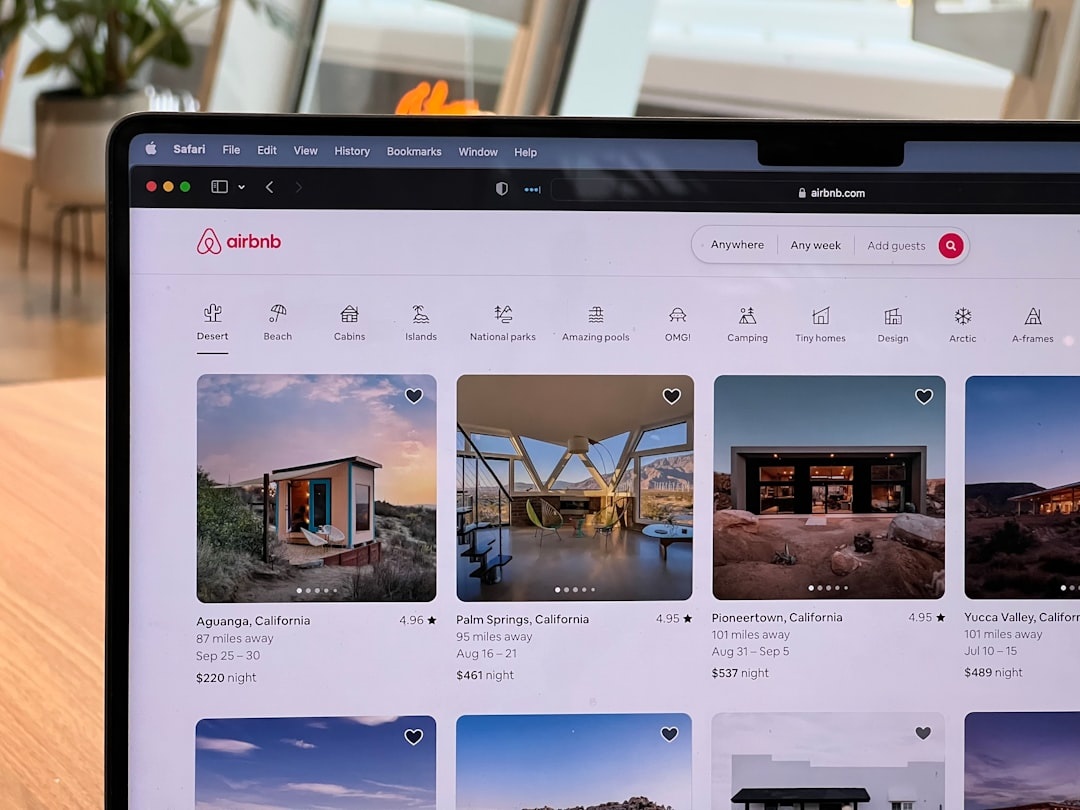
Airbnb’s latest fee experiment is aimed at a very specific kind of host: the one who already has a guest lined up through Instagram, email, a repeat booking, a wedding group, or a personal website — and wants Airbnb to handle the payment, calendar, and protection layer for less money.
Key Takeaways
- Airbnb is testing lower host fees for some hosts who bring their own guests, but availability is limited and terms may vary by market.
- Standard Airbnb host fees are often around 3% on split-fee listings or 14%–16% on host-only fee listings.
- Direct booking can save money, but Airbnb checkout adds payment protection, reviews, messaging, and dispute handling.
- August 2026 is peak-price season, so this test matters most for September Mediterranean trips and repeat-guest bookings.
- Guests should only pay through official Airbnb links, not bank transfers, Wise, PayPal Friends & Family, or WhatsApp invoices.
This is not Airbnb suddenly becoming a free direct-booking tool. Think of it more like a middle ground between “book fully on Airbnb” and “trust a stranger’s payment link.” For travelers, especially those planning September escapes after Europe’s brutal August heat, it could mean cleaner pricing, fewer off-platform scams, and a better shot at negotiating with hosts who already want your booking.
What Airbnb Is Actually Testing
Airbnb is testing a lower-fee path for hosts who bring their own guests into the Airbnb booking system. In plain English: if a host finds you outside Airbnb — through their own website, newsletter, Instagram, repeat-guest list, or local referral — they may be able to send you an Airbnb-powered booking link with a reduced host fee.
The test appears designed to compete with direct-booking tools like Houfy, OwnerRez, Lodgify, and Hospitable, while keeping the reservation inside Airbnb’s ecosystem. That means payments, ID checks where required, Airbnb messaging, calendar blocking, and some protection infrastructure stay in one place.
Here’s the key difference: a normal Airbnb booking starts with you searching Airbnb.com. In this test, the guest relationship starts elsewhere, but the booking may still finish through Airbnb.
| Booking Path | Typical Platform Cost | Guest Protection | Best For |
|---|---|---|---|
| Standard Airbnb search booking | Host fee around 3% or host-only fee around 14%–16% | High: Airbnb payments, messaging, support | First-time guests and unknown hosts |
| Host brings own guest via Airbnb test | Potentially lower host fee, exact rate varies | Still inside Airbnb checkout | Repeat guests, wedding groups, newsletter leads |
| Pure direct booking | Stripe: about 2.9% + $0.30 per card charge in the U.S. | Depends on host, contract, and insurance | Trusted repeat stays |
My take: skip the “send me €600 by bank transfer and I’ll block the dates” routine. If a host can offer a lower price while keeping the transaction on Airbnb, that is far safer than a WhatsApp invoice with no platform recourse.
Why This Matters in August 2026
August is when the short-term rental market gets messy. Edinburgh Fringe pushes central Edinburgh apartments above $280–$450 per night, Burning Man sends Reno and Nevada desert stays into surge pricing, and La Tomatina week in Buñol drives Valencia-area demand hard around the last Wednesday of August.
Southern Europe is also baking. Athens, Seville, and inland Sicily have already seen stretches near 40°C+ this summer, which is why September is quietly the smarter Mediterranean “summer” now: sea temperatures are still warm, flights drop, and apartments stop pricing like every family in Europe is arriving tomorrow.
For example, a Lisbon Alfama one-bedroom that lists at €185 per night in mid-August can drop to €135–€155 after September 10. Compare that with Memmo Alfama, where late-summer rooms often sit around €260–€340 per night, depending on cancellation terms.
The airport math matters too. Lisbon Airport to Alfama is about 7 km: metro is €1.80 and takes about 35–40 minutes with a change, while a taxi or Bolt is usually €12–€18 and takes 20–25 minutes outside peak traffic. If a host saves €40–€70 in fees on a four-night repeat booking, that can realistically cover your airport transfer or a dinner at O Velho Eurico.
Hosts are thinking about September right now. If you stayed somewhere in June or July and loved it, this is the moment to message the host and ask: “Do you have a September direct-return guest rate through Airbnb?”
The Fee Math: Airbnb vs Direct Booking vs Hotels
The biggest reason this test matters is simple: fees change behavior. If a host pays less to process a guest they found themselves, they may be more willing to discount without pushing you into risky off-platform payments.
Let’s use a real-world-style example: a five-night apartment stay in Barcelona’s Eixample at €180 per night. That is €900 before cleaning, taxes, and service fees. Barcelona Airport to Eixample is about 15 km; Aerobús costs €7.25 and takes around 35 minutes, while a taxi is fixed-price-ish in practice around €35–€40 and takes 25–35 minutes.
| Scenario | Nightly Rate | Stay Length | Approx. Fees | Likely Total |
|---|---|---|---|---|
| Standard Airbnb guest booking | €180 | 5 nights | Guest service fee may add around 10%–14% | About €990–€1,030 before local taxes/cleaning |
| Host-only Airbnb model | €180 | 5 nights | Host absorbs around 14%–16%, often baked into price | About €900 plus cleaning/taxes, but nightly rate may be higher |
| Lower-fee “bring your own guest” test | €170–€180 | 5 nights | Reduced host-side fee where available | Potentially €850–€950 plus cleaning/taxes |
| Pure direct booking | €160–€175 | 5 nights | Card processing about 1.5%–3% in many cases | Potentially cheapest, but depends on trust and contract |
Now compare that with a hotel. Motel One Barcelona-Ciutadella often prices around €140–€220 per night outside peak event dates, while boutique hotels in Eixample can run €230–€380 in September. Hotels win on front desk support; apartments win if you need a washing machine, kitchen, or space for a child’s cot.
Families should also price transport honestly. A rental that is €40 cheaper per night but 35 minutes from the center can become annoying fast, especially with kids; our guide to family-friendly European train travel is useful if you’re building a multi-city September trip and want to avoid airport chaos.
What Hosts Need to Do If They Want the Lower-Fee Advantage
If you are a host, this test only helps if you already have your own demand. Airbnb is not rewarding empty calendars; it is rewarding hosts who can bring qualified guests into the platform.
That means your repeat-guest list, wedding referrals, local partnerships, and email capture suddenly matter more. A host in Edinburgh during Fringe, for example, can collect guest emails from August stays and offer early access for Fringe 2027 before rates spike again.
Edinburgh Waverley to the Royal Mile is about 0.5 miles, or a 10-minute walk uphill. During Fringe, a taxi for that same hop can take 12–18 minutes and cost £8–£14 because of closures and crowds. A host with a great location and a clean repeat-booking funnel has real leverage.
Host Checklist: Do This, Skip That
- Do: build a simple direct site with Lodgify, OwnerRez, or Squarespace, then route eligible guests through Airbnb if the lower-fee option appears.
- Skip: asking guests to pay deposits through PayPal Friends & Family; it looks scammy and offers weak protection.
- Do: keep one source of truth for calendars using Hospitable, Guesty, or Smoobu; double bookings cost more than any fee savings.
- Skip: vague “DM for rates” Instagram posts; publish example rates like “September from €145/night, 3-night minimum.”
- Do: add neighborhood specifics: “8 minutes on foot to Baixa-Chiado metro” beats “central Lisbon” every time.
For software cost, Lodgify plans often start around $16–$20 per month when billed annually, while OwnerRez typically starts around $40 per month for one property plus add-ons. Compare that with losing 14% on a $1,200 booking — about $168 — and the tech stack pays for itself quickly if you get even one extra direct-return guest per month.
What Guests Should Watch Before Clicking a Host’s Link
This is where travelers need to be sharp. A legitimate Airbnb-powered link should keep you on Airbnb’s official domain or app checkout. If the host says “Airbnb is slow, just wire me the money,” stop.
Scammers love peak season because travelers are tired and desperate. During Edinburgh Fringe or late-August beach weeks in Spain, a fake apartment that is “€90 per night, cash deposit today” should set off alarms when normal listings nearby are €220–€400.
Check the basics before paying: host profile age, review history, cancellation policy, total price, cleaning fee, tourist tax, check-in window, and exact location radius. If you are arriving late, confirm self-check-in; a 23:30 arrival at Barcelona Sants plus a host who only checks in until 21:00 is a bad combination.
| Red Flag | Safer Alternative | Why It Matters |
|---|---|---|
| Payment by bank transfer, crypto, or PayPal Friends & Family | Airbnb checkout or card-protected direct booking | You keep a dispute trail |
| No exact cancellation policy | Written policy before payment | August storms, strikes, and heat disruptions happen |
| Host refuses platform messaging | Keep key terms inside Airbnb messages | Support can review the thread |
| Price is 50% below nearby listings | Compare on Airbnb, Vrbo, and Booking.com | Too-cheap peak dates are often bait |
Also factor in airport survival. If you are flying through Paris CDG, Amsterdam Schiphol, Madrid Barajas, or Frankfurt in August, build in time; we break down the worst choke points in our 2026 guide to the busiest EU airports and how to survive them.
Where This Could Change Travel Planning Most
The biggest impact will be repeat stays and niche trips. Skillcations, remote-work months, family reunions, and annual festivals are exactly where hosts can bring their own demand rather than wait for Airbnb search traffic.
Take a September surf-and-work stay in Ericeira, Portugal. Lisbon Airport to Ericeira is about 45 km: a rental car takes 35–45 minutes and may cost €28–€55 per day in September, while a bus via Campo Grande costs about €7–€9 total but can take 90 minutes or more. For a 14-night apartment at €110 per night, even a 5% fee difference is €77 — enough for a great seafood dinner at Mar das Latas.
Or consider a “skillcation” in northern Europe, where August remains warm but not punishing. If you’re booking pottery in Copenhagen, language classes in Valencia, or photography in the Azores during whale-watching season, hosts with repeat communities can now potentially convert those audiences with less friction. Our 2026 skillcation guide has good frameworks for choosing classes that are worth building a trip around.
The Azores are a good example. Ponta Delgada Airport to the marina is about 6 km: taxi is €10–€15 and 10 minutes, while the ANC Aerobus is usually around €4.50 and takes 15–20 minutes depending on stops. August whale-watching tours often cost €55–€75 per adult, with morning departures around 08:30–09:00 from operators near the harbor.
If a host can shave fees and offer you a seven-night September return rate, take it. The weather is still excellent, the Atlantic is active, and you avoid the worst August crowding.
My Verdict: Good for Smart Travelers, Risky for Lazy Ones
I like this test because it acknowledges reality: many good hosts already have their own guests. Airbnb can either lose those bookings to direct-payment tools or create a cheaper bridge that keeps travelers inside a familiar checkout.
But the discount is not automatic. Guests should not assume “host brought me in” means “I get 20% off.” A more realistic win is €30–€100 saved on a short city break, or €150–€300 on a longer September stay if the host passes along some savings.
For hosts, the play is clear: build your audience now. August guests watching the Perseids from a rural terrace, Fringe performers staying three weeks in Edinburgh, or families planning back-to-school September breaks are all future repeat guests if you capture the relationship properly.
For travelers, the rule is even simpler: negotiate politely, compare totals, and pay safely. Skip the fake bargain; do the protected booking with a transparent final price.
Practical Booking Script to Use With Hosts
Here is the exact message I would send after a good stay or when contacting a host through their own site:
“Hi [Name], I stayed at your apartment in [month] and loved the location. I’m looking at September 14–19 for two guests. If you’re using Airbnb’s lower-fee option for returning/direct guests, could you send the official Airbnb booking link and your best total price including cleaning and taxes?”
That one sentence does three things. It signals you are a real guest, asks for the official protected link, and forces the host to quote the final total — not a vague nightly teaser.
Then compare it against at least two sites: Airbnb and Vrbo for apartments, plus Google Hotels or Booking.com for hotel alternatives. If the Airbnb-linked offer is only €15 cheaper than a flexible hotel near the train station, I’d book the hotel. If it saves €120 and the host has 80 strong reviews, I’d take the apartment.
Frequently Asked Questions
How much are Airbnb host fees in 2026?
Many split-fee Airbnb listings charge hosts around 3%, while host-only fee structures often run about 14%–16%. The lower-fee test for hosts who bring their own guests may reduce that cost, but rates and eligibility are not universal.
Can guests save money if a host brings them to Airbnb?
Possibly, but the host decides whether to pass on the savings. On a five-night €900 stay, even a modest fee reduction could create room for a €40–€100 discount.
Is it safe to book through a host’s Airbnb link?
Yes, if the link opens in the official Airbnb website or app and the payment stays inside Airbnb checkout. Do not pay by bank transfer, crypto, Wise, or PayPal Friends & Family for a short-term rental.
Is September cheaper than August for Airbnb in Europe?
Usually, yes. In Mediterranean cities like Lisbon, Barcelona, and Valencia, September nightly rates can be 15%–30% lower than peak August while the weather and sea temperatures remain summer-like.
Airbnb’s lower-fee test is one of those quiet travel-tech shifts that could change how repeat guests book. If you’re planning a September trip, message your favorite host now, ask for the official Airbnb-linked total, and compare it against hotels before the best shoulder-season dates disappear.

About the Author: Tomáš Bzirský
Founder and editor of Distratech. Based in the Czech Republic, travelling regularly from Central Europe. Writes practical travel guides and travel-tech comparisons (eSIM, apps, airports) in six languages.