
Here’s the awkward truth travel marketers don’t love saying out loud: the generation most likely to post about climate anxiety is not always the generation traveling with the lowest footprint. In 2026, the greener traveler is often the one booking fewer flights, staying longer, checking the weather obsessively, and packing a sandwich for the train — which sounds suspiciously like your dad.
Key Takeaways
- 74% of travelers now check extreme weather risk before booking, especially heat, wildfire, flooding, and storm disruption.
- Boomer-style habits — longer stays, rail over short flights, fewer “must-do” side trips — often beat Gen Z’s sustainability intentions.
- September is the smarter Mediterranean “summer”: Rome and Valencia can be 5–8°C cooler than August, with hotels often 15–30% cheaper.
- A 7-minute weather audit using Windy, Meteoblue, national warning sites, and Google Maps flood/fire layers can save hundreds in rebooking costs.
- Skip carbon-offset guilt shopping; prioritize direct trains, cancellable hotels, local restaurants, and refundable transport.
The paradox: Gen Z talks green, Boomers often travel green
Gen Z deserves credit for pushing airlines, hotels, and tour operators to talk seriously about climate. But once you look at actual travel behavior, Boomers often come out greener for one deeply unsexy reason: they move less.
A 23-year-old might book a €29 Ryanair hop from Barcelona to Ibiza, a €54 hostel bed, and three rideshares in one weekend. A 67-year-old is more likely to spend seven nights in one apartment, walk to dinner, take the €2.55 metro, and call it a good trip.
| Behavior | Typical Gen Z pattern | Typical Boomer pattern | Greener winner |
|---|---|---|---|
| Trip length | 2–4 nights, multiple stops | 7–14 nights, one base | Boomers |
| Transport | Cheap short-haul flights | Trains, coaches, car shares | Boomers |
| Accommodation | Budget hotels/hostels, frequent moves | Apartment or small hotel, longer stay | Boomers |
| Food | Delivery apps and viral cafés | Markets, bakeries, local restaurants | Boomers |
The data point that matters: aviation is usually the largest chunk of a leisure trip’s emissions. A Paris–Amsterdam train takes about 3 hours 20 minutes and starts around €35–€49 on Eurostar; the flight is roughly 1 hour 15 minutes in the air, but closer to 4 hours door-to-door once airport transfers and security are included.
My take: skip the “eco-lodge” three flights away. Book the ordinary family-run hotel you can reach by rail.
What 74% of travelers now check: extreme weather before the checkout page
The new sustainability question is not “Does the hotel have bamboo toothbrushes?” It is: “Will this destination be dangerously hot, smoky, flooded, or disrupted when I arrive?”
That 74% figure reflects a major shift in how people book. Travelers are no longer treating weather as small talk; they’re treating it as financial risk.
In August 2026, this is not theoretical. Southern Europe is again seeing 40°C+ heat spikes, while northern Europe remains warm enough for city breaks without melting. The Perseids peak on 12–13 August with excellent dark-sky timing, but wildfire smoke and heat haze can ruin stargazing as quickly as clouds.
The 7-minute extreme weather audit I do before booking
- Check seasonal averages: Use Meteoblue for 30-year climate charts; compare August vs September temperatures.
- Check active alerts: Use national agencies — AEMET for Spain, Meteoalarm for Europe, NOAA for the U.S.
- Check wind and smoke: Use Windy; the free version is enough, while Premium costs about $29.99/year.
- Check flood/fire context: Google Maps often shows wildfire boundaries and road closures faster than hotel reception desks do.
- Check cancellation terms: A €12 cheaper non-refundable room is bad math if the region is under orange heat or storm alerts.
Cost comparison: Windy Premium at $29.99/year is cheaper than one airport taxi in Rome, where Fiumicino to the center is a fixed €50 by taxi vs €14 on the Leonardo Express train, which takes 32 minutes.
For August events, this matters. Edinburgh Fringe runs through most of August, and the city is busy but rarely dangerously hot; La Tomatina in Buñol on 26 August 2026 is fun but exposed, crowded, and often around 30–35°C. Burning Man, from 30 August to 7 September 2026, is a full-on extreme-weather trip now: dust storms, heat, cold nights, and rain risk all belong in the budget.
Book like a Boomer: slower routes that are cheaper, calmer, and greener
The greenest upgrade most travelers can make is boring: replace one short-haul flight with a train or coach. It usually cuts emissions, often cuts stress, and sometimes cuts cost.
Here are routes I’d book right now, especially for late August and September travel.
| Route | Better option | Time | Typical price | Skip this |
|---|---|---|---|---|
| Madrid → Valencia, 355 km | Avlo/Ouigo/Iryo high-speed rail | 1 hr 55 min | from €7–€19 | Domestic flight + airport transfers |
| Paris → Amsterdam, 500 km | Eurostar | 3 hr 20 min | from €35–€49 | Schiphol/Charles de Gaulle hassle |
| London → Edinburgh, 632 km | LNER train | 4 hr 20 min | from £36.70 advance | Flying during Fringe week |
| Lisbon → Porto, 313 km | Comboios de Portugal Alfa Pendular | 2 hr 49 min | about €33.90 | Rental car + tolls + parking |
Booking sites worth using: Trainline for multi-country Europe comparisons, CP for Portugal, Renfe for Spain, and LNER for the UK.
One warning: Trainline is convenient, but direct rail sites can be cheaper by €2–€8 because third-party booking fees vary. I use Trainline to compare, then check the operator before paying.
September is the real sustainable summer in the Mediterranean
Contrarian but true: if you care about comfort, cost, and climate resilience, September is now better than August across much of the Mediterranean. The sea is still warm, the crowds thin, and you’re less likely to spend €180/night hiding in an over-air-conditioned room.

Rome in August often hits 33–38°C; in late September, daytime highs are more commonly 26–29°C. Valencia drops from frequent August peaks above 34°C to around 27–29°C in late September, while restaurant terraces become pleasant again after 8 p.m.
Hotel math is persuasive too. A central Valencia 3-star that runs €145–€180/night in mid-August can drop to €95–€130/night after 15 September. That’s a €250–€350 saving on a five-night trip, before you even count cheaper flights.
If you’re eyeing Spain, don’t just default to Barcelona in August. For cooler rural alternatives and the coming eclipse-driven demand spike, read our guide to Spain’s surprise rural escapes before August 2027.
My rule: skip Seville, Córdoba, and inland Andalusia in August unless you enjoy 41°C afternoons. Do Valencia, the Basque coast, Asturias, northern Portugal, or wait until September.
The practical tech stack: weather tools beat green badges
A hotel leaf icon is nice. A reliable alert 48 hours before a flash flood is better.
The right travel tech stack in 2026 is about avoiding waste: wasted money, wasted flights, wasted food, wasted emergency rerouting. You don’t need 19 apps; you need five that do different jobs.
- Windy: Best for wind, storms, smoke, and visual weather layers; free or about $29.99/year for Premium.
- Meteoblue: Best for climate averages and “is this normal?” checks; free for basic use.
- Google Maps: Best for live road closures, public transport, wildfire perimeters, and walking routes.
- Rail Planner: Best offline European rail reference; free, useful even without an Interrail pass.
- Airalo or Nomad: Useful for eSIM data when weather alerts and maps matter more than Instagram.
Price comparison: a Europe eSIM can start around $4.50–$5 for 1GB/7 days, while a single day of U.S. carrier roaming often costs $10–$12. If you need live train changes during a heat-delay day, that cheap gigabyte pays for itself fast.
Don’t overpack tech in the name of productivity. A 1.3 kg laptop plus 700 g accessories means more weight on every staircase and train transfer; if you truly need a second screen, read our field-tested take on the portable monitor we’d actually pack.
Hotels and restaurants: skip the greenwashing, reward the boring good choices
The most sustainable hotel is not automatically the one with moss on the website. It is the one near transit, with sensible energy use, refillable water, fair housekeeping policies, and no need for daily taxis.
In London, I like room2 Chiswick, which markets itself as a whole-life net-zero hometel. Doubles often start around £129–£180 outside peak weeks, and it’s a 4-minute walk from Turnham Green Underground station; taxi from Heathrow is about £45–£65 and 25–40 minutes, while the Tube is about £5.60 and 45–55 minutes.
In Vienna, Boutiquehotel Stadthalle is the better pick over a generic Ringstrasse chain if you don’t need palace cosplay. Doubles often run €135–€190, it has a serious solar/green-roof setup, and Wien Westbahnhof is about 10 minutes away on foot.
Food is where Boomers quietly win again. They sit down, order local, and don’t summon a scooter for a plastic-wrapped poke bowl traveling 3 km across town.
Skip viral brunch queues. In London, book Silo in Hackney Wick instead: zero-waste cooking, dinner usually Wednesday–Saturday from 6 p.m., tasting menu about £75. In Lisbon, skip the Time Out Market scrum at 1 p.m.; go to Taberna da Rua das Flores around opening instead, where small plates often land around €8–€16 and the food feels rooted rather than algorithmic.
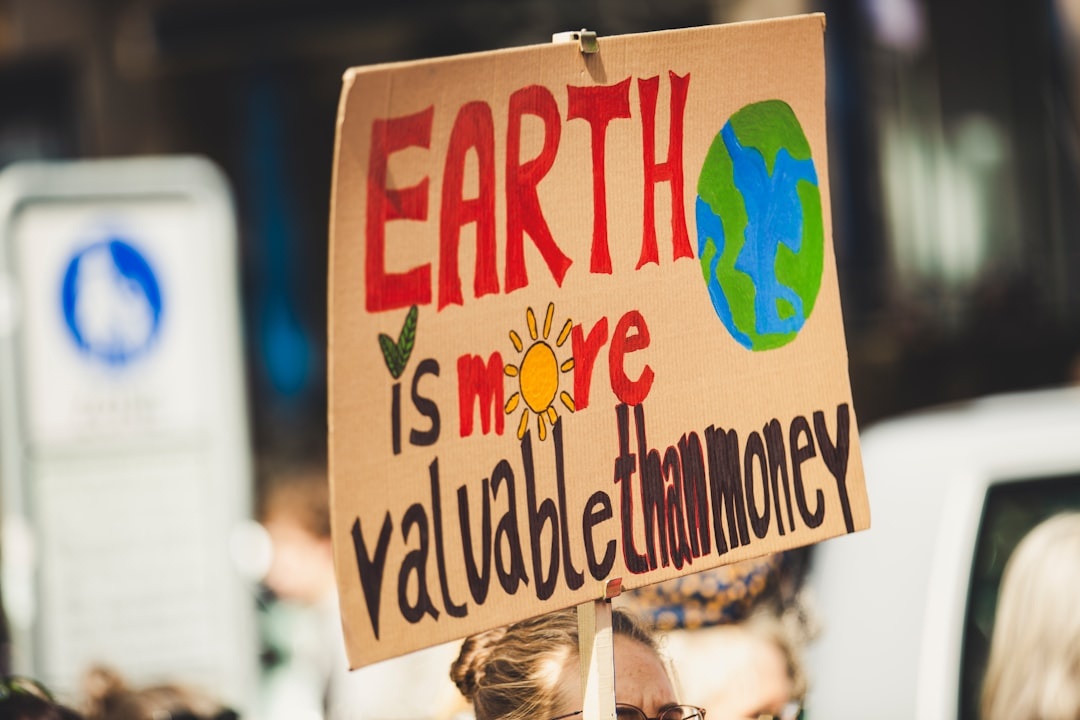
Comparison: a delivery-app dinner in Paris can add €4–€8 in fees before tip; a neighborhood prix fixe lunch can still be €18–€24 and creates far less packaging. Greener and better is not always more expensive.
The August-to-September decision matrix
August is not “bad.” It is just specific. Northern Europe is in its sweet spot, Iceland is busy but spectacular, the Azores are excellent for whale watching, and Scotland is buzzing with Fringe energy.
Southern Europe, on the other hand, needs more caution. If your plan involves Pompeii at 2 p.m. in August, skip it; do a 9 a.m. entry instead. Pompeii’s summer hours are typically 9:00 a.m.–7:00 p.m., with last entry at 5:30 p.m., and tickets cost about €18 on TicketOne.
| If you want… | Book in August | Book in September | Why |
|---|---|---|---|
| Meteor shower | Perseids, 12–13 Aug | Less ideal | Dark-sky timing is excellent in 2026 |
| Mediterranean beaches | Only with heat flexibility | Best choice | Warm sea, lower heat risk, lower prices |
| City culture | Edinburgh, Copenhagen, Stockholm | Rome, Athens, Valencia | North now, south later |
| Short cheap reset | Last-minute if under 2 hours | Excellent value | Back-to-school demand dip |
If your budget is tight, September is where the math gets interesting. Our breakdown of why travelers are booking getaways under two hours from home this September is basically the same logic: less distance, less risk, less money.
My no-nonsense booking rules for 2026
If you want to travel greener without turning every trip into homework, use rules instead of vibes. These are the ones I actually follow.
- Under 700 km, check rail first: If the train is under 6 hours and under 1.5x the flight price, book the train.
- Avoid 1-night hops: Two hotel check-ins in three days usually means more transfers, laundry, cleaning, and stress.
- Book cancellable rooms in heat zones: Paying €10–€20 more can save €300+ if warnings escalate.
- Move sightseeing earlier: In hot cities, book 8–10 a.m. museum slots and nap from 2–5 p.m.
- Eat within 1 km: Walking 12 minutes to dinner beats a €14 taxi both financially and environmentally.
Here’s the opinionated version: skip the performative offset checkbox after buying a silly flight. Do the less silly trip in the first place.
The bottom line: the greener traveler is the better planner
The Boomer-vs-Gen-Z sustainability paradox is not really about age. It is about habits.
The greener traveler in 2026 checks heat maps before hotel photos, books the train when it makes sense, stays longer, wastes fewer transfers, and treats September as prime time rather than leftovers. That mindset matters more than a reusable straw in a carry-on.
Before you book your next trip, do the 7-minute extreme weather audit, compare one rail route, and price September before August. Then tell us where you’re going — Distratech readers are very good at finding the smarter version of a trip.
Frequently Asked Questions
What extreme weather should I check before booking a trip?
Check heat, wildfire smoke, flooding, storms, and drought-related restrictions before you pay. Use Windy, Meteoblue, Google Maps, and national warning sites like AEMET, Meteoalarm, or NOAA for a quick 7-minute audit.
Is September better than August for Mediterranean travel?
Yes, for most travelers September is better: temperatures are often 5–8°C cooler and hotels can be 15–30% cheaper after mid-month. The sea is still warm in places like Valencia, Sicily, Greece, and Croatia.
Are trains really cheaper than flights in Europe?
Often, especially under 700 km. Madrid to Valencia by high-speed rail can cost €7–€19 and takes about 1 hour 55 minutes, while flying adds airport transfers, baggage fees, and more disruption risk.
How can I travel more sustainably without spending more?
Stay longer in fewer places, choose rail or coach for short routes, eat within walking distance, and book hotels near public transport. These choices usually cut both emissions and costs.

About the Author: Tomáš Bzirský
Founder and editor of Distratech. Based in the Czech Republic, travelling regularly from Central Europe. Writes practical travel guides and travel-tech comparisons (eSIM, apps, airports) in six languages.