
Your grandparents are standing on a sunlit street corner in 1974. There’s a café awning, a church spire, half a tram sign, and no caption. In 2026, that is enough for AI to turn a mystery photo into a pin on Google Maps — and for a growing wave of travelers to build entire “memory-lane trips” around recreating it.
Key Takeaways
- AI photo-location tools can narrow an old image to a street or landmark in 5–20 minutes, but human verification still matters.
- Expect a basic PastPorts-style trip to cost $40–$120 for tech tools, plus normal flights, trains, hotels, and local transport.
- September is better than August for Mediterranean memory trips: fewer crowds and temperatures often 5–8°C cooler.
- Use Google Lens, ChatGPT Plus ($20/month), Street View, OldMapsOnline, and local archives to confirm the exact angle.
- Skip vague “where is this?” social posts first; do AI triangulation before asking local Facebook or Reddit groups.
What Is “PastPorts” Travel — and Why Are 66% of Travelers Chasing a Memory?
“PastPorts” is the nickname I’m using for a very 2026 travel habit: using AI, old family photos, maps, and location data to travel back to a personal place. It sits somewhere between genealogy, city break, and tech-assisted treasure hunt.
The emotional hook is obvious. A recent travel trend data point says 66% of travelers want to recreate a memory on a future trip — not just see somewhere new, but stand where someone they love once stood.
That changes how people plan. Instead of searching “best hotels in Paris,” they start with “where was this 1980s photo taken?” and build outward from a single doorway, beach wall, pier, or train platform.
The comparison is stark: a normal weekend city break might take 2–3 hours to plan; a memory-lane trip can take 6–10 hours before booking because you’re verifying clues. The upside is that the trip feels less generic than another checklist sprint through the Louvre, Times Square, or the Colosseum.
August 2026 is a particularly good moment to start the research phase. Northern Europe is still warm, the Perseids meteor shower peaks around 12–13 August, Edinburgh is buzzing with Fringe crowds, and Spain has La Tomatina at the end of the month — but for southern Europe, I’d book the actual trip for September unless heat is part of the nostalgia.
Step 1: Digitize the Old Photo Properly Before AI Sees It
Bad input gives you bad location guesses. A creased 4×6 photo snapped under kitchen lights will confuse AI more than a clean scan at 600 dpi.
If you only do one thing, scan the photo flat. A local print shop usually charges $1–$3 per photo for high-resolution scanning, while a portable scanner like the Epson WorkForce ES-50 costs about $130 and can process one photo in roughly 5 seconds.
Phone scanning is fine for testing. Google PhotoScan is free and takes about 30 seconds per image; a print-shop scan costs more but gives better detail in shop signs, license plates, and architectural textures.
| Method | Typical Cost | Time per Photo | Best For |
|---|---|---|---|
| Google PhotoScan app | Free | 30–60 sec | Quick AI testing |
| Local print shop scan | $1–$3 / €1–€3 | Same day to 24 hrs | Faded family albums |
| Epson ES-50 scanner | About $130 | 5–10 sec | Large archive projects |
| Professional restoration | $20–$80 per image | 2–7 days | Torn or water-damaged photos |
Skip over-editing. AI location tools need original clues, not a smoothed, sharpened, Instagram-clean image where the old bus route number has disappeared.
Create two files: one untouched scan and one lightly enhanced copy. The untouched file is for clue extraction; the enhanced version is for printing and carrying on the trip.
Step 2: Use AI to Extract Clues, Not Just Guess the City
The best workflow is not “ask one AI where this is.” It is “ask AI to list every visible clue, then test each clue against maps.”
Start with Google Lens, which is free and fast. It can identify landmarks in under 10 seconds, while ChatGPT Plus at $20/month is better at reasoning through partial clues like “tram line, Gothic church tower, café awning, cobblestone slope.”
My preferred stack is Google Lens for visual matching, ChatGPT for clue logic, and Google Maps Street View for confirmation. That three-tool approach costs $0–$20, compared with hiring a private researcher or genealogist at $40–$100 per hour.
Use a prompt like this:
- Upload the old photo. Ask: “List every visible location clue: signs, architecture, road markings, landscape, shadows, clothing, vehicles, and possible era.”
- Ask for hypotheses. “Give me 5 possible locations ranked by confidence, with reasons for and against each.”
- Force verification. “What modern Street View features should I check to confirm or reject this spot?”
- Ask for camera angle. “If this is the location, where was the photographer standing?”
Skip AI tools that confidently give one answer with no reasoning. Do use tools that show uncertainty, because a 70% match plus three checkable clues beats a fake 100% answer.
If the image is rural, try OldMapsOnline for historic road layouts and GeoNames for old place names. For mountains, PeakVisor can identify skyline profiles; its Pro plan is usually around $29.99/year, which is cheaper than a wrong rental car day in the Alps.
Step 3: Verify the Exact Spot With Maps, Archives, and Opening Hours
This is where most PastPorts trips succeed or fail. Finding “Montmartre” is not enough if the photo was taken 450 meters away from the tourist square everyone assumes.
Use Google Street View first, then cross-check with local archives. For New York, the New York Public Library has historic photo collections and the Stephen A. Schwarzman Building is typically open Monday, Thursday–Saturday 10:00–18:00, Tuesday–Wednesday 10:00–20:00, and Sunday 13:00–17:00.
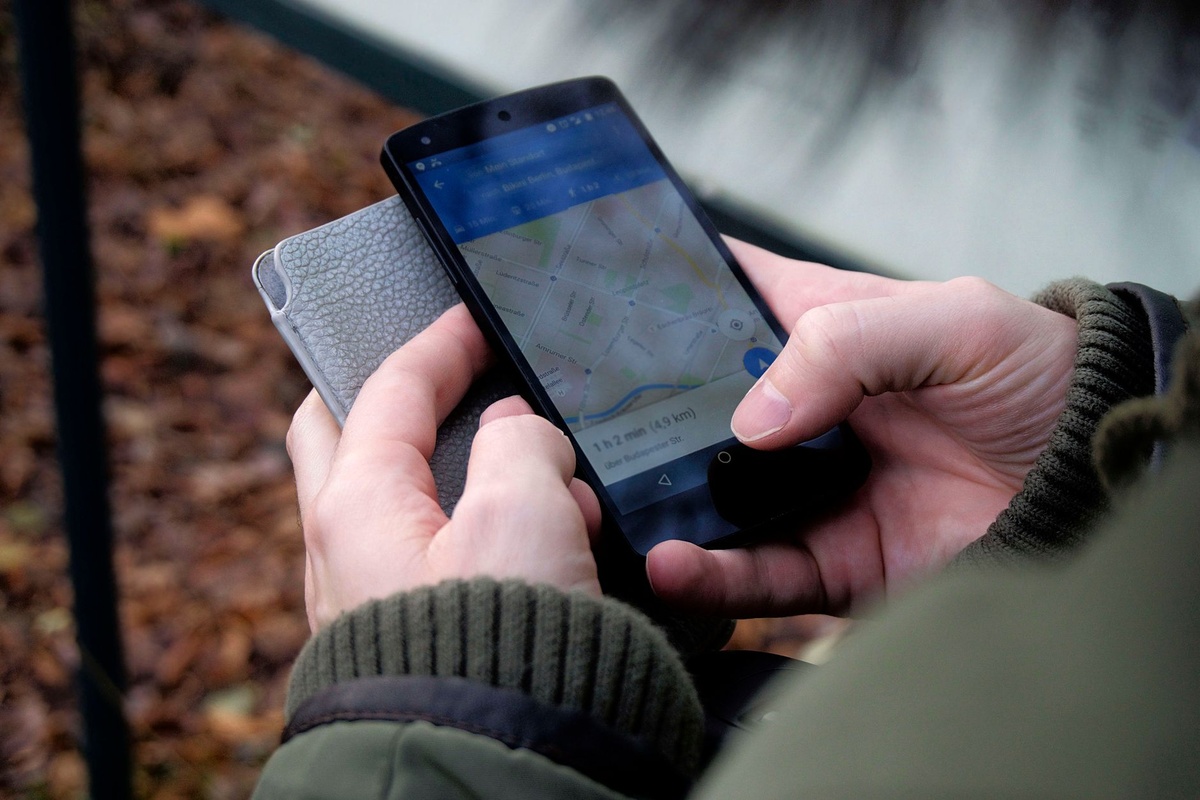
In Paris, the Archives de Paris reading room at 18 Boulevard Sérurier is generally open Monday–Friday 9:30–17:00. Metro line 3b to Porte des Lilas costs €2.15 per ride with a standard ticket, while a taxi from central Paris is about €22–€35 and saves only 15–20 minutes outside rush hour.
For London, the London Picture Archive is searchable online for free, while a Transport for London Tube fare in Zone 1 is about £2.80 contactless versus £18–£30 for a short black-cab hop. If your old photo has a pub sign, old shopfront, or bus route, London archives beat random Reddit guesses.
Here’s the verification checklist I use before booking anything non-refundable:
- Match permanent geometry: church towers, bridge arches, hill lines, corner buildings, staircases.
- Ignore replaceable details: shop names, paint colors, street furniture, parked cars.
- Check sun direction: a north-facing façade will not cast the same shadows as a south-facing one.
- Compare lens compression: old compact cameras can make distant landmarks look closer than they are.
- Confirm access: some “public” courtyards in old photos are now gated or private.
One hard-earned opinion: skip posting the photo publicly until you remove faces, house numbers, and children. Do the AI and archive work first, then ask a local group for the final 10%.
Step 4: Build the Trip Around the Photo — Not Around Tourist FOMO
The point is to recreate the memory, not cram 14 attractions around it. I’d rather spend 90 minutes getting the angle right than race across town for a museum I only half care about.
Choose accommodation within 30 minutes of the target spot by transit. A “cheaper” hotel 75 minutes away can burn 2.5 hours daily, which is the difference between a calm sunrise reshoot and arriving with tour buses.
| Memory Photo Scenario | Best Base | Transport Comparison | Smart Food Stop |
|---|---|---|---|
| 1970s photo near Trocadéro, Paris | Passy or 16th arrondissement | Metro €2.15 / 18 min vs taxi €18–€28 / 15–30 min | Skip Eiffel Tower cafés; go to Carette Trocadéro for coffee and pastry, about €9–€14 |
| Family snapshot in Rome near Trevi Fountain | Monti or Barberini | Walk 12–20 min vs taxi €12–€20 in traffic | Skip fountain-side gelato; do Gelateria Valentino, cones about €3.50–€5 |
| Old Fringe-era street photo in Edinburgh | Old Town or Newington | Airport tram £7.50 / 35 min vs taxi £28–£40 / 25–45 min | Skip Royal Mile chains; book Mother India’s Café, small plates £6–£11 |
| 1980s Manhattan street corner | Lower Midtown or Chelsea | JFK AirTrain + subway $11.40 / 60–75 min vs taxi $70 flat + toll/tip / 45–90 min | Skip Times Square meals; eat at Los Tacos No. 1, tacos about $5.25–$6 |
For Paris, I’d skip staying right beside the Eiffel Tower unless the original photo demands it. Passy gives you calmer streets and easier morning access to Trocadéro, often for €160–€240/night in September versus €220–€350 in peak August.
For Rome, the contrarian move is to wait. August can hit 40°C+ in southern Europe; September is the real summer in the Mediterranean, with warm evenings, lower hotel rates, and fewer people blocking your recreation shot.
For Edinburgh, August is magical but expensive because of the Fringe. A central hotel that costs £130 in late September can jump to £260–£400 during festival weekends, so recreate the old photo in August only if the festival atmosphere is part of the memory.
Tech Kit and Connectivity: What to Pack for the Recreate-the-Photo Day
You do not need a heavy camera bag. You need the old image, a phone with enough battery, offline maps, and a way to compare the original angle on-site.
A basic kit costs about $35 if you already own a phone: $15 for a 10,000mAh power bank, $10 for cloud storage for a month if needed, and $10 for printing two 5×7 copies. A more serious setup with a mini tripod, phone clamp, and portable SSD is closer to $120–$180.
I like carrying a printed copy because screens lie in bright sun. In August, glare in Rome or Barcelona at 14:00 can make a phone nearly useless, while a matte print still works.
For mobile data, buy an eSIM before you land. Airalo often has Europe regional plans from about $5 for 1GB/7 days and $13–$20 for larger short-trip plans; airport SIM kiosks can charge €25–€40 for packages you may not need.
If you’re working with several family members, bring a portable monitor only if you are sorting dozens of scans on the road. I’d pack one for a genealogy-heavy trip, and our travel-friendly portable monitor review explains when a second screen is actually worth the luggage space.
Timing: Why August Is for Research, September Is for the Trip
August has energy, but it is rarely the easiest month for memory travel. Hotels are full, restaurants close for holidays in parts of Europe, and heat can ruin the slow detective work this kind of trip needs.
In southern Europe, do September. Rome, Seville, Athens, and inland Spain can push past 40°C in August; by mid-September, afternoons are often 5–8°C cooler, and hotel rates can drop 15–30% compared with peak summer.
Northern Europe is different. Scotland, Denmark, the Netherlands, and northern France are still pleasant in August, and Edinburgh’s Fringe makes old cultural memories feel alive — just budget accordingly.
If your photo involves night skies, beaches, or camping, August has one gift: the Perseids meteor shower around 12–13 August. A recreated family camping photo plus a meteor night is a better story than another overcrowded beach sunset.
Spain deserves special planning. La Tomatina in Buñol lands on the last Wednesday of August, with official tickets usually around €15, while Valencia–Buñol trains take about 50 minutes and cost roughly €4–€7 each way. If your memory photo is anywhere near Valencia, book rooms early or move the trip to September.
This is also where short, close-to-home PastPorts trips shine. If the old photo is under two hours from home, read our breakdown of why September getaways under two hours make financial sense before you default to flying.
Budget: What a Memory-Lane Trip Really Costs
The AI part is cheap. The travel part is where people overspend because emotion makes every upgrade feel justified.
For a three-night European memory trip in September, a realistic mid-range budget is €650–€1,100 per person excluding long-haul flights. That assumes €120–€220/night for a hotel room split by two, €60–€120 in trains or local transport, €35–€60/day for food, and €20–€60 in archive, printing, or app costs.
| Expense | Budget Option | Mid-Range Option | Skip / Do Instead |
|---|---|---|---|
| AI and research tools | $0 using Google Lens + free maps | $20 ChatGPT Plus for one month | Skip paid tools before testing free ones |
| Photo scanning | $1–$3 per photo | $20–$80 restoration | Skip heavy retouching before geolocation |
| Local transport | €2–€12 transit rides | €18–€40 taxis | Skip taxis in old centers; walk the final 800m |
| Accommodation | €90–€140/night outer district | €160–€260/night near target | Skip airport hotels unless your photo is near the airport |
For trains, book direct when possible: SNCF Connect for France, Trenitalia for Italy, Renfe for Spain, and National Rail for the UK. Third-party apps are convenient, but direct sites make changes and delay claims less painful.
If sustainability matters to the family story, trains often fit the mood better than quick flights. Our piece on what travelers now check before booking greener trips is useful if you’re comparing flight emissions, rail routes, and weather risk.
Privacy, Permissions, and the One Rule You Should Not Break
Old photos feel harmless, but they can expose living people, private homes, schools, and family history that not everyone wants online. Treat them like personal documents, not travel content.
Before posting a “then and now” image publicly, ask permission from identifiable relatives. If the recreated shot includes someone’s current home, avoid showing door numbers, children, or entry codes.
Private property is the hard line. If the exact spot is now behind a gate, ask politely or recreate from the nearest public pavement; a 12-meter difference is better than trespassing for nostalgia.
Also be realistic about change. Some memory-lane trips end with a highway where a beach bar used to be, or a luxury condo replacing a family pension. That can still be meaningful — just don’t let AI sell you a fantasy of perfect return.
Final Take: Let AI Find the Doorway, Then Travel Like a Human
PastPorts travel works because it gives technology an emotional job. AI can read clues, compare buildings, and narrow a mystery photo to a street corner faster than any of us could alone.
But the best part still happens offline: arriving early, holding the old print up to the street, calling the relative who remembers it, and realizing the trip was never just about the coordinates.
Start with one photo this week. Scan it, run the AI clues, verify the spot, then plan the smallest possible trip that does the memory justice — especially if September can give you cooler weather, lower prices, and a clearer shot.
Frequently Asked Questions
How can I find the exact location of an old photo with AI?
Start with a clean 600 dpi scan, then use Google Lens for visual matches and ChatGPT Plus ($20/month) to analyze clues like signs, architecture, roads, and shadows. Confirm the result with Google Street View, OldMapsOnline, and local archives before booking travel.
How much does a PastPorts memory-lane trip cost?
The AI research can cost $0–$40, depending on whether you use paid tools. A three-night European memory trip in September typically costs €650–€1,100 per person excluding long-haul flights.
Is September better than August for recreating old travel photos?
For southern Europe, yes: September is usually 5–8°C cooler than August and hotels can be 15–30% cheaper. August is better for Edinburgh Fringe, northern Europe, Perseids trips around 12–13 August, or memories tied to peak-summer events.
What apps are best for recreating an old photo angle?
Use Google Lens for location matching, Google Maps Street View for angle checks, ChatGPT for clue analysis, and PhotoScan for quick digitizing. Bring a printed copy too, because bright sun can make phone screens hard to compare on-site.

About the Author: Tomáš Bzirský
Founder and editor of Distratech. Based in the Czech Republic, travelling regularly from Central Europe. Writes practical travel guides and travel-tech comparisons (eSIM, apps, airports) in six languages.