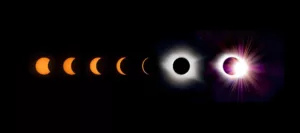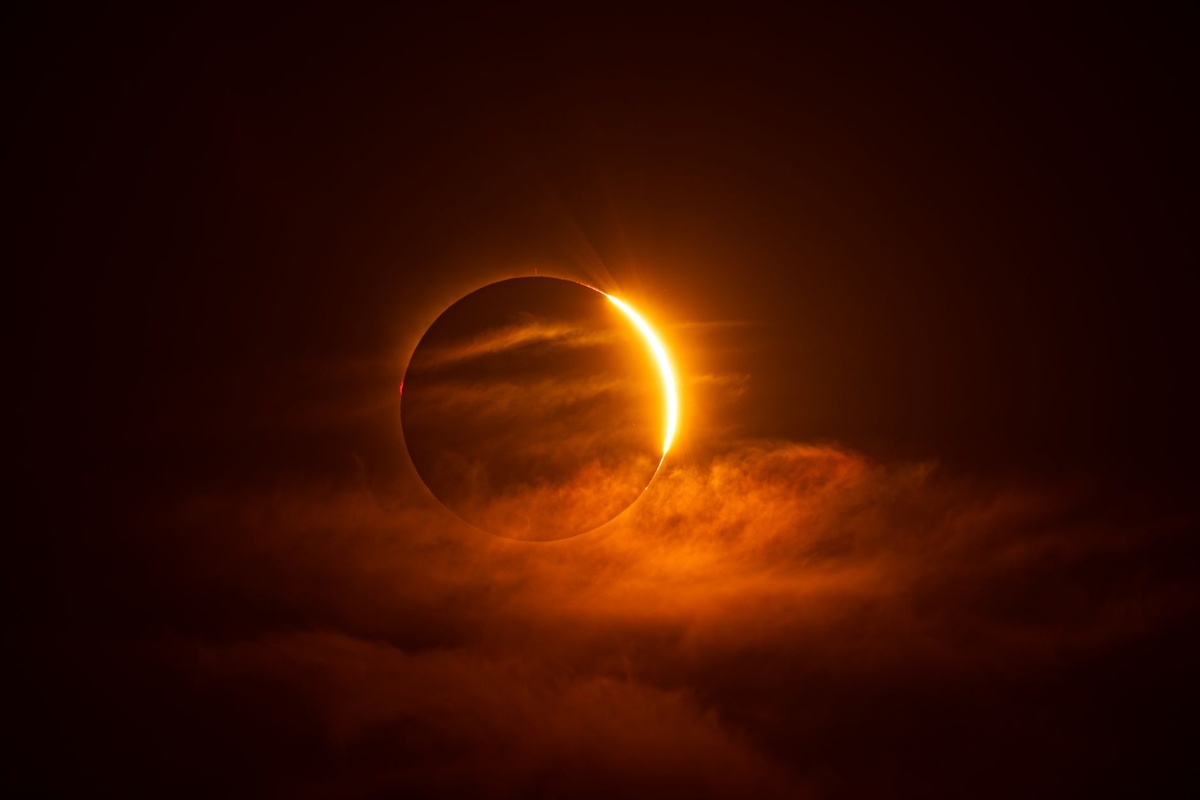
Spain’s new hot ticket is not Ibiza, Mallorca, or Barcelona with a €9 iced coffee. It is the high, dry, quietly cinematic interior: Soria, León and Palencia, three underrated provinces that suddenly look genius thanks to eclipse tourism, cooler summer nights, cheap trains, dark skies and rural stays that still feel local.
Key Takeaways
- Soria saw reported rural-stay demand spikes of up to +522% around Spain’s eclipse window, making early booking essential.
- Madrid to León is as fast as 1 hr 57 min by AVE, while Palencia can be reached in about 1 hr 20 min.
- Budget around €75–€140/night for good rural hotels now, versus €180+ during eclipse and peak August weekends.
- Use PhotoPills, AEMET, Renfe and ALSA to plan skies, weather, trains and rural bus gaps.
- The 2027 total eclipse favors southern Spain, but the national eclipse boom is already lifting inland destinations across Castile.
The Eclipse Reality Check: 2026 Made Them Famous, 2027 Will Make Spain Expensive
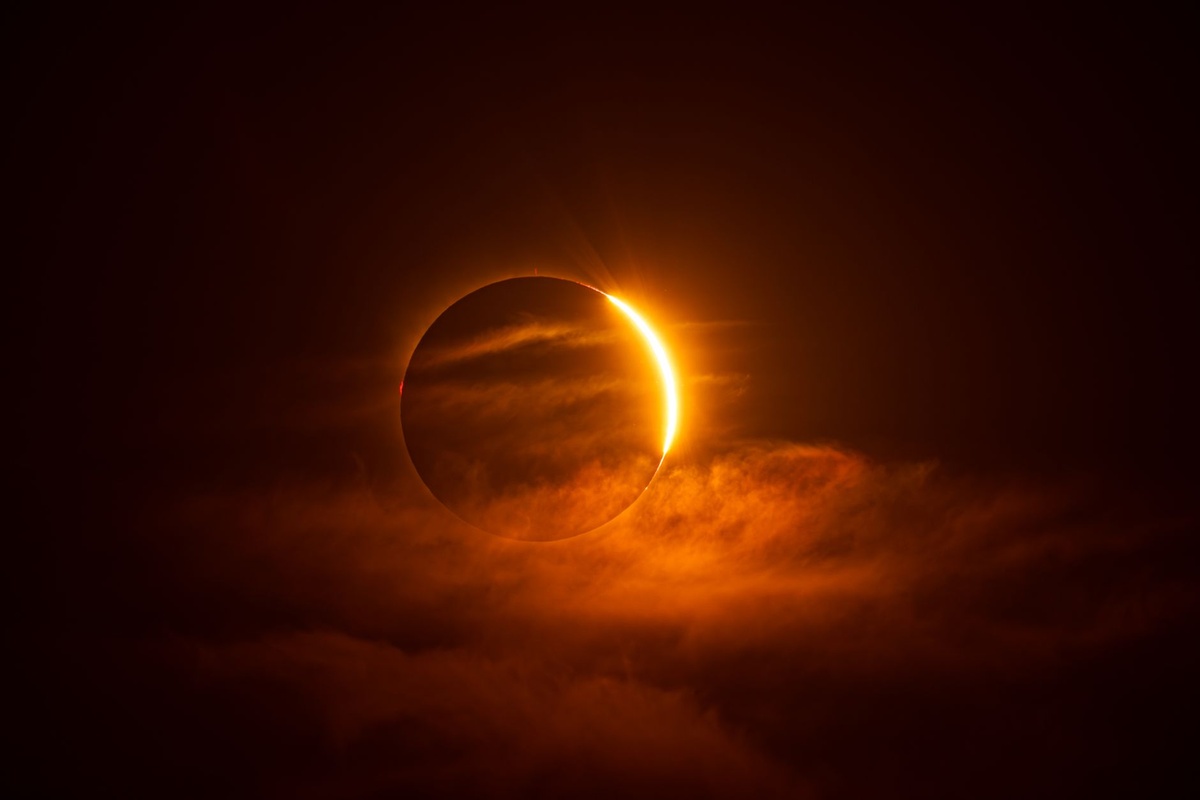
First, the astronomy bit matters. Northern Spain’s big eclipse moment was the 12 August 2026 total solar eclipse, with rural areas in Castile and León suddenly appearing on every eclipse chaser’s map.
The 2 August 2027 total solar eclipse crosses southern Spain, especially Andalusia, before continuing across North Africa. Soria, León and Palencia are not the prime 2027 totality zone, but that is exactly why they are smart: they are the calmer, cheaper “eclipse-effect” escapes before Spain-wide accommodation prices get silly again.
In August 2026, this inland pivot also makes seasonal sense. Southern Europe has been baking above 40°C, Edinburgh is packed for Fringe, and Valencia/Buñol gets busy around La Tomatina; meanwhile Soria sits around 1,060m elevation, where evenings can drop 10–14°C cooler than Madrid.
Use the Perseids peak on 12–13 August as your test run. If you can see meteors outside Soria or León with the naked eye, you have found the kind of low-light rural base eclipse travelers are paying premiums for.
Soria: The +522% Province That Went From “Where?” to “Book Now”
Soria is the headline because of that extraordinary +522% reported jump in rural accommodation interest around the eclipse period. Even if you treat that figure as peak-event demand rather than year-round tourism, the signal is obvious: small inventory plus a sudden global reason to visit equals fast sell-outs.
Madrid to Soria is about 230 km. By car it takes 2 hr 20 min; by ALSA bus from Madrid Avenida de América, expect 2 hr 30–3 hr and fares around €15–€24 on alsa.com. Taxiing the same route would be absurd at €300+, so skip that unless someone else is expensing it.
What to Do in Soria Instead of Just Chasing the Sky
Start at San Juan de Duero, the ruined Romanesque monastery on the riverbank. Entry is usually around €1–€2, with typical museum-style hours of 10:00–14:00 and 16:00–19:00, though Mondays and winter afternoons can vary.
Then walk to Ermita de San Saturio, built dramatically into the rock above the Duero. It is free, compact, and far more memorable than another generic cathedral ticket.
For ancient-history bragging rights, go to Numancia, about 7 km north of Soria. Entry is usually €6 for the guided archaeological visit, and the official visitor site at numanciasoria.es posts seasonal hours.
Skip trying to “do” the whole province in one day. Do Cañón del Río Lobos Natural Park instead: it is about 65 km / 1 hr by car from Soria, parking is typically €4–€5 in regulated areas in high season, and the walk to the Templar-style Ermita de San Bartolomé is the kind of quiet Spain people think no longer exists.
Where to Eat and Sleep in Soria
My pick is Baluarte, Soria’s Michelin-starred dining room, where tasting menus usually land around €75–€95 before wine. For something more casual, order torreznos at Casa Augusto; a plate is about €6–€9, compared with €18–€24 for a forgettable tourist-menu main in Madrid.
For hotels, Parador de Soria often runs €115–€190/night, with the payoff being huge views over the Duero valley. More central stays like Hotel Apolonia can sit around €85–€130/night outside eclipse/holiday spikes; compare current hotels in Soria before rural houses vanish for event weekends.
León: Best for Train Travelers, Tapas and Gothic Drama
León is the easiest sell if you are not renting a car. The AVE/Alvia from Madrid Chamartín to León takes about 1 hr 57 min–2 hr 15 min, with advance fares from €25–€60 on renfe.com.
Compare that with driving: 337 km, around 3 hr 20 min, plus toll/fuel costs that can reach €45–€60 each way. If you are solo or a couple, train wins; if you are four people chasing remote viewpoints, car wins.
What to Book in León
León Cathedral is non-negotiable. Entry is usually €7, opening hours are commonly 09:30–13:30 and 16:00–20:00 in warmer months, and the stained glass is better in late afternoon than at noon.
Casa Botines, Gaudí’s sharp-edged city palace, costs around €8–€10. It is open most days roughly 10:00–21:00 in summer, but timed tickets are worth booking at casabotines.es because coach groups can swallow the best slots.
The move I like: skip a long lunch and graze in Barrio Húmedo. In León, tapas still often come free with drinks; a small beer or wine is about €2.20–€3.20, meaning four stops can replace a €35 restaurant lunch.
León’s Food Scene Is Better Than Its Hotel Prices Suggest
If you want the serious reservation, book Cocinandos, where the tasting menu is usually around €85. It is much better value than a similar Michelin meal in Madrid or Barcelona, where €120–€180 is normal before drinks.
For traditional, go to Bodega Regia for cecina, morcilla and lechazo; expect €28–€40/person. Skip the plaza menus with laminated paella photos — León is inland, and the good stuff is cured, grilled and spooned from clay dishes.
Palencia: The Underrated One I’d Book Before Everyone Notices
Palencia is the sleeper hit. It has fast rail, Roman villas, a weirdly beautiful cathedral and access to the Canal de Castilla, yet it still feels like Spain forgot to put it on Instagram.
Madrid to Palencia by AVE/Alvia takes around 1 hr 20–1 hr 35 min, with fares often €18–€45 if booked early. Driving is about 240 km / 2 hr 25 min, so again the train beats the car unless you plan village-hopping.
What to See in Palencia
Start with Palencia Cathedral, nicknamed La Bella Desconocida — “the beautiful unknown.” Entry is about €6, and typical hours are 10:00–14:00 and 16:00–19:00, with Sunday and liturgical changes.
Then go to Cristo del Otero, the 21m hilltop Christ statue by Victorio Macho. It is free, open-air, and the sunset view gives you the “why are there no crowds?” moment.
The best half-day trip is Villa Romana La Olmeda, about 60 km / 45 min from Palencia by car. Tickets cost around €5, and opening hours are generally 10:30–18:30 Tuesday to Sunday; check villaromanalaolmeda.com before going.
For water and cycling, use the Canal de Castilla. Boat rides from Villaumbrales are usually €6–€7 for adults and take about 45 minutes, compared with €35–€50 for a guided city tour in bigger Spanish destinations.
Where to Eat in Palencia
La Traserilla is my pick for modern Castilian cooking; plan on €35–€50/person. For tapas, go to Bar Maño or La Mejillonera, where a beer and bite can still stay under €5.
Hotels remain reasonable: Eurostars Diana Palace often sits around €70–€115/night, while Hotel Castilla Vieja can be €65–€105. Compare that with León on an event weekend, where central rooms can jump past €160.
Soria vs León vs Palencia: Which Rural Escape Should You Choose?
If this is your first Castile trip, choose based on transport first, not vibes. Public transport in rural Spain can be thin; a village that looks 25 km away may mean a €40 taxi if there is no bus.
| Base | Best For | Madrid Travel Time | Typical Hotel Cost | Skip / Do Instead |
|---|---|---|---|---|
| Soria | Dark skies, canyons, quiet rural stays | 2 hr 20 car / 2.5–3 hr bus | €85–€190/night | Skip day-tripping without a car; do Río Lobos |
| León | Train access, tapas, cathedral, nightlife | 1 hr 57–2 hr 15 train | €90–€180/night | Skip tourist paella; do Barrio Húmedo tapas |
| Palencia | Value, Roman sites, canal cycling | 1 hr 20–1 hr 35 train | €65–€115/night | Skip rushing to Valladolid; do La Olmeda |
My verdict: Soria for eclipse/dark-sky mood, León for a no-car weekend, Palencia for best-value September travel. If you are planning around the September shoulder season, this mirrors the broader stay-close trend we covered in our guide to why travelers are booking escapes under two hours from home.
Booking Strategy: What to Reserve Now, What Can Wait
Book accommodation first, especially rural houses with terraces, parking and low-light surroundings. Soria’s inventory is tiny compared with Madrid or Seville; a demand jump of even 200% would hurt, so +522% is a warning siren.
For August 2027, Andalusia will take the main eclipse rush, but Spain’s inland destinations will benefit from overflow road trips. Expect people to combine eclipse viewing with cooler northern detours, especially if the Mediterranean stays brutally hot.
- Book rural hotels 6–10 months ahead for August weekends; refundable rates are usually €10–€25 more but worth it.
- Buy Renfe tickets 30–90 days ahead; Madrid–Palencia can be €18 early versus €45+ close-in.
- Rent cars early at Madrid or Valladolid; compact cars often cost €32–€55/day, but August spikes can double that.
- Check moon phase and cloud cover with PhotoPills and AEMET before committing to stargazing nights.
- Avoid one-night rural stays; many houses require 2-night minimums in August and around event periods.
For data on the road, I would use the Renfe app, ALSA app, PhotoPills for sun/moon/eclipse planning, Windy for cloud layers, and AEMET for Spain’s official forecasts. If your phone plan is weak in rural Castile, grab an Spain eSIM from Airalo; 5GB European plans often cost around $13–$20, which is cheaper than a €10/day roaming add-on.
Suggested 4-Day Route From Madrid
This is the route I would actually book if I wanted eclipse-effect Spain without the 2027 Andalusia crush. It balances fast rail, one car rental window and enough rural quiet to justify the hype.
- Day 1: Madrid to Palencia by train. Take a morning AVE/Alvia, visit the cathedral and Cristo del Otero, sleep in Palencia from about €75.
- Day 2: La Olmeda and Canal de Castilla. Rent a car for the day or from Valladolid; budget €45 rental + €15 fuel + €5 entry.
- Day 3: Train to León. Palencia to León takes about 45–55 minutes and costs roughly €9–€18; do Casa Botines, cathedral and Barrio Húmedo tapas.
- Day 4: León to Soria by car or bus-train combo. Driving is about 275 km / 3 hr; public transport can take 4.5+ hours, so rent if Soria is your priority.
If you want fewer logistics, cut León and do Madrid–Soria–Palencia only. If you want more food and less driving, cut Soria and do Palencia–León by train.
When to Go: August Is the Hype, September Is the Sweet Spot
August has the cosmic drama: Perseids, eclipse chatter, long evenings and holiday energy. It also has higher prices, thinner availability and midday heat that can still hit 32–36°C inland.
September is the smarter play. Expect warm afternoons, cooler nights, lower rural-house prices and fewer Spanish domestic holiday crowds after back-to-school week.
This is also the contrarian Mediterranean rule for 2026 and 2027: September is the real summer if you dislike 40°C heat. For more shoulder-season thinking, our September equinox travel guide explains why late September can feel like two seasons in one trip.
Bottom Line: Book the Interior Before Spain’s Eclipse Boom Goes Mainstream
Soria, León and Palencia are not “hidden gems” in the lazy brochure sense. They are practical, beautiful, underpriced inland bases with fast access, real food, dark skies and enough cultural weight to fill a long weekend without beach-club nonsense.
The eclipse effect has simply forced travelers to notice what Castile already had: space, altitude, heritage and value. Book refundable rural stays now, monitor Renfe fares, and treat August 2027 as the deadline before Spain’s sky-chasing crowd pushes deeper into the map.
CTA: If Soria is on your list, reserve a cancellable room first and build the route around it — transport is flexible, but small-town beds are not.
Frequently Asked Questions
Is Soria in the path of the August 2027 total eclipse?
No. The 2 August 2027 total eclipse favors southern Spain, especially Andalusia, while Soria’s big eclipse relevance came with northern Spain’s 12 August 2026 eclipse. Soria is still worth booking early because eclipse tourism has boosted demand for dark-sky rural Spain.
How much does it cost to visit Soria, León or Palencia for a weekend?
Plan on about €180–€320 per person for a two-night budget-to-midrange weekend, excluding flights. That includes €40–€90 transport from Madrid, €65–€140/night lodging split by two, and €25–€45/day for food and entries.
Which is better without a car: León, Palencia or Soria?
León is best without a car because Madrid trains take about 2 hours and the main sights are walkable. Palencia is also easy by train, while Soria is better with a car if you want Río Lobos, Numancia and rural stargazing spots.
When should I book accommodation for August 2027 in Spain?
Book refundable accommodation 6–10 months ahead, especially for rural houses and small hotels. For eclipse-adjacent travel, waiting until spring 2027 could mean paying €180+ per night for rooms that normally cost €90–€120.

About the Author: Tomáš Bzirský
Founder and editor of Distratech. Based in the Czech Republic, travelling regularly from Central Europe. Writes practical travel guides and travel-tech comparisons (eSIM, apps, airports) in six languages.