A beach trip is nice. A trip where you come home able to play three ukulele chords, hand-roll tortellini, or finally understand why your aunties take mahjong so seriously? That sticks.
The “skillcation” trend is having a very real moment: 68% of travellers say a learning-focused holiday could be life-changing. In August 2026, it also makes tactical sense: southern Europe is pushing 40°C+, northern Europe is still pleasant, the Perseids peak on 12–13 August, and September is quietly the best “summer” month for Mediterranean workshops without the punishing heat or peak pricing.
Key Takeaways
- Expect to pay $35–$95 for a half-day class, or $700–$2,400 for a 5–7 day skillcation retreat.
- September beats August for Mediterranean cooking, ceramics, and language trips: fewer crowds and often 15–25% lower hotel rates.
- Book direct for specialist schools, but use GetYourGuide, Cookly, Klook, or Airbnb Experiences for easy cancellation.
- Choose a skill tied to the place: ukulele in Oahu, mahjong in Hong Kong, pasta in Bologna, tiles in Lisbon.
- Skip “photo-op classes” under 90 minutes; book 3-hour minimum sessions if you actually want to learn.
What Is a Skillcation, Really?
A skillcation is travel built around learning one specific thing, not just sampling a destination. Think five mornings of Spanish in Valencia, a two-day mahjong intensive in Hong Kong, or a week of ukulele, hula, and Hawaiian history on Oahu.
The key difference is depth. A 45-minute “make pasta for Instagram” session usually costs €45–€65; a proper 3.5-hour Bologna sfoglina class costs €95–€140 and teaches dough ratios, hand-rolling technique, and fillings you can reproduce at home.
Skip the generic “local experience” with 20 people and a free spritz. Do the smaller class with a teacher whose name appears on the booking page, a maximum group size under 10, and reviews mentioning what people actually learned.
For trip-planning, I like using Google Maps for logistics but not for taste-making. If you rely on AI-generated suggestions, cross-check them with opening hours and recent reviews; Distratech has a useful breakdown on how to ask Maps for hyper-specific travel advice without letting it hallucinate your itinerary.
Five Skillcation Ideas Worth Building a Trip Around
1. Learn Ukulele in Oahu, Hawaii
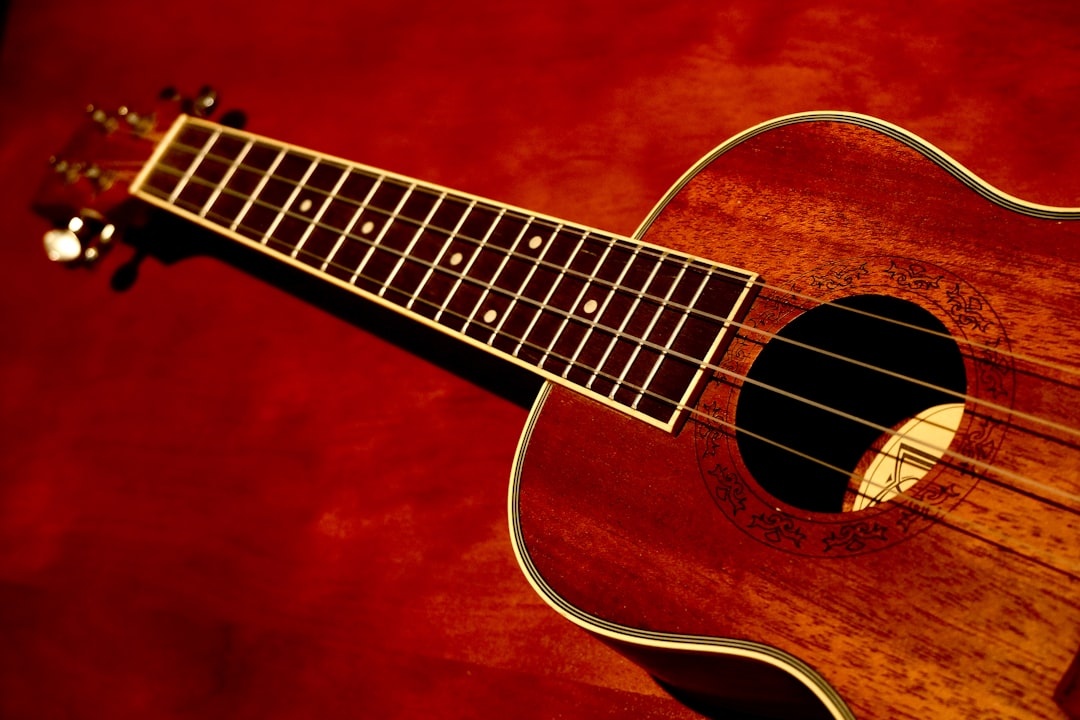
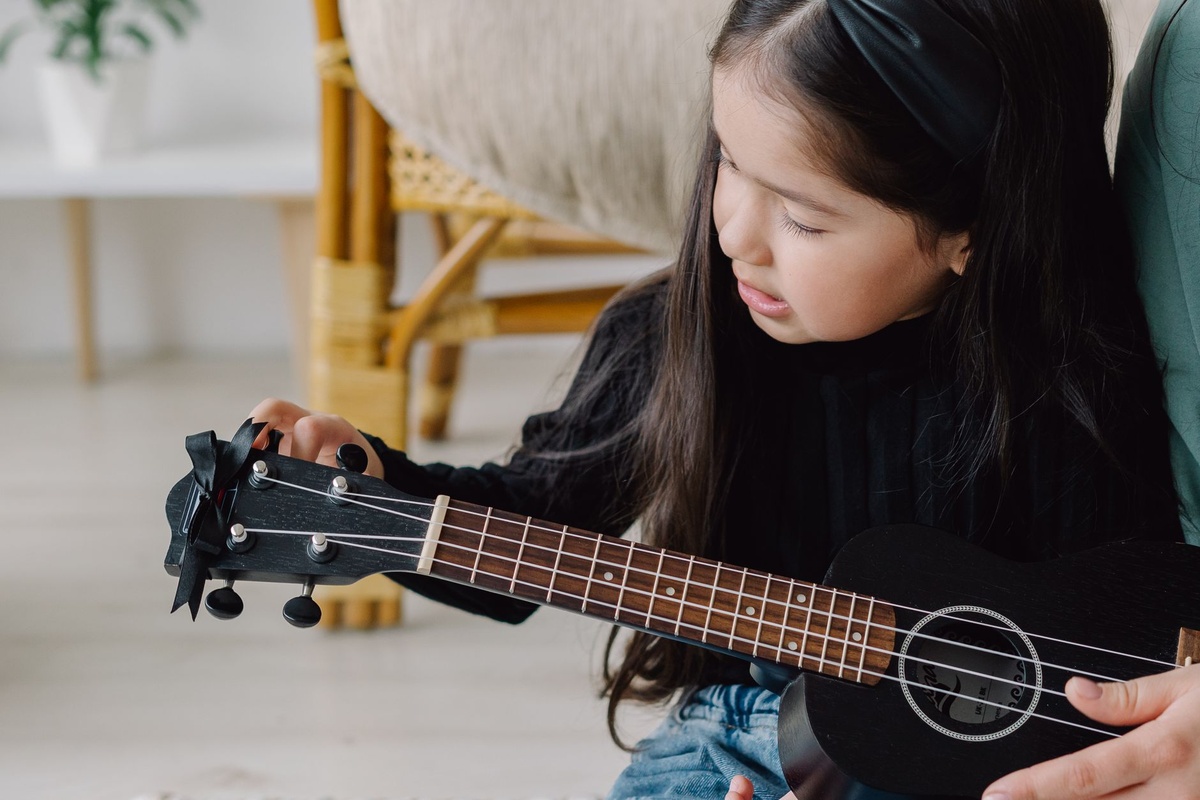
Oahu is the most obvious ukulele skillcation, but do it properly. Waikiki has plenty of tourist lessons, yet the better move is combining one structured private lesson with free cultural programming at Royal Hawaiian Center.
Royal Hawaiian Center in Waikiki is open daily from 10:00 to 21:00, and its cultural classes regularly include ukulele, hula, and lei-making; check schedules at royalhawaiiancenter.com. Private ukulele lessons around Waikiki typically run $60–$90 for 45 minutes, while buying a decent beginner Kala or Ohana ukulele costs $85–$160.
Distance matters here. Daniel K. Inouye International Airport to Waikiki is 9 miles: taxi or rideshare is usually $35–$55 and 25 minutes, while TheBus Route 20 is $3 and around 55–70 minutes.
Stay near Kapahulu, not deep Waikiki, if you want better food. Skip overpriced beachfront poke bowls; go to Ono Seafood on Kapahulu Avenue, usually open 9:00–18:00 Monday to Saturday, where a poke bowl is about $14–$18 versus $24+ at hotel-adjacent spots.
2. Play Mahjong in Hong Kong
Mahjong is not a cute board game here; it is social code, probability, noise, memory, and family politics packed into 144 tiles. Hong Kong is the best beginner destination because English-language cultural classes are easier to find than in mainland China.
Look for workshops on Airbnb Experiences, Klook, or local operators such as Hong Kong Greeters-style cultural guides. Expect HK$400–HK$850 ($51–$109) for a 2–3 hour beginner lesson, compared with HK$60–HK$120 ($8–$15) per hour for casual play at some neighborhood mahjong houses if you already know the rules.
Base yourself in Sheung Wan or Jordan. Airport Express from Hong Kong International Airport to Hong Kong Station takes 24 minutes and costs HK$115 ($15), while a taxi to Central is around HK$330–HK$420 ($42–$54) and 35–50 minutes depending on traffic.
For context before or after class, visit Yau Ma Tei and Jordan, where old-school game rooms, tea cafés, and tile shops still survive between redevelopment projects. Skip Lan Kwai Fong after your workshop; do dinner at Australia Dairy Company in Jordan instead, open roughly 7:30–22:00, where scrambled egg toast and milk tea runs about HK$45–HK$65 ($6–$8).
3. Roll Pasta in Bologna, Italy
Bologna is the skillcation for people who want a useful souvenir: better dinners for the rest of your life. The city is compact, deeply food-obsessed, and much less theatrical than Florence or Rome cooking classes.
Book through Cookly, Cesarine, or Taste Bologna; a serious 3–4 hour pasta class costs €95–€150 ($103–$163), often including lunch and wine. A market tour plus pasta class can hit €180 ($196), but that is still better value than a €75 “pasta demo” where the dough is pre-made.
Bologna Centrale station to Piazza Maggiore is 1.5 km: walk 20 minutes, take bus 25 for €1.50, or grab a taxi for €10–€14. Most food shops around Quadrilatero open around 8:30–19:30, though many close Sunday afternoon or Monday morning.
August is not ideal because many family-run restaurants shut for ferie. September is the sweet spot: daytime highs around 25–28°C versus August heat spikes above 34°C, and you can still eat outdoors without melting into your tagliatelle.
Skip the Instagram queue at Osteria dell’Orsa if you are short on time. Book Trattoria da Me instead; tasting menus start around €45, à la carte mains are usually €16–€24, and the tortellini in brodo actually teaches you what your class should be aiming for.
4. Paint Azulejos in Lisbon, Portugal
Lisbon’s tile workshops are ideal for travellers who want a beautiful object without hauling home a fragile suitcase of souvenirs. You learn the difference between tourist tiles and traditional azulejo patterns, then paint and fire your own piece.
Most beginner azulejo classes cost €35–€75 ($38–$82) for 2–3 hours; museum-linked or private workshops can reach €95. The Museu Nacional do Azulejo is usually open Tuesday to Sunday, 10:00–18:00, closed Monday, with adult entry about €8.
Airport to Baixa-Chiado by metro takes about 35 minutes and costs €1.80 plus a €0.50 Viva Viagem card. A taxi or Bolt is faster at 20 minutes but normally €12–€20; at rush hour, the metro wins.
August is hot and crowded, but Lisbon stays more manageable than Seville or Athens. If you can push to mid-September, do it: hotel rates often drop 15–20%, workshops have smaller groups, and evenings are still warm enough for dinner outside at Taberna da Rua das Flores, where plates usually run €9–€18.
5. Study Spanish and Cook Paella in Valencia
Valencia is the contrarian Mediterranean skillcation for September. It has beaches, language schools, bike lanes, and real paella culture without Barcelona’s price creep.
A one-week Spanish course at schools such as Taronja or Españolé usually costs €210–€320 ($229–$349) for 15–20 group lessons. Add a paella class for €55–€85, or book a market visit plus cooking session for around €95.
The airport to Xàtiva metro station takes about 25 minutes and costs roughly €4.80 including the airport supplement, compared with €22–€30 by taxi. Valencia’s Central Market is generally open Monday to Saturday, 7:30–15:00, so morning cooking classes have better produce and more local energy.
Skip beachfront paella at restaurants with laminated photo menus. Do Casa Carmela near Playa de la Malvarrosa, where proper wood-fired paella starts around €18–€25 per person and reservations are essential via casa-carmela.com.
How to Choose the Right Skillcation
The best skillcation sits at the overlap of place, teacher, and repetition. If the same class could happen in any city, it is probably entertainment, not a skillcation.
Use this simple filter: one-off workshops are best for testing interest, while 5–7 day trips are better for actual change. A €60 tile class gives you a memory; a €900 week of ceramics in Portugal gives you muscle memory.
| Skillcation Type | Best Trip Length | Typical Cost | Best Booking Sites | Who It Suits |
|---|---|---|---|---|
| Ukulele in Oahu | 3–5 days | $60–$90 per lesson; $85–$160 instrument | Royal Hawaiian Center, local music shops, Airbnb Experiences | Beginners who want quick progress |
| Mahjong in Hong Kong | 2–4 days | HK$400–HK$850 per class | Klook, Airbnb Experiences, local guides | Social travellers and strategy-game people |
| Pasta in Bologna | 3–6 days | €95–€180 per class | Cookly, Cesarine, Taste Bologna | Food travellers who cook at home |
| Azulejos in Lisbon | 2–5 days | €35–€95 per workshop | Museu Nacional do Azulejo, Airbnb Experiences | Creative travellers with limited luggage |
| Spanish + paella in Valencia | 7–14 days | €210–€320 weekly course; €55–€95 cooking class | Taronja, Españolé, Cookly | Travellers who want structure |
My rule: if you are spending more than $1,000 on flights, book at least three learning sessions. One class after a long-haul flight is a novelty; three sessions turn a trip into a chapter.
Booking Sites, Apps, and Tech That Actually Help
For skillcations, the best booking site depends on risk. Direct booking is usually 5–15% cheaper, but platforms like GetYourGuide, Klook, Viator, Cookly, and Airbnb Experiences offer easier refunds if a teacher cancels.
Compare cancellation windows carefully. A €120 direct pasta class may be non-refundable inside 7 days, while the same class on Cookly might cost €132 but allow cancellation up to 48 hours before; that €12 difference is cheap insurance during summer delay season.
Install offline maps before you go. In dense cities like Hong Kong, Lisbon, and Bologna, walking 900 meters can mean 20 minutes of stairs, alleys, or porticoes; Google Maps and Citymapper are both worth having.
For connectivity, I prefer eSIMs over airport SIM counters because you can activate before landing. Airalo Europe packages often start around $5 for 1GB/7 days, while Nomad frequently has competitive Asia plans around $4–$8 for short trips.
- Use Wise or Revolut for small deposits in EUR or HKD instead of paying 3% foreign transaction fees.
- Save the class address in the local language, especially in Hong Kong where tower entrances can be confusing.
- Message the teacher 48 hours before arrival to confirm meeting point, language, materials, and dress code.
- Record only with permission; some instructors allow technique videos, others ban filming entirely.
- Bring a foldable tote for markets, instruments, tiles, notebooks, or cooking leftovers.
What a Skillcation Actually Costs
A skillcation does not have to mean a $3,000 retreat with linen robes and a manifesto. The best-value version is a normal city break with three high-quality classes built into the itinerary.
Here is a realistic 5-day Lisbon tile-and-food skillcation budget for September 2026. August can be 20–35% higher for accommodation; November can be cheaper but has shorter daylight and more rain.
| Item | Budget Option | Comfort Option |
|---|---|---|
| Return flights within Europe | €80–€160 | €180–€320 |
| 4 nights accommodation | €240–€360 hostel/private room | €520–€760 boutique hotel |
| Two azulejo workshops | €70–€110 | €150–€190 private/small group |
| Museum + transit | €25–€35 | €45–€70 with taxis |
| Food and coffee | €140–€200 | €260–€380 |
| Total | €555–€865 | €1,155–€1,720 |
The same format in Hong Kong costs more for hotels but less for transport. MTR rides are often HK$5–HK$18 ($0.65–$2.30), while a single cocktail in Central can hit HK$130 ($17), so spend on teachers, not rooftops.
For food-focused trips, leave room in your luggage for practical souvenirs. If that is your weakness, our guide to pantry souvenirs worth travelling for pairs beautifully with pasta, paella, tea, and spice-focused skillcations.
When to Go: August vs September 2026
August is brilliant for northern Europe, Iceland, the Azores, and night-sky add-ons like the Perseids meteor shower on 12–13 August. It is less brilliant for kneading dough in Bologna or standing over paella flames in Valencia at 39°C.
September is the real summer in the Mediterranean. Sea temperatures stay warm, restaurants reopen after August holidays, and class sizes shrink; in Valencia, average September highs sit around 28°C compared with August’s 31–34°C plus humidity.
If you are booking last-minute in August 2026, aim north or west. Lisbon tile workshops, Azores whale watching, Edinburgh Fringe add-on writing classes, and Iceland photography workshops make more sense than midday cooking in Seville.
If your heart is set on Italy, Spain, or Greece, book for 10–30 September. Flights are often 10–25% cheaper than the first two weeks of August, and teachers are less burned out from peak-season churn.
My Opinionated Skillcation Rules
Not every class deserves your holiday time. The worst skillcations are over-branded, under-taught, and designed around a group photo.
- Book the teacher, not the activity. “Maria, third-generation pasta maker” beats “authentic cooking experience” every time.
- Avoid classes under 90 minutes. They are usually demonstrations with light participation.
- Pay for small groups. Eight people at €110 is better than 24 people at €65.
- Schedule learning before sightseeing. A 10:00 class beats a 17:00 class when jet lag and wine start negotiating with your brain.
- Choose repeatability. Ukulele chords, mahjong rules, pasta dough, and Spanish phrases survive the flight home.
One more: do not overpack the itinerary. A 3-hour class plus lunch is a half-day commitment, not a “quick activity” before three museums and a sunset hike.
Ready to Plan Your Own Skillcation?
The life-changing part of a skillcation is not that you become fluent, musical, artistic, or culinary in a week. It is that you come home with proof you can still be a beginner — awkwardly, publicly, and joyfully.
Start with one skill you have always envied, choose the place where it actually belongs, and book three learning sessions instead of one. If you are travelling in late summer 2026, be strategic: August for cooler creative escapes, September for Mediterranean food, language, and craft trips.
Want more practical, tech-smart travel ideas like this? Bookmark Distratech, build your shortlist, and make your next trip teach you something you will still use in 2036.
Frequently Asked Questions
How much does a skillcation cost?
A short DIY skillcation usually costs $500–$1,200 plus flights, including accommodation and 2–3 classes. Structured retreats typically run $700–$2,400 for 5–7 days before airfare.
What are the best skillcation destinations in 2026?
Top choices include Oahu for ukulele, Hong Kong for mahjong, Bologna for pasta, Lisbon for azulejo tiles, and Valencia for Spanish plus paella. For August 2026, choose cooler or coastal destinations; for the Mediterranean, September is better.
Is a skillcation worth it for beginners?
Yes, if you book classes of at least 2–3 hours with small groups and named instructors. Beginners often get the most value because the trip gives structure, accountability, and cultural context.
Where should I book skillcation classes?
Use direct school websites for specialist courses and platforms like Cookly, Klook, GetYourGuide, Viator, or Airbnb Experiences for flexible cancellation. Compare prices because platform listings can cost 5–15% more than direct booking.

About the Author: Tomáš Bzirský
Founder and editor of Distratech. Based in the Czech Republic, travelling regularly from Central Europe. Writes practical travel guides and travel-tech comparisons (eSIM, apps, airports) in six languages.