'/%3E%3Cpath%20fill='%23b2b2b2'%20d='M241%20382q0%2016%2017%2026%2017%2011%2042%2011t42-11q16-11%2017-26V269H241'/%3E%3Cpath%20fill='%239f7e00'%20d='M241%20379q0%2014%208%2023%209%209%2021%209%2014%200%2021-9%209-9%209-23V269h-59'/%3E%3Cpath%20d='M241%20339v-70h59v110q0%2014-9%2023l-6%205v-68h-15v72q-8%200-14-4v-68zm59%2040c0%2022%2015%2032%2029%2032%2021%200%2030-18%2030-32v-40h-59'/%3E%3Cpath%20fill='%239f7e00'%20d='M266%20277v5h2v12h-3v-5h2v-5h-9v5h2v5h-4v9h3v18h-5v10h34v-10h-5v-18h3v-9h-4v-5h2v-5h-9v5h2v5h-3v-12h2v-5zm42%20101q0%2010%206%2017%206%206%2015%207%2010-1%2016-7%206-7%206-17v-29h-43'/%3E%3Ccircle%20fill='%230044ad'%20cx='329.5'%20cy='372'%20r='6'/%3E%3Cellipse%20fill='%230044ad'%20cx='300'%20cy='340'%20rx='16'%20ry='21'/%3E%3C/svg%3E)
'/%3E%3C/svg%3E)


'/%3E%3C/g%3E%3Cuse%20href='%23c'%20transform='matrix(-1%200%200%201%20720%200)'/%3E%3C/svg%3E)


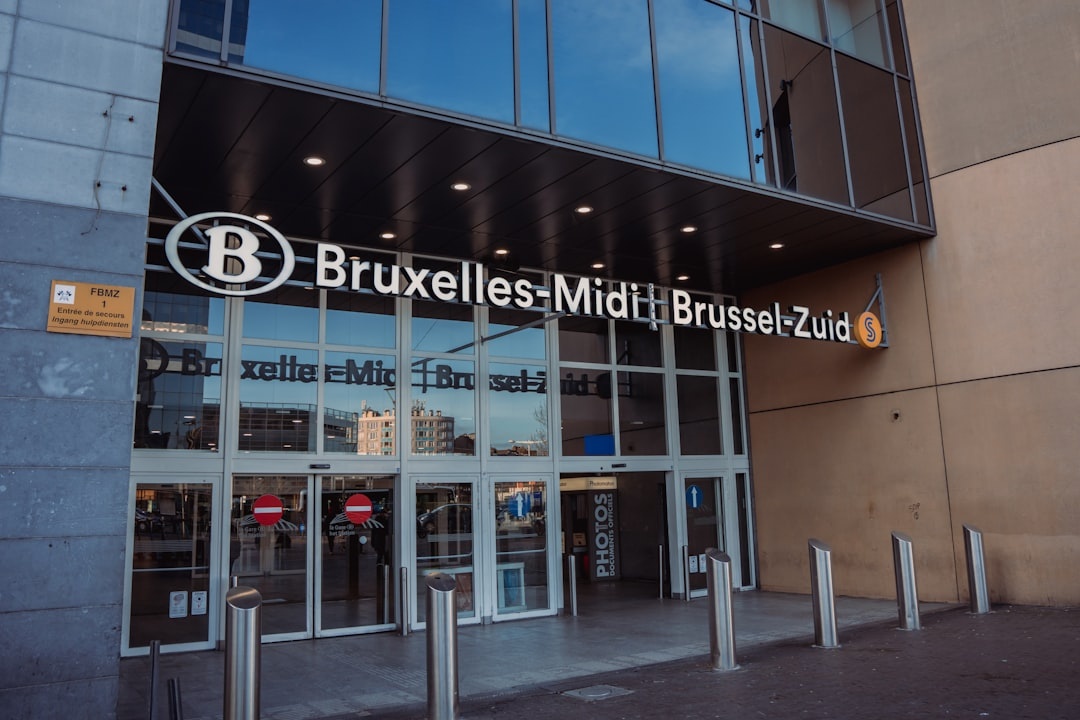
Brussels Airport’s rail station is finally being treated like what it should have been all along: a serious gateway into Europe, not just a commuter stop under the terminal. After more than 10 years without direct high-speed international service — the old Thalys airport stop disappeared in 2015 — Brussels Airport-Zaventem is reconnecting to Europe’s high-speed rail network, changing how smart travelers should plan Belgium, France, the Netherlands, Germany, and beyond.
Key Takeaways
- Brussels Airport-Zaventem is returning to Europe’s high-speed rail network after direct Thalys service ended in 2015.
- The airport train station sits directly under the terminal, about 5 minutes by escalator from arrivals.
- Brussels Airport to Brussels-Midi currently takes about 21 minutes by train and costs around €11.80 one-way.
- High-speed rail from Brussels-Midi reaches Paris in 1h22, Amsterdam in 1h52, Cologne in 1h50, and London in about 2h01.
- September is one of the smartest months to use rail-air combos in Europe: warm weather, fewer crowds, and lower midweek fares.
What’s Actually Changing at Brussels Airport?
The big shift is that Brussels Airport is being reconnected to long-distance high-speed rail after a gap of more than a decade. The airport already has a busy SNCB/NMBS station, but until now, international high-speed passengers usually had to transfer through Brussels-Midi/Zuid.
That transfer is the pain point. Brussels Airport to Brussels-Midi takes about 21 minutes by train, but once you add platform changes, buffers, Eurostar check-in for London, and luggage faff, the real-world penalty is closer to 45–70 minutes.
Skip the taxi-to-Midi instinct. A taxi from Brussels Airport to Brussels-Midi costs roughly €45–€60 and takes 25–50 minutes depending on traffic; the train costs about €11.80 and takes 21 minutes on a predictable schedule.
| Route | Typical time | Typical cost | Best for |
|---|---|---|---|
| Brussels Airport → Brussels-Midi by train | 21 min | ~€11.80 | High-speed rail connections today |
| Brussels Airport → Brussels-Midi by taxi | 25–50 min | €45–€60 | Late nights or 3+ people with bags |
| Brussels Airport → Brussels city center by train | 17–25 min | ~€11.80 | Hotels near Central or Schuman |
| Brussels Airport → Antwerp by train | 30–35 min | ~€13–€15 | Fast city break without Brussels traffic |
The airport station is directly below the terminal at level -1. From arrivals, it is usually a 5-minute walk via escalators or lifts, compared with 15–20 minutes just to reach some airport taxi queues during peak arrival banks.
Why This Matters More Than Another Airport Train
This is not just a convenience upgrade for Brussels. It strengthens one of Europe’s most useful air-rail hubs, especially for travelers who want to combine a long-haul flight with a low-carbon city hop.
Brussels sits in a rare sweet spot: Paris, Amsterdam, Cologne, Rotterdam, Lille, and London are all realistic same-day rail connections. From Brussels-Midi today, Eurostar reaches Paris Nord in 1h22, Amsterdam Centraal in about 1h52, and London St Pancras in around 2h01 after border formalities.
The problem has always been the missing airport link. Flying into Brussels and then backtracking to Brussels-Midi to catch a train to Amsterdam or Paris felt absurd, especially when the airport is geographically closer to the Antwerp/Netherlands corridor than central Brussels is.
In practical terms, reconnecting the airport to high-speed rail can cut the “hidden transfer cost” of a trip. A €39 Eurostar fare looks less attractive when you add an airport train, a 50-minute buffer, and a sandwich at Midi; a through-ticket or direct airport stop makes the same trip cleaner and often cheaper.
The Routes Travelers Should Watch First
The most useful services to watch are the north-south corridors: Brussels Airport toward Antwerp, Rotterdam, Amsterdam, Paris, and possibly onward links into Germany. These are the journeys where skipping Brussels-Midi saves the most time.
For now, use BelgianTrain.be for domestic legs, Eurostar.com for Paris/London/Amsterdam, NS International for Dutch connections, and Bahn.com for Germany. SNCF Connect is useful for France beyond Paris, especially Bordeaux, Lyon, and Marseille.
| City pair | Current best routing | Typical journey time | Advance fares |
|---|---|---|---|
| Brussels Airport → Paris | Airport train to Brussels-Midi + Eurostar | ~2h00–2h20 total | From €29–€49 + ~€11.80 airport train |
| Brussels Airport → Amsterdam | Airport train/IC via Antwerp or Brussels + Eurostar/IC | ~2h00–2h45 total | From €25–€49 depending train type |
| Brussels Airport → Cologne | Airport train to Brussels-Midi + ICE | ~2h20–2h45 total | From €19.99–€39.99 |
| Brussels Airport → London | Airport train to Brussels-Midi + Eurostar | ~3h00+ including check-in | From €44–€69 one-way |
My take: the Amsterdam and Paris airport links will be the real winners. London remains useful, but passport control and Eurostar check-in mean you still need a bigger buffer than for Schengen routes.
If you are connecting to the UK, arrive at Brussels-Midi at least 75 minutes before Eurostar departure. For Paris or Amsterdam, 25–35 minutes is usually enough if you already have your ticket and are not checking luggage.
How to Book Without Getting Burned
The mistake most travelers make is booking rail and air separately with impossible connection times. A 55-minute airport-to-Eurostar connection looks heroic on paper and miserable in real life.
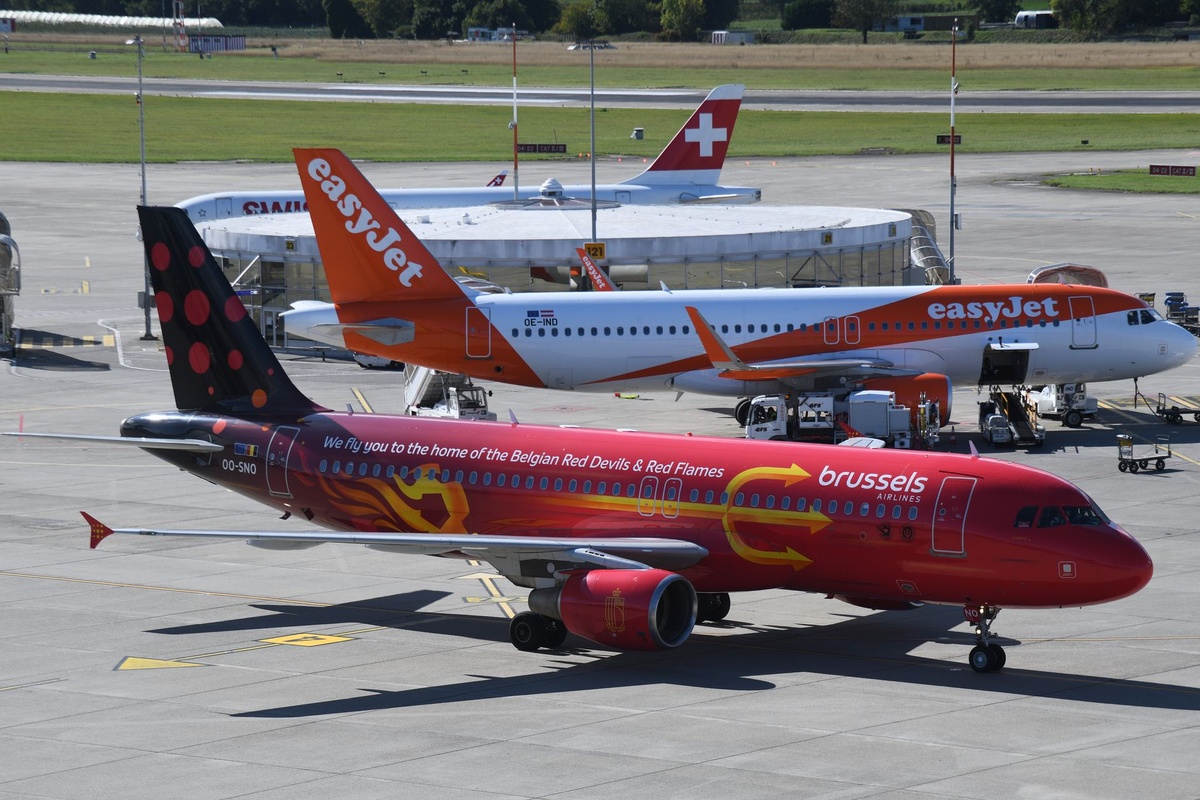
Use this rule: allow 90 minutes from scheduled flight arrival to a Schengen high-speed train, and 2.5–3 hours if your flight is long-haul or you need Eurostar to London. Checked bags at Brussels Airport often arrive in 20–45 minutes; carry-on-only travelers can be on the train platform in 10–15 minutes after exiting the aircraft.
- Book flexible rail if connecting from a flight. Paying €10–€25 more for semi-flexible fares can save a full repurchase.
- Use the SNCB app for airport trains. It includes the Brussels Airport Supplement, often called the Diabolo fee.
- Check platform changes on the day. Brussels-Midi is efficient but not charming; tight connections with bags are annoying.
- Store tickets offline. Eurostar, SNCB, DB Navigator, and NS International all support mobile tickets, but screenshots are your friend.
- Use mobile data, not airport Wi-Fi, for rebooking. An eSIM from Airalo or Nomad is usually cheaper than roaming; 3–5GB Europe plans often cost about US$10–US$15.
Skip third-party booking sites for complex rail-air trips unless the fare is dramatically lower. Book direct with Eurostar, SNCB, DB, or NS International; when delays happen, direct booking makes rebooking faster.
September 2026 Is the Perfect Test Month
September is shoulder-season gold in Europe: warm weather, fewer school-holiday crowds, and better midweek fares. It is also the month when Europe’s travel map gets interesting — wine harvest in Bordeaux and the Douro, Oktoberfest in Munich, early foliage in cooler regions, and alpine escapes in the Dolomites and Slovenian Alps.
Brussels works well as a September rail-air hub because the weather is still mild, usually around 13–20°C, and trains are less chaotic than in July or August. Hotels in Brussels also tend to behave differently from resort markets: business demand can push Tuesday–Thursday rates up, while weekends often drop.
For example, a midweek Brussels hotel near Schuman can run €160–€230 per night in September, while a weekend room near Sainte-Catherine may fall to €110–€150. That pricing flip is real: fall lodging is now pricier than summer in some top U.S. destinations, but European city weekends still offer shoulder-season value if you avoid conference dates.
If you are using Brussels Airport as a gateway, pair it with rail trips that make sense. Paris by train beats flying every time from Brussels; Amsterdam is usually faster by rail once airport security is included; Cologne is a perfect ICE hop for €19.99–€39.99 if booked early.
For travelers planning photography-heavy island breaks after a Brussels connection, our comparison of Tenerife, Madeira, and Malta for night photography under €50 a day is a good next read. Brussels often has competitive fares to the Canaries and Mediterranean in September, especially on Tuesday and Wednesday departures.
Where to Eat and Wait Near the Rail Connection
Brussels-Midi is useful, not lovable. Skip sitting in the main hall for an hour unless you enjoy fluorescent lighting and overpriced wraps.
If you have 60–90 minutes, take the metro or tram toward Sainte-Catherine and eat properly. Noordzee/Mer du Nord is my pick for seafood: shrimp croquettes are usually around €8–€10, grilled fish plates about €18–€24, and it is far better than a €9 station sandwich.
For a quick Brussels classic, Maison Antoine near Jourdan does fries from about €4–€6 and sauces around €1. It is roughly 20 minutes from Brussels-Midi by metro/tram, so only do this with a 2-hour buffer.
At the airport, the practical choice is coffee and a pastry before security rather than a full meal after. Airport meals regularly hit €15–€22 for something forgettable; in central Brussels, you can get a proper lunch menu for €18–€25.
If you are staying overnight before an early train or flight, choose location based on departure time. Before 08:00, stay near the airport or Brussels Central; after 09:00, stay near Sainte-Catherine, Dansaert, or Central and take the 17–25 minute train in the morning.
The Best Tech Stack for a Brussels Air-Rail Trip
A smooth Brussels connection is mostly about having the right apps before your flight lands. Airport Wi-Fi works, but it is not what I would trust while trying to rebook a €49 Eurostar seat with 12 minutes before departure.
Install SNCB/NMBS for Belgian trains, Eurostar for Paris/London/Amsterdam high-speed tickets, DB Navigator for Germany, and NS International for Dutch cross-border fares. Add Flighty or App in the Air if you want aircraft delay alerts before the airport screens update.
Google Maps is fine for station walking routes, but Citymapper is better inside Brussels for tram and metro decisions. A single STIB/MIVB public transport ticket costs about €2.60 contactless, while a 24-hour pass is around €8; compare that with €15–€25 for two short Uber rides in central Brussels.
For disruption planning, bookmark airline and rail compensation rules. If your flight into Brussels is delayed or canceled, EU261 compensation can be €250–€600 depending distance and delay length; services like AirHelp can check eligibility, though they take a fee if successful.
Rail delays are handled differently. Eurostar compensation typically starts at 25% of the ticket price for delays of 60–119 minutes and 50% for 120+ minutes, while SNCB domestic compensation is more limited for small delays.
Verdict: Use Brussels Airport as a Rail Hub, Not Just a Flight Hub
Brussels Airport’s return to the high-speed rail map is a bigger deal than it sounds. It gives travelers a cleaner alternative to short-haul flights, awkward Midi transfers, and expensive airport taxis.
The smartest move in 2026 is to treat Brussels as a modular gateway: fly long-haul into BRU, then continue by rail to Paris, Amsterdam, Cologne, Antwerp, or Lille. For September trips, that setup is especially strong because trains avoid the last of the summer airport crush while still giving you warm-weather Europe.
My opinionated version: skip the Brussels-Midi taxi transfer, book rail direct, give yourself a humane buffer, and spend the saved money on seafood at Noordzee or a better hotel location. If this high-speed airport reconnection is priced sensibly, Brussels could become one of Europe’s best fly-rail gateways again.
Planning a Europe trip this fall? Start by comparing flight prices into Brussels with rail fares out of Brussels-Midi and Brussels Airport on the same day — the cheapest itinerary is often the one that avoids a second flight entirely.
Frequently Asked Questions
Does Brussels Airport have a train station?
Yes. Brussels Airport-Zaventem station is directly under the terminal at level -1, about 5 minutes from arrivals by escalator or lift. Trains to central Brussels usually take 17–25 minutes.
How much is the train from Brussels Airport to Brussels-Midi?
The one-way fare is around €11.80, including the mandatory Brussels Airport Supplement. The trip takes about 21 minutes, compared with €45–€60 and 25–50 minutes by taxi.
Can I take a high-speed train directly from Brussels Airport?
Brussels Airport is reconnecting to Europe’s high-speed rail network after more than 10 years without direct service. Until full timetables are loaded, many travelers will still connect via Brussels-Midi for Eurostar and ICE trains.
How early should I arrive for a rail connection after landing at Brussels Airport?
Allow at least 90 minutes between scheduled flight arrival and a Schengen high-speed train. For Eurostar to London or long-haul arrivals with checked luggage, allow 2.5–3 hours.
Is Brussels Airport better than Brussels-Midi for international train connections?
For now, Brussels-Midi still has the widest high-speed choice, including Paris, London, Amsterdam, and Cologne. Once direct airport high-speed services are fully operating, Brussels Airport will be better for flight-to-rail connections because it removes the 21-minute transfer and extra buffer.

About the Author: Tomáš Bzirský
Founder and editor of Distratech. Based in the Czech Republic, travelling regularly from Central Europe. Writes practical travel guides and travel-tech comparisons (eSIM, apps, airports) in six languages.