'/%3E%3Cpath%20fill='%23b2b2b2'%20d='M241%20382q0%2016%2017%2026%2017%2011%2042%2011t42-11q16-11%2017-26V269H241'/%3E%3Cpath%20fill='%239f7e00'%20d='M241%20379q0%2014%208%2023%209%209%2021%209%2014%200%2021-9%209-9%209-23V269h-59'/%3E%3Cpath%20d='M241%20339v-70h59v110q0%2014-9%2023l-6%205v-68h-15v72q-8%200-14-4v-68zm59%2040c0%2022%2015%2032%2029%2032%2021%200%2030-18%2030-32v-40h-59'/%3E%3Cpath%20fill='%239f7e00'%20d='M266%20277v5h2v12h-3v-5h2v-5h-9v5h2v5h-4v9h3v18h-5v10h34v-10h-5v-18h3v-9h-4v-5h2v-5h-9v5h2v5h-3v-12h2v-5zm42%20101q0%2010%206%2017%206%206%2015%207%2010-1%2016-7%206-7%206-17v-29h-43'/%3E%3Ccircle%20fill='%230044ad'%20cx='329.5'%20cy='372'%20r='6'/%3E%3Cellipse%20fill='%230044ad'%20cx='300'%20cy='340'%20rx='16'%20ry='21'/%3E%3C/svg%3E)
'/%3E%3C/svg%3E)


'/%3E%3C/g%3E%3Cuse%20href='%23c'%20transform='matrix(-1%200%200%201%20720%200)'/%3E%3C/svg%3E)


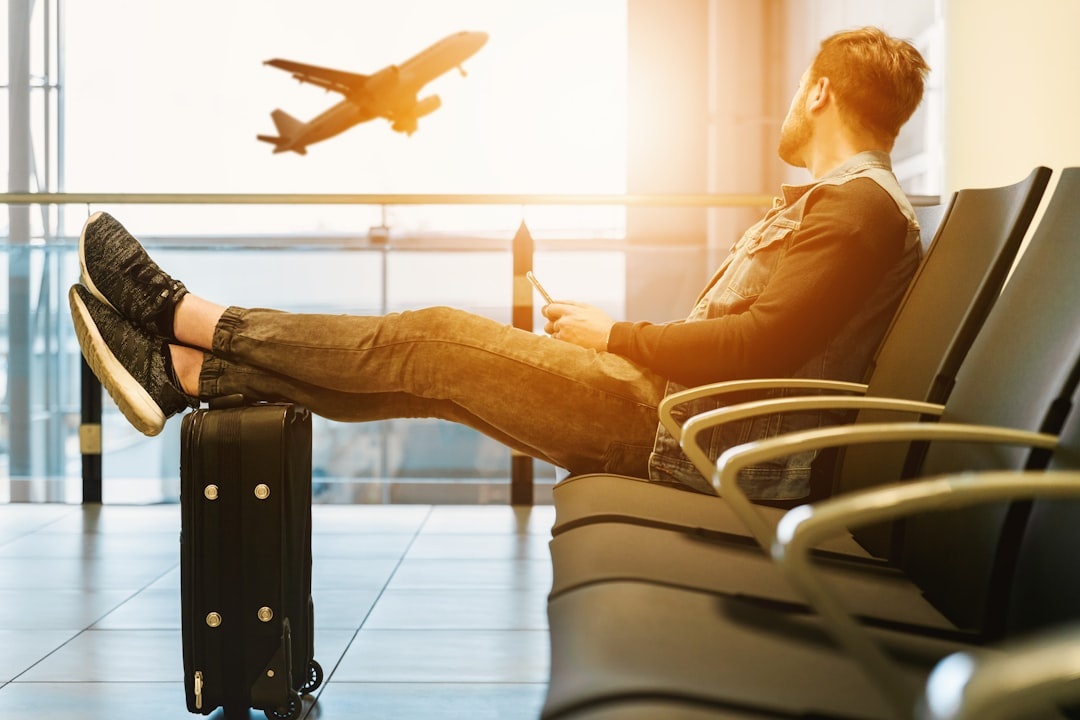
September should be Europe’s easy mode: warm seas, wine harvests in Tuscany and Bordeaux, cheaper midweek flights, and fewer school-holiday crowds. Instead, the travel industry is warning that the EU’s Entry/Exit System — EES — could turn some border crossings into the least romantic part of your shoulder-season escape.
Key Takeaways
- EES replaces passport stamping with biometric checks for most non-EU visitors entering 29 European countries.
- First-time EES registration can add around 2–5 minutes per traveler versus under 30 seconds for a stamp.
- Highest-risk pinch points are London St Pancras, Dover, Folkestone/Eurotunnel, coach terminals, and busy Schengen airports.
- Budget at least 90 minutes for Eurostar, 2 hours for ferries, and 3 hours for long-haul airport departures during rollout disruption.
- Use official booking sites like Eurostar, LeShuttle, DFDS, and P&O Ferries for live check-in rules.
What EES Actually Changes — and Why the Industry Is Angry
EES is the EU’s digital border system for non-EU, non-Schengen short-stay travelers. Instead of getting a passport stamp, you register your passport data, facial image, and four fingerprints when entering the Schengen area for up to 90 days in any 180-day period.
The industry’s complaint is simple: the policy may be sensible, but the rollout has been messy. Airports, ferry ports, rail operators, coach companies, and tour firms have been pushing Brussels for more flexibility because a border process that once took seconds can now take minutes.
| Border process | Old passport stamp | EES first registration | Traveler impact |
|---|---|---|---|
| Typical time per person | 15–30 seconds | 2–5 minutes | A 50-passenger coach can shift from 25 minutes to 2+ hours |
| Data collected | Passport visual check + stamp | Passport, face image, fingerprints | More kiosks, staff, and space needed |
| Repeat visits | Stamped again | Record reused for 3 years | Faster after first trip, but only if data matches cleanly |
| Where to check rules | Border signs | travel-europe.europa.eu | Check before booking tight connections |
For travelers, the annoying bit is that the biggest delay happens on your first EES crossing. A couple flying carry-on to Lisbon may barely notice it; a school group taking a coach from London to Paris absolutely will.
My take: skip any itinerary that depends on a “legal but silly” 45-minute international connection this autumn. Do one fewer city and protect the trip you actually want.
The Border Hotspots Most Likely to Feel “Shambolic”
The worst EES pressure is not always at the biggest airports. It is at places where Schengen border checks happen before departure — especially UK “juxtaposed controls” at London St Pancras, Dover, and Folkestone.
At London St Pancras, Eurostar passengers clear French border control before boarding. London to Paris takes 2 hr 16 min by train, often from €58/$63 one-way on eurostar.com, versus a flight that may look like €45/$49 but often becomes 4–5 hours door-to-door once you add airport transfers and security.
Dover is tighter. The Port of Dover to Calais is only about 34 km/21 miles across the Channel and the ferry crossing takes around 90 minutes, but cars, coaches, passport booths, and freight all compete for limited seafront space.
| Crossing | Typical journey time | From price | EES risk level | Best booking site |
|---|---|---|---|---|
| Eurostar London–Paris | 2 hr 16 min | €58/$63 | High at peak departures | eurostar.com |
| Dover–Calais ferry | 90 min sailing | about €82/$89 per car | High for coaches and family cars | dfds.com or poferries.com |
| LeShuttle Folkestone–Calais | 35 min train shuttle | about €117/$127 per car | Medium-high at weekends | leshuttle.com |
| Heathrow–Schengen flight | 1 hr 20 min flight to Paris | €55–€180/$60–$195 | Medium, depends on arrival airport | Airline website |
Coach travel is the one I would be most cautious about. A London–Paris coach can cost €30/$33 and take 8–10 hours on a good day; with EES, one slow biometric batch can wipe out the savings compared with a €70/$76 Eurostar fare.
September’s shoulder-season demand helps, but not as much as people think. Tuesday at 11:00 is a different universe from Friday at 17:30 before Oktoberfest, a Champions League match, or a Bordeaux harvest weekend.
How Early Should You Arrive? Use These New Buffers
Old Europe advice was “arrive at the airport two hours early.” For EES disruption windows, I would treat that as optimistic, especially for non-EU passport holders entering Schengen for the first time since registration began.
Eurostar advises passengers to follow the arrival time shown on their ticket, and gates usually close around 30 minutes before departure for Standard and Plus. During EES disruption, I would arrive 90 minutes early at St Pancras, not 60.
- Eurostar: arrive 90 minutes early; coffee at St Pancras costs about €4.60/$5, missing the train can cost €44–€88/$48–$96 to change depending on fare rules.
- Dover ferry: arrive 2 hours early; P&O and DFDS car check-in rules vary, but 60–90 minutes is often the minimum.
- LeShuttle: arrive 1.5–2 hours early; the crossing is only 35 minutes, but border processing happens before boarding.
- Schengen airport arrivals: avoid 45-minute onward connections; choose 90–120 minutes minimum if entering Schengen first.
- Coaches: avoid overnight arrivals if you have a same-morning hotel, train, or tour booking.
There is a real cost trade-off here. A €28/$30 earlier airport train plus a €12/$13 meal is still cheaper than missing a €160/$174 onward flight because a biometric kiosk froze.
At St Pancras, skip the main Pret queue when departures are stacked. Walk 8 minutes to Coal Drops Yard: Dishoom King’s Cross is usually open 08:00–23:00 Monday–Thursday, 08:00–00:00 Friday, 09:00–00:00 Saturday, and 09:00–23:00 Sunday; the bacon naan roll is about €11/$12 and beats panic-eating a supermarket sandwich.
The Tech Setup I’d Use Before Any EES-Affected Trip
You cannot fully pre-register for EES from your sofa like a normal visa waiver. Some airports and borders use self-service kiosks or apps to collect part of the data, but the official biometric confirmation still happens at the border.
That makes your phone setup more important, not less. You need live operator alerts, offline documents, roaming data, and a battery plan.
- Save official pages: bookmark travel-europe.europa.eu, your airline, ferry, rail, and airport websites.
- Install operator apps: Eurostar, LeShuttle, DFDS, P&O Ferries, SNCF Connect, Trainline, and your airline app.
- Download documents offline: passport scan, hotel booking, return ticket, travel insurance, and car hire voucher.
- Buy data before departure: a Europe eSIM from Airalo often starts around €4.50/$5 for 1 GB/7 days; Nomad commonly has 1 GB Europe plans around €4/$4.50.
- Carry a power bank: a 10,000 mAh Anker battery costs about €25/$27 and gives most phones 1.5–2 full charges.
Roaming is not the place to be cheap. A €5/$5 eSIM is better than paying €12/$13 per MB on an old US carrier plan while trying to rebook a train in a passport queue.
If you like travel apps, our guide to Android app deals for travelers is worth checking before a long rail or ferry day. Offline puzzle games are not essential, but they are nicer than watching a coach driver argue with a kiosk for 40 minutes.
Routes I’d Book — and Routes I’d Avoid This Autumn
September is still the best travel month for most of Europe. The trick is choosing routes where a border delay is annoying, not trip-destroying.
For Paris, Brussels, Amsterdam, Lille, and Rotterdam, I still prefer rail over flying from London if the fare is under €120/$130 one-way. You avoid airport transfers, liquid rules, and the sad economics of paying €35/$38 for a carry-on bag on a “cheap” flight.
| Trip | Skip this | Do this instead | Why |
|---|---|---|---|
| London to Paris weekend | Friday 18:00 Eurostar | Thursday 11:00 or Saturday 07:00 Eurostar | Same 2 hr 16 min ride, lower border pressure and often €30/$33 cheaper |
| UK to Alps by car | Dover Friday evening | LeShuttle before 10:00 or overnight near Folkestone | 35 min crossing vs 90 min ferry; more expensive but less exposed to port congestion |
| London to Brussels Airport | Fly via hub with 55-min connection | Train to Brussels then rail onward | Rail buffers are easier to control; see our guide to Brussels Airport returning to Europe’s high-speed rail map |
| Budget coach to Amsterdam | Overnight coach before paid tour | Day coach with flexible arrival or Eurostar sale fare | €35/$38 saved can vanish if you miss a €28/$30 museum slot |
For alpine escapes — a huge September trend this year — build in a buffer night. London to Chamonix via Paris and Geneva can be done in about 9–10 hours by rail, but one EES delay at departure can break the chain.
Skip same-day “arrive in Milan, drive to the Dolomites, check in by dinner” plans if you are landing from outside Schengen. Milan Malpensa to Ortisei is about 315 km/196 miles and 4 hr 15 min by car without delays; add immigration, luggage, and rental queues, and you are eating motorway snacks at 22:00.
If EES Delays Break Your Plans, What Can You Claim?
This is where travelers need to be realistic. If you miss a flight because you arrived late to immigration, compensation is unlikely; if the airline delays or cancels the flight, EU/UK261 rules may apply.
For airline-caused delays, compensation can be €250, €400, or €600 depending on distance and delay length. A service like AirHelp can check eligibility, but border congestion alone is usually not the airline’s fault.
Ferry rights are different. Under EU sea passenger rules, you may be entitled to snacks, accommodation, rerouting, or partial compensation for significant operator-controlled delays, but weather, security, and border controls can complicate claims.
Build your own cheap insurance buffer. A Premier Inn Dover Central room can be around €87–€120/$95–$130 in September, while a missed family ferry plus rebooking, meals, and stress can easily hit €250/$272.
At Folkestone, I’d stay at the Hampton by Hilton near the Channel Tunnel if you have an early LeShuttle. It is about 3 km/2 miles from the terminal, breakfast usually starts around 06:00, and you avoid the 05:00 motorway gamble from London.
For food, skip random motorway service stations if you are waiting near Folkestone. The Radnor Arms in Folkestone usually serves from midday to late evening, mains run about €18–€29/$20–$32, and it is a better use of a two-hour buffer than sitting in a car park refreshing X.
The Smart Traveler’s EES Checklist
The travel industry is right to pressure the EU over a clunky rollout. But travelers do not need to cancel Europe; they need to stop planning like the old stamp-and-go border still exists.
- Book direct with transport operators when border timing matters.
- Avoid first EES registration on the same day as a cruise, wedding, ski transfer, or prepaid tour.
- Choose Tuesday–Thursday departures where possible; Friday evening is the danger zone.
- Keep screenshots of tickets and booking references in one offline folder.
- Pay €10–€30/$11–$33 more for a humane connection if it protects a €700/$760 trip.
- Check official airport, ferry, and rail alerts the night before and again before leaving home.
September is still shoulder-season gold: fewer crowds, warm water in the Med, wine harvest energy, and better mountain prices before winter. Just treat EES like a new airport security layer, not a footnote.
If you are heading to Europe this month, send this guide to whoever booked the tightest connection in your group. They are the person most likely to need it.
Frequently Asked Questions
What is the EU EES system for travelers?
EES is the EU Entry/Exit System, a digital border database replacing passport stamps for most non-EU short-stay travelers. It records passport details, a facial image, fingerprints, and entry/exit dates for trips of up to 90 days in any 180-day period.
Will EES cause queues at Eurostar and Dover?
Yes, those are among the highest-risk locations because Schengen border checks happen before departure and space is limited. A first-time biometric registration can take 2–5 minutes per traveler, compared with around 15–30 seconds for a passport stamp.
How early should I arrive for Eurostar during EES disruption?
Arrive at least 90 minutes before departure at London St Pancras during busy periods, especially if it is your first EES registration. Eurostar gates usually close around 30 minutes before departure for Standard and Plus tickets.
Can I register for EES online before traveling?
Not fully. Some borders may use kiosks or partial pre-registration tools, but biometric verification is completed at the border, so you should still allow extra time.
Does EES apply to Ireland or the UK?
No, EES is for Schengen-area border crossings and does not apply when entering the UK or Ireland. It does affect many UK travelers heading to France, Spain, Italy, Germany, Greece, and other Schengen countries.

About the Author: Tomáš Bzirský
Founder and editor of Distratech. Based in the Czech Republic, travelling regularly from Central Europe. Writes practical travel guides and travel-tech comparisons (eSIM, apps, airports) in six languages.