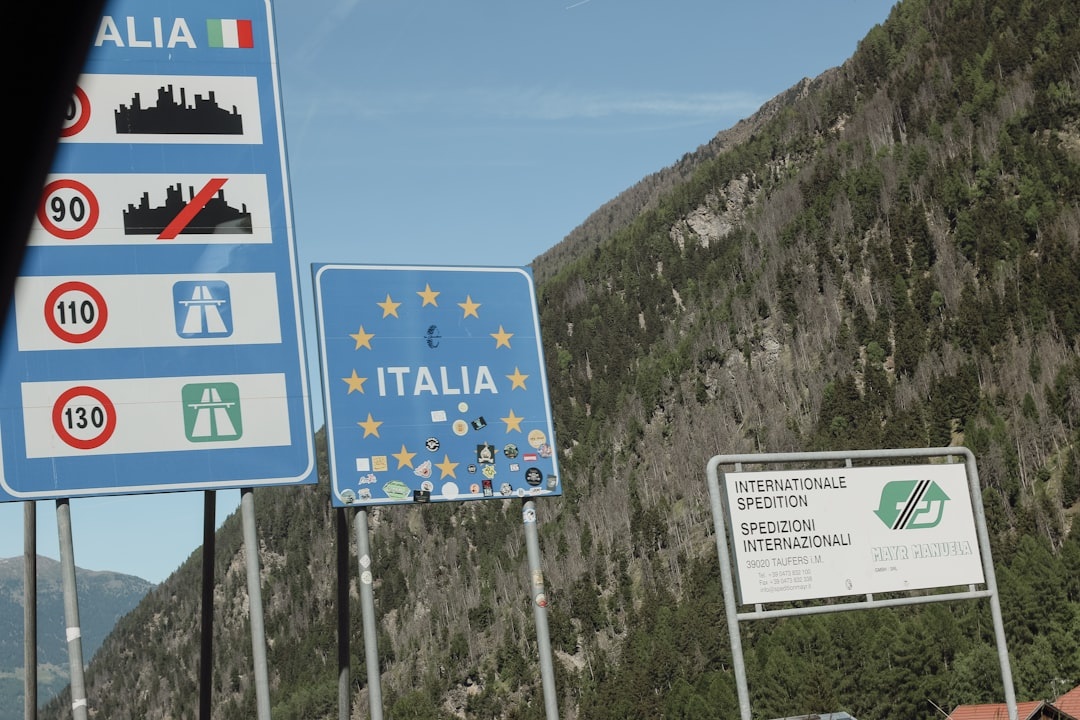
Europe’s shoulder season is usually the sweet spot: warm September weather, cheaper transatlantic fares, wine harvests in Tuscany and Bordeaux, and fewer museum queues than July. But from 6 September, many non-EU travellers will hit a new kind of queue first: EES biometric border checks at Schengen entry points.
Key Takeaways
- EES starts changing checks from 6 September at Schengen external borders for most non-EU short-stay travellers.
- The system is free, but first-time registration can add 5–15 minutes per traveller at busy ports and airports.
- Eurostar, Dover, and Eurotunnel are the routes most likely to feel delays because French checks happen before departure.
- ETIAS is separate: it is expected to cost €7 for eligible travellers aged 18–70 once active.
- Build in 2–3 hours before Eurostar/ferry departures instead of the usual 45–90 minutes.
What EES Is — And What Actually Changes From 6 September
The Entry/Exit System, or EES, is the EU’s digital border system for travellers entering the Schengen Area for short stays. Instead of getting a passport stamp, you’ll have your passport details, facial image, fingerprints, entry date, exit date, and refusal records stored electronically.
The big change from 6 September is practical: more border points begin using EES checks in live passenger flow. That means your first Schengen entry after the switch may take longer than your second or third, because the system needs to create your biometric record.
| Old Schengen Check | New EES Check | Typical Time |
|---|---|---|
| Passport scan + stamp | Passport scan + face image + fingerprints | 2–5 min vs 5–15 min first time |
| Manual counting of 90/180 days | Automatic stay calculation | Instant once registered |
| Physical passport stamp | Digital entry/exit record | No stamp souvenir, sorry |
Price check: EES costs €0 / $0. If a site asks you to “pay for EES registration,” skip it — that is either unnecessary or a scam.
The official EU information hub is travel-europe.europa.eu/ees. Bookmark it, not random “visa help” pages charging $39 for copy-pasted advice.
Who Needs EES Checks — And Who Can Ignore This
EES applies to most non-EU, non-Schengen travellers entering for a short stay of up to 90 days in any 180-day period. That includes visitors from the United States, Canada, the UK, Australia, New Zealand, Singapore, Japan, and many Latin American countries.
It covers external borders of Schengen countries including France, Spain, Italy, Germany, Greece, Portugal, the Netherlands, Switzerland, Norway, Iceland, and others. Ireland is not in Schengen, so flying New York–Dublin only is not an EES trip; flying New York–Dublin–Paris is.
| Traveller Type | EES Applies? | Example |
|---|---|---|
| US tourist flying to Paris | Yes | JFK–CDG, first Schengen entry in France |
| UK traveller taking Eurostar to Paris | Yes | French border check at London St Pancras |
| EU citizen with EU passport | No | Use EU/EEA/Swiss lanes |
| Long-stay visa or residence permit holder | Usually exempt from short-stay EES processing | French resident card, German residence permit |
| US traveller flying London only | No | UK is not Schengen |
Here’s the comparison that matters: London Heathrow immigration for US/Canadian eGate-eligible travellers can take 10–25 minutes on a good day, but first-time EES registration at a Schengen border can add 5–15 minutes per person before you even reach the normal officer check.
Families should pay attention. A solo traveller losing 10 minutes is annoying; a family of four can turn that into 40 extra minutes if kiosks are busy or children need manual processing.
Where Delays Will Hit Hardest: Eurostar, Dover, Eurotunnel, Airports
The places I’d watch most closely are not just big airports. The pressure points are routes where Schengen border checks happen before departure, especially from the UK into France.
Eurostar: London St Pancras to Paris, Brussels, Amsterdam
Eurostar’s London–Paris route covers about 305 km / 190 miles and usually takes 2 hr 16 min. The border process happens at London St Pancras, so if EES kiosks back up, you miss the train before you even leave Britain.
Eurostar often tells passengers to arrive 60–90 minutes before departure. From 6 September, I’d arrive 2 hours early for Paris or Brussels and 2 hr 30 min if travelling on Friday afternoons, Sundays, or around Oktoberfest connections into Germany.

Book and check live guidance at eurostar.com. Standard London–Paris fares often start around €58 / £49 / $63 one-way if booked weeks ahead, while last-minute tickets can jump above €220 / $238.
Dover Ferry and Eurotunnel: bring snacks, not optimism
Dover to Calais is only about 34 km / 21 miles across the Channel, and the ferry crossing takes around 90 minutes. Eurotunnel Folkestone–Calais is faster at about 35 minutes train time, but border processing happens before boarding.
| Route | Normal Crossing Time | Safer Arrival Time From 6 Sept | Booking Site |
|---|---|---|---|
| Eurostar London–Paris | 2 hr 16 min | 2 hr before departure | eurostar.com |
| Dover–Calais ferry | 90 min sailing | 3 hr before departure | dfds.com / poferries.com |
| Eurotunnel Folkestone–Calais | 35 min train | 2–3 hr before slot | eurotunnel.com |
| Paris CDG arrival | Airport processing varies | Book 2 hr+ before onward train | parisaeroport.fr |
Skip the “I’ll just make the 45-minute connection” plan. Do the boring adult thing and build a buffer: 2 hours minimum between Schengen arrival and a prepaid train, restaurant booking, or domestic flight.
Airport Arrival Strategy: Paris, Rome, Amsterdam, Madrid
At airports, the EES pain point is your first external Schengen border. If you fly New York–Paris–Rome, Paris CDG is where you do EES; the Paris–Rome leg is then internal Schengen travel.
September is still busy at European hubs because shoulder season has become mainstream. Paris has fashion-week spillover, Munich has Oktoberfest from 19 September to 4 October 2026, and wine regions are in harvest mode — great for travellers, less great for airport staffing margins.
| Airport | City Distance | Cheapest Useful Transfer | Taxi Comparison |
|---|---|---|---|
| Paris CDG | 25 km / 16 mi | RER B: €11.80, 35–45 min | Taxi: €56 Right Bank / €65 Left Bank, 45–75 min |
| Rome FCO | 32 km / 20 mi | Leonardo Express: €14, 32 min | Taxi fixed fare: €55, 40–70 min |
| Amsterdam Schiphol | 17 km / 11 mi | Train: about €5.90, 15–20 min | Taxi: €45–€60, 25–45 min |
| Madrid MAD | 13 km / 8 mi | Metro: about €5, 35–45 min | Taxi fixed fare: €33, 25–40 min |
My rule: if EES delays you by 45 minutes, take the fixed-price train into town instead of panic-ordering a rideshare. At CDG, RER B at €11.80 beats a €65 taxi almost every time unless you have three people and heavy luggage.
If you’re hunting September flight deals, use Google Flights price tracking and read our practical guide to finding affordable flights when fares are high. I’d rather save $250 on airfare and spend €14 on the Rome airport train than book a tight connection just to “save time.”
Step-by-Step: What To Do Before You Travel
You cannot fully “pre-clear” EES from your sofa in the way you might use Global Entry or Mobile Passport Control in the US. Some airports may offer self-service kiosks or app-assisted steps, but your identity and biometrics still need to be checked at the border.
- Check your passport validity: Schengen normally requires it to be valid for at least 3 months after departure and issued within the last 10 years.
- Confirm your first Schengen entry point: That is where EES registration happens, even if it is just a connection.
- Avoid tight onward bookings: Leave 2+ hours before trains and 3+ hours before separate-ticket flights.
- Download airline, rail, and ferry apps: Eurostar, SNCF Connect, Trainline, DB Navigator, and your airline app are worth the storage space.
- Keep proof of stay handy: Hotel confirmation, return ticket, and travel insurance PDF should be accessible offline.
- Use mobile data immediately: An eSIM from Airalo or Nomad usually costs about $5–$20 for short Europe data plans, far less than US roaming at $10/day.
For tech setup, I’d skip airport SIM kiosks unless you enjoy paying €35 for a plan that costs €10–€15 online. Install your eSIM before departure, but don’t activate the data plan until you land unless the provider’s clock starts on installation.
EES vs ETIAS vs Visas: Do Not Mix These Up
EES is not a visa and not a travel authorization. It is a border recording system that logs when eligible travellers enter and leave the Schengen Area.

ETIAS is the separate pre-travel authorization expected for visa-exempt travellers. Once active, it is expected to cost €7 for travellers aged 18 to 70, while under-18s and over-70s should not pay the fee, though they may still need authorization.
| System | What It Does | Cost | When You Deal With It |
|---|---|---|---|
| EES | Records entry/exit biometrics | €0 | At the Schengen border |
| ETIAS | Pre-travel authorization for visa-free travellers | €7 for ages 18–70 | Online before travel once active |
| Schengen visa | Visa for travellers who are not visa-exempt | Usually €90 adults / €45 children 6–12 | Before travel via consulate/visa centre |
| UK ETA | UK travel authorization | £16 | Before travelling to the UK |
Opinionated advice: skip third-party ETIAS “pre-registration” sites for now. Use official government or EU portals only, because paying $49 for a future €7 authorization is the travel-tech equivalent of buying bottled air.
Best September Routes If You Want Fewer EES Headaches
If your trip is flexible, choose your first Schengen entry carefully. A nonstop into your final country is usually smoother than connecting through a mega-hub with a separate-ticket train waiting on the other side.
For September 2026, I like Boston–Lisbon, New York–Madrid, and Toronto–Amsterdam for shoulder-season practicality. Lisbon and Madrid often have warmer weather, strong rail links, and cheaper city transfers than Paris or Zurich.
- Skip: London–Paris Eurostar with a 7:01 a.m. departure if you hate early queues.
- Do instead: Fly directly into Paris CDG and take RER B to the city for €11.80.
- Skip: Separate-ticket Paris connection with less than 2 hours at CDG.
- Do instead: Book one protected airline itinerary, even if it costs $80 more.
- Skip: Driving Dover–Calais on a peak Friday evening.
- Do instead: Travel Tuesday–Thursday before 11 a.m. and budget 3 hours pre-ferry.
September is still the best month to visit much of Europe: Dolomites rifugi are calmer, Bordeaux harvest dinners are in full swing, and the Red Sea diving season is excellent if you’re extending beyond Europe. Just treat border time like weather — you can’t control it, but you can pack for it.
Bottom Line: Add Time, Not Stress
The EES change from 6 September is not a reason to cancel Europe. It is a reason to stop booking heroic connections, arrive earlier at UK–France departure points, and keep your documents and data plan ready before you land.
My simple rule for autumn 2026: add 60–90 minutes to your first Schengen border crossing, especially at Eurostar, Dover, Eurotunnel, Paris CDG, Amsterdam Schiphol, and Rome FCO. The system should get faster after your first registration, but the first few weeks of any border-tech rollout are where optimism goes to die.
If you’re travelling this September, save this guide, check your carrier’s live advice 48 hours before departure, and share it with the one person in your group who thinks a 38-minute international connection is “probably fine.”
Frequently Asked Questions
What is the EES border system in Europe?
EES, or the Entry/Exit System, is the Schengen Area’s digital border record for most non-EU short-stay travellers. It replaces passport stamping with electronic records using passport data, facial images, fingerprints, and entry/exit dates.
Does EES cost money?
No, EES is free and costs €0 / $0. Be cautious of websites charging processing fees for “EES registration,” because travellers complete checks at the border, not through paid third-party sites.
How early should I arrive for Eurostar after EES starts?
For London St Pancras departures to Paris, Brussels, or Amsterdam, arrive around 2 hours early from 6 September. For peak Friday, Sunday, school-holiday, or Oktoberfest-period travel, allow up to 2 hr 30 min.
Is ETIAS the same as EES?
No, ETIAS and EES are separate. EES is a free border entry/exit record, while ETIAS is a future online travel authorization expected to cost €7 for eligible travellers aged 18–70.

About the Author: Tomáš Bzirský
Founder and editor of Distratech. Based in the Czech Republic, travelling regularly from Central Europe. Writes practical travel guides and travel-tech comparisons (eSIM, apps, airports) in six languages.