September is Canada’s national-park sweet spot: the lakes are still blue, the mosquitoes are mostly gone, larch season starts in the Rockies, and you can often pay 20–35% less for weekday lodging than in July. The catch? The famous parks are still famous, so the smartest trip mixes icons like Banff and Pacific Rim with quieter stunners like Kluane, Fundy, and Mingan.
Key Takeaways
- Parks Canada daily entry is typically CA$11 adult, about US$8/€7.50, or CA$75.25 for an annual adult Discovery Pass.
- September is ideal for Banff larches, Pacific Rim storm-light beaches, Gros Morne hiking, and Kluane glacier views.
- Book campgrounds and shuttles at reservation.pc.gc.ca; prime dates still sell out months ahead.
- Skip Lake Louise at midday; go before 7am or use the Parks Canada shuttle from the Park and Ride.
- For remote parks, download offline maps because cell service often disappears 10–30 minutes past the visitor centre.
Canada National Park Costs, Passes, and Booking Basics
Most Canadian national parks are open 24 hours a day, year-round, but visitor centres, shuttles, campgrounds, and boat tours run seasonal hours. In September, assume shorter operating windows than July: many visitor centres shift toward roughly 9am–5pm, and some alpine roads can see early snow by late month.
Entry fees are charged by Parks Canada, not by province. If you plan to visit Banff, Jasper, Yoho, and Waterton on one trip, buy the Discovery Pass instead of paying daily.
| Item | Typical 2026 Price | Best For | Book / Check |
|---|---|---|---|
| Adult daily entry | CA$11 / US$8 / €7.50 | 1 park day | parks.canada.ca |
| Adult Discovery Pass | CA$75.25 / US$56 / €51 | 7+ park days | Parks Canada passes |
| Frontcountry campsite | CA$24–43 / US$18–32 / €16–29 | Budget road trips | Parks Canada reservations |
| Basic hotel near major parks | US$130–320/night in September | Comfort + early starts | Book 2–6 months ahead |
For flights, Calgary is the easiest Rockies gateway, Vancouver works for Pacific Rim, Deer Lake is best for Gros Morne, and Whitehorse is the launch point for Kluane. If airfare looks ugly, use flexible-date alerts and positioning airports; Distratech’s guide to finding affordable flights is especially useful for Canada, where one-day date shifts can save US$80–250.
The Tourist Favorites That Actually Deserve the Hype
1. Banff National Park, Alberta — Best for First-Time Canada Drama
Banff is the postcard: turquoise lakes, glacier-backed highways, elk on the edge of town, and hikes that look fake in photos. It is also crowded, expensive, and absolutely still worth it if you plan like a tactician.
Skip Lake Louise between 10am and 4pm; it becomes a selfie traffic jam. Do Moraine Lake by shuttle instead, then hike Consolation Lakes, which gives you alpine scenery with a fraction of the crowd.
- Gateway: Calgary International Airport to Banff is 127 km / 79 miles, about 1 hr 30 min by car.
- Transit comparison: Banff Airporter is about CA$82 / US$61 one-way vs a rental car often US$70–120/day before parking.
- Best September move: Hike Larch Valley in the last two weeks of September when the alpine larches turn gold.
- Parking reality: Lake Louise lakeshore parking is about CA$36.75/day; shuttle seats usually cost less and save stress.
Stay in Banff if you want restaurants and buses, or Canmore if you want slightly better value. For a central base, compare hotels in Banff, then price-check Canmore too; the 25-minute drive can save US$40–100 per night in shoulder season.
Eat at Block Kitchen + Bar for small plates, Whitebark Café for coffee, and Juniper Bistro for the best breakfast view in town. Skip the gondola restaurant package if the weather is cloudy; do the Bow Falls walk and Vermilion Lakes sunset for free.
2. Jasper National Park, Alberta — Best for Wildlife and Big-Sky Roads
Jasper feels wilder than Banff because it is larger, darker, and less polished. After the 2024 wildfire, always check Parks Canada updates before booking specific trails or lodging, but the Icefields Parkway remains one of the most beautiful drives on Earth.
The showstopper is the 232-km / 144-mile Icefields Parkway between Lake Louise and Jasper. Drive time is 3 hours without stops, but that is fantasy; budget 6–8 hours for Peyto Lake, Sunwapta Falls, Athabasca Glacier viewpoints, and roadside bighorn sheep pauses.
- Gateway: Edmonton to Jasper is 365 km / 227 miles, about 4 hr by car.
- Cost comparison: Columbia Icefield Skywalk tours often run CA$100+ / US$74+; the Toe of the Athabasca Glacier trail is free after park entry.
- Best tech tip: Download the Icefields Parkway route in Google Maps and Gaia GPS; there are long no-service stretches.
- September bonus: Elk rut season starts, so keep 30 m / 100 ft away; males can charge cars and pedestrians.
For food, Terra is the splurge, while Jasper Brewing Co. is dependable after a cold hike. Skip cramming Jasper into a day trip from Banff; sleep at least one night or you will spend more time driving than looking.
3. Pacific Rim National Park Reserve, British Columbia — Best for Wild Beaches
Pacific Rim is Canada’s moodiest beautiful park: rainforest boardwalks, driftwood beaches, fog, surfers, and whales offshore. September is excellent because summer crowds thin out, but the water is still relatively mild for wetsuit surfing.
The Long Beach Unit between Tofino and Ucluelet is the easiest section. The West Coast Trail is the famous brutal trek, but casual travelers should skip it unless they have 6–8 days, permits, and knee confidence.
- Gateway: Nanaimo ferry terminal to Tofino is 207 km / 129 miles, about 3 hr 15 min by car.
- Ferry comparison: Vancouver–Nanaimo ferry is about CA$20 / US$15 per adult plus CA$65–85 / US$48–63 for a vehicle vs flying Vancouver–Tofino often US$160–300 one-way.
- Best short walk: Rainforest Trail loops are about 1 km each and take 20–30 minutes.
- Surf cost: Wetsuit + board rental in Tofino is usually CA$45–60 / US$33–44 per day.
Eat at Shelter Restaurant in Tofino or Pluvio in Ucluelet if you want the better food town without the Tofino markup. Skip peak sunset at Chesterman Beach if you hate crowds; do Florencia Bay or Wickaninnish Beach instead.
4. Gros Morne National Park, Newfoundland — Best for Geology and Big Empty Views
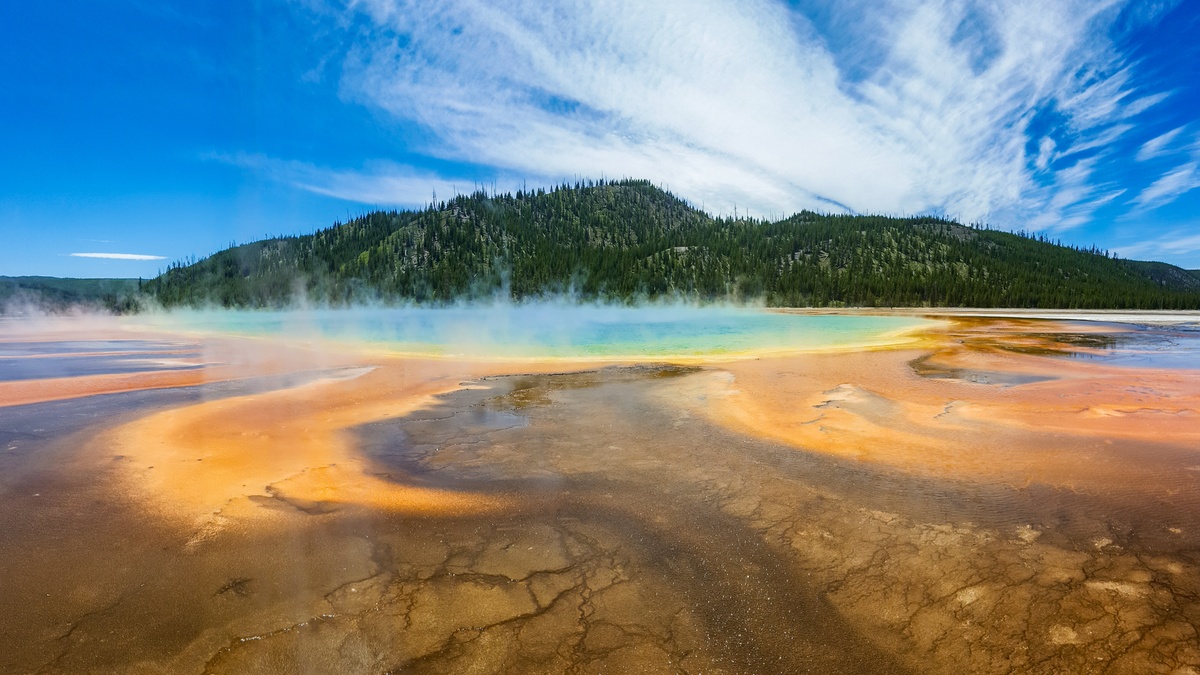
Gros Morne is where Canada gets weird in the best way: fjords, barren orange mantle rock, fishing villages, and cliffs that look more Icelandic than North American. It is a UNESCO World Heritage Site, but it still feels underrated because getting to Newfoundland takes effort.
The essential hike is the Tablelands Trail, a 4-km / 2.5-mile easy walk across exposed Earth’s mantle. For the classic view, book the Western Brook Pond boat tour; it is not cheap, but it delivers the fjord-like cliffs most visitors came for.
- Gateway: Deer Lake Airport to Rocky Harbour is 72 km / 45 miles, about 1 hr by car.
- Boat tour: Western Brook Pond tours typically cost around CA$79 / US$58 adult and require a 3-km / 1.9-mile walk each way to the dock.
- Drive comparison: Deer Lake rental car US$75–130/day vs limited local taxi options that can exceed US$100 for one transfer.
- Best September reason: Cooler hiking weather, fewer blackflies, and early fall color in the tuckamore forests.
Eat at Java Jack’s in Rocky Harbour and The Old Loft in Woody Point. Skip trying to see Gros Morne without a car; this is one of Canada’s worst parks for winging it on public transport.
The Hidden Gems Worth Building a Trip Around
5. Kluane National Park and Reserve, Yukon — Best for Glaciers Without the Crowds
Kluane is enormous, icy, and humbling. It holds Canada’s highest peak, Mount Logan, and some of the largest non-polar icefields on the planet, yet the main visitor experience can be as simple as driving the Alaska Highway and staring at mountains with nobody beside you.
The best easy hike is King’s Throne near Kathleen Lake: 10 km / 6.2 miles return to the lower viewpoint, with a steep 548 m / 1,798 ft climb. It is harder than the distance suggests, but the lake-and-mountain payoff beats many busier Rockies trails.
- Gateway: Whitehorse to Haines Junction is 154 km / 96 miles, about 1 hr 45 min by car.
- Flightseeing: Glacier flights from Haines Junction often run CA$350–550 / US$260–407 per person.
- Hotel comparison: Whitehorse rooms can be US$150–230/night; Haines Junction lodges are fewer and often similar, so book early.
- September bonus: Aurora odds improve as nights lengthen, while daytime hiking is still realistic early in the month.
Use Windy.com for flightseeing weather and Maps.me or Gaia GPS offline. Skip waiting until you arrive to arrange tours; operators are limited, and one bad-weather day can erase your glacier-flight window.
6. Waterton Lakes National Park, Alberta — Best Small Park With Huge Views
Waterton is the Rockies without Banff’s machinery. It is compact, windy, ridiculously scenic, and paired with Glacier National Park in Montana as an international peace park.
The townsite sits right inside the park, so you can walk from your hotel to the lake, marina, restaurants, and trailheads. That convenience makes Waterton feel easier than Banff, even though it is much smaller.
- Gateway: Calgary to Waterton is 271 km / 168 miles, about 3 hr by car.
- Cost comparison: Lakeshore walking is free after entry; boat cruises often cost around CA$65–75 / US$48–56 adult.
- Best hike: Bear’s Hump is 2.8 km / 1.7 miles return and takes 45–75 minutes for a huge town-and-lake view.
- September tip: Wind can be intense; a 15°C / 59°F forecast can feel much colder on the ridge.
Eat at Wieners of Waterton for a fast post-hike meal and Lakeside Chophouse if you want the view. Skip overplanning; Waterton works best as a two-night reset between longer drives.
7. Fundy National Park, New Brunswick — Best for Tides, Waterfalls, and Fall Color
Fundy is not mountain-dramatic like the Rockies, but it has something no western park can match: the world’s highest tides. The Bay of Fundy can rise and fall up to 12 m / 39 ft, turning beaches into seafloor walks and back again within hours.
September is excellent here because the humidity drops and fall color starts building late in the month. If you are also tracking foliage south of the border, compare timing with Distratech’s USA fall foliage guide; Atlantic Canada usually follows a similar late-September to mid-October rhythm.
- Gateway: Moncton to Fundy’s Alma entrance is 90 km / 56 miles, about 1 hr 15 min by car.
- Local comparison: Hopewell Rocks entry is about CA$15 / US$11 and separate from Parks Canada; Fundy trails are included with park entry.
- Best short hike: Dickson Falls loop is 1.5 km / 0.9 miles and takes 30–45 minutes.
- Food stop: Eat lobster rolls at Alma Lobster Shop; prices often run CA$24–32 / US$18–24.
Skip treating Fundy as a quick roadside stop. Stay overnight in Alma, check the tide chart twice, and walk the exposed ocean floor at low tide before returning at high tide to see the transformation.
8. Mingan Archipelago National Park Reserve, Quebec — Best Hidden Coastal Wonderland
Mingan is the park most international travelers have never heard of, which is exactly why it belongs on this list. Along Quebec’s Côte-Nord, limestone monoliths rise from the Gulf of St. Lawrence like natural sculptures, with puffins, seals, and cold blue water around them.
This is not a casual add-on from Montreal. It is a full coastal expedition, but the reward is a national park that feels closer to Greenland than to city-break Canada.
- Gateway: Sept-Îles to Havre-Saint-Pierre is 220 km / 137 miles, about 2 hr 30 min by car.
- Distance reality: Quebec City to Havre-Saint-Pierre is about 870 km / 541 miles, roughly 10–11 hr driving without long stops.
- Boat tours: Island excursions commonly cost CA$55–95 / US$41–70 depending on route and duration.
- Best season note: September has fewer visitors, but boat schedules thin out, so confirm departures before driving the Côte-Nord.
Use the Parks Canada app plus your boat operator’s weather updates, because wind matters more here than your itinerary. Skip Mingan if you only have a long weekend from Montreal; do it when you can give the north shore at least 5–7 days.
Practical Tech Tips for Canadian National Parks
Canada’s parks are beautiful partly because they are not always connected. In Banff town, your phone is fine; 20 minutes up a valley road, it may become a camera with a flashlight.
- Download offline maps: Save Google Maps areas plus trail maps in AllTrails, Gaia GPS, or Maps.me before leaving Wi-Fi.
- Use Parks Canada’s official app: It is better for closures, safety notices, and campground details than random blog screenshots.
- Carry a power bank: A 10,000 mAh bank, about US$20–35, is enough for 2–3 phone charges.
- Buy mobile data before arrival: Canada roaming can be expensive; an eSIM from Airalo often costs less than US carrier day passes.
- Do not rely on rideshare: Uber is useful in Calgary or Vancouver, but useless for trailheads like Moraine Lake, Gros Morne, or Kluane.
My rule: if the drive is over 90 minutes and crosses a park boundary, download everything. That includes hotel confirmations, shuttle QR codes, ferry bookings, trail maps, and the restaurant address you swear you will remember.
Best Time to Visit Canada’s Most Beautiful National Parks
September is the contrarian winner for most of these parks. You get shoulder-season gold: warm-ish days, cooler nights, clearer trails, cheaper flights than peak summer on many routes, and fewer tour buses.
Banff and Jasper peak visually in late September for larches, while Pacific Rim gets cinematic fog and early storm energy. Gros Morne, Fundy, and Cape Breton-style Atlantic landscapes begin sliding toward fall color, though the strongest foliage often lands from late September into mid-October.
There are trade-offs. Alpine snow can hit the Rockies by late September, northern boat schedules shrink, and remote lodges reduce services after Labour Day.
| Park | Best September Window | Why Go Then | Watch Out For |
|---|---|---|---|
| Banff | Sept 15–30 | Golden larches, fewer families | Shuttle sellouts, cold mornings |
| Pacific Rim | Sept 1–25 | Surf, beaches, lower room rates | Rain and ferry delays |
| Gros Morne | Sept 1–30 | Hiking weather, fewer bugs | Reduced restaurant hours |
| Kluane | Sept 1–15 | Aurora potential, glacier views | Early snow, limited tours |
| Fundy | Sept 20–Oct 10 | Tides plus early foliage | Tide timing controls your day |
My Honest Shortlist: Where to Go Based on Your Travel Style
If this is your first Canada trip, choose Banff + Yoho + Jasper and give it 7–10 days. It is popular for a reason, and the density of jaw-dropping scenery beats almost anywhere.
If you hate crowds, choose Kluane or Mingan. You will spend more on logistics, but you trade Instagram congestion for silence, scale, and the feeling that you earned the view.
If you want beauty without hardcore hiking, choose Pacific Rim, Waterton, or Fundy. These parks deliver big scenery from beaches, short loops, viewpoints, and boat tours rather than all-day climbs.
The one park I would not rush is Gros Morne. It needs at least three full days because weather changes fast, distances are longer than they look, and the best experiences are spread between Rocky Harbour, Norris Point, Woody Point, and Western Brook Pond.
Final Advice: Mix One Icon With One Underrated Park
The best Canada national park itinerary is not a checklist of famous names. It is one blockbuster plus one quieter place that makes the trip feel personal.
Pair Banff with Waterton, Pacific Rim with Strathcona Provincial Park, Gros Morne with Terra Nova, or Kluane with a slow Yukon road trip. Book the non-negotiables now—campgrounds, shuttles, ferries, and remote lodges—then leave enough space for weather, wildlife, and the random roadside view that becomes your favorite memory.
If you are planning for September 2026, move sooner than you think: shoulder season is no longer a secret, especially for alpine stays. Start with park reservations, set flight alerts, download your maps, and build the trip around early mornings rather than packed afternoons.
Frequently Asked Questions
What is the most beautiful national park in Canada?
Banff is the most famous and arguably the most visually dramatic, thanks to Lake Louise, Moraine Lake, and the Icefields Parkway nearby. For fewer crowds, Kluane and Gros Morne are just as spectacular but require more travel time.
How much does it cost to enter national parks in Canada?
Most Parks Canada sites charge about CA$11 per adult per day, roughly US$8 or €7.50. If you will spend 7 or more days in national parks, the CA$75.25 adult Discovery Pass is usually better value.
Is September a good time to visit Canadian national parks?
Yes, September is one of the best months for Canada’s national parks because crowds drop, bugs fade, and lodging can be cheaper than July or August. Expect colder mornings, shorter visitor-centre hours, and possible early snow in alpine areas after mid-month.
Do I need a car for Canada’s national parks?
For Banff town and Lake Louise shuttles, you can manage without a car, but most parks are far easier with one. In places like Gros Morne, Kluane, Fundy, and Mingan, a rental car is close to essential because public transport is limited or nonexistent.

About the Author: Tomáš Bzirský
Founder and editor of Distratech. Based in the Czech Republic, travelling regularly from Central Europe. Writes practical travel guides and travel-tech comparisons (eSIM, apps, airports) in six languages.