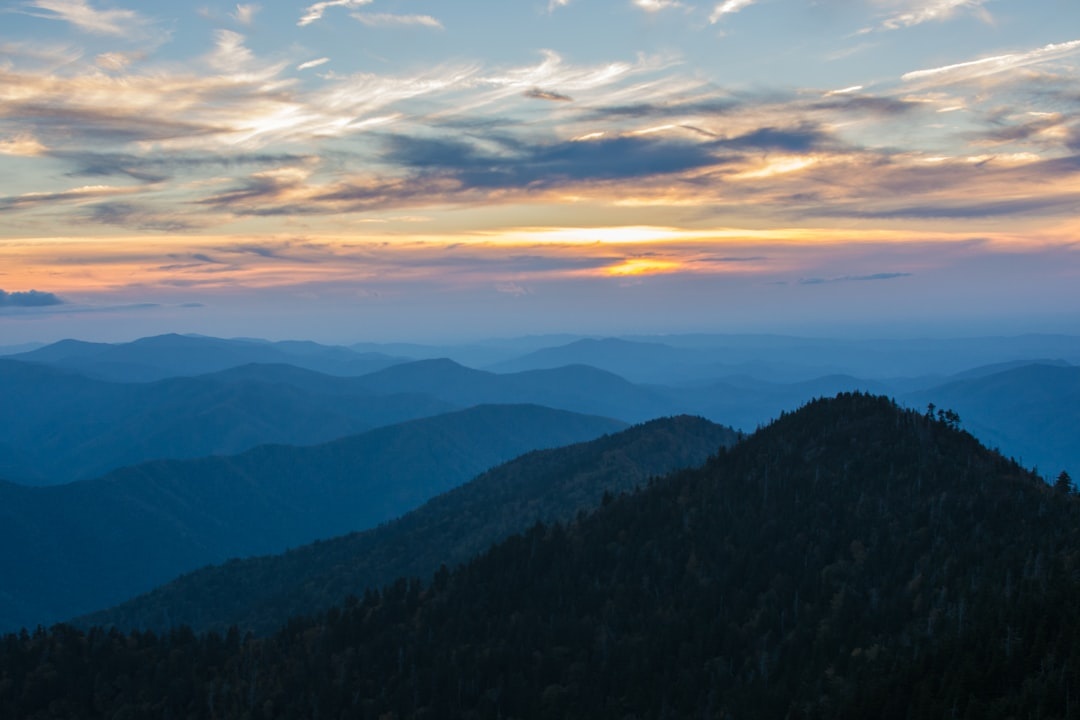
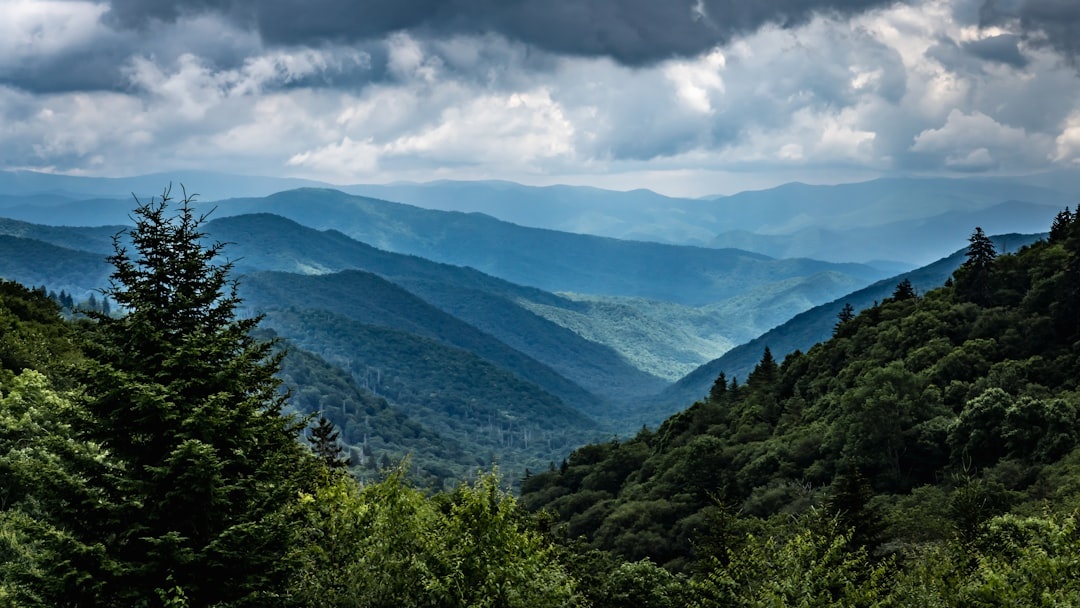
September is the sweet spot in the Smokies: warm afternoons, cooler ridge-line mornings, thinner weekday crowds, and the first hints of gold above 5,000 feet. If you want the classic “coffee on a deck with layered blue mountains” moment, your base matters more than your room thread count.
Key Takeaways
- Best overall base: Gatlinburg/Chalet Village, 10–20 minutes from Sugarlands Visitor Center and fall-view drives.
- Best quiet-view stay: Wears Valley or Townsend cabins, typically $160–$380 per night before cleaning fees.
- Best value: Cherokee, NC, where fall rooms often run $90–$190 versus $220–$450 in Gatlinburg.
- Peak foliage: late September at high elevations, mid-October around Newfound Gap, late October to early November in valleys.
- Park cost: Great Smoky Mountains has no entrance fee, but parking tags cost $5/day, $15/week, or $40/year.
The Quick Verdict: Best Smokies Bases for Views and Fall Color
For mountain views, skip the flat hotel strips unless price is your only priority. A cabin in Chalet Village, Cobbly Nob, Wears Valley, or above Townsend will beat most downtown rooms for sunrise, sunset, and foliage.
That said, fall pricing in the Smokies has flipped: October weekends can cost more than summer. A Gatlinburg cabin that’s $210 on a Tuesday in September can jump to $420–$600 on a Saturday in mid-October, especially if it has a hot tub and unobstructed views.
| Area | Best For | Typical Fall 2026 Price | Drive to Park Entrance | Mountain View Score |
|---|---|---|---|---|
| Gatlinburg / Chalet Village | First-timers, easy access, restaurants | $190–$450/night | 5–15 minutes | High if uphill |
| Wears Valley / Townsend | Quiet cabins, Cades Cove foliage | $160–$380/night | 10–25 minutes | Very high |
| Cherokee, NC | Budget, elk, Blue Ridge views | $90–$220/night | 5 minutes | Medium-high |
| Bryson City, NC | Scenic railroad, Deep Creek hikes | $130–$300/night | 8–20 minutes | Medium |
| Inside the Park | Hikers, rustic stays, no Wi-Fi | $30 campsite / $184+ lodge | Already there | Depends on site |
If this is your first Smokies trip, book Gatlinburg for convenience or Wears Valley for the better cabin-view-to-crowd ratio. If you’re foliage hunting in late October, Townsend wins because it puts you close to Cades Cove, Little River Road, and the quieter west side of the park.
Gatlinburg and Chalet Village: Best for First-Timers Who Still Want Big Views
Gatlinburg is the most practical base for mountain views because you can be downtown for dinner and still sleep above the lights in Chalet Village or Ski Mountain. Sugarlands Visitor Center is just 2 miles from downtown Gatlinburg, usually a 5–8 minute drive before 8 a.m. and 20–35 minutes during October traffic.
For hotels, The Park Vista — a DoubleTree by Hilton — is the obvious view pick. Fall rates typically run $210–$390 per night, and the circular tower layout gives many rooms a legit mountain-facing balcony instead of a parking-lot “partial view.”
For cabins, look uphill in Chalet Village, Black Bear Falls, or Cobbly Nob rather than staying on the Parkway. Expect $220–$450 per night for a one- or two-bedroom view cabin in October, plus cleaning fees of $100–$250; a similar downtown hotel room may be $180–$320, but you’ll trade deck views for walkability.
Use one search to compare hotels in Gatlinburg, then cross-check the same property’s direct website. In fall, direct booking sometimes includes free parking or breakfast, while OTAs often win on cancellation flexibility.
Best Gatlinburg Stays for Mountain Views
- The Park Vista: best hotel view; about 1.3 miles from downtown, with rooms commonly $210–$390 in fall.
- Chalet Village cabins: best deck-and-hot-tub setup; 10–15 minutes to downtown, but steep roads are common.
- Cobbly Nob cabins: quieter, east of town; 20–25 minutes to downtown, better for travelers prioritizing views over nightlife.
For food, skip the pancake houses with hour-long lines after 9 a.m. and do Crockett’s Breakfast Camp at 7 a.m. instead; a skillet breakfast runs about $15–$18, versus $6–$8 for a rushed coffee-and-pastry stop.
At night, book The Greenbrier Restaurant for a proper mountain dinner: entrées usually run $29–$52, cocktails $14–$18, and the wooded setting feels miles calmer than the Parkway. Downtown parking lots charge around $10–$20 per day, while the Gatlinburg Trolley is free but slower, often 25–40 minutes for routes that take 8–12 minutes by car.
Wears Valley and Townsend: Best for Quiet Cabins, Deck Views, and Cades Cove Color
Wears Valley is the place I’d send friends who want a cabin with a mountain view and zero interest in mini-golf traffic. It sits between Pigeon Forge and Townsend, with wide pastoral views and fast access to Little Greenbrier Road, Metcalf Bottoms, and the quieter west entrance of the park.
Cabins here usually cost $160–$380 per night in September and $240–$500 on peak October weekends. Compared with Gatlinburg, you’ll often get 20–40% more space for the money, but you’ll drive 25–35 minutes for major restaurants.
Townsend is even calmer and better for Cades Cove. The Townsend entrance is about 9 miles from Cades Cove Loop Road, roughly 15 minutes with no traffic; from Gatlinburg, the same trip can take 60–90 minutes in fall.
For lodging, Dancing Bear Lodge is the polished pick, with cottages and villas often around $259–$489 per night in fall. Tremont Lodge & Resort is more budget-friendly at roughly $125–$220, but views vary, so call before booking and ask for a room facing the mountains, not the road.
Why Townsend Works So Well in Fall
Cades Cove Loop Road is 11 miles, but in October it can take 2–4 hours because everyone stops for deer, bears, barns, and foggy valley views. Staying in Townsend lets you enter early, loop once, and be eating breakfast before Gatlinburg day-trippers arrive.
Great Smoky Mountains National Park is open 24 hours, and Cades Cove is generally open sunrise to sunset. The Cades Cove Visitor Center typically operates 9 a.m.–5 p.m. in fall, but always check NPS Great Smoky Mountains updates for temporary road closures.
Eat at Dancing Bear Appalachian Bistro if you want the best dinner on the quiet side; mains usually run $28–$46. For cheaper fuel, Burger Master in Townsend is the local move: burgers and sandwiches are usually $8–$13, compared with $25+ entrées at lodge restaurants.
Cherokee and Bryson City: Best Value on the North Carolina Side
The North Carolina side gets unfairly overlooked, which is exactly why it works in September and late October. Cherokee puts you 5 minutes from Oconaluftee Visitor Center, where elk often graze at dawn and dusk, and 35 minutes from Newfound Gap.
Fall rooms in Cherokee often run $90–$190 at straightforward motels and $120–$269 at Harrah’s Cherokee, depending on concerts and casino demand. That can be half the cost of a comparable Gatlinburg weekend, though you’ll have fewer walkable restaurants and less nightlife.
Bryson City is better if you want a small-town base with the Great Smoky Mountains Railroad. The train’s fall foliage excursions typically run from the historic Bryson City depot, with adult tickets commonly around $69–$129 depending on class; driving from Bryson City to Deep Creek takes only 8 minutes.
For mountain views, book a cabin above Bryson City rather than a downtown inn. Downtown is charming, but a $190 room near Everett Street will not deliver the same sunrise view as a $240 ridge cabin 10 minutes outside town.
Best North Carolina-Side Picks
- Cherokee: best for budget and elk; Oconaluftee Visitor Center is typically open 9 a.m.–5 p.m.
- Bryson City: best for couples and scenic train rides; Deep Creek trails are 3 miles from town.
- Maggie Valley: cheaper spillover option; often $85–$160 per night, but 35–50 minutes farther from core Smokies hikes.
For food, skip generic casino buffets and go to Native Brews Tap & Grill in Cherokee, where sandwiches and bowls usually land around $12–$18. In Bryson City, The Bistro at the Everett Hotel is the dinner reservation to make; entrées are commonly $24–$42, and it’s a better value than driving 70 minutes back to Gatlinburg for a “famous” steakhouse.
If your fall trip is part of a larger leaf-peeping route, pair the Smokies with the Blue Ridge Parkway or compare color timing with our guide to the best fall foliage destinations in the USA. The Smokies usually hold color longer than New England because the elevation range is so wide.
Inside the Park: Best for Hikers, Not Luxury View Seekers
Here’s the honest take: staying inside Great Smoky Mountains National Park sounds romantic, but it is not the best choice if you want a plush room with panoramic windows. The park has no full-service hotels inside its boundaries, and most overnight options are campsites, backcountry shelters, or the rustic LeConte Lodge.
Frontcountry campgrounds like Elkmont, Smokemont, and Cades Cove usually cost around $30 per night and are booked through Recreation.gov. That is wildly cheaper than a $300 cabin, but you’ll trade private decks, hot tubs, and Wi-Fi for picnic tables, shared restrooms, and chilly mornings.
LeConte Lodge is the special exception. It sits near the summit of Mount Le Conte at about 6,400 feet, and rates are typically around $184+ per adult per night, including dinner and breakfast, but you must hike 5–8 miles to reach it depending on your trail.
Book LeConte Lodge through lecontelodge.com, and be realistic: prime fall dates are often gone through the lottery or waitlist long before September. Compared with a Gatlinburg cabin, LeConte is cheaper per person but much harder logistically, and there are no showers, outlets in cabins, or casual luggage drop-offs.
Inside-the-Park Cost Comparison
| Stay Type | Approx. Nightly Cost | Comfort Level | View Potential |
|---|---|---|---|
| Frontcountry campsite | $30 | Basic | Low to medium |
| Backcountry campsite/shelter | $8/person/night permit fee | Very basic | High if you hike to ridges |
| LeConte Lodge | $184+ per adult | Rustic | Very high |
| View cabin outside park | $180–$500+ | Comfortable to luxury | High |
My advice: camp inside the park if you love camping, not because you think it’s the “best” lodging. For mountain views with a real bed, a cabin just outside the boundary is the smarter move.
When to Book for Fall Foliage Views in 2026
September is shoulder-season gold in many destinations, but the Smokies are trickier because October foliage demand pushes rates up fast. If you want warm weather and lower prices, target September 15–30; if you want peak color, pay the premium for mid-to-late October weekdays.
Foliage starts high, then rolls downhill. Kuwohi — formerly Clingmans Dome — and Newfound Gap can show color in late September and early October, while Gatlinburg, Townsend, and Cades Cove usually peak from late October into early November.
| Fall Window | Best Elevation/Area | Typical Lodging Price Pattern | Who Should Go |
|---|---|---|---|
| Sept. 15–30 | High ridges, Kuwohi, Newfound Gap | 10–25% cheaper than October weekends | Hikers, photographers, deal hunters |
| Oct. 1–15 | Mid-elevation trails, Blue Ridge Parkway | Rates rising, weekends expensive | Scenic drivers, couples |
| Oct. 16–31 | Cades Cove, Roaring Fork, valleys | Peak pricing; 2-night minimums common | Classic foliage travelers |
| Nov. 1–10 | Lower valleys, river roads | Prices drop after Halloween | Flexible travelers |
For the best value, book Sunday–Thursday. A cabin listed at $325 on Saturday may drop to $210–$240 on Monday, and you’ll also avoid the worst Newfound Gap Road traffic.
Kuwohi Road is typically open from April through November, weather permitting, and the 0.5-mile paved trail to the observation tower is steep enough to feel like a workout. Gatlinburg to Kuwohi is about 23 miles and 60–75 minutes in fall traffic; Cherokee to Kuwohi is about 25 miles and roughly 55 minutes.
Practical Booking, Driving, and Tech Tips for View-First Smokies Stays
Do not book a “mountain view” cabin based only on one wide-angle photo. Message the host and ask, “Is the view unobstructed from the main deck in October after leaves turn, and does the deck face east, west, or south?”
East-facing decks are better for sunrise coffee; west-facing decks are better for sunset and golden-hour photos. South-facing decks get more daylight, which matters in late October when temperatures can swing from 38°F at dawn to 68°F by afternoon.
- Check the road grade: steep cabin roads around Chalet Village can be intimidating after rain; ask if 2WD is suitable.
- Book parking tags before arrival: park tags are $5/day, $15/week, or $40/year and are sold online and at visitor centers.
- Download offline maps: use Google Maps offline plus the free NPS app; cell service drops fast past visitor centers.
- Arrive before 8 a.m.: Newfound Gap parking fills early in October; arriving at 10 a.m. can add 20–40 minutes of circling.
- Avoid Pigeon Forge for views: it’s great for attractions, but most stays face traffic lights, not ridgelines.
For flights, Knoxville’s McGhee Tyson Airport is the easiest gateway: about 44 miles to Gatlinburg, usually 1 hour 15 minutes without heavy traffic. Asheville Regional Airport is better for Cherokee or Bryson City, roughly 55–70 miles depending on route, but often has fewer nonstop options.
Rental cars are basically mandatory if you care about views. A compact car in Knoxville in fall typically runs $45–$85 per day before taxes, while rideshare from Knoxville airport to Gatlinburg can cost $90–$150 one way and may be hard to find for the return.
If flight prices look ugly — and fall airfare has stayed stubbornly high into 2026 — use flexible dates and compare Knoxville, Asheville, and Greenville-Spartanburg. Our guide to finding affordable flights when airfares are high has the fare-calendar tactics I’d use before locking in Smokies lodging.
My Shortlist: Where I’d Actually Stay
If I were booking a fall foliage trip right now, I’d choose based on trip style, not hype. Gatlinburg is convenient, Townsend is prettier and calmer, Cherokee is cheaper, and LeConte is unforgettable only if you actually want the hike.
| Traveler Type | Stay Here | Why | Skip This |
|---|---|---|---|
| First-time visitor | Chalet Village, Gatlinburg | Fast access to Newfound Gap and restaurants | Pigeon Forge strip hotels |
| Couple seeking quiet | Wears Valley cabin | Better decks, fewer crowds | Downtown Gatlinburg weekends |
| Photographer | Townsend | Close to Cades Cove sunrise | Late starts from Sevierville |
| Budget traveler | Cherokee | Lower room rates, elk viewing | Peak October Gatlinburg cabins |
| Serious hiker | LeConte Lodge or Elkmont | Trail access over amenities | Luxury cabins far from trailheads |
The overall winner for mountain views and fall foliage is Wears Valley if you have a car and want calm. The overall winner for convenience is Gatlinburg/Chalet Village, especially if it’s your first Smokies trip and you want restaurants, trailheads, and viewpoints within easy reach.
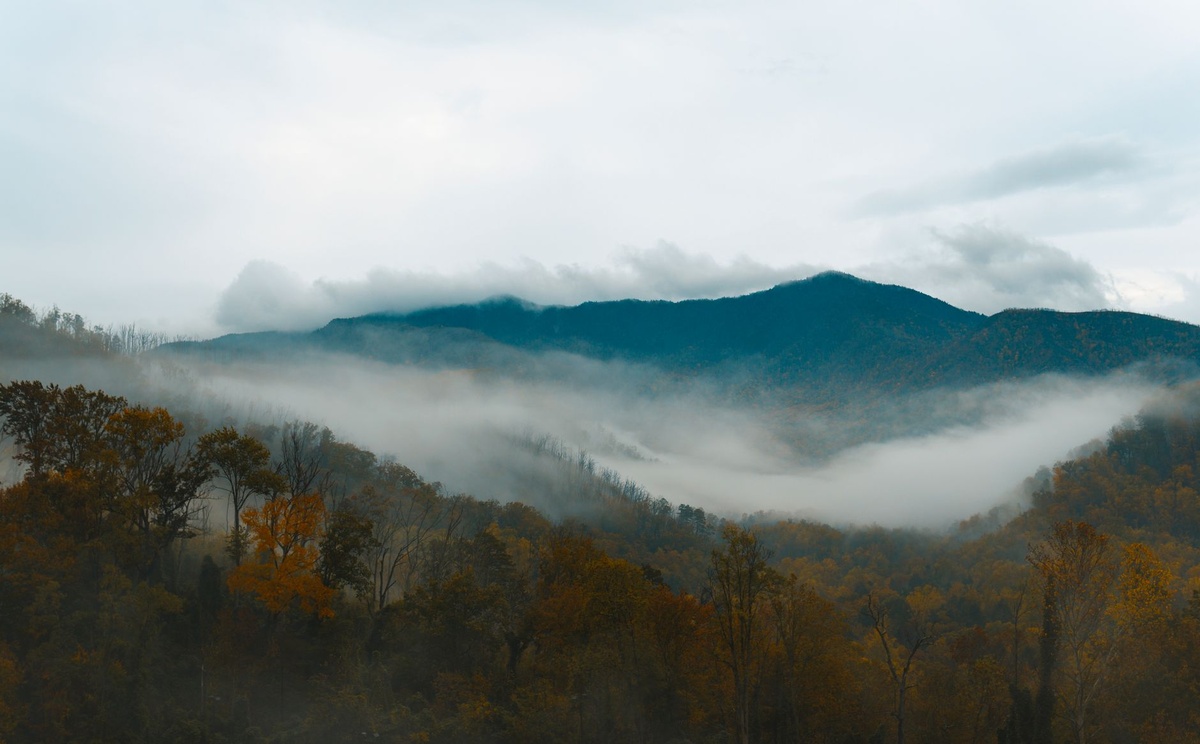
Book early for October, stay midweek if you can, and don’t overpay for a room that says “mountain view” but faces a hillside. Choose the right ridge, download your maps, and let the Smokies do what they do best: layers of blue mountains, foggy valleys, and fall color that lasts longer than you expect.
Frequently Asked Questions
Where is the best place to stay in the Smoky Mountains for fall foliage?
Wears Valley and Townsend are best for quiet foliage views, especially near Cades Cove and Little River Road. Gatlinburg/Chalet Village is better if you want restaurants and quick access to Newfound Gap within 35–60 minutes.
When is peak fall foliage in Great Smoky Mountains National Park?
High elevations usually start turning in late September and early October. Mid and lower elevations, including Gatlinburg, Townsend, and Cades Cove, typically peak from mid-October through early November.
How much does it cost to stay near Great Smoky Mountains in fall?
Expect $90–$220 per night in Cherokee, $160–$380 for Wears Valley/Townsend cabins, and $190–$450+ in Gatlinburg during fall 2026. October weekends often cost 30–60% more than September weekdays.
Do you need a reservation to enter Great Smoky Mountains National Park?
No reservation or entrance fee is required to enter the park. You do need a parking tag if you park for more than 15 minutes: $5 per day, $15 per week, or $40 annually.

About the Author: Tomáš Bzirský
Founder and editor of Distratech. Based in the Czech Republic, travelling regularly from Central Europe. Writes practical travel guides and travel-tech comparisons (eSIM, apps, airports) in six languages.