Two weeks in Japan is the sweet spot. You get neon Tokyo, steaming Hakone onsen, Kyoto’s temples at sunrise, Osaka street food at midnight, and Hiroshima’s sobering history — without feeling like you’re sprinting between train platforms.
This is a realistic 14-day Japan itinerary for 2026 with actual prices (summer season), honest timing estimates, and a full budget breakdown in USD. Peak summer means festivals, fireworks, and humidity — but also long daylight hours and electric city energy.
Key Takeaways
- 14 days in Japan (mid-range style) costs about $2,800–$3,600 per person excluding flights.
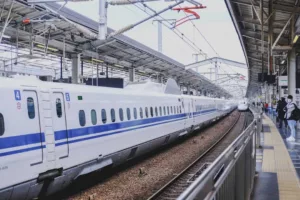
- Tokyo–Kyoto by Shinkansen: 2h15, ~$95 one way (Nozomi, reserved seat).
- Hakone Free Pass: $36–$44 depending on departure, covers 2 days of transport.
- Summer 2026 tip: book Kyoto hotels 8–10 weeks early due to Gion Matsuri crowds.
Days 1–4: Tokyo (4 Nights)
Base yourself in Shinjuku or Ginza. You’ll save 20–30 minutes per day in transit compared to staying in Asakusa, which is charming but less central.
Where to Stay
Hotel Gracery Shinjuku – from $140/night (July 2026 rates). Clean, unbeatable location, Godzilla head included.
Upgrade option: Tokyu Stay Ginza (~$190/night) with in-room washer/dryer — surprisingly useful in humid summer.
What to Do
Shibuya Sky – $15, book via official site. Go at 6:30 pm for sunset. It’s better than Tokyo Tower ($8) and less chaotic than Skytree ($14).
Meiji Shrine – Free, open sunrise to sunset. Go before 8 am. By 10 am in July, tour groups roll in and humidity climbs fast.
Tsukiji Outer Market – Tuna skewers ~$7, fresh uni $10–15. Skip the overpriced sushi chains; eat at Sushi Daiwa (~$35 set).
Akihabara or teamLab Planets – teamLab tickets $25. Book 3–5 days ahead in summer.
Getting Around
Tokyo Metro 72-hour pass: ~$10. Great value if you’re sightseeing heavily.
Single rides: $1.50–$2.50. Taxi: starts at ~$5; 20-minute ride can hit $18–$25.
Comparison:
| Route | Metro | Taxi |
|---|---|---|
| Shinjuku → Shibuya | $2, 7 min | $18, 20 min |
| Ginza → Asakusa | $2.20, 18 min | $22, 25 min |
Use Google Maps (perfect in Japan) and add a Suica card to Apple/Google Wallet for tap-and-go.
Days 5–6: Hakone (1–2 Nights)
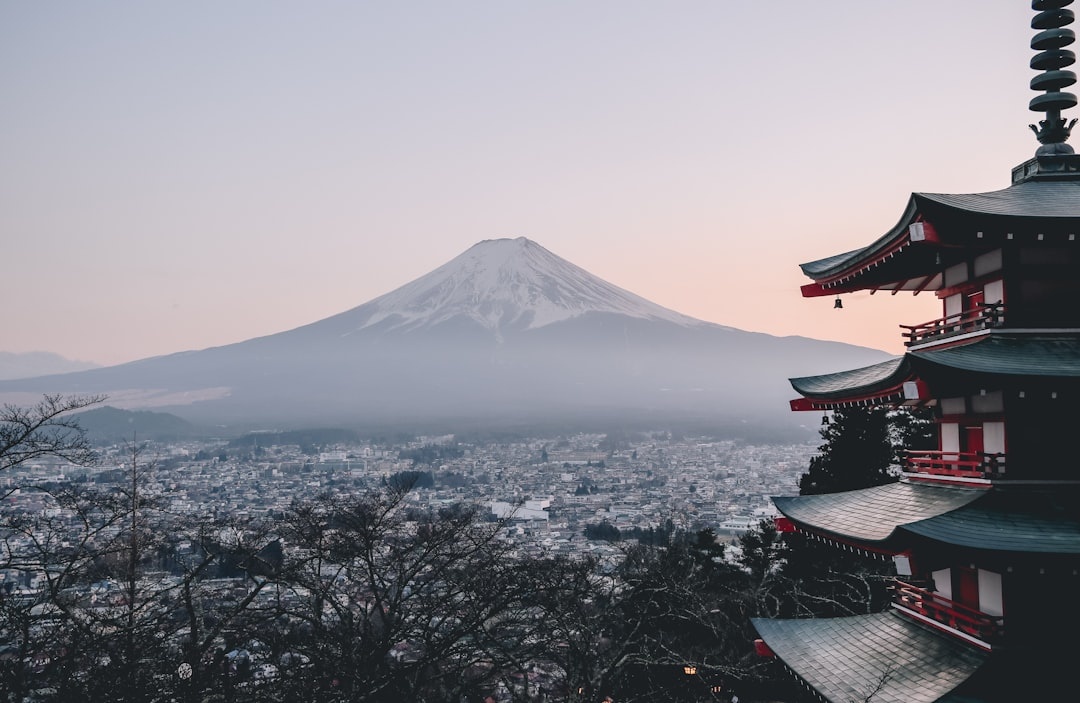
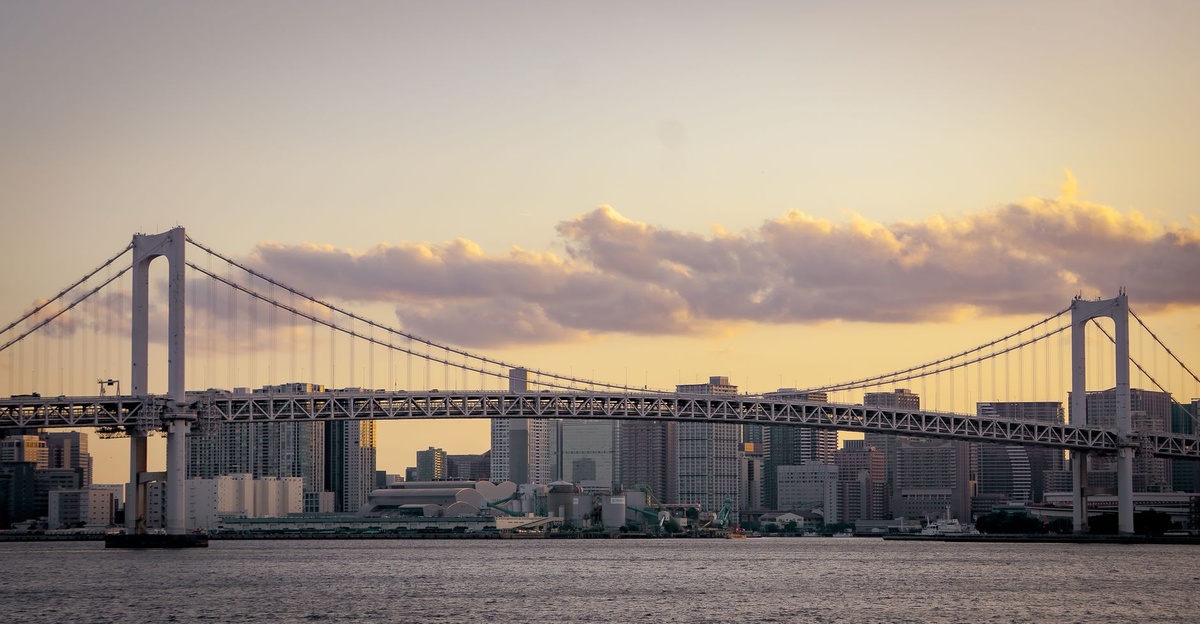
Hakone is your Fuji + onsen reset. It’s 90 minutes from Tokyo and feels worlds away.
Getting There
Romancecar from Shinjuku: $16, 1h30.
Regular Odakyu train: $9, ~2 hours with transfer.
Romancecar wins for comfort and reserved seats — worth the extra $7.
Hakone Free Pass
$36 from Shinjuku (2 days). Includes trains, cable car, ropeway, pirate ship cruise.
Buying everything separately costs ~$50+. Get the pass.
Where to Stay
Yaeikan Ryokan – from $180/person with dinner + breakfast. Traditional tatami, private onsen options.
Budget option: Guesthouse Azito – $35 dorm, $90 private room.
What to Do
- Hakone Ropeway over Owakudani volcanic valley (included in pass).
- Lake Ashi pirate ship cruise (30 min).
- Hakone Open-Air Museum – $14, worth it.
If Mount Fuji visibility matters, check live cams the morning of your trip. Summer mornings are clearer; clouds often roll in by 11 am.
Days 7–10: Kyoto (4 Nights)
Take the Shinkansen from Odawara to Kyoto: ~$95, 2h15 (Nozomi). Trains every 10–15 minutes.
July is festival season. Gion Matsuri (entire month) peaks mid-July with massive floats. Hotels jump 25–40% during main parade dates.
Where to Stay
Hotel The Celestine Kyoto Gion – ~$220/night. Walk to Yasaka Shrine at dawn.
Mid-range gem: Cross Hotel Kyoto – ~$170/night, central and modern.
What to Do (Strategic Timing Matters)
Fushimi Inari – Free, 24 hours. Go at 6 am. At 10 am it’s shoulder-to-shoulder in summer.
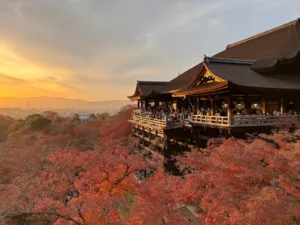
Kiyomizu-dera – $3 entry, 6 am opening in summer. Pair with Sannenzaka streets before shops get busy.
Arashiyama Bamboo Grove – Free. Arrive before 7:30 am. Skip the monkey park unless you love steep 20-minute climbs in humidity.
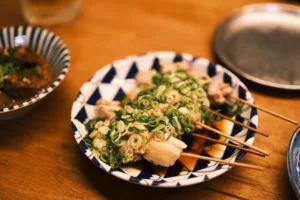
Nishiki Market – Try yakitori ($4), tamagoyaki skewers ($3). Avoid the $25 “Kobe beef” sticks — overpriced tourist bait.
Food You Should Actually Book
Gion Kappa – Kaiseki dinner ~$60. Exceptional value.
Men-ya Inoichi – Michelin Bib ramen ~$9.
Taxi vs bus example:
| Route | Bus | Taxi |
|---|---|---|
| Kyoto Station → Kiyomizu | $2, 20–30 min | $12, 15 min |
Buses get packed in summer. If you’re 2–3 people, split a taxi.
If you’re flying a drone for temple shots — don’t. Japan has strict regulations and fines can exceed $500. Read our full guide on drone travel rules in Japan for 2026 before packing one.
Days 11–12: Osaka (2 Nights)
Kyoto to Osaka: 15 minutes by JR Special Rapid, $4.
Stay in Namba for food and nightlife.
Where to Stay
Hotel Royal Classic Osaka – ~$180/night, directly above Namba Station.
Budget: Hotel Forza Namba – ~$110/night.
What to Do
Dotonbori at night – chaotic, neon, fantastic.
Osaka Castle – $4 entry. Good views, but interior is modern museum. If short on time, skip inside and walk the grounds.
Day trip to Nara – 45 min, $6 each way. Deer + Todai-ji Temple ($4).
What to Eat
- Mizuno – Okonomiyaki ~$12.
- Kushikatsu Daruma – skewers $1–3 each.
- Takoyaki street stands – $4–6 per portion.
Osaka is 15–20% cheaper than Kyoto for food and hotels. It’s a smart base if Kyoto prices spike.
Days 13–14: Hiroshima (2 Nights)
Osaka → Hiroshima by Shinkansen: 1h30, ~$70.
Peace Memorial Park & Museum
Museum entry: $1.50. Allow 2–3 hours. Go early (opens 8:30 am). It’s powerful and unmissable.
Miyajima Island
Train + ferry from Hiroshima: ~$10 round-trip, 1 hour total.
Itsukushima Shrine: $2 entry.
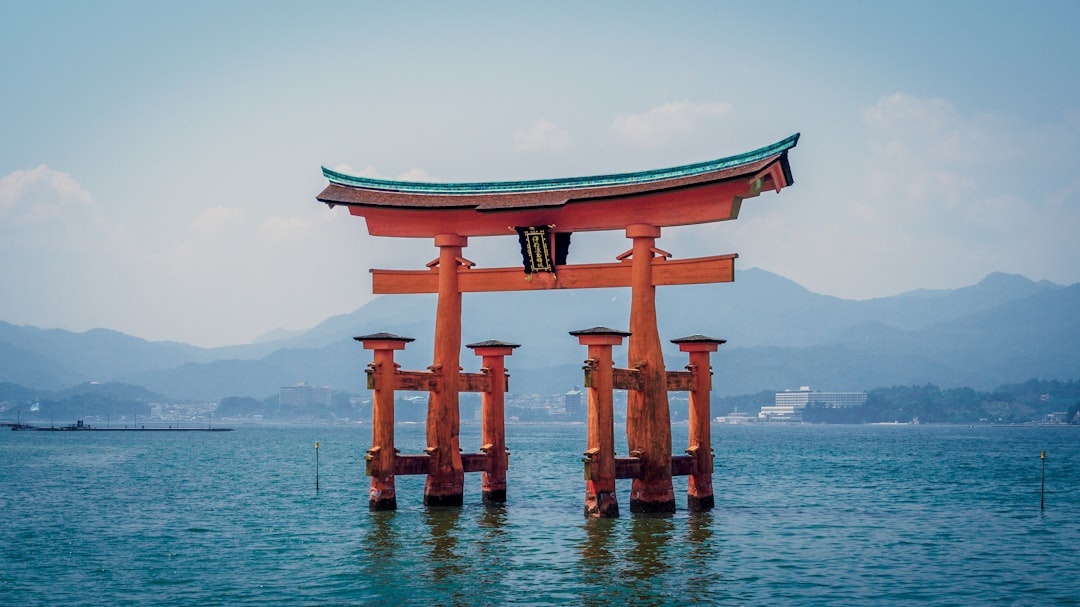
High tide = floating torii gate effect. Check tide charts before you go.
Where to Stay
Hotel Intergate Hiroshima – ~$120/night.
Budget: WeBase Hiroshima – dorms $30.
Complete 14-Day Budget Breakdown (Per Person, Mid-Range, Summer 2026)
| Category | Estimated Cost (USD) |
|---|---|
| Accommodation (13 nights avg $160) | $2,080 (shared room: ~$1,040 pp) |
| Long-distance trains | $260 |
| Local transport | $120 |
| Food ($35/day avg) | $490 |
| Attractions & experiences | $150 |
| Total (shared room) | ~$2,800–$3,600 |
JR Pass? In 2026, a 14-day JR Pass costs around $560. Your individual long-distance tickets here total ~$260–300. Skip the pass — buy separate tickets.
Essential Tech & Booking Tips for 2026
- eSIM: Airalo or Ubigi 10GB plan ~$18 for 30 days.
- IC Card: Add Suica to your phone before arrival.
- Cash: Still useful — withdraw at 7-Eleven ATMs (no foreign card issues).
- Restaurant bookings: Use TableCheck for popular Kyoto spots.
- Luggage forwarding: Yamato Transport ~$18 per bag Tokyo → Kyoto (next day delivery).
Forward your suitcase and travel light between cities. It’s worth every dollar.
When to Visit in 2026 (Summer Reality Check)
July–August = 85–95°F (29–35°C) with humidity.
Pros: festivals, fireworks, long evenings. Cons: sweat.
Hydrate constantly. Convenience stores sell Pocari Sweat for ~$1.50 — you’ll live on it.
Final Thoughts
This 14-day Japan itinerary balances culture, food, history, and modern energy without exhausting you. You’ll move efficiently, spend smartly, and avoid the common JR Pass and hotel location mistakes.
If you’re planning for summer 2026, start booking Kyoto and Tokyo hotels at least two months ahead. And if you want more Japan tech tips and travel breakdowns, explore more guides on Distratech.
If you want to book ahead for this 14-day Japan plan, check Japan hotels—compare prices and lock in your stay early for summer demand.
Frequently Asked Questions
How much does 2 weeks in Japan cost in 2026?
For a mid-range trip sharing hotel rooms, expect $2,800–$3,600 per person excluding flights. Budget travelers can do it for ~$1,800, while upscale trips easily exceed $5,000.
Is the JR Pass worth it for this itinerary?
No. A 14-day JR Pass costs around $560 in 2026, but individual long-distance tickets on this route total roughly $260–300. Buying separate tickets is significantly cheaper.
How many days do you need in Tokyo and Kyoto?
At least 4 days in Tokyo and 3–4 days in Kyoto. Fewer than that and you’ll rush major sights like Fushimi Inari or Shibuya.
Is Japan too hot in July or August?
It’s hot (85–95°F / 29–35°C) and humid, but manageable with early starts and indoor breaks. Festivals like Gion Matsuri make summer culturally rewarding despite the heat.

About the Author: Tomáš Bzirský
Founder and editor of Distratech. Based in the Czech Republic, travelling regularly from Central Europe. Writes practical travel guides and travel-tech comparisons (eSIM, apps, airports) in six languages.