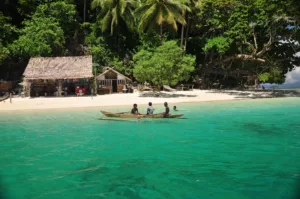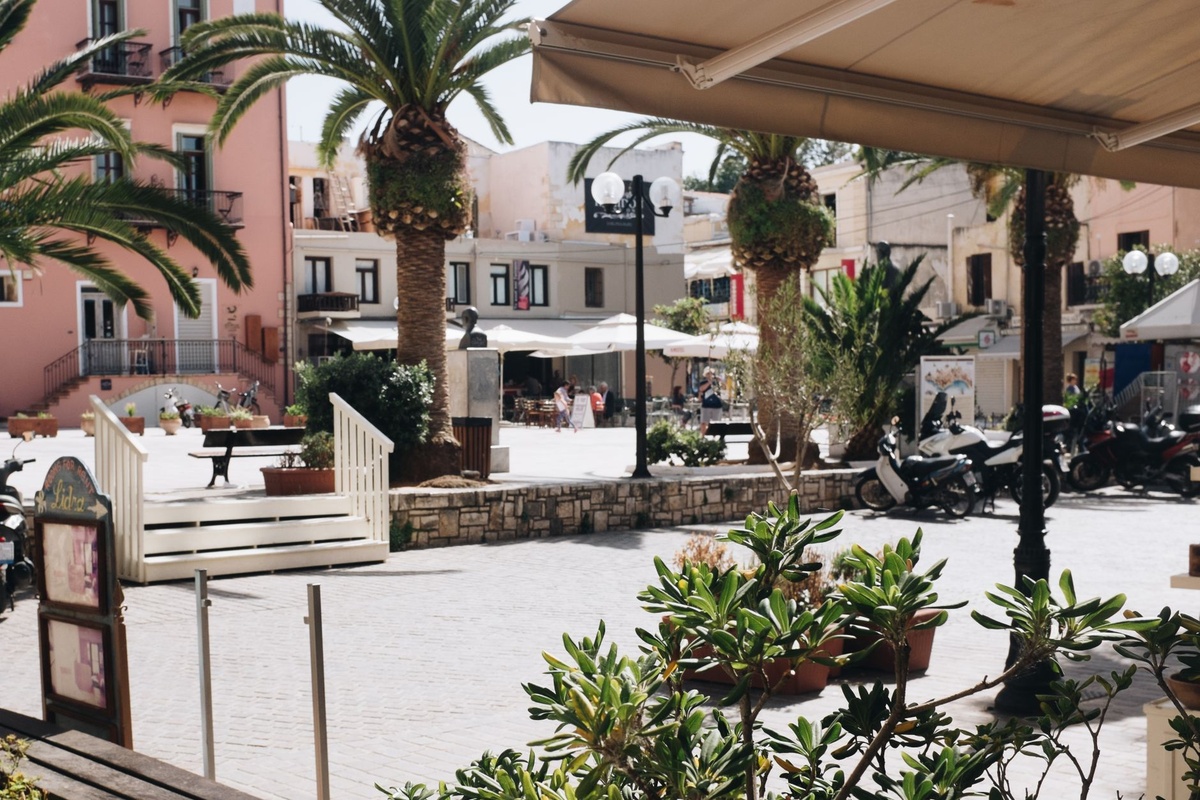
You don’t need a car to fall hard for Crete. In fact, basing yourself in Chania for two weeks — and letting buses, boats, and your own two feet do the work — is one of the most relaxing ways to experience the island in peak summer.
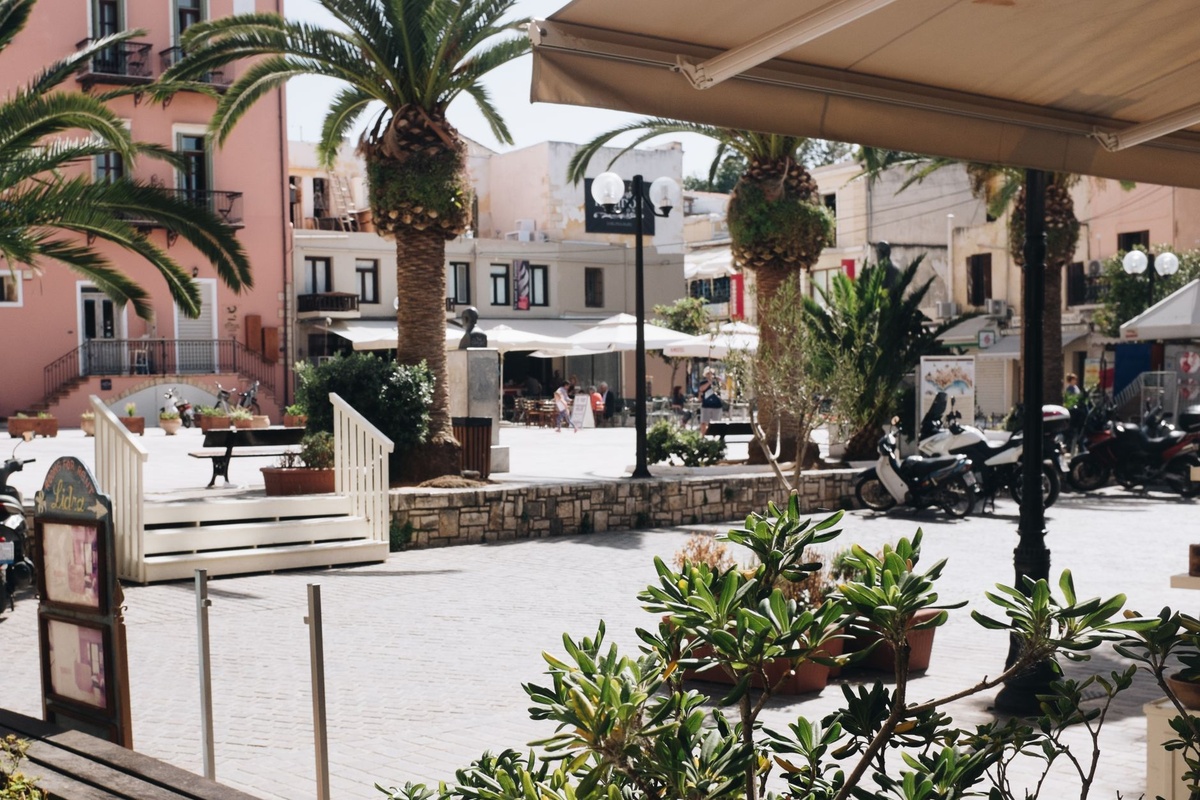
July in Crete means 30–34°C (86–93°F) afternoons, warm sea temperatures around 24–26°C (75–79°F), and long golden evenings that stretch past 9 pm. Parking near popular beaches like Balos is chaotic right now, and rental cars are running €55–€80/day. Staying put in Chania and moving slowly? Smarter, cheaper, and infinitely more pleasant.
Key Takeaways
- Public buses from Chania to top beaches cost €2.50–€15 each way vs €35–€70/day for car rental.
- Stay in or near Chania Old Town for walkability; expect €120–€220/night in July for boutique hotels.
- Top car-free day trips: Elafonissi (€15 bus, 2.5 hrs), Balos (€40 boat), Samaria Gorge (€20–€35 total).
- Two weeks in Chania without a car averages €1,400–€2,200 per person (excluding flights).
Why Chania Works as a Car-Free Base
Chania is the most walkable city in Crete. The Venetian harbor, Old Town alleys, Nea Chora beach, and dozens of taverns are all within a 15–25 minute walk.
The KTEL Chania bus station (ktelchanias.gr) is a 10-minute walk from Old Town. From there, you can reach nearly every major west Crete highlight without touching a steering wheel.
Car vs No Car: The Real Numbers (July 2026)
| Expense | With Rental Car | No Car (Bus/Boat) |
|---|---|---|
| Car rental (14 days) | €770 (€55/day avg) | €0 |
| Fuel (approx.) | €120 | €0 |
| Beach parking (Balos, Falassarna, etc.) | €5–€10/day | €0 |
| Buses & boats total | — | €120–€180 |
| Total (2 weeks) | ~€900+ | ~€150 |
Unless you’re planning remote mountain villages daily, the math strongly favors slow travel.
Where to Stay in Chania (Walkable + Worth It)
In July, book at least 2–3 months ahead. Good places sell out fast.
1. Domes Zeen Chania (Upscale, Beachfront)
About 20 minutes’ walk west of Old Town, near Nea Chora. Expect €350–€500/night in peak season.
Private beach vibe without leaving town. Skip if you want to be in the middle of harbor action.
2. Casa Delfino (Boutique in Old Town)
Converted 17th-century mansion. Around €180–€260/night in July.
Perfect location — step outside into quiet alleys, but 3 minutes from the harbor.
3. Elia Zampeliou Hotel (Mid-Range Harbor Views)
€130–€190/night with breakfast.
Small rooms, big views. Book sea-facing only; skip the interior rooms.
Budget travelers: Kumba Hostel offers private rooms from €90 and dorms from €28.
The Best Beaches You Can Reach Without a Car
Nea Chora (Walkable)
15 minutes from Old Town. Calm water, sandy bottom.
Sunbed + umbrella: €15/day. Free if you bring your towel.
Skip the first row near the main road — walk 5 minutes west for quieter sections.
Agii Apostoli (Bus €2.50, 15 min)
Small coves with turquoise water and pine trees.
Bus runs every 20–30 minutes. Taxi: €12, 10 minutes.
Better swimming than Nea Chora. Less crowded before 10 am.
Elafonissi (Bus €15, 2.5 hrs)
Pink-tinged sand and shallow lagoons. Water feels like a giant natural pool.
Buses leave around 8:00 am; return at 4:00 pm. Book via ktelchanias.gr.
Car: 1.5 hours but rough final stretch. In July, parking chaos starts by 10:30 am. Bus wins.
Balos Lagoon (Boat €40–€45)
Ferry from Kissamos port (bus to Kissamos €6.60, 1 hour).
Boat trip: 6–7 hours including Gramvousa island stop.
Driving involves 8 km of dirt road. Rental car companies hate that. Let the boat captain deal with it.
Falassarna (Bus €10, 1.5 hrs)
Best sunset beach in west Crete.
Waves can be stronger — better for confident swimmers.
Food Strategy: Where to Eat (And What to Skip)
Chania is packed with tourist traps along the harbor. Walk two streets inland for better food at half the price.
Must-Visit Taverns
- Tamama (Old Town) – Cretan dakos €8, lamb with yogurt €16. Book ahead in July.
- To Stachi – Vegetarian Cretan cuisine. Stuffed zucchini flowers €9. Closed Sundays.
- Chrisostomos – Wood-fired lamb €18. 15-minute walk from harbor; worth it.
- Pallas (harbor) – More modern; seafood mains €22–€30. Go at sunset.
Skip menus with photos and aggressive hosts. If someone tries to physically guide you inside, keep walking.
Average Meal Costs (Per Person)
| Meal Type | Average Cost |
|---|---|
| Gyro wrap + drink | €7–€9 |
| Taverna dinner + wine | €20–€30 |
| Fine dining | €45–€70 |
Tip: Many taverns bring free dessert and raki. It’s normal — not a hidden charge.
Car-Free Day Trips from Chania
Samaria Gorge (May–October)
Entry: €5. Bus + return boat combo: €20–€35 depending on package.
Total time: 10–12 hours.
You hike 16 km downhill. Start early — July heat inside the gorge can hit 35°C (95°F).
Compared to driving yourself, organized bus transfers remove the logistical headache of ending in a different village.
Rethymno (Bus €8.30, 1 hr 15 min)
Venetian fortress, fewer crowds than Chania.
Bus runs hourly.
Taxi: €90 one-way. Not worth it.
Boat to Loutro (via Sfakia)
Bus to Chora Sfakion: €15, 1.5 hrs. Boat to Loutro: €6, 20 min.
No roads reach Loutro. Swim, eat, repeat.
A Relaxed 2-Week Slow Travel Outline
This isn’t a checklist sprint. It’s rhythm-based travel.
- Days 1–3: Explore Old Town, Nea Chora, sunset dinners.
- Day 4: Agii Apostoli beach.
- Day 5: Elafonissi.
- Day 6: Rest + long lunch.
- Day 7: Balos boat trip.
- Days 8–9: Samaria Gorge recovery.
- Day 10: Rethymno.
- Day 11: Falassarna sunset.
- Day 12: Loutro.
- Days 13–14: Repeat your favorite beach.
Notice the built-in slow days. In 33°C heat, you’ll want them.
Budget Breakdown: 2 Weeks in Chania (Per Person)
| Category | Mid-Range Estimate |
|---|---|
| Hotel (14 nights @ €180, shared) | €1,260 total / €630 pp |
| Food (€30/day) | €420 |
| Buses & tours | €160 |
| Extras (sunbeds, museums) | €100 |
| Total (2 weeks) | ~€1,310 per person |
Luxury version? Easily €3,000+. Budget hostel version? Around €900.
Tech & Practical Tips for 2026
- Use the KTEL Chania website for bus schedules; screenshots help when signal drops.
- Google Maps works well offline — download West Crete area before arrival.
- If you’re privacy-conscious, read our guide on how to opt out of Google AI data collection before your summer trip.
- Bring a reusable water bottle — tap water in Chania is safe.
- ATMs charge €2–€3 per withdrawal; use bank ATMs, not standalone Euronet.
Drone users: Greek regulations are strict near beaches and archaeological sites. Check local rules before flying — fines in Europe can exceed €500. (We break down global drone fines in our 2026 guide.)
When Is This Strategy Best?
July–August: Best for swimming, worst for parking. Car-free shines here.
May–June: Slightly cooler (24–28°C). Easier hikes.
September: Ideal. Warm sea, fewer crowds, slightly lower hotel rates (10–20% drop).
Winter (November–March)? Many beach buses stop running. Different trip entirely.
The Verdict: Is 2 Weeks in One Place Too Long?
Not in Crete.
Slow travel changes your relationship with a place. By week two, your barista remembers your order, you know which alley has shade at 3 pm, and sunset feels personal.
Skip the island-hopping frenzy. Let Chania unfold gradually — beach by beach, plate by plate.
If you’ve done Crete this way — or you’re planning to — share your favorite tavern or beach. Slow travel works best when we trade notes.
Looking for somewhere to stay in Chania while you slow-travel the island? Browse hotels in Chania and book early for summer dates.
Frequently Asked Questions
Can you explore Crete without renting a car?
Yes — especially west Crete from Chania. Buses cost €2.50–€15 per trip and reach Elafonissi, Falassarna, Rethymno, and Sfakia; boats cover Balos and Loutro.
How much does 2 weeks in Chania cost?
Mid-range travelers spend around €1,300–€1,800 per person (excluding flights), including hotels, food, and day trips.
Is Balos better by car or boat?
In summer, boat is easier. Driving involves an 8 km dirt road and crowded parking, while the €40–€45 boat trip includes Gramvousa island and avoids stress.
When is the best time for slow travel in Crete?
September is ideal — sea temperatures remain warm (around 24°C) but crowds and hotel prices drop 10–20% compared to July.

About the Author: Tomáš Bzirský
Founder and editor of Distratech. Based in the Czech Republic, travelling regularly from Central Europe. Writes practical travel guides and travel-tech comparisons (eSIM, apps, airports) in six languages.