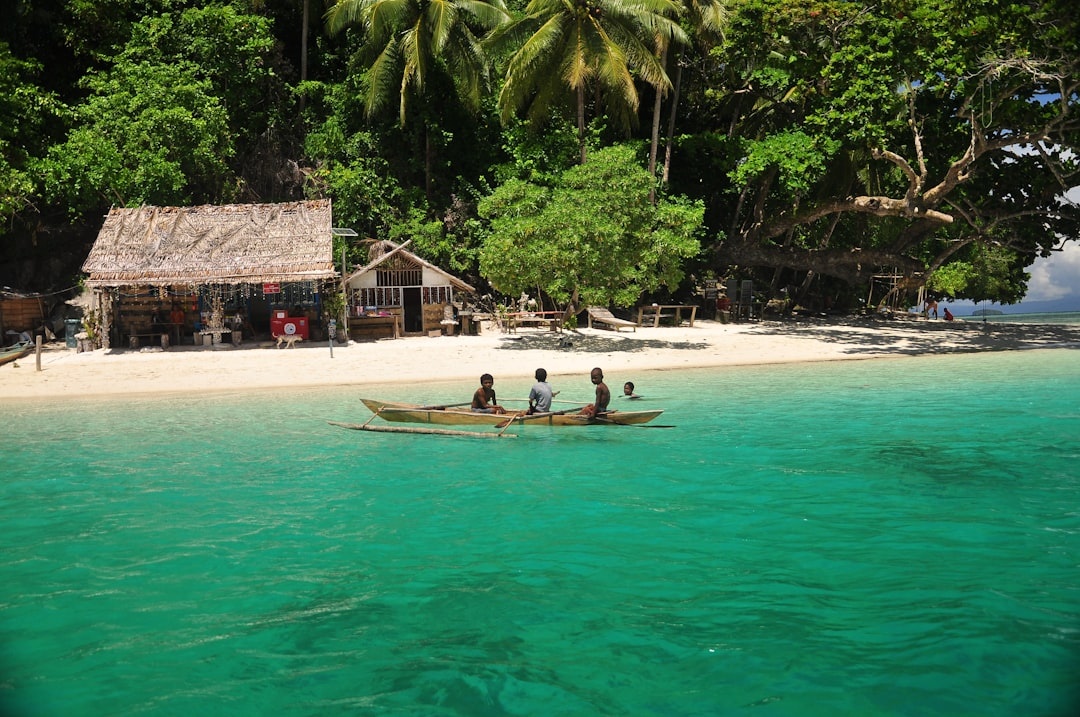
Raja Ampat isn’t just another tropical escape — it’s widely considered the most biodiverse marine ecosystem on Earth. More than 1,500 fish species, manta rays the size of small cars, and coral gardens that make even the Maldives look tame.
But getting there isn’t simple, and it’s definitely not cheap. If you’re starting in Jakarta and planning a 5-day dive trip, here’s exactly what it costs, how long it takes door-to-door, and when to go in 2026.
Key Takeaways
- Best time: October–April for calmer seas and 20–30m visibility; June–August can mean rough crossings.
- Travel time: 8–12 hours from Jakarta to Waisai (via Sorong), flights from $220 one-way (€205).
- Mandatory fee: Marine park tag IDR 700,000 (~$45 / €42), valid 12 months.
- Realistic 5-day budget: $1,200–$1,800 (€1,100–€1,650) homestay style; $2,500–$4,500 for resorts or liveaboards.
- Plan buffers: Arrive in Sorong early to avoid missing the twice-daily public ferry.
When to Go: Timing Matters More Than You Think
Unlike Bali, Raja Ampat’s prime diving season runs October through April. Seas are typically calmer, visibility often hits 20–30 meters (65–100 ft), and manta cleaning stations are active around Arborek and Mansuar.
June–August — peak European summer holidays — actually brings stronger winds and choppier crossings between islands. Diving is still possible, but 2-hour boat transfers can feel like a washing machine. If you’re prone to seasickness, avoid these months or pack medication.
If you’re planning for July 2026, expect higher domestic airfare (10–25% more than shoulder season) and busier dive boats. October and November are the sweet spots: fewer crowds, better conditions, and roundtrip Jakarta–Sorong fares closer to $400 (€375) if booked 6–8 weeks out on Traveloka, Skyscanner, or directly with Garuda Indonesia.
Water temperature stays around 28–30°C (82–86°F) year-round. A 3mm wetsuit is ideal — not for warmth, but for sun protection and the occasional jellyfish sting.
Quick Comparison: Raja Ampat vs Maldives (Summer 2026)
| Raja Ampat | Maldives | |
|---|---|---|
| Best Season | Oct–Apr | Dec–Apr |
| 5-Day Dive Cost | $1,200–$4,500 | $2,500–$5,000 |
| Biodiversity | Highest globally | Excellent, less varied |
If you’re purely chasing marine life density, Raja Ampat wins. The trade-off is logistics: the Maldives is smoother to reach, but significantly pricier for comparable dive days.
How to Get to Raja Ampat from Jakarta (Step-by-Step)
There’s no direct international access. You’ll fly into Jakarta (CGK), then connect east to Sorong (SOQ) in Southwest Papua — the gateway to Raja Ampat.
Step 1: Jakarta → Sorong
Flight time: 4 hours nonstop (approx. 2,700 km / 1,680 miles).
Airlines: Garuda Indonesia, Batik Air, Lion Air.
Cost (2026 averages):
- Economy one-way: $220–$350 (€205–€325)
- Roundtrip: $400–$650 (€375–€610)
Garuda is worth the extra $40–$60 for better baggage handling and a more generous 20kg checked allowance — important if you’re traveling with BCD, regulator, and camera gear. Lion Air is cheaper but stricter on excess baggage (fees can hit $8–$12 per extra kilo).
Pro tip: Choose a departure before 7am from Jakarta if you want to comfortably catch the 2pm public ferry in Sorong.
Step 2: Sorong Airport → Sorong Harbor
Distance: 5 km (3 miles).
Travel time: 10–15 minutes.
Taxi: $7–$10 (€6–€9).
GoJek/Grab: $4–$6 (€3.50–€5.50), availability varies.
There’s no practical public transport. Arrange a hotel pickup if staying overnight in Sorong (Swiss-Belhotel and Aston Sorong are reliable mid-range options at $45–$80 per night).
Step 3: Ferry to Waisai (Raja Ampat)
Public ferry: IDR 150,000 ($10 / €9).
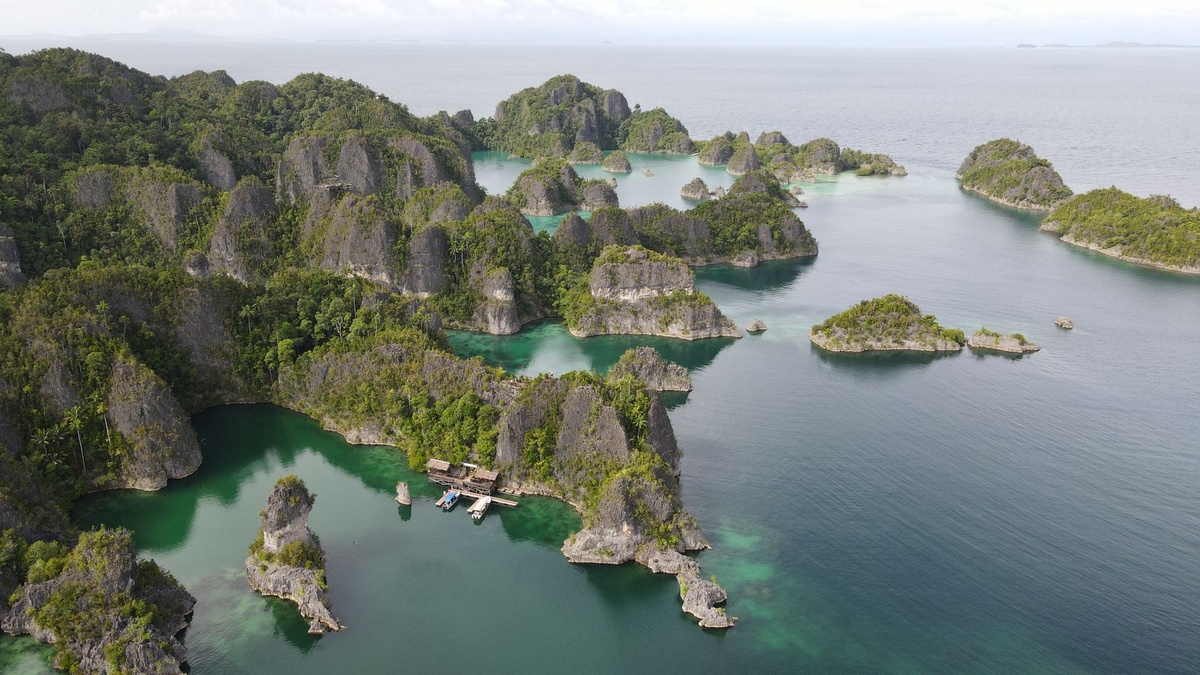
Travel time: 2 hours covering roughly 70 km (43 miles).
Typical departures (mid-2026): 9:00am and 2:00pm daily — confirm locally as schedules change.
Miss the ferry and you’ll need a private speedboat charter for $150–$250 (€140–€230), depending on fuel prices and group size.
Total travel time Jakarta → Waisai: 8–12 hours including layovers and transfers.
Permits, SIM Cards, and Essential Logistics
Before diving, you must purchase a Raja Ampat Marine Park Entry Tag, which funds conservation and patrols.
- Foreigners: IDR 700,000 (~$45 / €42)
- Indonesians: IDR 425,000
- Validity: 12 months
Buy it at the harbor office in Waisai (cash preferred, card sometimes accepted). Keep the physical tag with you; operators may check it.
Connectivity: Telkomsel has the strongest signal. A 25GB tourist SIM costs about IDR 150,000 ($10 / €9). Speeds are 4G near Waisai but drop to 3G on remote islands. Don’t expect reliable video calls.
Cash: Bring enough Indonesian rupiah from Sorong. ATMs in Waisai occasionally run out, especially before holidays.
What 5 Days of Diving Really Costs (2026 Breakdown)
Assume 5 nights and 10 boat dives (2 per day). Nitrox, gear rental, and park fees may be extra depending on operator.
Option 1: Budget Homestay + Local Dive Shop
| Item | Cost (USD) |
|---|---|
| Homestay (full board, 5 nights) | $350–$500 |
| Dive package (10 dives) | $700–$900 |
| Marine park fee | $45 |
| Ferry + transfers | $30 |
| Total | $1,200–$1,800 |
Expect simple wooden bungalows, bucket showers, limited electricity (often 6pm–6am), and rice + fish meals. The upside? You’re diving the same reefs as guests paying triple.
Beginner-friendly operators with strong safety records include Soul Scuba Divers (Arborek) and Papua Diving (Kri Island).
Option 2: Mid-Range Eco-Resort
Examples: Raja Ampat Dive Lodge, Meridian Adventure Marina Club (near Sorong).
- 5-night dive package: $2,200–$2,800 (€2,050–€2,600)
- Includes: accommodation, full board, 2–3 dives/day, tanks, weights
- Gear rental: $15–$25 per dive if needed
Rooms typically have AC, private bathrooms, and 24-hour electricity. Ideal if you want comfort after long dive days.
Option 3: Liveaboard (5 Days)
Prices start at $2,500 (€2,330) and climb to $4,500+ (€4,200) depending on cabin type and route.
Liveaboards reach remote regions like Wayag and Misool, covering greater distances (often 150–300 km over several days). You’ll log 3–4 dives daily, sometimes including night dives.
For beginners with limited current experience, a land-based stay is often more relaxed and logistically simpler.
Where Beginners Should Actually Dive
Raja Ampat has advanced drift dives with ripping currents — incredible, but not ideal for your first checkout dive.
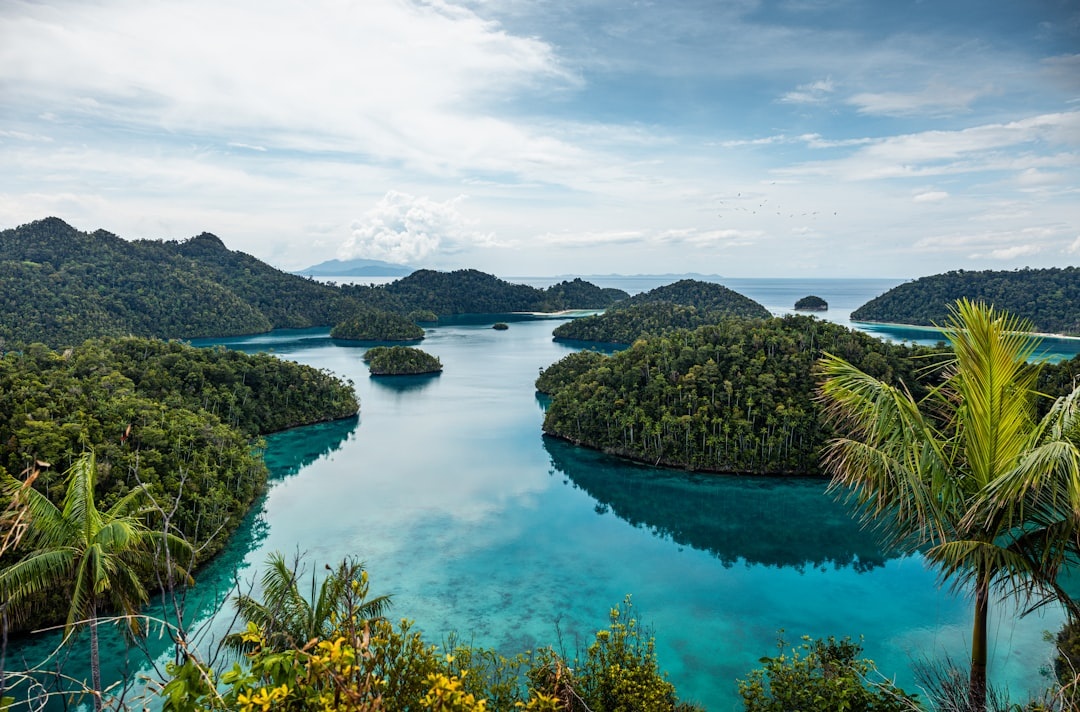
Start with:
- Manta Sandy – sandy bottom around 18m depth, consistent manta sightings.
- Saweni Besar – calm reef slopes, frequent turtle encounters.
- Friwen Wall – gentle drift, soft corals and macro life.
More advanced divers can attempt Blue Magic or Cape Kri later in the week with proper briefing and reef hooks.
Food and Daily Life: What to Expect
Homestays serve simple Indonesian meals: grilled fish, tempeh, greens, rice, and sambal. Vegetarian options are available with notice.
Near Waisai, Warung Raja Ampat serves nasi goreng for ~IDR 45,000 ($3) and fresh juices for $2. Expect basic seating, not beach-club vibes.
Alcohol is limited and expensive due to transport costs. A small Bintang beer runs $4–$6 (€3.50–€5.50).
Bring:
- Power bank (10,000–20,000 mAh)
- Multi-plug adapter (Indonesia uses Type C/F)
- Dry bag for boat rides
Is Raja Ampat Worth It for First-Time Visitors?
Yes — if diving is your primary goal.
No — if you expect seamless luxury, spas, and nightlife. This isn’t Bali or Phuket.
Compared to easier hubs like Phuket (direct international flights, $80–$120 dive days), Raja Ampat demands more planning and a higher budget. But marine biodiversity here is unmatched — roughly 75% of known coral species are found in this region.
If your budget allows $1,500–$3,000 (€1,400–€2,800) and you’re comfortable with basic infrastructure, it’s one of the most rewarding dive destinations on Earth.
Pro Tips to Avoid Rookie Mistakes
- Arrive in Sorong one night early if landing after noon.
- Bring sufficient cash in IDR from Sorong.
- Book flights 6–8 weeks early for best fares.
- Carry dive insurance (World Nomads or DiveAssure).
- Add buffer days before international departures.
Final Thoughts: Plan It Right, and It’s Unforgettable
Raja Ampat isn’t cheap, easy, or polished. But that’s part of the magic.
You’re trading convenience for one of the richest underwater ecosystems on the planet. Plan carefully, budget realistically (minimum $1,200 for 5 dive days excluding international flights), and aim for October through April.
Do it right, and it won’t just be another dive trip — it’ll reset your expectations of what the ocean can look like.
Looking for places to stay in Raja Ampat? Browse hotels in Raja Ampat and book early for the best dive-package deals.
Frequently Asked Questions
How much does a 5-day Raja Ampat diving trip cost?
Budget $1,200–$1,800 for a homestay-based trip with 10 dives, or $2,500–$4,500 for resorts and liveaboards. Flights from Jakarta add $400–$650 roundtrip.
When is the best time to visit Raja Ampat?
October to April offers calmer seas and 20–30m visibility. June–August can bring windier conditions and rougher boat crossings.
How do you get to Raja Ampat from Jakarta?
Fly 4 hours from Jakarta to Sorong ($220–$350 one-way), take a 15-minute taxi to the harbor ($7–$10), then a 2-hour ferry to Waisai ($10).
Is Raja Ampat suitable for beginner divers?
Yes. Sites like Manta Sandy and Friwen Wall are manageable for Open Water divers, provided you dive with experienced guides and follow briefings.
Do I need travel insurance for Raja Ampat?
Yes. Choose a policy that includes scuba diving coverage and emergency evacuation, as the nearest recompression chamber is in Sorong.

About the Author: Tomáš Bzirský
Founder and editor of Distratech. Based in the Czech Republic, travelling regularly from Central Europe. Writes practical travel guides and travel-tech comparisons (eSIM, apps, airports) in six languages.