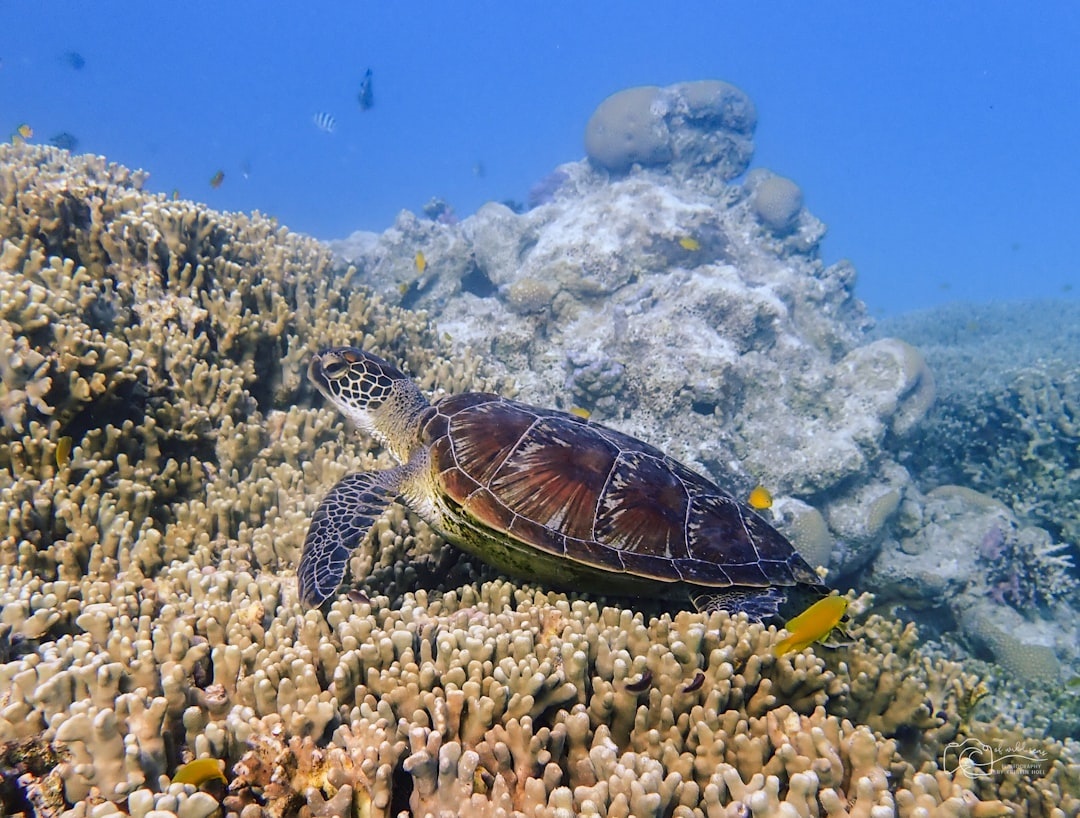
You’ve booked the flight to Tropical North Queensland. Now comes the real question: Should you dive the Great Barrier Reef from Cairns or Port Douglas?
For first-time scuba divers in 2026—especially during peak summer (June–August for international travelers, December–January for Aussies)—the choice affects everything: reef quality, boat time, price, crowd levels, and even how nervous you’ll feel before that first giant stride into the Coral Sea.
Key Takeaways
- Cairns: More budget-friendly (intro dives from $165 USD) and more operators, but busier boats.
- Port Douglas: Closer to outer reefs (60–90 min vs 90–120 min) and generally smaller groups, but tours start around $210 USD.
- July–September 2026 offers the best visibility (15–25m) and calmer seas for beginners.
- Both towns access the same Great Barrier Reef Marine Park—reef quality depends on operator, not just departure point.
Cairns vs Port Douglas at a Glance
Both towns sit in Tropical North Queensland, about 67 km (41 miles) apart along the Captain Cook Highway. The drive takes 1 hour 10 minutes without stops—longer if you pull over for those ridiculous ocean views.
| Cairns | Port Douglas | |
|---|---|---|
| Distance from Airport | 10 min (5 km) | 1 hr drive (67 km) |
| Typical Intro Dive Price (2026) | $165–$190 USD | $210–$240 USD |
| Boat Time to Outer Reef | 90–120 min | 60–90 min |
| Boat Size | Up to 80 passengers | 40–60 passengers typical |
| Vibe | Lively, backpacker-friendly | Upscale, relaxed resort town |
If you’re flying in and diving the next morning, Cairns wins for convenience. If you want shorter boat rides and a quieter base, Port Douglas feels more polished.
Reef Access: Does One Have Better Diving?
Here’s the honest answer: both towns access excellent sections of the Outer Reef. The Great Barrier Reef is 2,300 km long—what matters more is which operator and which specific reef site you visit.
Cairns: Flynn, Milln, Saxon Reefs
Cairns operators like Divers Den and Passions of Paradise typically head to Flynn, Milln, or Saxon Reef.
Expect coral gardens, reef sharks, giant clams, and—during winter 2026—excellent visibility averaging 18–25 meters. Travel time: usually 1.5–2 hours each way.
Port Douglas: Agincourt Reef
Port Douglas boats (like Quicksilver and Wavelength) head to Agincourt Reef on the very edge of the continental shelf.
This location often means clearer water and dramatic drop-offs. Boat rides are shorter—sometimes just 60–75 minutes—which matters if you’re prone to seasickness.
Verdict on reef quality: Slight edge to Port Douglas for consistency and clarity, especially for nervous beginners who benefit from calmer entries and less chop.
Cost Breakdown for First-Time Divers (2026)
If you’ve never dived before, you’ll book an “Introductory Dive” (also called Discover Scuba). No certification required.
Cairns Pricing
- Intro dive add-on: $165–$190 USD
- Marine park levy: usually included
- Underwater photos: $65–$85 USD
- Hotel transfers: often free in city center
Total realistic day cost: $230–$260 USD including photos.
Port Douglas Pricing
- Intro dive: $210–$240 USD
- Snorkel-only trip: $165–$190 USD
- Photos: $70–$90 USD
- Hotel transfers: usually included within town
Total realistic day cost: $280–$320 USD.
You’re paying roughly $50–$70 more in Port Douglas for smaller groups and shorter boat time. For some beginners, that’s worth every dollar.
Group Size & First-Timer Comfort
This is where the difference becomes real.
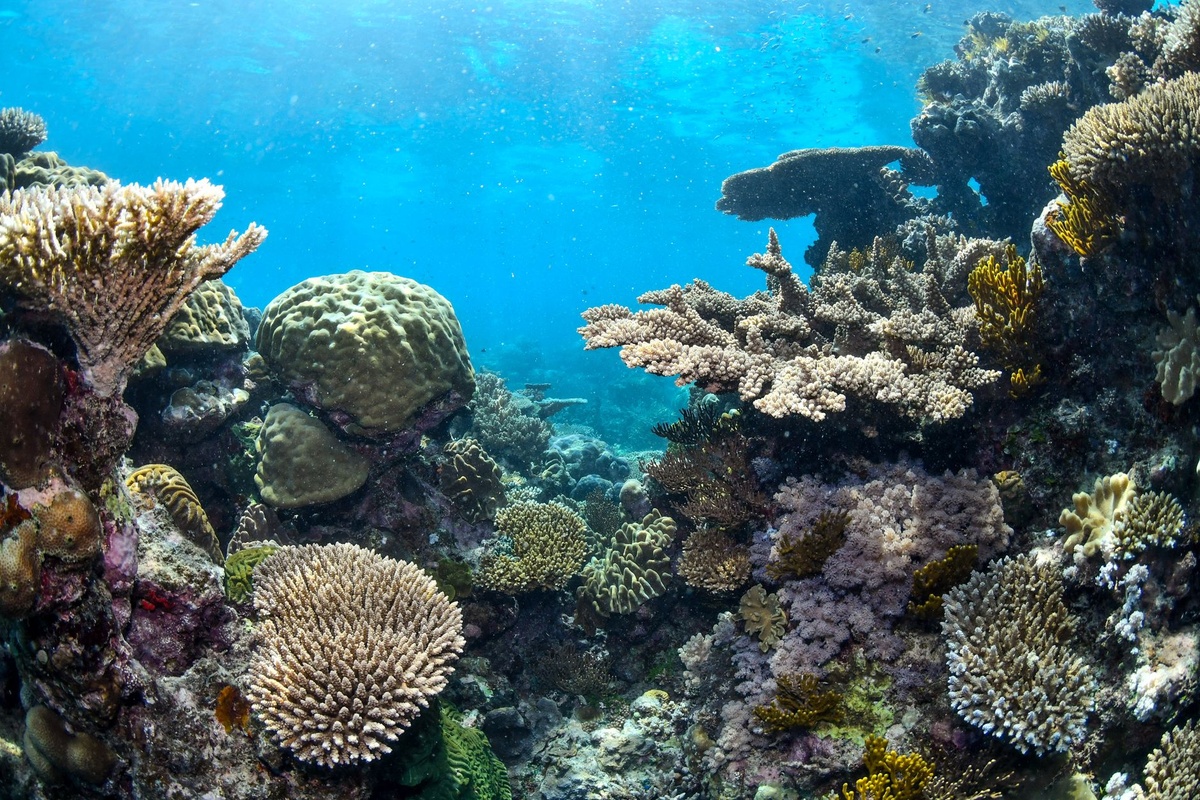
Cairns boats can carry 60–80 passengers in peak July season. Dive instructors usually keep intro divers at a 1:4 ratio, but the boat itself feels busy.
Port Douglas operators often cap boats at 40–60 passengers, and companies like Wavelength focus heavily on snorkelers and first-timers. The vibe is calmer and less “production line.”
If anxiety is your main concern, Port Douglas is more relaxed. If budget is your concern, Cairns delivers solid value.
Where You’ll Stay (And Why It Matters)
Cairns: Practical and Affordable
Crystalbrook Riley: From $220 USD/night in July 2026. Modern, lagoon-style pool, walking distance to the Reef Fleet Terminal.
Gilligan’s Hostel: Dorms from $32 USD. Party atmosphere. Skip it if you want sleep before your dive.
Everything is within a 15-minute walk. Airport to city Uber: $18–$22 USD, 10 minutes.
Port Douglas: Boutique & Beachy
Peppers Beach Club: From $260 USD/night. Central, great pool.
By The Sea Apartments: From $185 USD/night with kitchenettes—ideal if you’re staying 3+ nights.
Airport transfer from Cairns: $45 USD shuttle (1 hr 15 min) vs private transfer around $160 USD.
If you’re only in the region for 2 nights, Cairns saves time and money. For 4+ nights, Port Douglas feels like a vacation town rather than a launch pad.
Summer 2026 Conditions: What Beginners Should Know
July 2026 is peak dry season. Expect:
- Air temps: 75–82°F (24–28°C)
- Water temps: 72–75°F (22–24°C)
- Stinger risk: Low (marine stinger season typically Nov–May)
- Visibility: 15–25m typical
December–February (Australian summer) is hotter and more humid, with higher stinger risk and occasional rain. For first dives, July–September is simply easier.
Sea conditions also tend to be calmer in winter mornings—another small edge for anxious beginners.
Tech & Booking Tips for 2026
Most operators now require digital medical questionnaires 24 hours before diving. Complete them early to avoid morning delays.
Bring a phone with strong battery life and good low-light performance for boat shots. If you’re upgrading before your Australia trip, check our breakdown of the best phones travelers can’t buy in the US in 2026—several have superior water resistance and camera sensors ideal for reef trips.
Pro tips:
- Book directly on operator websites—often $10–$15 cheaper than third-party marketplaces.
- Choose “outer reef” not “inner reef” trips.
- Take seasickness tablets 30–60 minutes before departure if unsure.
- Check wind forecasts via Windy.app the night before.
So… Cairns or Port Douglas?
Choose Cairns if:
- You’re on a tighter budget.
- You’re short on time.
- You want lots of operator options and daily departures.
Choose Port Douglas if:
- You’re nervous about your first dive.
- You prefer smaller groups.
- You’re staying 3–5 nights and want a relaxed base.
My opinion after diving from both in peak season: first-time divers who are even slightly anxious will enjoy Port Douglas more. The shorter ride and calmer pace make a difference underwater.
Confident travelers who just want the reef at a fair price? Cairns delivers excellent value.
Final Thoughts
The Great Barrier Reef is one of those bucket-list experiences that actually lives up to the hype—giant clams glowing electric blue, reef sharks cruising past, coral stretching farther than you can see.
Pick the departure point that matches your comfort level and budget, book an outer reef trip, and go early in your Australia itinerary in case weather shifts your date.
If you’re heading to Tropical North Queensland in summer 2026, lock in your dive 1–2 weeks ahead—peak season boats do sell out.
Have questions about planning your first dive? Drop them in the comments on distratech.com—we answer every one.
If you’re choosing Cairns, browse and compare stays with Cairns hotel deals before you lock in your diving schedule.
Frequently Asked Questions
How much does it cost to dive the Great Barrier Reef for beginners in 2026?
Expect $230–$260 USD from Cairns and $280–$320 USD from Port Douglas for a full-day trip with one introductory dive and photos. Certified divers pay slightly less, around $180–$220 USD.
Is Cairns or Port Douglas better for first-time scuba divers?
Port Douglas is generally better for nervous beginners due to shorter boat rides (60–90 minutes) and smaller groups. Cairns is better for budget travelers and last-minute bookings.
When is the best time to dive the Great Barrier Reef?
July to September offers cooler temperatures, low humidity, and visibility up to 25 meters. Stinger risk is also minimal compared to the November–May wet season.
Do I need to be certified to dive the Great Barrier Reef?
No. Introductory (Discover Scuba) dives require no certification and include a safety briefing and instructor supervision, usually at a 1:4 ratio.

About the Author: Tomáš Bzirský
Founder and editor of Distratech. Based in the Czech Republic, travelling regularly from Central Europe. Writes practical travel guides and travel-tech comparisons (eSIM, apps, airports) in six languages.