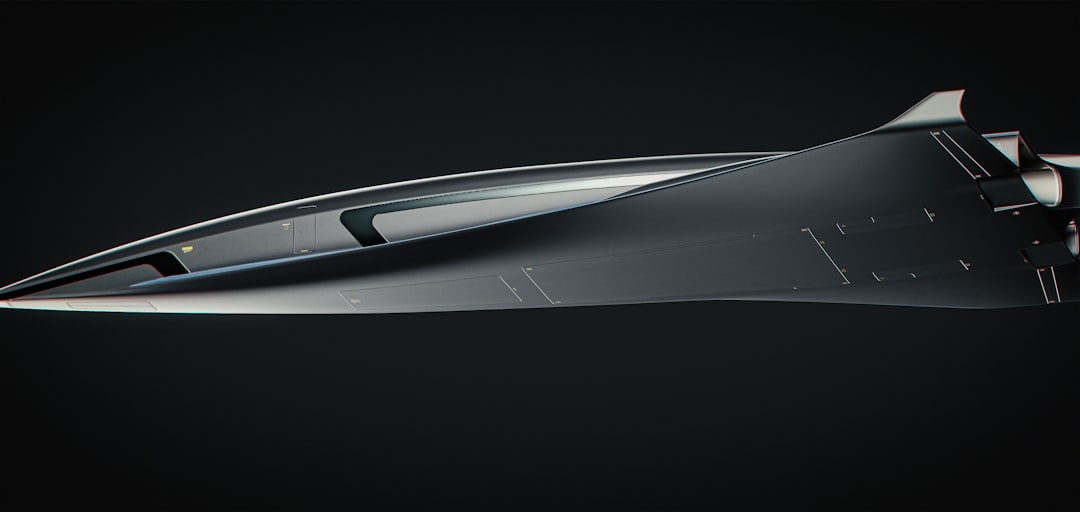
A New York to Los Angeles flight in 2.5 to 3 hours. Miami to Seattle before lunch. That’s the promise behind a new FAA proposal that would allow supersonic passenger jets to fly over US cities — as long as they don’t create the classic window-rattling sonic boom.
For decades, supersonic flight over land has been banned in the US. Now regulators are signaling they’re open to “quiet supersonic” technology that keeps noise within strict decibel limits. If this rule moves forward, it could reshape how Americans (and visitors) plan long-distance trips.
Key Takeaways
- The FAA is proposing to allow supersonic flights over US land if aircraft meet strict noise limits.
- Next-gen jets aim to cruise at Mach 1.7 (≈1,300 mph), cutting coast-to-coast trips to ~3 hours.
- Expected ticket prices: $2,500–$5,000 one-way at launch, targeting business and premium travelers.
- Commercial service is unlikely before 2029–2032, even if the rule is finalized.
What the FAA Is Proposing (In Plain English)
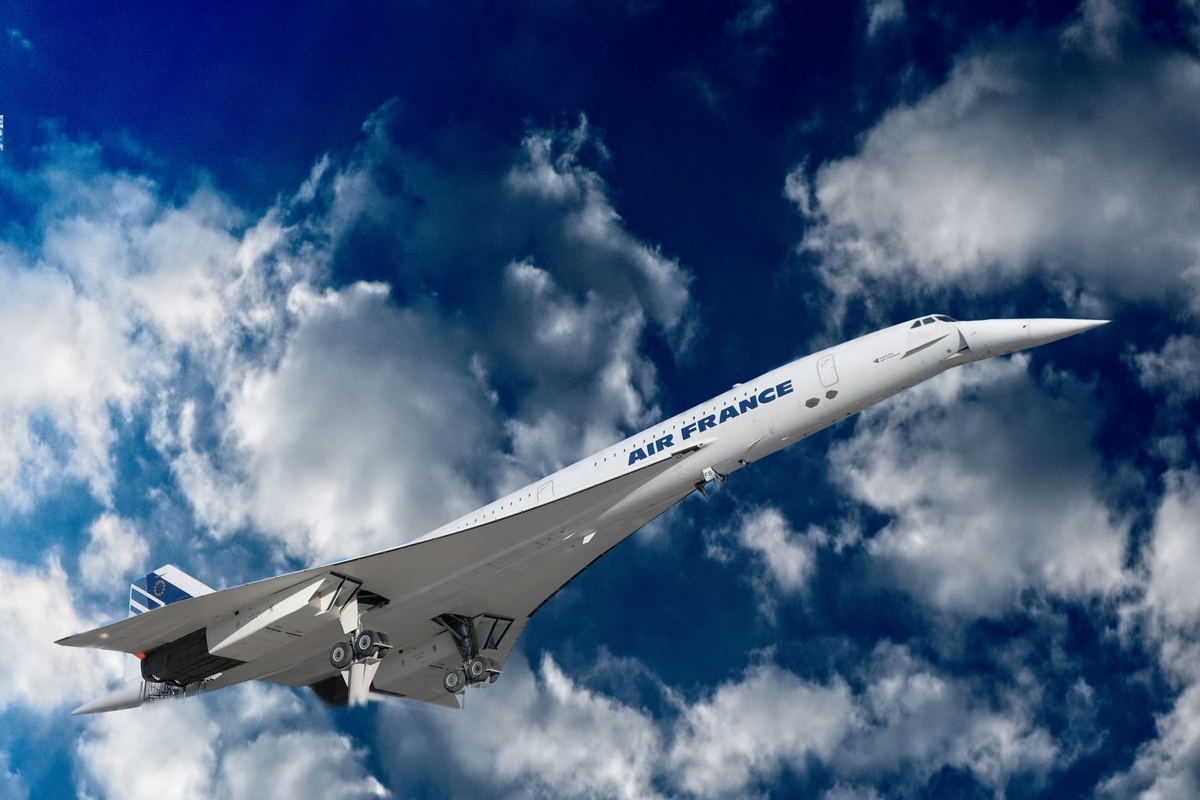
Right now, civilian aircraft in the US cannot exceed Mach 1 (about 767 mph at sea level) over land because of the disruptive “boom” caused when breaking the sound barrier. Concorde avoided this by flying supersonic only over oceans.
The FAA’s new proposal would shift the rule from a speed limit to a noise limit. If a supersonic aircraft can demonstrate that its sound profile stays below defined thresholds on the ground — meaning no disruptive boom — it could legally fly over cities.
Why this matters when you’re traveling: It opens the door to fast coast-to-coast routes inside the US, not just transatlantic or transpacific luxury corridors.
How Fast Are We Actually Talking?
Several aerospace startups are developing aircraft targeting cruise speeds around Mach 1.6 to Mach 1.8 (roughly 1,200–1,380 mph). For comparison:
- Boeing 737 cruise speed: ~515 mph
- Airbus A350 cruise speed: ~560 mph
- Proposed supersonic jet: ~1,300 mph
That cuts a typical 6-hour New York–Los Angeles flight to about 2.5–3 hours gate-to-gate (flight time ~2 hours 20 minutes).
Why this matters when you’re traveling: In peak summer — when national parks, Florida beaches, and West Coast cities are packed — shaving 3 hours off a flight can mean arriving before dark, avoiding an extra hotel night, or fitting in an evening activity.
What About Noise? Will Cities Actually Be Quiet?
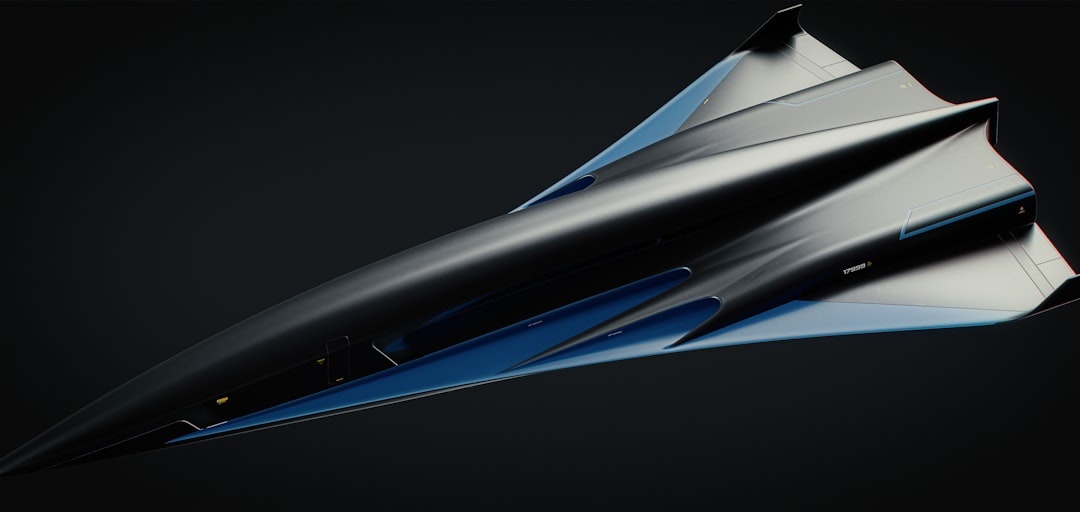
The entire proposal hinges on “low-boom” or “boomless cruise” technology. Instead of a single explosive shockwave, designers reshape the aircraft nose and fuselage to spread pressure changes into softer pulses — sometimes described as a distant thump rather than a blast.
Engine placement above the wings and advanced inlets also help shield noise from reaching the ground. Ground-level targets being discussed are dramatically lower than Concorde’s boom, which could exceed 100 perceived decibels (PLdB).
Why this matters when you’re traveling: If the tech works, you could land in Chicago or Denver without neighborhoods protesting every departure. If it doesn’t, routes will remain limited to ocean crossings.
Ticket Prices: Who Can Afford This?
Let’s be realistic. Early supersonic seats won’t be cheap.
Industry estimates suggest:
- $2,500–$5,000 one-way for domestic US routes
- $5,000–$8,000 one-way for transatlantic flights
- 30–80 passengers per aircraft (far fewer than a 180-seat narrowbody)
That’s business-class pricing — or higher. Economy-level supersonic fares are unlikely in the first decade.
Why this matters when you’re traveling: For most leisure travelers heading to places like Santorini or planning a first safari in Africa, traditional widebody flights will remain the practical option. If you’re splurging on something like our guide to avoiding cruise crowds in Santorini, your flight cost will still likely be conventional economy or business class.
Traveler verdict: Don’t budget for supersonic summer 2027. Think 2029+ — and premium pricing.
Timeline: When Could You Actually Book One?
Even if the FAA finalizes the rule in 2026 or 2027, airlines still need:
- Type certification of new aircraft
- Noise validation testing
- Fleet production
- Airport compatibility approvals
Realistically, first passenger service over US land would land somewhere between 2029 and 2032.
Why this matters when you’re traveling: If you’re planning long-term remote work in the US, this could change how you think about cross-country mobility. But for this summer’s Yellowstone or Yosemite trip? No impact yet.
Will This Help Digital Nomads and Remote Workers?
Potentially — but selectively.
Imagine working remotely in New York and taking a 3-hour hop to San Francisco for a 2-day client meeting. Supersonic makes short, high-value trips more viable without sacrificing an entire travel day.
However, cabin layouts are expected to be premium-heavy. Think:
- Lie-flat seating only
- High-speed satellite Wi-Fi (targeting 50–100 Mbps per aircraft)
- Fewer seats, more workspace per passenger
Why this matters when you’re traveling: If you bill $200/hour and save 3 hours per leg, the math may justify a $3,000 ticket. If you’re backpacking Europe, it won’t.
Environmental Concerns: Faster Isn’t Always Greener
Supersonic jets burn more fuel per passenger than subsonic aircraft, especially at higher speeds. Some companies promise sustainable aviation fuel (SAF) compatibility at 100%, but SAF currently costs 2–5x more than conventional jet fuel and remains limited in supply.
Why this matters when you’re traveling: If you prioritize lower-emissions travel — say you’re flying to Australia for a dive trip after reading our Cairns vs Port Douglas diving comparison — supersonic may not align with your carbon goals.
Traveler verdict: Expect faster, not greener — at least initially.
Airport Impact: Will You Need Special Terminals?
Most next-gen supersonic designs are sized to operate from existing major international airports. Runway requirements are expected to be similar to current narrowbody or small widebody jets.
However, noise certification could limit which airports approve operations first. Major hubs like JFK, LAX, DFW, and Miami are likely early candidates.
Why this matters when you’re traveling: Secondary airports (think Burbank, Long Beach, or smaller regional hubs) probably won’t see supersonic service at launch.
Who Benefits Most?
Based on pricing and capacity, likely early adopters include:
- Corporate travelers on tight schedules
- High-net-worth leisure travelers
- Time-sensitive government and medical transport
It’s less relevant for:
- Budget family summer trips
- Student travel
- Multi-stop backpacking routes
Why this matters when you’re traveling: If you’re planning a complex multi-country trip — like comparing Kenya vs Tanzania vs South Africa for a first safari — routing flexibility and baggage policies will matter more than shaving 3 hours off one segment.
The Bigger Shift: Regulation Catching Up With Tech
The most important part of this proposal isn’t speed — it’s regulatory flexibility. The FAA is moving from a blanket ban to a performance-based rule.
That signals something bigger: aviation policy is starting to adapt to new tech instead of blocking it outright.
Why this matters when you’re traveling: It could accelerate innovation in:
- Electric regional aircraft
- Hydrogen propulsion testing
- Advanced air mobility (urban air taxis)
- Quieter airport operations
Supersonic is the headline. Smarter aviation regulation is the long-term story.
Should Travelers Be Excited?
Yes — cautiously.
If you value time over price, this could fundamentally change domestic US travel by the early 2030s. Coast-to-coast in under 3 hours would make weekend trips dramatically easier.
But for summer 2026? The smartest travel tech upgrades are still practical ones: a reliable eSIM, a lightweight 1.2 kg laptop with 12-hour battery life, and noise-canceling headphones that actually last 30+ hours per charge.
Supersonic is aspirational. Smart travel gear is immediate.
Final Thoughts: A Luxury First, A Disruptor Later
The FAA’s proposal is the regulatory green light the industry has been waiting for. It doesn’t guarantee cheap supersonic tickets anytime soon — but it makes them legally possible.
For now, think of this as business-class innovation with economy-class ripple effects. If quieter, faster aircraft prove viable, the benefits could eventually trickle down.
And if by 2030 you can leave Los Angeles at 8am and land in New York before lunch without disturbing anyone on the ground? That’s not just faster travel. That’s a different way of planning trips entirely.
Frequently Asked Questions
When will supersonic flights over US cities actually start?
Even if the FAA finalizes the rule in 2026–2027, commercial service is unlikely before 2029–2032 due to certification and production timelines.
How much will supersonic tickets cost?
Early estimates suggest $2,500–$5,000 one-way for US domestic routes and up to $8,000 for transatlantic flights, targeting premium travelers.
Will supersonic flights be noisy over cities?
The proposal allows overland flights only if aircraft meet strict ground-level noise limits, significantly quieter than Concorde’s 100+ PLdB sonic boom.
How fast will these new supersonic jets fly?
Most designs target Mach 1.6–1.8 (around 1,200–1,380 mph), cutting coast-to-coast US trips to roughly 3 hours total travel time.

About the Author: Tomáš Bzirský
Founder and editor of Distratech. Based in the Czech Republic, travelling regularly from Central Europe. Writes practical travel guides and travel-tech comparisons (eSIM, apps, airports) in six languages.