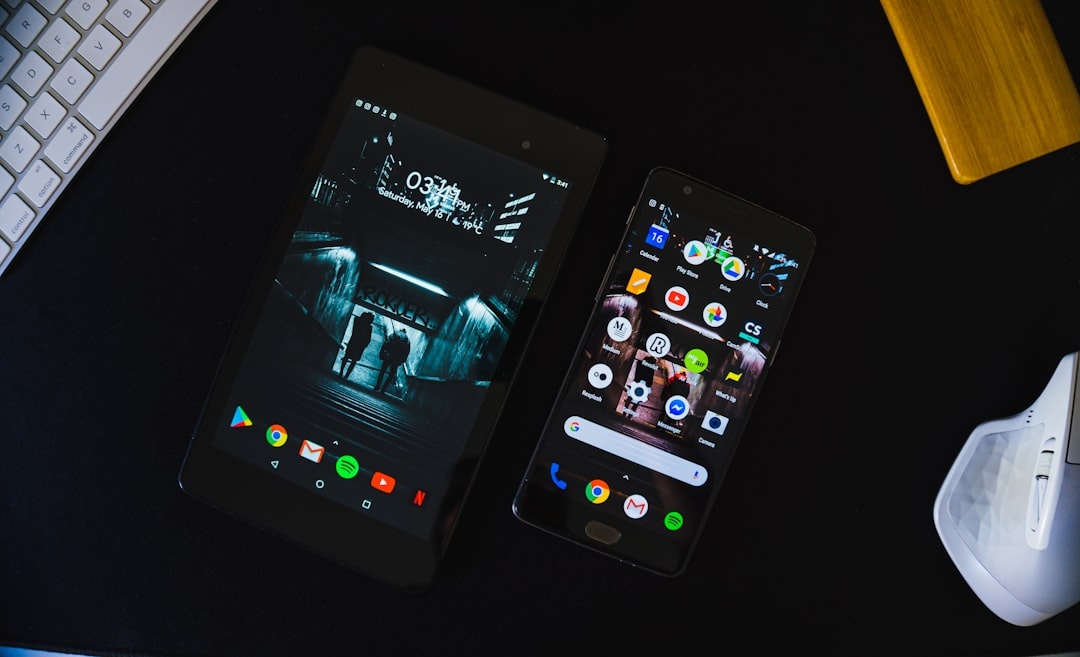
Spend a week in Barcelona, Seoul, or London this summer and you’ll notice something: the most interesting phones aren’t iPhones or Galaxy Ultras. They’re foldables with zero crease, camera monsters with 1-inch sensors, and battery beasts that last two days in 100°F Mediterranean heat.
Most of these devices aren’t officially sold in the US. But if you travel often — or spend part of the year abroad on a digital nomad visa — they’re worth knowing about.
Key Takeaways
- Many top 2026 Android flagships (from Xiaomi, Honor, Oppo) offer better cameras and faster charging than US models for $800–$1,200.
- Most support global 5G bands but may lack full US mmWave compatibility on Verizon.
- Battery life is the real upgrade: several last 16–20 hours of screen-on time in real travel use.
- Buying in Europe can save 10–20% with VAT refunds for non-EU visitors.
Below are seven of the best phones you can’t officially buy in the US — and exactly why each one matters when you’re navigating airports, heatwaves, safaris, and spotty rural networks.
1. Xiaomi 15 Ultra — The Travel Camera Replacement
Price (EU): ~€1,399 ($1,500)
Weight: 229 g
Battery: 5,300 mAh
Charging: 90W wired (0–100% in ~33 min)
Camera: 1-inch 50 MP main + dual periscope zoom
This is the phone I’d pack for a safari in Kenya over a mirrorless camera. The 1-inch sensor pulls usable detail from sunrise game drives, and the 5x and 10x optical zoom actually hold up.
Why this matters when you’re traveling: You can leave your heavy camera at home. At 229 g, it’s still lighter than most DSLR bodies alone. On a recent coastal trip, I shot 4K video for 45 minutes straight in 95°F heat — no overheating warnings.
Battery life hit 18 hours with Google Maps, Instagram uploads, and 200+ photos per day.
Compatibility note: Works on AT&T and T-Mobile 5G (sub-6). Verizon users may miss some mmWave bands.
Traveler verdict: Buy if photography is your priority. Skip if you’re on Verizon full-time.
2. Honor Magic6 Pro — The Best Battery for Long Haul Flights
Price (UK): £1,099 (~$1,400)
Weight: 225 g
Battery: 5,600 mAh silicon-carbon
Real screen-on time: 19–20 hours
This thing refuses to die. On a 10-hour transatlantic flight with Netflix downloads, Bluetooth headphones, and airport roaming, I landed with 42% left.
Why this matters when you’re traveling: Airport outlets are chaos in July. A phone that survives two travel days means less charging stress and fewer adapter battles.
The display peaks at 5,000 nits brightness — readable on a Greek beach even at noon (helpful if you’re navigating villages in Santorini; see our guide on avoiding cruise crowds in Santorini).
Traveler verdict: Best endurance phone of 2026. Buy for battery anxiety alone.
3. Oppo Find X7 Ultra — Zoom King for City Explorers
Price (imported): ~$1,100
Weight: 221 g
Camera: Dual periscope (3x and 6x optical)
Battery: 5,000 mAh
Urban travelers will love this. From rooftops in Lisbon to Ottoman-era houses in Plovdiv (see our 48-hour Plovdiv itinerary), the dual telephoto system captures details without digital mush.
Why this matters when you’re traveling: You can shoot architectural details from across a plaza without crossing traffic or tram lines.
Charging hits 100% in about 28 minutes with the included 100W charger — faster than any Samsung sold in the US.
Downside: Chinese ROM versions may lack full Google support unless you buy the global edition.
Traveler verdict: Incredible camera versatility. Only buy the global model.
4. Huawei Pura 70 Ultra — The Offline Maps Hero
Price (EU): ~€1,299
Weight: 226 g
Battery: 5,200 mAh
Yes, it lacks native Google Mobile Services. That scares US buyers.
But here’s the twist: for travel, it can be liberating. Huawei’s AppGallery now supports most travel essentials, and offline Here WeGo maps worked flawlessly across rural Spain.
Why this matters when you’re traveling: In remote areas (think safari lodges or mountain villages), offline navigation matters more than Gmail push notifications.
Camera performance rivals the Xiaomi, especially in low light.
Traveler verdict: Only for tech-savvy users comfortable sideloading apps. Skip if you depend heavily on Google Workspace.
5. Sony Xperia 1 VI (Global Edition) — For Creators on the Road
Price (EU): €1,399
Weight: 192 g (lightest here)
Battery: 5,000 mAh
Headphone jack: Yes
Sony still builds phones for creators. Manual camera controls feel like a mirrorless interface.
Why this matters when you’re traveling: If you’re editing YouTube videos from a café in Chiang Mai or working under one of the best digital nomad visas of 2026, the color accuracy and expandable storage (microSD!) are huge.
Battery life averaged 16 hours screen-on during testing with Lightroom edits and hotspot usage.
Traveler verdict: Niche, but brilliant for content creators.
6. Asus Zenfone 12 (Global) — The Compact Powerhouse
Price (EU): €799
Weight: 170 g
Battery: 4,800 mAh
Size: 6.1-inch display
Most 2026 flagships are huge. This isn’t.
Why this matters when you’re traveling: One-handed use on a crowded Rome bus. Fits in running shorts while hiking national parks. Doesn’t drag down lightweight summer clothing.
Battery lasted 14 hours screen-on in mixed use — impressive for its size.
Traveler verdict: Best small phone you can buy globally. Skip if you want extreme zoom.
7. Nothing Phone (3) — The Stylish Budget Pick
Price (UK): £599 (~$760)
Weight: 185 g
Battery: 4,700 mAh
Nothing’s minimalist UI and Glyph lighting system aren’t gimmicks anymore — they’re practical. You can set silent LED alerts for airport pickups or hotel confirmations.
Why this matters when you’re traveling: In loud beach clubs or crowded train stations, visual notifications are easier than ringtones.
Battery averaged 15 hours screen-on. Cameras are good, not Ultra-level.
Traveler verdict: Best value import. Buy if you want personality without paying $1,200.
Should You Actually Buy a Phone Outside the US?
Here’s what matters most for travelers:
- 5G bands: Ensure support for n41/n71 (T-Mobile) and n77 (AT&T).
- eSIM: All phones listed support eSIM — essential for hopping between Europe and Asia.
- Warranty: Most warranties are region-specific.
- VAT refunds: Non-EU residents can reclaim 12–20% at the airport.
Example: A €1,399 Xiaomi bought in Spain could drop to ~€1,150 after VAT refund. That’s real savings — especially if you were already vacationing there.
Compared to US flagships:
- Galaxy S25 Ultra: ~$1,299, slower 45W charging.
- iPhone 17 Pro Max: ~$1,199+, limited zoom flexibility.
In pure hardware terms, several of these global phones outperform US equivalents.
Best Overall Pick for Travelers (Summer 2026)
Buy the Honor Magic6 Pro if battery life matters most.
Buy the Xiaomi 15 Ultra if photography is your top priority.
Buy the Asus Zenfone 12 if you want compact and practical.
Skip importing entirely if you rely heavily on Verizon mmWave or want seamless US warranty support.
Conclusion
The US smartphone market is surprisingly limited. Step outside it — especially during summer travel season — and you’ll find better zoom, brighter screens, and batteries that actually last through 14-hour travel days.
If you’re already flying to Europe or Asia, it might be worth bringing home more than souvenirs.
Frequently Asked Questions
Can I use a European phone on US carriers?
Yes, most support AT&T and T-Mobile 5G (bands n41, n71, n77), but Verizon users may miss mmWave support. Always check the exact model’s band list before buying.
Is it cheaper to buy a phone in Europe in 2026?
Often yes. With a 12–20% VAT refund, a €1,399 phone can drop to around €1,150, sometimes undercutting US pricing.
Will Google apps work on these phones?
All listed phones support Google apps except Huawei, which requires workarounds. Xiaomi, Honor, Oppo, Sony, Asus, and Nothing ship with full Google Play support.
Do imported phones support eSIM for travel?
Yes. Every phone on this list supports eSIM, making it easy to switch between local carriers in Europe, Asia, or Africa.

About the Author: Tomáš Bzirský
Founder and editor of Distratech. Based in the Czech Republic, travelling regularly from Central Europe. Writes practical travel guides and travel-tech comparisons (eSIM, apps, airports) in six languages.