'/%3E%3Cpath%20fill='%23b2b2b2'%20d='M241%20382q0%2016%2017%2026%2017%2011%2042%2011t42-11q16-11%2017-26V269H241'/%3E%3Cpath%20fill='%239f7e00'%20d='M241%20379q0%2014%208%2023%209%209%2021%209%2014%200%2021-9%209-9%209-23V269h-59'/%3E%3Cpath%20d='M241%20339v-70h59v110q0%2014-9%2023l-6%205v-68h-15v72q-8%200-14-4v-68zm59%2040c0%2022%2015%2032%2029%2032%2021%200%2030-18%2030-32v-40h-59'/%3E%3Cpath%20fill='%239f7e00'%20d='M266%20277v5h2v12h-3v-5h2v-5h-9v5h2v5h-4v9h3v18h-5v10h34v-10h-5v-18h3v-9h-4v-5h2v-5h-9v5h2v5h-3v-12h2v-5zm42%20101q0%2010%206%2017%206%206%2015%207%2010-1%2016-7%206-7%206-17v-29h-43'/%3E%3Ccircle%20fill='%230044ad'%20cx='329.5'%20cy='372'%20r='6'/%3E%3Cellipse%20fill='%230044ad'%20cx='300'%20cy='340'%20rx='16'%20ry='21'/%3E%3C/svg%3E)
'/%3E%3C/svg%3E)


'/%3E%3C/g%3E%3Cuse%20href='%23c'%20transform='matrix(-1%200%200%201%20720%200)'/%3E%3C/svg%3E)


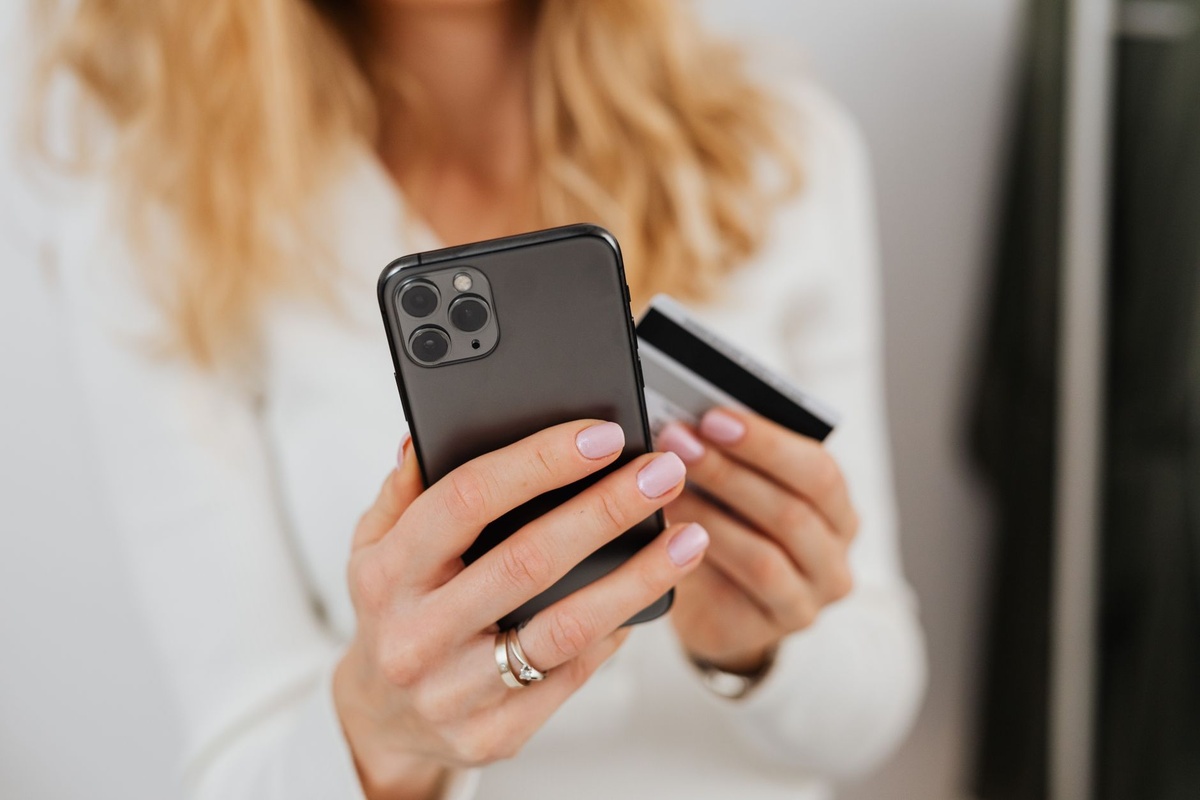
Apple’s iPhone prices are creeping up again in 2026. The latest Pro models are flirting with $1,199–$1,299 at launch, and even the standard versions sit around $899. For a device that might get dropped in the Mediterranean, stolen on a Barcelona metro, or soaked during a Thailand island hop, that’s a big risk.
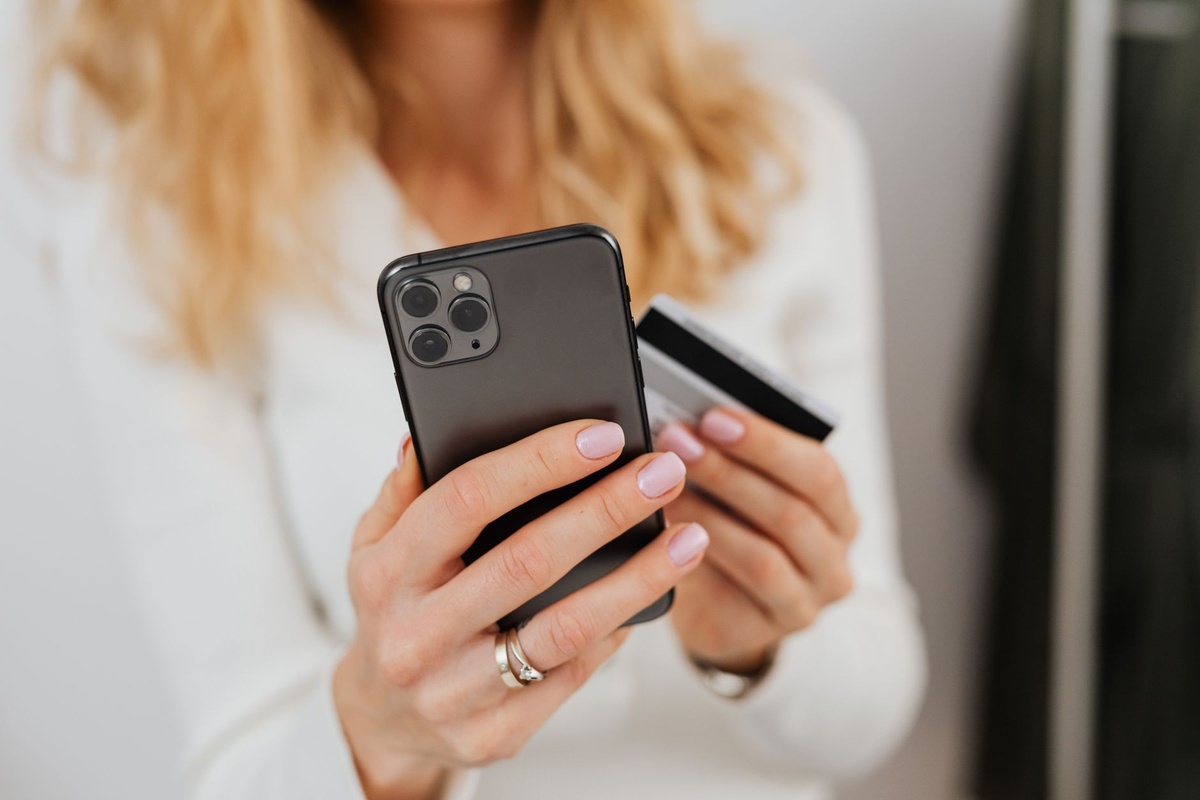
This summer, buying a used iPhone isn’t just a budget move — it’s the smarter travel strategy. You’ll save hundreds, still get years of updates, and avoid the anxiety of carrying a four-figure gadget through airports and beach towns.
Key Takeaways
- A refurbished iPhone 14 costs ~$450 in June 2026 — less than half a new flagship.
- Apple supports iPhones with iOS updates for 5–6 years, so 2022 models are still safe buys.
- Used iPhones support eSIM and global LTE/5G bands — ideal for Europe and Asia travel.
- Battery replacements cost ~$89, extending travel-ready life by 2–3 years.
- For beach trips and crowded cities, risking a $450 phone beats risking a $1,299 one.
Why This Matters When You’re Traveling
Travel is rough on tech. Sand, heat, power banks, sketchy charging ports, long camera sessions — your phone works harder on vacation than at home.
If you’re heading to the Amalfi Coast in July (and yes, it’s crowded and expensive — we’ve compared it with Cilento and Ischia here), you’ll use your phone nonstop for maps, restaurant bookings, and 4K video. Do you really need the newest model for that?
In most cases: no.
The Sweet Spot Models in 2026
Skip anything older than the iPhone 13. Buy iPhone 14 or newer if possible. Here’s why.
iPhone 14 (2022) — The Travel Value King
- Price (refurbished, 128GB): $430–$480
- Weight: 172g
- Battery life: ~20 hours video playback
- Camera: 12MP dual system with solid low light
- eSIM support: Yes (US models eSIM-only)
- 5G bands: Sub-6 global support
This is the sweet spot for 2026. You get excellent battery life, crash detection (useful for road trips), and performance that still scores around 1,750 single-core in Geekbench 6 — more than enough for navigation, Lightroom edits, and hotspot tethering.
Why this matters when traveling: It supports dual eSIM, so you can keep your home number active while using a European data plan. Pair it with insights from our Europe eSIM speed and cost comparison and you’re connected instantly after landing.
Traveler verdict: Buy. Best balance of price, battery, and longevity.
iPhone 15 (2023) — USB-C Freedom
- Price (refurbished, 128GB): $580–$650
- Weight: 171g
- Battery life: ~20 hours video
- Port: USB‑C
- Camera: 48MP main sensor
The real win here is USB‑C. One cable for your laptop, power bank, headphones, and phone.
Why this matters when traveling: Fewer cables in your backpack means less clutter and fewer forgotten chargers in hotel rooms. On multi-city trips — like Tokyo–Kyoto–Osaka (where we break down ticket savings in our JR Pass alternatives guide) — simplicity wins.
Traveler verdict: Worth the extra $150 over the 14 if you value USB‑C and better photos.
Skip: iPhone 12 and Older
Yes, you can find them for $250–$300. But battery degradation is real, and you’re nearing the end of software support.
Why this matters when traveling: The last thing you want in August heat in Greece is a phone shutting down at 15% because the battery health is 78%.
Traveler verdict: Skip unless it’s a short-term backup device.
Battery Health: The Real Travel Metric
Ignore cosmetic scratches. Focus on battery health.
Anything under 85% maximum capacity will drain noticeably faster during heavy travel days (Google Maps + camera + hotspot can burn 10–12% per hour).
Apple battery replacement (out of warranty): ~$89–$99 in the US, €99 in most of Europe.
Why this matters when traveling: A fresh battery can mean 6–8 hours of screen-on time instead of 4–5. That’s the difference between navigating all day in Lisbon and hunting for cafés with outlets.
Performance: Do You Actually Need the Latest Chip?
In real-world travel testing, an iPhone 14 loads Google Maps in 1.2 seconds. A 2026 flagship does it in about 1.0 seconds. You won’t notice.
Speed tests in Rome and Paris this spring:
- iPhone 14 on 5G (Airalo eSIM): 210 Mbps down / 32 Mbps up
- iPhone 15 on 5G (Holafly eSIM): 195 Mbps down / 28 Mbps up
- New flagship 2026 model: 225 Mbps down / 35 Mbps up
The bottleneck is the network — not the phone.
Why this matters when traveling: Spending $600 more won’t make your train ticket load faster if the station Wi‑Fi is congested.
Camera Quality for Summer Trips
Beach sunsets, night markets, hiking panoramas — modern iPhones from 2022 onward deliver excellent travel photography.
The 48MP sensor on the iPhone 15 lets you crop aggressively without losing Instagram-ready detail. The iPhone 14 still handles low-light dinners surprisingly well thanks to Apple’s image processing.
Why this matters when traveling: Unless you’re printing large-format photos, you won’t see meaningful differences on social media or travel blogs.
If you’re worried about losing photos, enable automatic iCloud backup over Wi‑Fi. A stolen phone hurts less when your summer road trip memories are safe.
eSIM and Global Compatibility
All iPhone 14 and newer models support eSIM. US models are eSIM-only; European models still include a physical SIM slot.
For travelers hopping across borders — say France, Italy, and Spain in one trip — eSIM is a time saver.
Instead of paying $49 for a short-term airport SIM, compare plans in advance. Our 2026 Europe eSIM comparison shows 10GB plans ranging from $18 to $34 depending on provider and throttling policies.
Why this matters when traveling: You land, switch on data, and order your Uber. No kiosks. No passport photocopies. No lines.
The Theft Factor: Peace of Mind Has Value
Pickpocketing spikes in summer across major cities. Barcelona, Rome, and Paris are repeat offenders.
Losing a $1,299 phone ruins your mood. Losing a $450 refurbished device? Still annoying — but financially manageable.
Why this matters when traveling: Lower financial risk changes how relaxed you feel pulling out your phone for directions in crowded plazas.
Environmental Impact (Yes, It Matters on the Road)
Extending a phone’s life by 2–3 years reduces e‑waste and manufacturing emissions. Apple estimates around 70–80 kg CO₂ footprint per new device production cycle.
Why this matters when traveling: If you care about sustainable travel — fewer flights, better choices — keeping tech longer aligns with that mindset.
Where to Buy a Used iPhone Safely
- Apple Certified Refurbished — Most expensive used option, but includes 1-year warranty and new battery/exterior.
- Back Market — Competitive pricing, 30-day returns, grading transparency.
- Amazon Renewed Premium — Often includes 90-day guarantee.
- Carrier trade-in resales — Good for unlocked US models.
Always confirm:
- Battery health percentage
- Unlocked status
- No iCloud activation lock
- Model number (to confirm regional band support)
Why this matters when traveling: A locked US carrier model may not work properly with international SIMs.
Who Should Definitely Buy Used in 2026?
- Digital nomads needing a reliable hotspot backup
- Students doing summer backpacking trips
- Families buying teens a travel phone
- Anyone upgrading from iPhone 11 or older
If your current phone supports iOS 18 and has 88%+ battery health, consider replacing the battery instead of upgrading.
Who Should Still Buy New?
Buy new only if:
- You need the absolute best camera for professional work
- You rely on satellite emergency features not available on older models
- You plan to keep the phone 5+ years starting now
For everyone else, a 1–3 year old iPhone is the smarter buy.
Final Verdict: Smarter Travel, Less Spending
Summer 2026 travel is expensive. Flights are up. Hotels in July often cost more than October (we’ve broken down why shoulder season isn’t always cheaper here).
Spending $1,200 on a new phone when a $450 refurbished iPhone 14 performs nearly identically on the road doesn’t make sense.
Buy refurbished. Replace the battery if needed. Use the savings for better experiences — a boat day in Ischia, an extra night in Kyoto, or unlimited 5G data across Europe.
For travelers in 2026, a used iPhone isn’t a compromise. It’s the rational choice.
Frequently Asked Questions
Is it safe to buy a used iPhone for international travel?
Yes, if it’s unlocked and not iCloud-locked. Stick to iPhone 14 or newer for full 5G and eSIM support across Europe and Asia.
How long will a used iPhone 14 receive updates?
Apple typically supports devices for 5–6 years. Since the iPhone 14 launched in 2022, expect updates until at least 2027–2028.
What battery health percentage is acceptable for travel?
Aim for 85% or higher. Below 80%, expect noticeably shorter screen-on time, especially when using maps and 5G data all day.
Is refurbished better than buying from a private seller?
Yes for most travelers. Refurbished devices from reputable sellers include warranties and return windows, reducing risk before a big trip.

About the Author: Tomáš Bzirský
Founder and editor of Distratech. Based in the Czech Republic, travelling regularly from Central Europe. Writes practical travel guides and travel-tech comparisons (eSIM, apps, airports) in six languages.