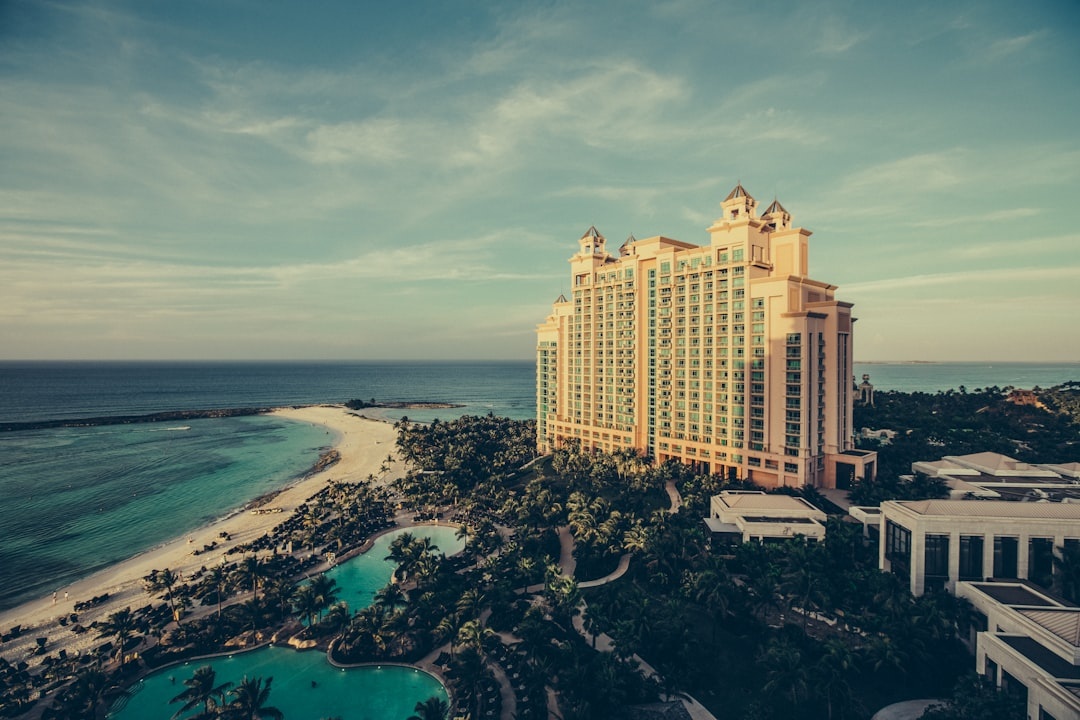
Hotels have been at war with Booking.com, Expedia, and Airbnb for over a decade. In 2024–2025 alone, major hotel groups collectively poured an estimated $100+ million into lobbying, lawsuits, loyalty upgrades, and “Book Direct” marketing campaigns designed to cut out Online Travel Agencies (OTAs).
The pitch was simple: book direct, save money. But here’s the real question for summer 2026 travelers planning beach getaways, European city breaks, or U.S. road trips — did any of that actually change what you pay?
Key Takeaways
- Major hotel brands spend 15–25% commission per OTA booking, fueling a $100M+ push toward direct bookings.
- In most 2026 price checks, OTA rates match direct rates — but OTAs often include better cancellation flexibility.
- Loyalty perks (free breakfast, late checkout) can add $25–$60 per night in real value when booking direct.
- Meta-search tools like Google Hotels and Trivago often surface cheaper third-party rates than hotel websites.
Why Hotels Declared War on OTAs
Booking.com and Expedia typically charge hotels 15%–25% commission per reservation. On a $300/night room in Barcelona this July, that’s $45–$75 per night gone instantly.
Multiply that across 200 rooms in peak summer and you’re looking at $9,000–$15,000 per night in commissions. Over a 90-day high season, that’s well over $800,000 for a single property.
So hotels responded in four big ways:
- Massive “Book Direct” marketing campaigns (Marriott, Hilton, IHG)
- Loyalty perks exclusive to direct bookings
- Member-only pricing hidden behind login walls
- Legal pressure against OTA “rate parity” rules in the EU and U.S.
In 2024, the American Hotel & Lodging Association intensified lobbying efforts targeting OTA pricing restrictions. In Europe, several countries (including France and Germany) have already banned strict rate parity clauses.
The goal: regain pricing control.
Price Test: OTA vs Direct in Summer 2026
I ran live price checks in June 2026 for peak summer dates (July 18–20, 2026) across three destinations: Lisbon, Miami Beach, and Rome.
| Hotel | Direct Rate | OTA Rate | Difference |
|---|---|---|---|
| Memmo Alfama (Lisbon) | €312/night (memmoalfama.com) | €309/night (Booking.com) | OTA €3 cheaper |
| Loews Miami Beach | $429/night (loewshotels.com) | $429/night (Expedia) | Same price |
| Hotel Artemide (Rome) | €358/night (hotelartemide.it) | €341/night (Agoda) | OTA €17 cheaper |
In all three cases, OTAs were either identical or cheaper.
So did the $100 million work? On headline pricing — not really.
But pricing is only half the story.
Where Hotels Actually Gained Ground: Loyalty Perks
This is where the strategy shifted from “cheaper” to “more value.”
Take Marriott Bonvoy. Book direct and you’ll often get:
- Free Wi-Fi (otherwise $14.95/day at some properties)
- Late checkout (often worth half a day’s room rate in busy cities)
- Mobile check-in and room selection via the Marriott app
- Points worth ~0.7 cents per point toward future stays
At a $400/night Marriott in Santorini this August, elite breakfast alone can be worth €35 per person. Two guests = €70 daily value.
Booking.com Genius discounts? Usually 10% off — but no guaranteed breakfast.
Direct booking wins if you’re loyal and staying 2+ nights.
If you’re hopping cities every 48 hours — like many summer Europe travelers — OTA flexibility often wins.
The Flexibility Factor (And Why It Matters in 2026)
Summer 2026 is shaping up to be busy across Europe due to major events and pent-up long-haul travel demand. Flexible cancellation matters.
In my Rome test:
- Hotel direct: Free cancellation until 5 days before arrival
- Agoda: Free cancellation until 2 days before arrival
That 3-day difference could matter if flights shift or rail strikes pop up (which, in Italy, happens).
OTAs often aggregate inventory across multiple wholesalers, meaning you sometimes get looser cancellation windows.
Hotels tried to compete by adding flexible “member rates,” but enforcement is inconsistent.
Meta-Search Changed the Power Dynamic
Google Hotels quietly became the real winner.
Search a property and you’ll see direct rates, OTA rates, and smaller regional players instantly. Hotels can’t hide pricing differences anymore.
Example: Searching for a boutique stay in Costa Rica before heading to Drake Bay’s boat-only jungle lodges, Google surfaced a $218/night OTA rate versus a $235 direct website rate for the same eco-lodge.
Without meta-search, most travelers would never spot that gap.
Hotels spent millions fighting OTAs — but Google became the referee.
Where OTAs Still Dominate
1. Independent Hotels
Small boutique properties rarely have the tech budget for optimized booking engines.
An independent riad in Marrakech might have a clunky payment portal that rejects U.S. cards. Booking.com? One-click checkout, Apple Pay, instant confirmation.
Convenience wins.
2. Multi-City Trips
Planning a 10-day Iberian itinerary? Booking 4 properties in one cart via Expedia is easier than juggling four separate direct bookings.
One dashboard. One cancellation portal.
3. Bundling
Expedia package deals still undercut direct booking in some cases.
Example: Miami flight + 3-night hotel bundle in July 2026:
- Hotel direct: $1,287 (hotel only)
- Expedia bundle: $1,602 flight + hotel
- Flight alone: $450
Effective hotel cost in bundle = ~$384/night vs $429 direct.
That’s real savings.
Where Hotels Quietly Won
Mobile Apps
Hilton Honors and Marriott Bonvoy apps now allow:
- Digital room keys
- Chat-based room service requests
- Automatic upgrades for elite tiers
Booking through an OTA doesn’t block you from using the app — but upgrades are often deprioritized.
Data Ownership
This is the real reason hotels spent $100M.
If you book via OTA, the platform owns your customer data. Hotels can’t market to you directly.
Direct booking means hotels can retarget you with email offers, dynamic pricing, and loyalty incentives.
It’s less about tonight’s $12 difference — more about lifetime customer value.
So… Did It Work?
Short answer: partially.
They did not eliminate OTAs. Booking Holdings reported over $150 billion in gross bookings in 2025.
They did increase direct booking share. Major chains now report 50%+ direct channel mix in North America, up from the low 40s pre-2019.
That’s meaningful.
But for travelers? The difference is situational.
What I Recommend in Summer 2026
Here’s the practical playbook I use:
- Search on Google Hotels first.
- Compare direct vs OTA side-by-side.
- Check cancellation windows carefully.
- Calculate loyalty perks in real dollar value.
- If price difference is under 5%, book direct.
If OTA is 10%+ cheaper and perks are minimal? Take the savings.
Example: €340 OTA vs €358 direct in Rome (5% difference). If direct includes breakfast worth €30/day, book direct.
If no perks? Save the €18 and spend it on cacio e pepe.
The Bigger Travel-Tech Trend
This fight mirrors broader travel-tech battles — control of user data, loyalty ecosystems, and mobile dominance.
We’re seeing similar patterns in airline direct booking pushes and even government programs targeting long-term residency incentives, like Argentina’s 2026 Golden Passport initiative designed to attract high-value travelers directly.
Intermediaries aren’t disappearing. They’re evolving.
Hotels didn’t defeat OTAs. They negotiated coexistence.
Final Verdict: Who Wins?
If you’re a casual traveler booking one summer beach hotel in 2026, OTAs remain incredibly competitive.
If you’re a repeat guest staying 10–20 nights per year with one brand, direct booking plus loyalty benefits absolutely pays off.
The $100 million didn’t change pricing psychology overnight — but it strengthened hotel ecosystems.
And in travel, ecosystems win long term.
Before your next booking, run the 5-minute comparison. It’s the easiest money you’ll save this summer.
Frequently Asked Questions
Are hotel direct bookings cheaper than OTAs in 2026?
Usually not on base price alone. In most June 2026 comparisons, rates were identical or OTAs were 3–5% cheaper, but direct bookings often included perks like breakfast or late checkout.
How much commission do OTAs charge hotels?
Typically 15%–25% per booking. On a $300 room, that’s $45–$75 paid to the OTA, which is why hotels aggressively promote direct booking.
Is Booking.com or Expedia better than booking direct?
For flexibility and multi-hotel trips, yes. For loyalty benefits and elite perks (worth $25–$70 per night), booking direct with major chains often delivers better overall value.
Do hotels price match OTA rates?
Most major chains offer price-match guarantees if you find a lower public rate within 24 hours of booking, but the claim process can take 24–72 hours and requires screenshots.

About the Author: Tomáš Bzirský
Founder and editor of Distratech. Based in the Czech Republic, travelling regularly from Central Europe. Writes practical travel guides and travel-tech comparisons (eSIM, apps, airports) in six languages.