Short answer: for a “relevant investment” that government briefings have pegged at roughly US$500,000, Argentina’s investor route gives you temporary residency within months, eligibility for citizenship after two years, and a passport that reaches 170+ destinations including the Schengen Area and the UK — without the uninterrupted-presence rule that now applies to everyone else naturalizing in Argentina. It is not a Caribbean-style “pay and collect” passport; the money goes into a business, project, or property inside the country. As of this November 2026 update, the legal foundation (Decree 366/2025) is in force but the fine print on approved sectors is still being tightened, so treat every number below as the current working figure, not gospel.
Argentina’s program has been turning heads among investors, digital nomads, and second-citizenship hunters for one reason: Europe keeps raising the drawbridge while Buenos Aires is lowering it. If you’ve been eyeing a Plan B passport without spending seven figures, this is still the most interesting option in the Americas.
Key Takeaways
- Legal basis: Decree of Necessity and Urgency 366/2025 (May 2025) rewrote Argentina’s Citizenship Law 346 to add a “relevant investment” path to naturalization; government sources put the floor at US$500,000.
- Standard naturalization now requires two years of continuous residence without leaving the country — the investor route is the exception, which is the real value of the “golden” label.
- Timeline: temporary residency in 2–4 months, citizenship petition at month 24, passport typically in hand by month 30–36.
- Argentine passport: visa-free or visa-on-arrival access to 170+ destinations. UK needs a £16 ETA; Schengen will require an ETIAS (€20) once it goes live, now scheduled for late 2026.
- Argentina taxes residents on worldwide income (5–35%) plus a wealth tax (0.75% top rate for 2026, falling to 0.25% in 2027). Stay under 183 days and structure carefully.
- Buenos Aires cost of living, November 2026: US$1,500–$2,300/month for a comfortable expat setup in Palermo — the city is no longer the bargain it was in 2023.
What Is Argentina’s 2026 Golden Passport Program?
Technically it is an investor pathway to naturalization, not a passport sale. The Milei government’s Decree 366/2025 amended the century-old Citizenship Law so that a foreigner can become Argentine either by (a) living in the country for two continuous years without leaving, or (b) making a “relevant investment” in Argentina, in which case the two-year clock runs on legal residence rather than physical confinement.
That second clause is the entire program. Argentina already had one of the world’s shortest naturalization timelines (two years), but the 2025 reform simultaneously made it harder for ordinary residents — no trips abroad for 24 months — and easier for investors. The ministry has since been branding the investor track as the “Golden Passport,” and the Agencia de Promoción de Inversiones (the former Invest Argentina desk) is the gatekeeper for what counts as “relevant.”
Here’s how it stacks up against the programs people most often shortlist alongside it:
| Country | Minimum Investment (2026) | Citizenship Timeline | Visa-Free Destinations | Physical Presence Required |
|---|---|---|---|---|
| Argentina (investor route) | ~US$500,000 in approved business/real estate | ~2 years residence + 6–12 months court processing | 170+ | No uninterrupted-stay rule for investors; tax residency at 183 days |
| Paraguay (SUACE residency) | ~US$70,000 business plan + bank deposit | 3 years after permanent residency | 140+ | Loose, but naturalization courts expect real ties |
| Uruguay (rentista/investor) | No fixed amount; proof of ~US$1,500+/month income or property | 3 years (married) / 5 years (single) | 150+ | Roughly 6 months/year expected |
| Portugal (Golden Visa fund) | €500,000 in qualifying fund | 5 years (10-year rule under debate since 2025) | 190+ | 7 days/year |
| Turkey | US$400,000 real estate | 3–6 months | ~115 | None |
| Dominica | US$200,000 donation (raised from $100k in 2024) | 6–9 months | ~145 | None |
Dominica and Turkey are faster. Portugal has stronger mobility. Paraguay is cheaper. But Argentina is the only one combining a sub-three-year path to a G20-country passport with investment you actually own at the end.
How Much Does Argentina’s Golden Passport Cost?
The number everyone quotes is US$500,000, the figure officials floated when the decree was announced. Earlier drafts discussed a lower tier around US$250,000–$300,000 for job-creating productive investments; as of November 2026 that lower bracket has not been formally published, so budget for the half-million and treat anything less as a bonus if it materializes.
1. Productive Investment Route
US$500,000 in a business that creates local jobs, typically through an Argentine SA or SRL.
Where the money is actually going in 2026:
- Agribusiness — Mendoza vineyard land runs US$40,000–$80,000/hectare for planted Malbec in Luján de Cuyo; Patagonian cattle estancias in Chubut trade at a fraction of that per hectare.
- Lithium and renewable energy supply chains in Salta, Jujuy, and Catamarca, where the RIGI large-investment incentive regime (30-year tax stability for projects over US$200 million) has pulled in majors — smaller investors ride the service economy around them.
- Software and fintech in Buenos Aires; Argentina has 11 unicorns and the Ley de Economía del Conocimiento cuts corporate tax to 15% for qualifying firms.
- Tourism infrastructure in Bariloche, El Calafate, and Ushuaia, where hotel occupancy has rebounded as the stronger peso pushed Argentines abroad but foreign arrivals held.
This route remains the most popular because the asset produces revenue and because the Investment Agency can verify payroll — the cleanest proof of “relevance.”
2. Real Estate / Strategic Development Route
US$500,000 in designated urban or development zones, with Puerto Madero and the Buenos Aires “distritos” (Distrito Tecnológico in Parque Patricios, Distrito Audiovisual in Chacarita) the likeliest qualifying areas.
Prices in November 2026: Puerto Madero averages US$5,800–$6,200 per square meter, up roughly 10% year on year as mortgage credit returned. Palermo Chico sits around US$4,000/m², Recoleta US$3,300/m². A US$500,000 budget buys about 80 m² on the water or 150 m² in Recoleta.
Compare Lisbon at €6,000–€7,500/m² — and Portugal removed real estate from its golden visa entirely in October 2023.
Hidden costs nobody budgets for
| Item | Typical Cost (USD, 2026) |
|---|---|
| Immigration attorney (residency + citizenship) | $4,000–$8,000 |
| Company formation (SRL/SA) + accountant year one | $2,500–$5,000 |
| Property transfer tax + notary (escribano) on real estate | 3.5–4.5% of purchase price |
| Apostilles + certified translations (traductor público) | $600–$1,500 |
| DNI + passport issuance fees | Under $100 combined |
Timeline: From Investment to Argentine Passport
The real headline isn’t the price. It’s the timeline.
- Month 0–2: Investment plan filed with the Investment Agency; funds wired through an Argentine bank under the MULC foreign-exchange regime (the “cepo” was lifted for individuals in April 2025, which simplified this enormously).
- Month 2–4: Temporary residency granted by Migraciones; DNI (national ID) issued — that card is what unlocks a local bank account, a SIM in your own name, and a lease.
- Month 24: Citizenship petition filed in federal court (Juzgado Federal), with proof the investment is still active.
- Month 30–36: Carta de ciudadanía issued, then passport from the Registro Nacional de las Personas, usually within 15 working days.
That’s under three years end to end. Spain requires ten years for most nationalities; Italy ten; Germany five.
Tax Reality: The Part Most Blogs Skip
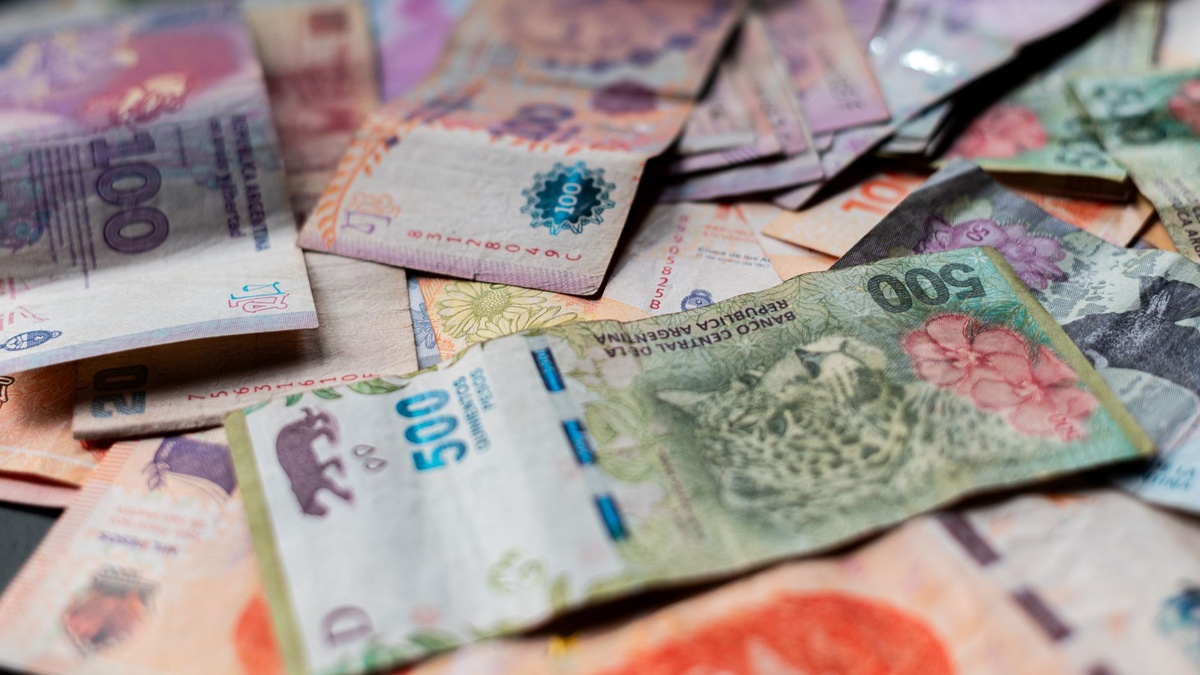
Argentina taxes residents on worldwide income. That’s the catch.
Spend more than 183 days in a 12-month period in Argentina and you are generally a tax resident. Income tax (Ganancias) runs 5% to 35% in progressive brackets.
Then there’s Bienes Personales, the wealth tax most newcomers have never heard of: residents pay it on worldwide net assets above roughly US$200,000 equivalent. The good news is that the 2024 reform is phasing it down — the top rate is 0.75% for tax year 2026 and drops to 0.25% in 2027 — and taxpayers who pre-paid five years under the REIBP scheme are locked in at 0.45%.
Other numbers: capital gains on Argentine financial assets ~15%; VAT (IVA) 21%; the “PAIS” tax on foreign-card purchases was scrapped in December 2024, so paying with a foreign credit card no longer carries a 30% surcharge.
Structured correctly, many investors keep tax residency elsewhere (Uruguay, the UAE, or a US state) while holding Argentine legal residence. This is where a cross-border tax advisor earns their fee — not Reddit threads.
What Is the Argentine Passport Actually Worth?
As of November 2026, Argentine passport holders get:
- Visa-free Schengen access (90/180 rule) — the EU’s Entry/Exit System has been live since October 2025, and ETIAS pre-authorization (€20, valid three years) is slated to switch on in the final quarter of 2026.
- UK entry for up to 6 months, now with a mandatory £16 Electronic Travel Authorisation (required for Argentines since February 2025).
- Free movement and residence rights across Mercosur (Brazil, Uruguay, Paraguay, Bolivia, Chile, Colombia, Ecuador, Peru) — ID-card travel within the bloc.
- Visa-free or eVisa access to 170+ destinations overall, including Japan, South Korea, Mexico, Israel, Russia, and Turkey.
It does not include visa-free entry to the United States — you still need a B1/B2 visa. Washington and Buenos Aires signed a roadmap toward Visa Waiver Program membership in 2025, but refusal-rate and security benchmarks mean that is a multi-year project, not something to bank on.
For Europe and Latin America, it’s a genuinely strong document. If Europe is part of your travel plans, double-check airline safety and routing options — especially if connecting via smaller carriers. We recently broke down the latest EU air safety list update, which is worth reviewing before booking long-haul routes.
Living in Argentina While You Wait
You’ll spend real time in Argentina during the residency period, and here’s the honest 2026 picture: the peso’s stabilization under the crawling-band regime made Buenos Aires roughly 60% more expensive in dollar terms than it was in 2023. It is still cheaper than Madrid or Miami — just not absurdly so.
Monthly Cost of Living (Buenos Aires, November 2026)
| Expense | Average Cost (USD) |
|---|---|
| 1-bed apartment, Palermo Soho/Hollywood (dollar-priced, furnished) | $800–$1,200 |
| Utilities + 300 Mbps fiber (Fibertel/Movistar) | $110–$160 (subsidies were cut in 2025) |
| Private health plan (OSDE 210 / Swiss Medical SMG20) | $180–$320 |
| Groceries (Coto/Jumbo, one person) | $350–$500 |
| SUBE transit card (bus $0.45, Subte $0.85 per ride) | $30–$50 |
| Total Comfortable Lifestyle | $1,500–$2,300/month |
Madrid runs $2,800–$3,800 for the equivalent; Miami $4,000+.
Palermo Soho is still the sweet spot for first-year expats. Skip Microcentro — great for offices, dead at night. Recoleta is elegant but 20–30% pricier. Villa Crespo (west of Córdoba Avenue) is the value play: Palermo amenities, 15% lower rent, Subte Line B.
Coffee: Lattente (Gorriti 4944, Palermo, open 8:00–20:00) is still the benchmark flat white at about US$3.50. Steak without tourist pricing: Don Julio needs a reservation weeks out and a bife de chorizo now runs US$45; walk six blocks to El Preferido de Palermo (Jorge Luis Borges 2108) for the same owners, half the hype, and a milanesa for US$18.
Summer Timing: Why Now Is the Window
It’s mid-November 2026, which means Argentina is sliding into peak Southern Hemisphere summer — exactly when you want to do scouting trips. Book for late November through March.
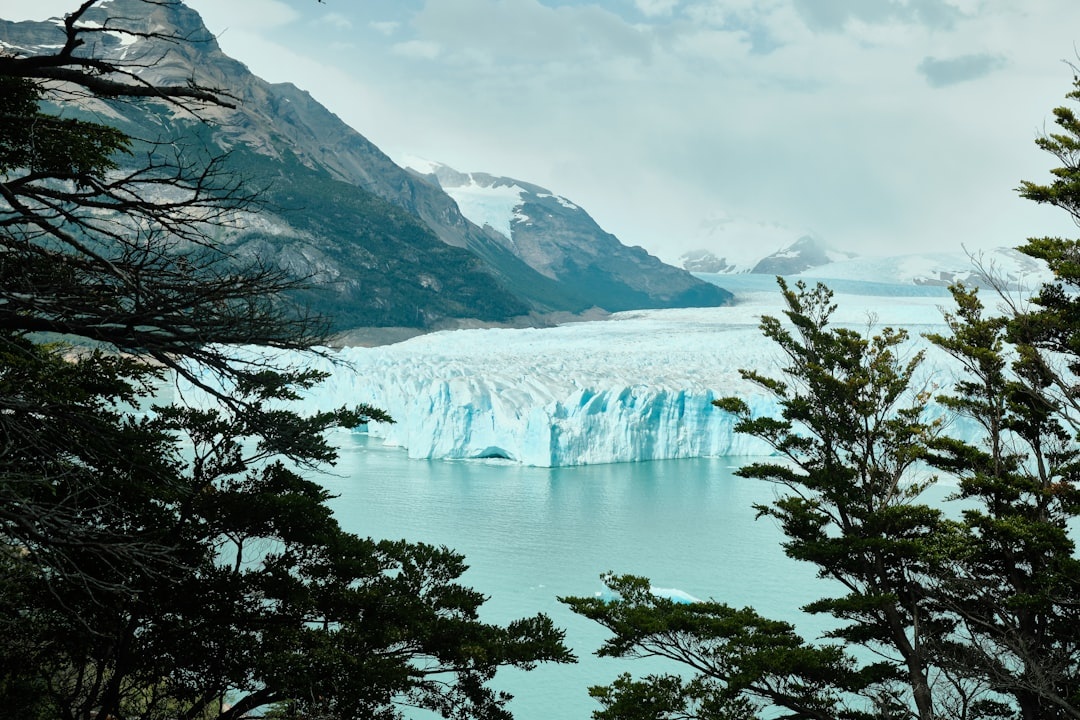
Buenos Aires averages 28°C (82°F) in January, with the city noticeably emptier (and apartment viewings easier) because porteños decamp to Mar del Plata and Punta del Este. Patagonia trekking season in El Chaltén and Torres del Paine runs December–February. Mendoza’s Vendimia harvest festival is scheduled for the first week of March 2027.
Getting there: Nonstop JFK–EZE on American, United, or Aerolíneas Argentinas takes about 10 hours 45 minutes southbound. Roundtrip fares are US$900–$1,300 in late November and early March, and US$1,500–$1,900 from mid-December through mid-January. Miami–EZE is the cheapest US gateway at US$750–$1,100. From Ezeiza, a Cabify or Uber to Palermo is US$30–$40 and takes 45–70 minutes; the Tienda León shuttle to Puerto Madero is about US$14.
Is Argentina’s Golden Passport Better Than Europe?
It depends on your goal.
Choose Argentina if:
- You want citizenship in under three years instead of 5–10.
- You want an investment you still own at the end rather than a donation.
- You’re comfortable spending meaningful time in South America and want Mercosur residence rights.
Choose Europe if:
- You need EU residency and healthcare immediately.
- You plan to live full-time in the EU rather than visit under 90/180.
- You prioritize the strongest possible passport ranking over speed.
Portugal used to dominate this space, but with real estate gone, funds the only mainstream option, and a 10-year naturalization rule on the table, the EU’s golden-visa era is winding down. Argentina is stepping into the vacuum.
Common Mistakes (and What I’d Do Differently)
- Wiring money before the sector is confirmed as “relevant.” Get the Investment Agency’s written criteria for your specific project first. A US$500,000 Airbnb portfolio in Palermo may not count; a boutique hotel with eight employees in Bariloche almost certainly does.
- Confusing “no uninterrupted stay” with “no stay.” Federal judges still look for genuine ties — a DNI address, a local bank account, Spanish-language ability, and visible time in the country. Plan on 90–120 days a year, under the 183-day tax trigger.
- Ignoring Bienes Personales. I’ve watched people model income tax perfectly and forget the wealth tax on their foreign brokerage account. Run both before you decide where you’ll be tax resident.
- Hiring a “golden visa consultancy” instead of an Argentine abogado matriculado. Citizenship here is a court process. You want a lawyer registered with the Colegio Público de Abogados who has filed cartas de ciudadanía, not a Dubai-based broker reselling them.
- Signing a lease in pesos at a fixed rate. Most expat-friendly landlords price in dollars; if you go peso, insist on quarterly ICL or IPC indexation or you’ll be renegotiating every two months.
- Skipping the scouting trip. Ten days across Buenos Aires, Mendoza, and one Patagonian city will tell you more about where to put US$500,000 than any PDF.
Practical Steps If You’re Interested
- Consult an Argentine immigration attorney (budget US$4,000–$8,000 all-in for residency and citizenship).
- Pre-clear your investment type with the Agencia de Promoción de Inversiones before committing capital.
- Form your vehicle (SRL for operating businesses, SA for larger or multi-partner projects) and open a local account — this now takes 2–4 weeks rather than months.
- Get a written tax-residency opinion for both Argentina and your home country.
- Prepare apostilled, translated documents: birth certificate, marriage certificate if applicable, and police clearances from every country you’ve lived in for the past five years (US FBI check: about $18, 3–5 days online).
- Visit for a minimum of 7–10 days during the November–March window.
Processing bureaucracy has improved — the digital RaDEX residency portal replaced most in-person Migraciones appointments — but expect paperwork. This isn’t the Caribbean donation model; it’s a real relocation pathway.
Final Thoughts: Is It Worth It?
Argentina’s golden passport isn’t the cheapest option globally, but it is the most balanced one available in late 2026: half a million dollars into an asset you keep, citizenship in roughly three years, a 170+ destination passport, and a country with 47 million people, world-class food, and a government actively courting foreign capital.
The risks are real too — Argentina’s policy swings are legendary, a future administration could rewrite the decree, and the peso’s stability is three years old, not thirty. Diversify accordingly.
If you’re serious, book the scouting trip for this summer season. Programs like this tend to tighten once demand spikes — and the lines at Migraciones in Buenos Aires suggest it already has.
Mobility is leverage. Argentina made its move; the question is whether you make yours before the terms change.
Frequently Asked Questions
How much does Argentina’s Golden Passport cost in 2026?
The working minimum is about US$500,000 in an approved productive business or designated real estate project, plus US$4,000–$8,000 in legal fees, 3.5–4.5% in property transfer costs if you buy real estate, and US$2,500–$5,000 for company setup and accounting. A lower US$250,000–$300,000 tier has been discussed but was not formally published as of November 2026.
How long does it take to get Argentine citizenship through investment?
You can petition the federal court after two years of legal residence. Including residency approval at the start and court processing at the end, expect 30–36 months from wiring funds to holding the passport.
Is the Argentine passport worth it? Where can I travel visa-free?
Argentines enjoy visa-free or visa-on-arrival access to 170+ destinations, including the Schengen Area (ETIAS €20 once live), the UK (£16 ETA), Japan, Mexico, and all of Mercosur. The United States still requires a B1/B2 visa; Visa Waiver Program talks began in 2025 but have no firm date.
Do I need to live in Argentina full-time?
No. Decree 366/2025 requires non-investor applicants to stay two continuous years without leaving, but the investor route is exempt from that rule. In practice plan 90–120 days per year to show genuine ties while staying below the 183-day tax-residency threshold.
When is the best time to visit Argentina for a scouting trip, and how do I get there?
Late November through March — Southern Hemisphere summer. Nonstop JFK–EZE flights take about 10h45m and cost US$900–$1,300 roundtrip outside the Christmas peak; Miami–EZE runs US$750–$1,100. A rideshare from Ezeiza to Palermo is US$30–$40 and 45–70 minutes.
What taxes will I pay as an Argentine resident?
If you exceed 183 days, you’re taxed on worldwide income at 5–35%, plus the Bienes Personales wealth tax (0.75% top rate for 2026, 0.25% from 2027), 15% on financial capital gains, and 21% VAT on purchases.

About the Author: Tomáš Bzirský
Founder and editor of Distratech. Based in the Czech Republic, travelling regularly from Central Europe. Writes practical travel guides and travel-tech comparisons (eSIM, apps, airports) in six languages.