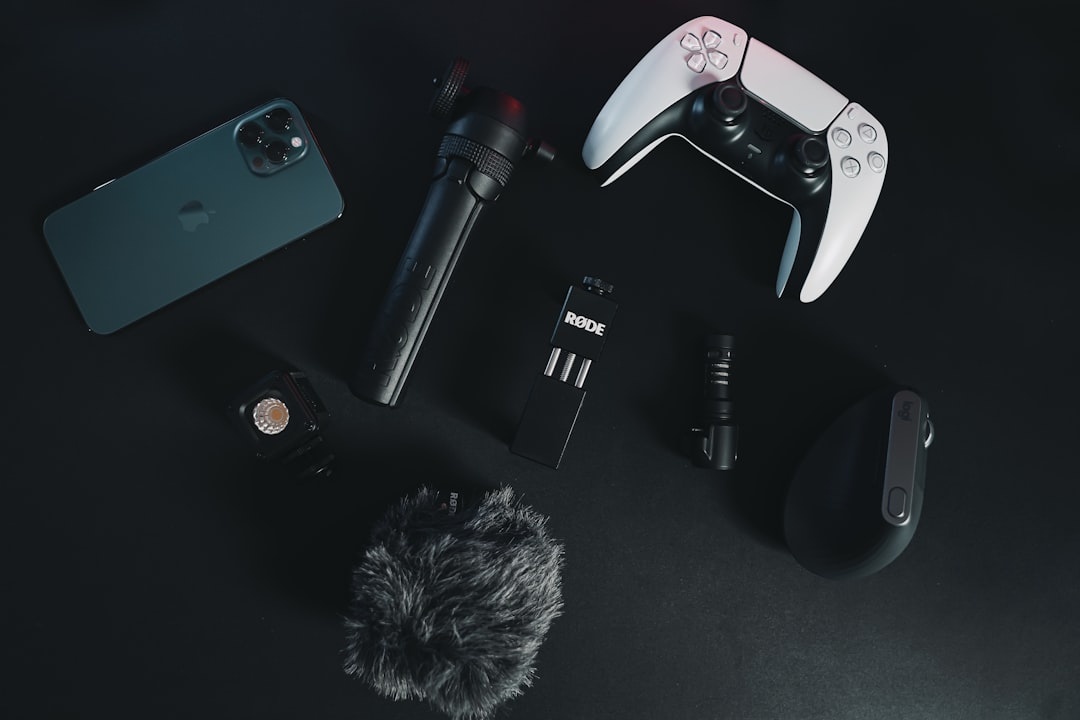
I’ve been traveling with tech since the days when airport Wi-Fi cost $9.95 per hour and a “portable battery” weighed as much as a brick. Two decades later, my kit is lighter, faster, and ruthlessly edited.
This is the exact gear I pack for summer 2026 trips — from island hopping in the Philippines to midnight-sun road trips in Scandinavia — and why each item earns its spot in my backpack.
Key Takeaways
- My entire core tech kit weighs under 3.8 kg and fits in a 22L carry-on.
- The iPhone 16 Pro + eSIM combo consistently delivers 300–800 Mbps 5G in major cities.
- Anker’s 737 Power Bank (140W, 24,000mAh) charges a laptop to 60% in 30 minutes.
- I skip travel routers and DSLRs — modern phones and hotspotting are good enough.
- Total value of the kit: ~$4,500 — but you can replicate 80% of it for under $1,500.
1. Smartphone: iPhone 16 Pro (256GB) — $1,099
This is my camera, boarding pass holder, hotspot, GPS, translator, and backup workstation. If it fails, the trip gets harder immediately.
Key specs:
- Weight: 187g
- Battery: ~23 hours video playback (real-world: 1.5 heavy travel days)
- 5G speeds: 300–800 Mbps in US/EU cities; 120–250 Mbps in Southeast Asia
- USB-C (finally fast and universal)
On a recent dive trip research run for our Philippines diving guide, I used it for underwater housing video, Grab bookings, and hotspotting my laptop at 180 Mbps in Cebu Airport.
Why this matters when you’re traveling: You don’t want to juggle devices at security or rely on sketchy hotel desktops. Your phone is your control center.
Traveler verdict: Buy the Pro model for camera and battery. Skip 1TB storage — use cloud backup over hotel Wi-Fi.
2. eSIM: Airalo vs Local SIM
I land, turn off airplane mode, and I’m online before reaching immigration.
Airalo pricing (June 2026 examples):
- Europe 10GB / 30 days: $37
- Thailand 15GB / 30 days: $19
- USA 20GB / 30 days: $42
In Bangkok, a local AIS SIM costs ~$8 for 15GB — less than half the price.
Why this matters when you’re traveling: Airalo costs more, but it saves 20–40 minutes hunting for SIM kiosks after a long flight. In places like Rome or Lisbon in peak summer, that line can be brutal.
Speed test results: Airalo Europe (Telekom DE network) hit 420 Mbps down in Berlin. In rural Portugal: 85 Mbps — still fine for Zoom.
Traveler verdict: Short trips (under 7 days): buy eSIM. Longer stays: switch to local SIM for half the cost.
3. Laptop: MacBook Air M4 (13-inch) — $1,199
I downgraded from a 16-inch Pro. Best decision I’ve made.
Specs:
- Weight: 1.24 kg
- Battery: 18 hours claimed (real-world travel: 12–14 hours writing + Chrome)
- Fanless = silent in hostel dorms
I edited 4K footage in a café in Lisbon at 70% brightness and still had 40% battery after 6 hours.
Why this matters when you’re traveling: Summer trips mean trains, ferries, airport floors. Every extra kilogram becomes painful by day three.
Buy this if: You write, edit light video, or run remote work apps.
Skip it if: You only answer emails — an iPad + keyboard saves 600g.
Traveler verdict: The sweet spot for digital nomads in 2026.
4. Noise-Canceling Headphones: Sony WH-1000XM6 — $399
Airplane cabins average 80–85 dB. These drop it to the equivalent of a quiet office.
Specs:
- Weight: 254g
- Battery: 30 hours with ANC on
- Quick charge: 3 hours playback in 3 minutes
I wore them on a 9-hour Madrid–New York flight and landed without the usual brain fog.
Why this matters when you’re traveling: Sleep equals better trips. Noise cancellation is not luxury — it’s energy management.
Alternative: AirPods Pro 3 ($249, 6-hour battery). Better for light packers, worse for long-haul comfort.
Traveler verdict: Over-ear for long-haul. Earbuds for weekend trips.
5. Power Bank: Anker 737 (24,000mAh, 140W) — $149
This is my insurance policy.
Specs:
- Weight: 630g
- Capacity: 24,000mAh (legal for carry-on)
- Output: 140W USB-C (charges MacBook Air at full speed)
It recharged my MacBook from 10% to 60% in 30 minutes during a layover in JFK.
Why this matters when you’re traveling: Summer travel = crowded airports = zero outlets. This keeps you working (or watching Netflix) when everyone else is fighting over plugs.
Skip: Cheap 10,000mAh banks. They won’t charge laptops and often cap at 18W.
Traveler verdict: Heavy but essential for remote workers.
6. Universal Charger: UGREEN 300W GaN Station — $269
One brick replaces five.
Ports: 5x USB-C, 1x USB-A
Max output: 300W total
Weight: 1.1 kg
I can charge laptop, phone, headphones, power bank, and camera simultaneously in one café socket.
Why this matters when you’re traveling: European hotel rooms often have two accessible outlets. This turns one into a charging hub.
Budget alternative: Anker 100W GaN charger ($79, 220g) if you travel solo.
Traveler verdict: Overkill for vacations. Perfect for gear-heavy work trips.
7. Smartwatch: Suunto Spark — $279
I track runs, sleep, and navigation without draining my phone.
Specs:
- Weight: 39g
- Battery: 10 days smartwatch mode, 30 hours GPS
- Water resistance: 50m
It’s ideal for active trips — especially if you’re doing something like this Rome running tour with a feline twist and want GPS stats without carrying your phone.
Why this matters when you’re traveling: Battery preservation. GPS tracking on your phone kills it in 4–5 hours.
Traveler verdict: Better battery than Apple Watch. Less app ecosystem, but more reliable outdoors.
8. Compact Camera: Fujifilm X100VI — $1,599
Do you need a dedicated camera in 2026? Usually no. I still bring one for storytelling trips.
Specs:
- Weight: 521g
- 40MP APS-C sensor
- 6.2K video
For destinations like Drake Bay in Costa Rica, dynamic range matters. Phone sensors struggle in rainforest contrast.
Why this matters when you’re traveling: If photography is part of your work (or passion), image quality still separates pros from influencers.
Skip it if: You don’t edit RAW files. Your phone is enough.
Traveler verdict: Luxury item — but creatively worth it.
9. Travel Router (What I Stopped Packing)
I used to carry a GL.iNet travel router. I don’t anymore.
Why? Modern phones handle hotspotting at 150–300 Mbps. Most hotels now support WPA3 and decent speeds.
Exception: Long stays in Airbnbs with unstable Wi-Fi.
Traveler verdict: Skip it for summer trips under 2 weeks.
10. The Cable Strategy (Underrated but Critical)
Cables fail more than devices.
What I pack:
- 2x USB-C to USB-C (240W rated, 1m)
- 1x 2m braided USB-C cable
- 1x short 20cm cable for power bank
- 1x USB-C to USB-A adapter
Total weight: 180g.
Why this matters when you’re traveling: Replacement cables in airports cost 2–3x normal price. A €9 cable becomes €29 at the gate.
What This Kit Costs (And How to Scale It Down)
Total value: approximately $4,500.
You absolutely don’t need to spend that much.
$1,500 practical setup:
- Mid-range Android phone ($499)
- MacBook Air M2 refurbished ($799)
- Anker 100W charger ($79)
- 20,000mAh power bank ($49)
You’ll lose camera quality and some battery longevity — but 80% of the experience remains.
Final Thoughts: Pack for Energy, Not Just Productivity
After 20 years, I’ve learned this: travel tech isn’t about specs. It’s about reducing friction.
Good headphones mean better sleep. A powerful battery means no outlet anxiety. eSIM means skipping airport kiosks in 35°C summer heat.
Every item should answer one question: does this make my trip smoother?
If not, it stays home.
Frequently Asked Questions
How much tech is too much for carry-on travel?
If your gear exceeds 4 kg or requires a separate bag, it’s probably too much. For most travelers, a phone, laptop or tablet, headphones, and a 20,000mAh power bank are sufficient.
Is a 24,000mAh power bank allowed on planes?
Yes. Most airlines allow batteries up to 100Wh in carry-on luggage. A 24,000mAh 3.7V battery equals about 88.8Wh, which is within the limit.
Are eSIMs worth it for short trips?
For trips under a week, yes. Paying $30–$40 for an eSIM can save 30 minutes at the airport and eliminates SIM swapping risk.
Do I still need a dedicated camera in 2026?
Only if photography is central to your trip or work. Modern flagship phones outperform older DSLRs in convenience and are good enough for social and web use.

About the Author: Tomáš Bzirský
Founder and editor of Distratech. Based in the Czech Republic, travelling regularly from Central Europe. Writes practical travel guides and travel-tech comparisons (eSIM, apps, airports) in six languages.