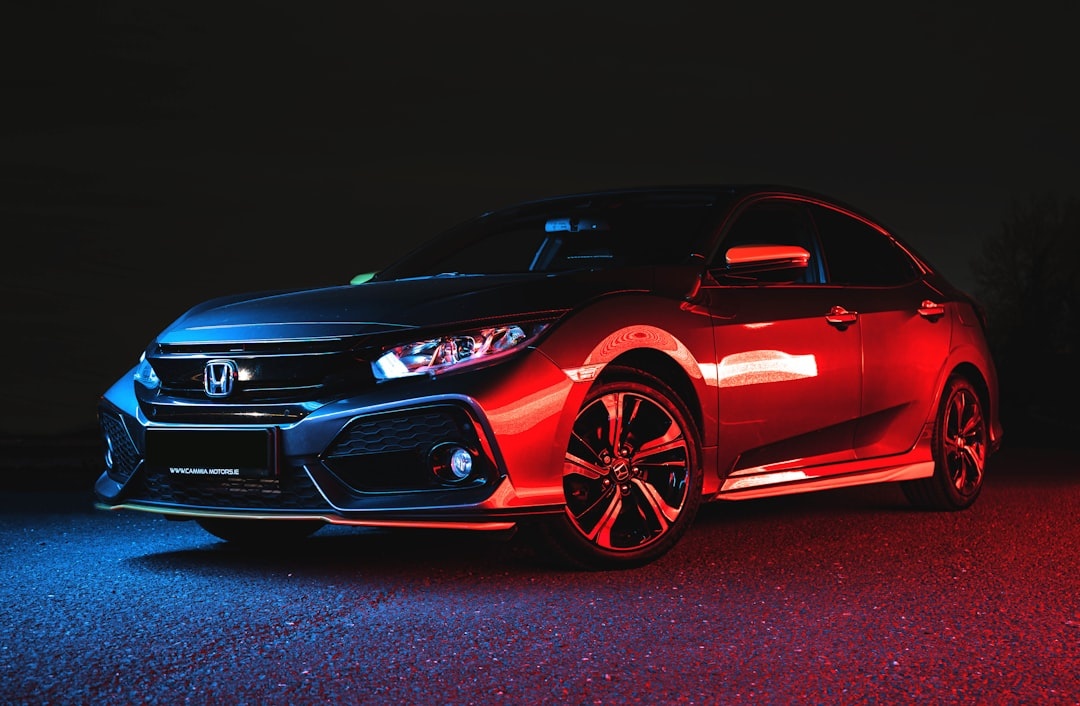
You rent a 2021 Honda Civic in Barcelona, plug your phone into the front USB port to charge before a beach run, and assume it’s just power and CarPlay. Under the hood, that same port has been shown to allow deep access to the car’s infotainment system—thanks to publicly available Android test keys left in production software.
Security researchers demonstrated that unauthorized apps can be installed via USB, effectively “jailbreaking” the head unit. That opens the door to so-called “EvilValet” attacks—where someone with brief physical access (a valet, mechanic, or rental lot worker) plants malicious software.
Key Takeaways
- 2021 Honda Civic infotainment systems were found to accept apps signed with public Android test keys via USB.
- Attack requires physical access to the front USB port but can enable persistent malicious software (“EvilValet”).
- Risk is highest for rental cars, shared vehicles, and long-term parking during summer road trips.
- No evidence of widespread exploitation—but travelers should disable USB data and update firmware.
What Actually Happened?
A software architect discovered that the 2021 Civic’s infotainment unit runs on Android and accepts applications signed with publicly available Android test keys—keys intended only for development devices.
Because those keys are widely known, anyone with moderate technical skill can sign an app that the system will trust. Plug in a prepared USB drive, and the head unit can install the app without traditional verification safeguards.
Why does this matter when you’re traveling?
Rental cars, airport parking, hotel valets, and border crossings all involve temporary loss of physical control over your vehicle. That’s exactly the scenario “EvilValet” attacks rely on.
What Is an “EvilValet” Attack?
An EvilValet attack assumes the attacker gets short-term physical access to a device—like a car parked overnight at a beach resort in Sicily or left with a valet during a city tour.
In this case, the attacker:
- Connects a USB drive to the Civic’s front port.
- Installs a malicious Android app signed with public test keys.
- Leaves the software running persistently in the background.
Potential capabilities depend on system permissions but could include:
- Logging Bluetooth device identifiers
- Tracking GPS location history
- Displaying phishing prompts
- Intercepting microphone input routed through the system
Why does this matter when you’re traveling?
If you’re on a 3-week road trip across the Pacific Coast Highway or island-hopping in the Philippines (like in our Malapascua vs Moalboal vs Coron diving guide), your rental car becomes a rolling data hub. Your phone auto-connects. Your contacts sync. Your navigation history logs every stop.
How Vulnerable Is the 2021 Honda Civic?
The 2021 Civic uses a 7-inch Display Audio touchscreen (standard on most trims) running a customized Android-based OS. It supports:
- Apple CarPlay (wired)
- Android Auto (wired)
- Bluetooth 4.x connectivity
- Front USB-A port (data + charging, 1.5A)
That USB-A port delivers about 7.5W—enough to charge a phone slowly while running navigation. But it also provides data access to the system.
Why does this matter when you’re traveling?
Travelers constantly plug in unknown cables: rental car USB cords, airport lounge chargers, hotel desk cables. If a port allows both data and installation-level access, it’s a bigger attack surface than most drivers realize.
Real-World Risk: Should You Actually Be Worried?
Here’s the honest take: this isn’t a mass remote hack. It requires physical access and technical preparation. There’s no evidence of widespread exploitation as of June 2026.
But the scenario isn’t far-fetched in high-turnover travel situations:
- Rental cars used by 15–20 drivers per month in peak summer season
- Long-term airport parking (7–21 days)
- International border vehicle inspections
- Valet parking at city hotels
Why does this matter when you’re traveling?
Summer 2026 is seeing record rental demand in Europe and North America. High vehicle turnover means more opportunities for tampering—especially in tourist hotspots.
What Could an Attacker Actually Do?
Let’s be realistic. A Civic infotainment system doesn’t control steering or braking. This is not a “remote takeover” scenario.
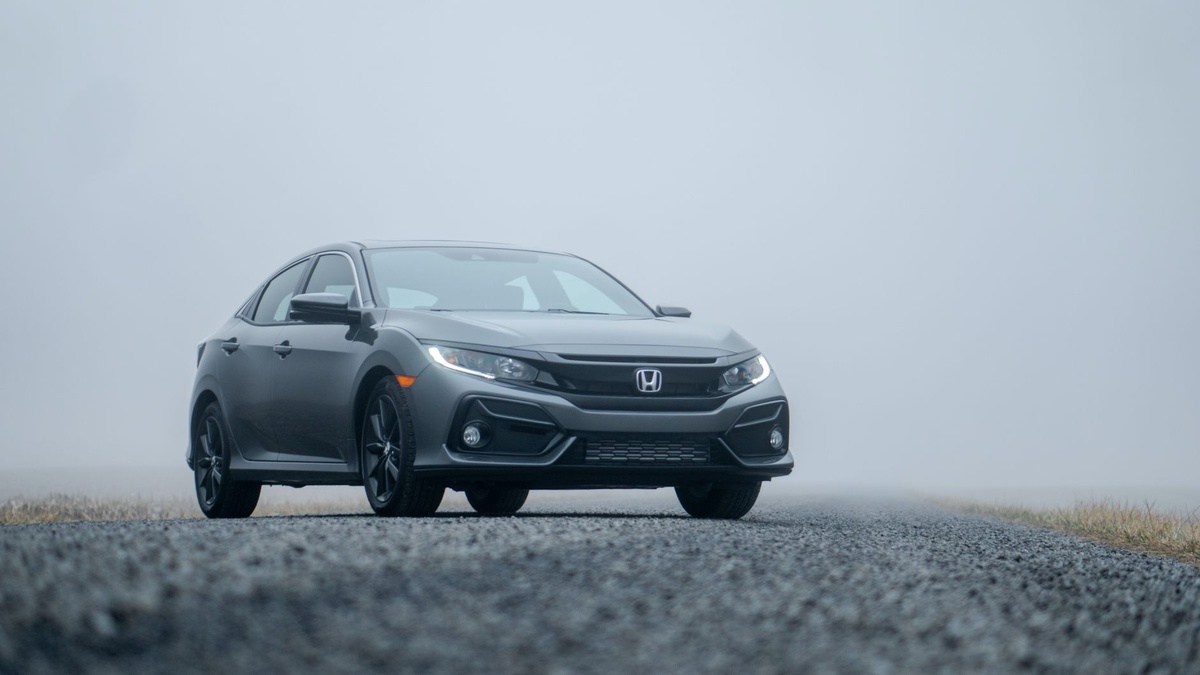
More plausible risks include:
- Harvesting Bluetooth MAC addresses from connected phones
- Recording microphone audio when voice assistant is active
- Tracking GPS logs from previous drivers
- Displaying spoofed system prompts to trick users
Modern smartphones encrypt most app-level data, so your banking apps remain secure. But metadata—like device IDs and movement patterns—can still be valuable.
Why does this matter when you’re traveling?
Location trails can reveal hotel stays, safari routes (like those in Rwanda’s tourism boom), or high-end resorts. That’s sensitive information if you’re a business traveler or content creator.
How to Protect Yourself in Rental Cars
Here’s what I personally do when picking up a rental—especially older models like a 2021 Civic.
1. Use a Data-Blocking USB Adapter
A USB “data blocker” (sometimes called a USB condom) costs $9–$15 on Amazon and physically disables data pins while allowing charging up to 2.4A.
Traveler verdict: Buy it. It weighs under 10 grams and lives permanently in my tech pouch (see what else I pack in my summer 2026 travel gear setup).
2. Use a 12V Car Charger Instead
A quality 12V USB-C charger like the Anker 323 Car Charger ($19, 45W combined output) charges faster than the Civic’s built-in 7.5W port.
You’ll get:
- Up to 20W USB-C PD for iPhones
- Up to 25W for Samsung devices
- Zero data exchange with infotainment
Traveler verdict: Skip the built-in USB for power. Use your own charger.
3. Disable Automatic Bluetooth Sync
When connecting to a rental vehicle, deny contact and message sync. It takes 10 seconds.
On iPhone: Settings → Bluetooth → Tap “i” → Disable Contact Sync.
On Android: Bluetooth → Device settings → Disable Contact Sharing.
Why does this matter when you’re traveling?
Your full contact list doesn’t need to live on a rental car in Ibiza after you return it.
4. Check for Firmware Updates (If It’s Your Own Car)
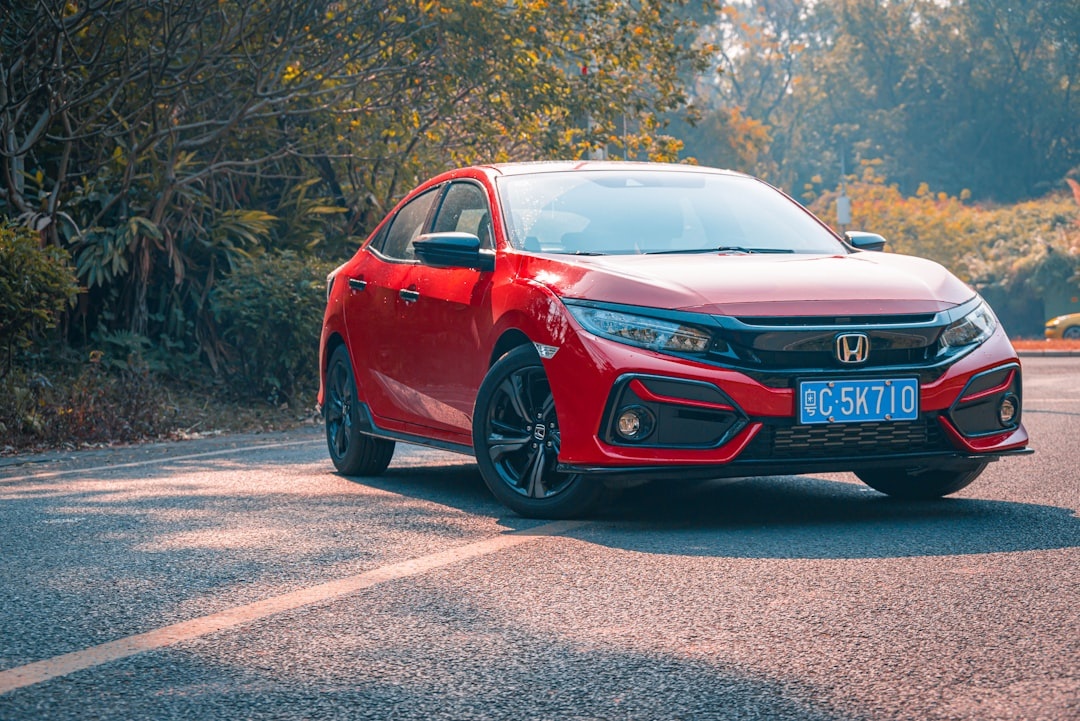
If you own a 2021 Civic, contact your dealer and verify infotainment firmware updates. Manufacturers sometimes silently patch vulnerabilities.
Dealer labor rates average $120–$180/hour in the U.S., but software updates are often free under service bulletins.
Traveler verdict: If you road-trip frequently, update. It’s worth the appointment.
Should You Avoid the 2021 Civic as a Rental?
No. The 2021 Civic remains one of the most fuel-efficient compact rentals available:
- 31 mpg city / 40 mpg highway (gas model)
- Fuel tank: 12.4 gallons
- Range: ~496 highway miles
- Trunk space: 14.8 cubic feet
For summer road trips—think coastal Portugal or U.S. national parks—it’s still a smart choice at average rental rates of $45–$70/day in 2026.
Why does this matter when you’re traveling?
Security issues shouldn’t automatically disqualify a reliable, efficient car. Mitigation is easy and cheap.
Bigger Picture: Cars Are Just Android Devices Now
This Civic case highlights a broader issue: modern vehicles run modified Android builds, often with delayed security patch cycles.
Unlike your Pixel or iPhone, which receives monthly updates, car infotainment systems may go years without major patches.
Why does this matter when you’re traveling?
Your car is now part of your digital attack surface—alongside airport Wi-Fi, hotel smart TVs, and public chargers. Treat it accordingly.
Traveler Checklist Before a Summer Road Trip
- Pack a $10 USB data blocker
- Bring a 45W 12V charger (faster and safer)
- Deny contact syncing in rental vehicles
- Clear Bluetooth pairing before returning the car
- Check your own vehicle for firmware updates
These steps take under 5 minutes and cost less than $30 total.
Conclusion: Not a Panic Moment—But a Wake-Up Call
The 2021 Honda Civic infotainment jailbreak isn’t a Hollywood-style car hack. It’s a reminder that physical access plus outdated software equals risk.
For travelers, especially during peak summer road trip season, the real lesson is simple: control what you plug in, and assume shared vehicles are shared computers.
Spend $10 on a data blocker, use your own charger, and enjoy the drive. Security doesn’t have to ruin the sunset.
Frequently Asked Questions
Can someone hack my 2021 Honda Civic remotely?
No evidence suggests remote exploitation of this flaw. The attack requires physical access to the USB port and installation via a prepared drive.
Is it safe to use Apple CarPlay or Android Auto in a rental Civic?
Yes, but avoid syncing contacts and use your own 12V charger for power. CarPlay and Android Auto encrypt app data, reducing exposure risk.
How much does a USB data blocker cost?
Most reliable models cost $9–$15 and support charging up to 2.4A (12W). They weigh under 10 grams and require no setup.
Did Honda issue a fix for the infotainment vulnerability?
Software updates may be available depending on region and trim. Owners should check with a Honda dealer, where update labor typically costs $120–$180/hour if not covered.

About the Author: Tomáš Bzirský
Founder and editor of Distratech. Based in the Czech Republic, travelling regularly from Central Europe. Writes practical travel guides and travel-tech comparisons (eSIM, apps, airports) in six languages.