'/%3E%3Cpath%20fill='%23b2b2b2'%20d='M241%20382q0%2016%2017%2026%2017%2011%2042%2011t42-11q16-11%2017-26V269H241'/%3E%3Cpath%20fill='%239f7e00'%20d='M241%20379q0%2014%208%2023%209%209%2021%209%2014%200%2021-9%209-9%209-23V269h-59'/%3E%3Cpath%20d='M241%20339v-70h59v110q0%2014-9%2023l-6%205v-68h-15v72q-8%200-14-4v-68zm59%2040c0%2022%2015%2032%2029%2032%2021%200%2030-18%2030-32v-40h-59'/%3E%3Cpath%20fill='%239f7e00'%20d='M266%20277v5h2v12h-3v-5h2v-5h-9v5h2v5h-4v9h3v18h-5v10h34v-10h-5v-18h3v-9h-4v-5h2v-5h-9v5h2v5h-3v-12h2v-5zm42%20101q0%2010%206%2017%206%206%2015%207%2010-1%2016-7%206-7%206-17v-29h-43'/%3E%3Ccircle%20fill='%230044ad'%20cx='329.5'%20cy='372'%20r='6'/%3E%3Cellipse%20fill='%230044ad'%20cx='300'%20cy='340'%20rx='16'%20ry='21'/%3E%3C/svg%3E)
'/%3E%3C/svg%3E)


'/%3E%3C/g%3E%3Cuse%20href='%23c'%20transform='matrix(-1%200%200%201%20720%200)'/%3E%3C/svg%3E)


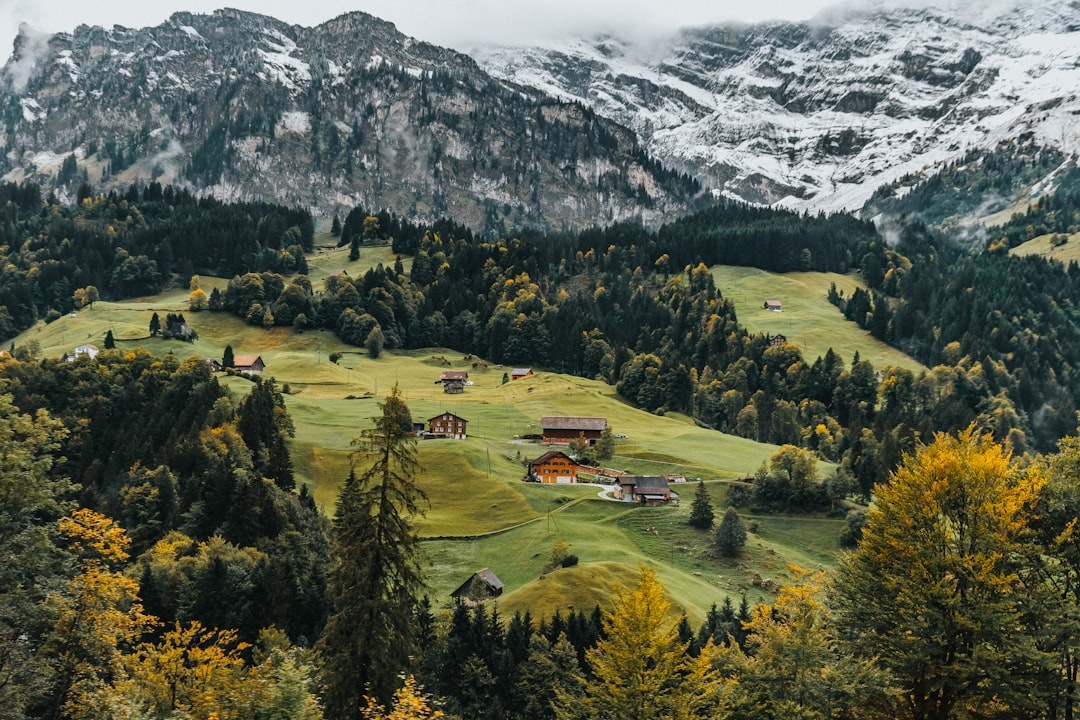
“Switzerland is beautiful… but it’s insanely expensive.” I hear this constantly. And yes, a $35 burger in Zurich is real. But if you plan smartly, Switzerland—especially the Alps in summer—can cost less than a week in peak-season Italy.
Here’s a real, numbers-based 5-day Switzerland itinerary (June 2026 pricing) covering Lucerne and the Jungfrau region, with exact train fares, hotel rates, grocery costs, and mountain lift prices. No vague “budget tips.” Just receipts.
Key Takeaways
- Average daily cost in the Swiss Alps (mid-range): $220–$280 per person including hotel.
- Lucerne–Interlaken train: $36 (2h, direct) vs car rental ~$95/day + parking.
- Jungfraujoch ticket: $240 full fare, but $120 with Swiss Half Fare Card ($140).
- Supermarket meal: $12–$18 vs casual restaurant dinner $28–$45.
- Summer (June–August) offers best hiking weather and long daylight (sunset ~9:30pm).
Before You Go: The 1 Pass That Changes the Math
Buy the Swiss Half Fare Card from sbb.ch. It costs CHF 120 (~$140) and gives 50% off almost all trains, boats, and mountain railways for 30 days.
Without it, Jungfraujoch alone is CHF 210–240 ($230–$260). With it, you pay ~CHF 105–120 ($115–$130). That single trip nearly pays for the card.
This is similar to what we found comparing rail passes in Japan in our JR Pass alternatives breakdown—individual tickets often win unless you’re moving daily. In Switzerland, the Half Fare Card is usually the sweet spot.
Day 1: Arrive in Zurich → Lucerne (Luzern)
Train: Zurich Airport to Lucerne
Distance: 67 km
Time: 1h 5m direct
Full fare: CHF 30 ($33)
With Half Fare: CHF 15 ($16.50)
Trains run every 30 minutes. Skip taxis (CHF 180+ / $200+) unless you’re splitting four ways.
Hotel: Lucerne (2 nights)
Hotel des Balances (4★, Old Town riverfront)
June rate: CHF 280/night ($305) double room
Per person: ~$152
Cheaper option: ibis Styles Luzern
CHF 180/night ($195) → $97 per person.
Compared to Lake Como in July where lake-view hotels easily hit $400–$600, Lucerne can actually be the better value.
Dinner Strategy: Grocery vs Restaurant
At Coop supermarket:
- Fresh sandwich: CHF 6.50 ($7)
- Prepared salad: CHF 8–12 ($9–13)
- 0.5L local beer: CHF 2.20 ($2.40)
- Swiss chocolate bar: CHF 1.50 ($1.65)
Total picnic dinner: ~$15.
Restaurant alternative: Wirtshaus Taube
Rösti with sausage: CHF 28 ($31)
Beer: CHF 8 ($9)
Solid, but double the grocery price. My rule: one restaurant meal per day max.
Day 2: Mount Pilatus or Rigi (Pick One)
Summer tip: June is ideal. Snow mostly cleared from trails, wildflowers blooming, fewer crowds than July.
Option A: Mount Pilatus Golden Round Trip
Boat + cogwheel train + cable car loop
Full fare: CHF 120 ($130)
With Half Fare: CHF 60 ($65)
Time: 4–5 hours total
Views: dramatic cliffs, classic Swiss panorama.
Option B: Mount Rigi
Train + cogwheel railway
Full fare: CHF 78 ($85)
With Half Fare: CHF 39 ($43)
Rigi is cheaper and less vertical. Pilatus is more cinematic. I prefer Pilatus for first-time visitors.
Cost Comparison
| Mountain | Full Fare | With Half Fare | Time Needed |
|---|---|---|---|
| Pilatus | $130 | $65 | 4–5 hrs |
| Rigi | $85 | $43 | 3–4 hrs |
Bring water and snacks. A sausage + soda at the summit café costs CHF 18–22 ($20–24).
Day 3: Lucerne → Interlaken → Lauterbrunnen
Train: Lucerne to Interlaken Ost
Distance: 98 km
Time: 1h 50m (panoramic route)
Full fare: CHF 66 ($72)
Half Fare: CHF 33 ($36)
This is one of Switzerland’s most scenic train rides. Sit on the right side leaving Lucerne.
Interlaken to Lauterbrunnen
20 minutes
Full fare: CHF 7.60 ($8.30)
Half Fare: CHF 3.80 ($4.15)
Hotel: Lauterbrunnen (2 nights)
Hotel Silberhorn
June rate: CHF 250/night ($272) double
Per person: ~$136
Budget: Valley Hostel private twin
CHF 160/night ($174) → $87 per person.
Yes, it’s pricey. But compare that to a mid-range Amalfi Coast hotel in July at $450+ (and packed beaches). Switzerland feels calmer and cleaner.
Dinner Hack
Coop Interlaken (open until 8pm, closed Sundays):
- Pasta + sauce + salad + wine (shared): ~$22 total
- Restaurant pizza in Lauterbrunnen: CHF 24–28 ($26–31)
Switzerland rewards apartment stays with kitchens.
Day 4: Jungfraujoch — The Big Splurge
This is what scares people away.
Jungfraujoch Ticket (from Lauterbrunnen)
Full fare: CHF 210–240 ($230–260)
With Half Fare: CHF 105–120 ($115–130)
Time: 2h 20m each way
Opening hours (summer 2026): first train ~6:30am, last descent ~5pm. Book early morning for fewer tour groups.
Is it worth $120? Yes, if weather is clear. No, if cloudy. Check webcams at jungfrau.ch before boarding.
Alternative: Mürren + Schilthorn
Full fare: CHF 108 ($118)
Half Fare: CHF 54 ($59)
Still epic views. Half the cost of Jungfraujoch.
| Option | Half Fare Price | Altitude | Verdict |
|---|---|---|---|
| Jungfraujoch | $120 | 3,454m | Bucket list |
| Schilthorn | $59 | 2,970m | Better value |
If budget matters, do Schilthorn and hike Grütschalp to Mürren (easy 1h 30m trail, free).
Day 5: Lake Brienz or Oeschinensee
Option A: Lake Brienz Boat
Boat pass: CHF 72 ($78)
Half Fare: CHF 36 ($39)
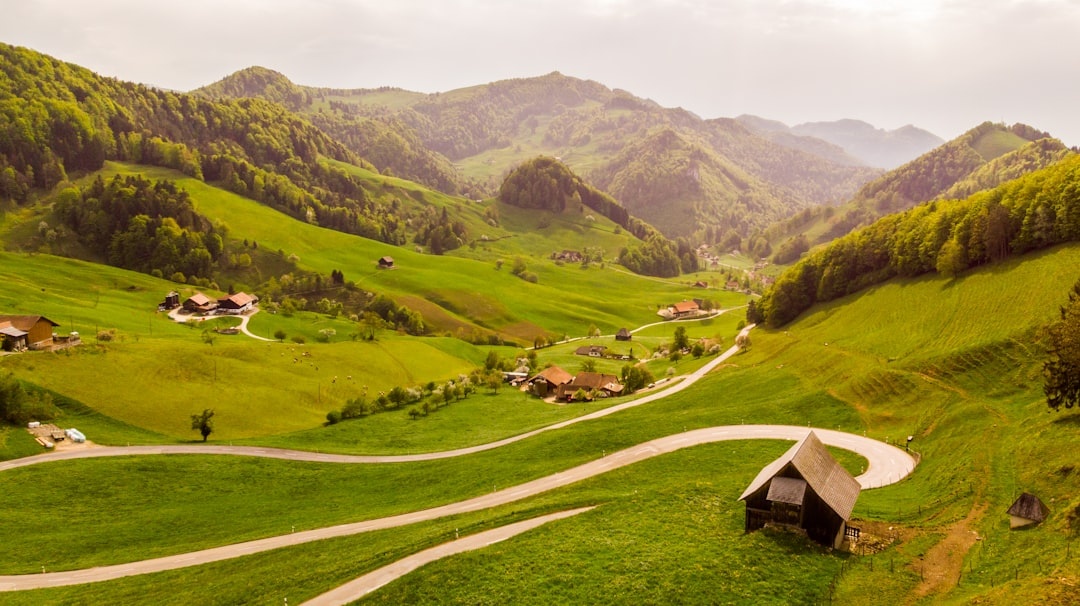
Turquoise water, Giessbach Falls stop. Relaxed day.
Option B: Oeschinensee Hike
Train to Kandersteg: CHF 27 ($29) full / CHF 13.50 ($15) half
Cable car: CHF 32 ($35) full / CHF 16 ($17.50) half
Total with Half Fare: ~$32.
Lake Como lookalike views for a fraction of Italian peak prices.
In June, alpine flowers are out and water levels are high from snowmelt—perfect timing.
Full 5-Day Cost Breakdown (Per Person, Sharing Double Room)
| Category | Cost (USD) |
|---|---|
| Hotels (4 nights avg $120) | $480 |
| Swiss Half Fare Card | $140 |
| All trains (with discounts) | $120 |
| Mountains (Pilatus + Jungfrau) | $185 |
| Food (mix grocery + 1 meal/day out) | $180 |
| Total (5 days) | $1,105 |
That’s ~$221 per day.
For comparison: 5 peak-season days in Santorini (hotel $250/night + car rental + restaurants) can easily exceed $1,400.
Tech & Money-Saving Essentials
- SBB Mobile App: buy tickets, track platforms in real time.
- Download offline maps on Google Maps — mountain signal drops.
- Use an eSIM: data in Switzerland isn’t EU-roaming cheap; see our Europe eSIM comparison for best-value plans.
- Pay with card: CHF rarely needed; even mountain huts take Visa/Mastercard.
If you’re upgrading phones for travel photos, a recent refurbished model is more than enough for Alpine shots — we break that down in this summer travel tech guide.
So… Is Switzerland Too Expensive?
It’s expensive if you wing it.
It’s reasonable if you:
- Stay in 3–4★ hotels outside Zurich
- Cook 30–40% of meals
- Use the Half Fare Card
- Choose 1–2 major mountain splurges, not five
You’re paying for precision trains, pristine trails, and lakes you can actually swim in. In June especially, with 15+ hours of daylight, you get more usable travel time per dollar.
Would I call it cheap? No.
Would I call $1,100 for five days in one of the most dramatic landscapes in Europe unreasonable? Also no.
If you plan it like this, Switzerland stops being “too expensive” and starts being one of the best value-for-experience trips in the Alps.
Want more cost-transparent itineraries like this? Explore more deep-dive Europe guides on Distratech and plan smarter, not cheaper.
Für Unterkunftsoptionen in der Region rund um Luzern und das Jungfrau-Gebiet lohnt sich ein Blick auf Hotels in der Zentralschweiz ansehen.
Frequently Asked Questions
How much does a 5-day trip to Switzerland cost in 2026?
Expect $1,000–$1,300 per person for 5 days in the Alps, including mid-range hotels, trains, one major mountain excursion, and mixed dining.
Is the Swiss Travel Pass worth it instead of the Half Fare Card?
For a 5-day trip with limited long-distance travel, the $140 Half Fare Card usually saves more. The Swiss Travel Pass (from ~$280 for 4 days) only makes sense if you’re moving daily.
How expensive is food in Switzerland?
Supermarket meals cost $12–$18, while casual restaurant dinners run $28–$45 per person. Mixing both keeps daily food costs around $30–$40.
Is Jungfraujoch worth the price?
At ~$120 with the Half Fare Card, yes—if the weather is clear. If it’s cloudy, choose Schilthorn at ~$59 instead for better value.

About the Author: Tomáš Bzirský
Founder and editor of Distratech. Based in the Czech Republic, travelling regularly from Central Europe. Writes practical travel guides and travel-tech comparisons (eSIM, apps, airports) in six languages.