'/%3E%3Cpath%20fill='%23b2b2b2'%20d='M241%20382q0%2016%2017%2026%2017%2011%2042%2011t42-11q16-11%2017-26V269H241'/%3E%3Cpath%20fill='%239f7e00'%20d='M241%20379q0%2014%208%2023%209%209%2021%209%2014%200%2021-9%209-9%209-23V269h-59'/%3E%3Cpath%20d='M241%20339v-70h59v110q0%2014-9%2023l-6%205v-68h-15v72q-8%200-14-4v-68zm59%2040c0%2022%2015%2032%2029%2032%2021%200%2030-18%2030-32v-40h-59'/%3E%3Cpath%20fill='%239f7e00'%20d='M266%20277v5h2v12h-3v-5h2v-5h-9v5h2v5h-4v9h3v18h-5v10h34v-10h-5v-18h3v-9h-4v-5h2v-5h-9v5h2v5h-3v-12h2v-5zm42%20101q0%2010%206%2017%206%206%2015%207%2010-1%2016-7%206-7%206-17v-29h-43'/%3E%3Ccircle%20fill='%230044ad'%20cx='329.5'%20cy='372'%20r='6'/%3E%3Cellipse%20fill='%230044ad'%20cx='300'%20cy='340'%20rx='16'%20ry='21'/%3E%3C/svg%3E)
'/%3E%3C/svg%3E)


'/%3E%3C/g%3E%3Cuse%20href='%23c'%20transform='matrix(-1%200%200%201%20720%200)'/%3E%3C/svg%3E)


In summer 2026, the Camino de Santiago is back to pre-pandemic numbers: 500,000+ pilgrims a year, dorm beds booked weeks ahead, and €18 menus del día that somehow still feel rushed.
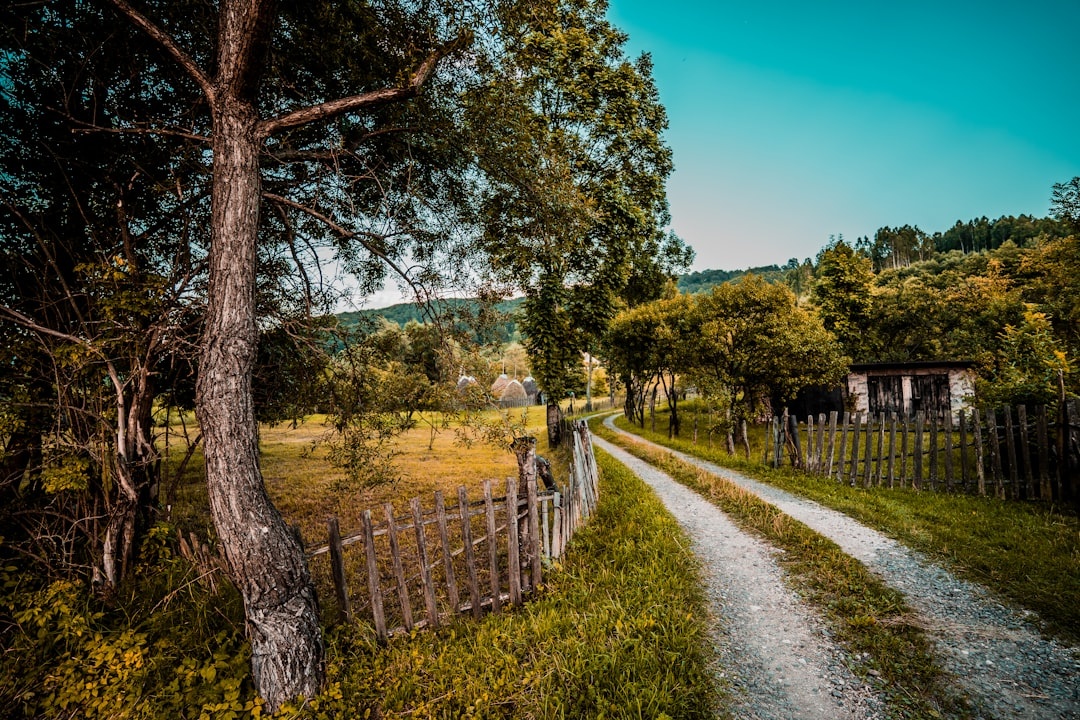
Meanwhile, across Romania, a 1,400 km trail cuts through medieval villages, Saxon churches, wildflower meadows, and Carpathian forests—and you might hike an entire day without seeing another long-distance walker. It’s called Via Transilvanica, and if you want Europe’s next great pilgrimage before it goes mainstream, this is it.
Key Takeaways
- Via Transilvanica stretches 1,400 km across Romania, typically walked in 50–70 days.
- Daily costs average €35–€55 ($38–$60) including guesthouse stays and meals.
- Best hiking window: June–September; July brings long daylight and village festivals.
- Waymarking is excellent with painted signs and carved “borna” stone markers every 1 km.
- Start points are reachable from Bucharest by train for €15–€25 in 5–8 hours.
What Makes Via Transilvanica Different From the Camino?
First, scale. The Camino Francés alone sees around 250,000 walkers per year. Via Transilvanica? Estimates hover under 10,000 annually.
Second, cost. Spain has become a pilgrimage economy. Romania still feels like you’re being welcomed into someone’s home.
| Camino Francés (Spain) | Via Transilvanica (Romania) | |
|---|---|---|
| Length | ~780 km | 1,400 km |
| Typical daily spend | €45–€70 | €35–€55 |
| Dorm bed | €12–€18 | €15–€25 (usually private rooms) |
| Restaurant meal | €15–€20 | €8–€12 |
| Crowds (peak July) | High | Low |
And then there’s the landscape. The Camino is agricultural Spain—beautiful, but predictable. Via Transilvanica moves from Danube gorges to Bucovina monasteries to Saxon Transylvanian villages and into the Carpathians. It feels like crossing an entire continent.
The Route: What You’ll Actually Walk
The trail runs from Drobeta-Turnu Severin on the Danube (near the Serbian border) to Putna in northern Bucovina. It’s divided into seven cultural regions, each with distinct architecture, food, and dialect.
You don’t need to hike all 1,400 km. Most international hikers choose a 7–14 day section.
Best 10-Day Section (For First-Timers)
Region: Terra Saxonum (Saxon Transylvania)
Distance: ~170 km
Time: 9–10 days
You’ll pass fortified churches in Viscri, Biertan, and Richiș—UNESCO-level architecture without the tour buses you’d find in Tuscany.
Expect rolling hills, haystacks, and shepherds. Daily distances average 18–22 km. Elevation gain is moderate (300–600 m per day), noticeably less punishing than Alpine trails in Switzerland—where huts can cost CHF 90+ per night (compare that to the breakdown in our detailed Swiss Alps cost guide).
What It Costs in 2026 (Real Numbers)
Romania remains one of the EU’s best value hiking destinations.
Accommodation
Most stays are family-run guesthouses (pensiuni), not dormitories.
- Private room with bathroom: €20–€35 per night
- Dinner + breakfast package: +€15–€20
- Booking: WhatsApp or Booking.com (search town name + “pensiune”)
In Viscri, Casa din Viscri charges around €30/night with breakfast in summer 2026. In Biertan, Pensiunea Oppidum averages €28/night.
Compare that to a Camino private room in July at €60–€90. You’re paying half for more space.
Food
Lunch in a village shop: €3–€5 (bread, cheese, tomatoes, cured sausage).
Hot restaurant dinner: €8–€12.
Local beer (0.5L): €2.
Cappuccino in Sighișoara: €2.50.
Skip overpriced tourist menus in Sighișoara’s main square. Walk 5 minutes to Casa Georgius Krauss for better traditional dishes at similar prices.
Transport to the Trail
From Bucharest (OTP Airport):
- Train to Sighișoara: €18–€25, 5.5 hours (CFR Călători website)
- Bus: €15–€20, 6–7 hours
- Private transfer: €180–€250, 4.5 hours
Train wins on comfort and predictability. Buy tickets at cfrcalatori.ro.
Total Daily Budget
Budget hiker: €35/day (shared room, shop lunch, simple dinner)
Comfort hiker: €50–€60/day (private room, full meals, occasional taxi transfer)
That’s half of what you’d spend hiking in Western Europe in peak summer.
Navigation, Safety and Tech: What You Actually Need
The trail is marked every 1 km with carved andesite stone markers (“borne”) unique to each region. Painted orange “T” signs confirm direction at junctions.
Offline maps matter. Mobile coverage is good in villages, patchy in forest sections.
- App: Via Transilvanica official app (iOS/Android, €5 download)
- Backup: Maps.me offline maps (free)
- eSIM: 10 GB Romania plan ~€13–€20 via providers compared in our Europe eSIM speed and cost comparison
Romania is statistically one of the safer countries in Eastern Europe for violent crime. The real risk? Stray dogs in rural areas. Trekking poles help. So does calmly walking past without eye contact.
Bears exist in the Carpathians, but sightings on the main Via sections are rare. Ask locals before entering remote forest stretches.
Summer 2026 Conditions: Why July Is Surprisingly Good
July and August bring long daylight (sunset after 9 PM), which means flexible hiking hours. Temperatures range 20–30°C (68–86°F) in Transylvania—hot but manageable.
Unlike the Amalfi Coast in July—where crowd density can change the entire experience—Romania’s villages remain calm even in peak season (see our crowd breakdown in southern Italy here).
Bonus: village festivals. In July, many Saxon villages host local fairs with folk music and food stalls. Expect grilled mici (minced meat rolls) for €4 and homemade plum brandy.
If you prefer cooler weather, September is ideal: 15–25°C, grape harvest season, fewer mosquitoes.
Where to Sleep and Eat (Specific Picks)
Viscri
Stay: Casa din Viscri – €30–€40/night with breakfast.
Eat: Viscri 32 – seasonal, locally sourced menu (~€12 mains). Book ahead in July.
Biertan
Stay: Pensiunea Unglerus – €35/night inside medieval walls.
Eat: Their own restaurant; try ciorbă de burtă (tripe soup) for €6.
Sighișoara
Stay: Fronius Residence – €60/night boutique comfort (worth the splurge).
Skip: Cheapest hostels near the clock tower—noisy in summer.
Do instead: Stay just outside the citadel for quieter sleep.
Booking tip: Many guesthouses prefer direct WhatsApp reservations and cash payment (Romanian leu). ATMs are common in larger towns.
How to Hike It: A Practical 7-Step Plan
- Pick a 7–10 day section (Terra Saxonum is most accessible).
- Fly into Bucharest (roundtrip from Western Europe: €80–€200 in summer).
- Take the train to your starting town.
- Book first 2 nights ahead; keep the rest flexible.
- Download offline maps and carry 1.5L water daily.
- Carry cash (€100 equivalent minimum).
- Plan 18–22 km per day with 5–7 hiking hours.
Luggage transfers aren’t as developed as on the Camino. If you want lighter loads, local taxis can move bags between towns for €25–€40 per segment—arranged by your host.
Why It Still Feels Authentic (For Now)
Via Transilvanica was completed in 2022, funded largely by private initiative and community involvement. It wasn’t built for mass tourism.
You’ll sleep in homes where the grandmother still makes jam from backyard plums. You’ll be offered tomatoes from gardens. Conversations happen in Romanian, German dialects, or sign language.
No credential stamps. No pilgrim passport competition. No 6 AM dorm wakeups.
Just a long orange line across a country most travelers still underestimate.
Should You Skip the Camino for It?
If you want infrastructure, guaranteed daily social circles, and English-speaking menus everywhere—Spain wins.
If you want space, depth, lower costs, and the feeling of discovering something before Instagram does—Romania is the better bet in 2026.
Walk a week. Or a month. But go soon.
Because quiet trails in Europe don’t stay quiet forever.
If you’re planning your own quiet stretch of Via Transilvanica, you can find and book hotels in Romania well in advance.
Frequently Asked Questions
How much does it cost to hike Via Transilvanica?
Most hikers spend €35–€55 ($38–$60) per day including accommodation and meals. A 10-day section typically costs €350–€550 plus flights and transport.
When is the best time to hike Via Transilvanica?
June through September offers the best weather. July and August bring warm temperatures (20–30°C) and long daylight, while September is cooler and less buggy.
Is Via Transilvanica well marked?
Yes. The trail features painted orange “T” signs and carved stone markers every 1 km. An official app (€5) provides offline navigation.
Is it safe to hike alone in Romania?
Yes, especially in Saxon Transylvania sections. Violent crime is rare; main concerns are stray dogs and occasional wildlife in remote forests.

About the Author: Tomáš Bzirský
Founder and editor of Distratech. Based in the Czech Republic, travelling regularly from Central Europe. Writes practical travel guides and travel-tech comparisons (eSIM, apps, airports) in six languages.