Airline food has always been the punchline. But in summer 2026, United is trying to turn it into the main event.
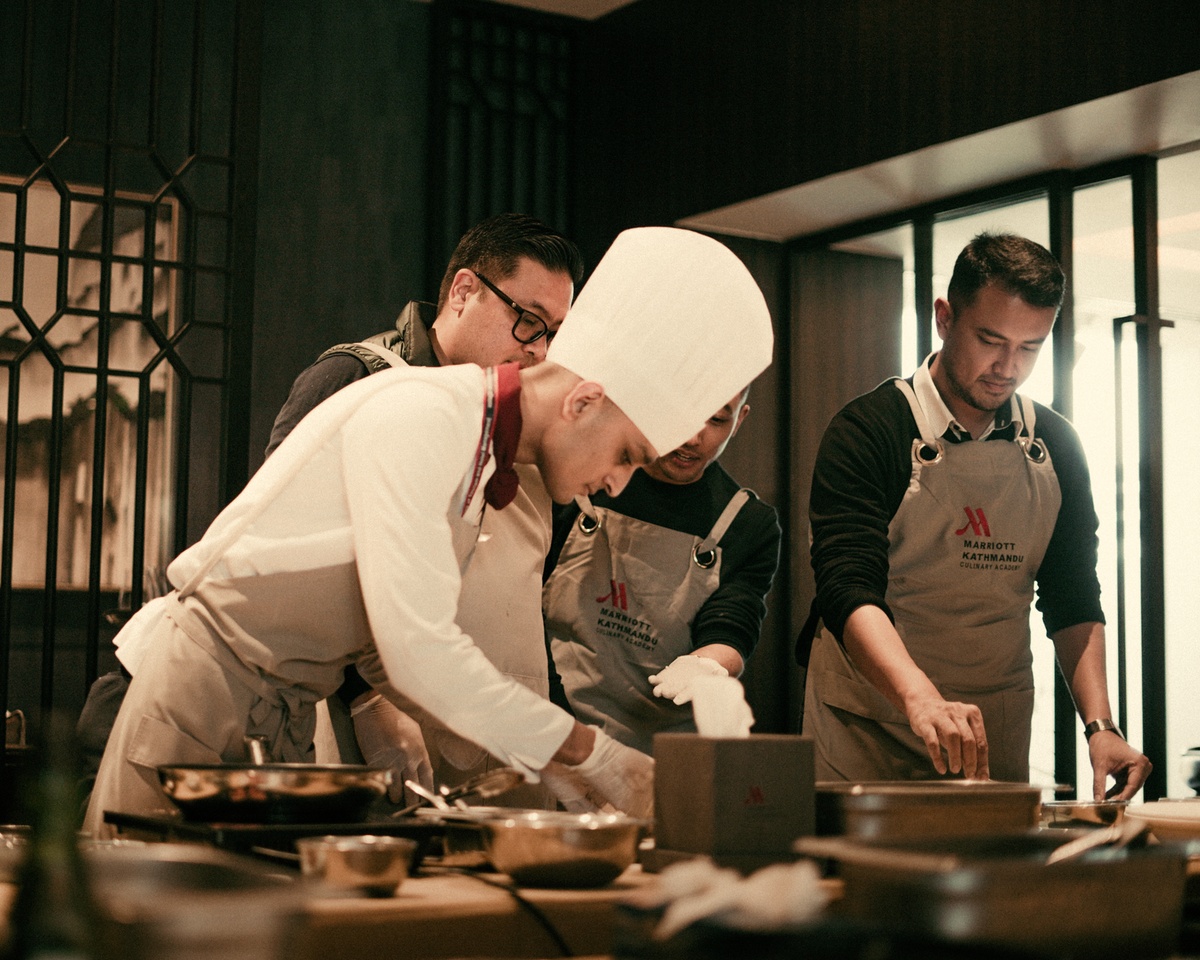
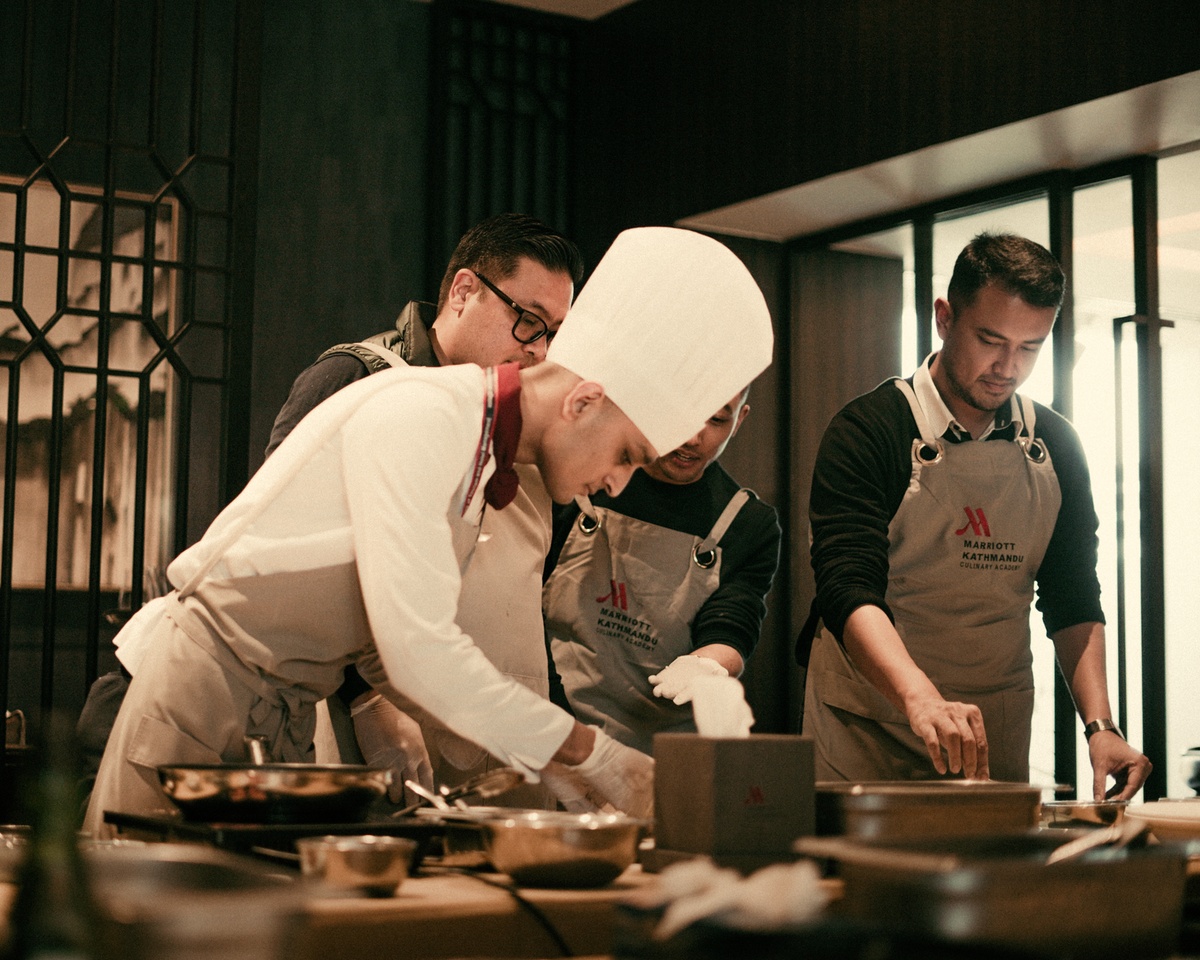
The Chicago-based carrier has quietly rolled out a new “Chef’s Table” concept in Polaris business class on select long-haul routes — think multi-course tasting menus, curated wine pairings, and pre-ordered signature dishes that feel closer to a Manhattan restaurant than a pressurized cabin at 35,000 feet.
Key Takeaways
- United’s new “Chef’s Table” dining is available in Polaris business class on select 8+ hour long-haul routes.
- Business class fares start around $3,200 one-way (Newark–Rome) or 80,000–155,000 MileagePlus miles.
- Pre-ordering signature entrées opens 5 days before departure via united.com or the United app.
- Compared to standard Polaris dining, Chef’s Table adds a multi-course, restaurant-style sequence and upgraded wine pairings.
What Is United’s ‘Chef’s Table’ in Business Class?
United’s Polaris business class has been solid for years: lie-flat seats, Saks Fifth Avenue bedding, and access to Polaris Lounges in hubs like Newark (EWR), Chicago O’Hare (ORD), and San Francisco (SFO).
But the new “Chef’s Table” concept shifts the focus squarely to dining. Instead of the usual “chicken or pasta?” trolley moment, you get:
- A structured multi-course service (amuse-bouche, starter, main, dessert)
- Expanded pre-order options with chef-designed signature dishes
- Premium wine pairings selected for specific routes
- Plated presentation served all at once, restaurant-style, on request
It’s currently being emphasized on long-haul international routes over 8 hours, including:
- Newark (EWR) – Rome (FCO) | 8h 30m
- San Francisco (SFO) – Tokyo Haneda (HND) | 11h 15m
- Chicago (ORD) – London Heathrow (LHR) | 7h 50m (select flights)
- Los Angeles (LAX) – Sydney (SYD) | 14h 45m
In summer 2026 — peak season for Mediterranean trips and Japan itineraries — these routes are packed with leisure travelers who are willing to pay for comfort. United clearly knows its audience.
How Much Does It Cost? Real Prices (Cash vs Miles)
Let’s talk numbers. “Chef’s Table” isn’t a separate add-on — it’s included in Polaris business class. So the real cost is the business fare.
For July 2026 searches (booked 2–3 months in advance), here’s what you’re looking at one-way:
| Route | Cash (One-Way) | Miles (Saver–High) | Flight Time |
|---|---|---|---|
| Newark–Rome | $3,200–$4,500 | 80,000–155,000 | 8h 30m |
| SFO–Tokyo | $3,800–$5,200 | 90,000–180,000 | 11h 15m |
| LAX–Sydney | $5,500–$7,800 | 110,000–220,000 | 14h 45m |
Taxes and fees on award tickets typically range from $5.60 (U.S. departures) to $50–$120 on international segments.
Compared to economy in summer — Newark to Rome at $950–$1,400 round-trip — you’re paying roughly 3–4x more for Polaris. But you’re also getting lie-flat comfort, lounge access (normally $59 per visit if purchased separately), two checked bags (up to 70 lbs each), and now, a significantly upgraded dining experience.
If you’re already splurging for a milestone trip — say a Mediterranean sailing like the one we covered in our Western Mediterranean cruise guide — pairing it with a proper business-class sendoff makes sense.
What’s Actually on the Menu?
This isn’t just better plating. United has leaned into regionally inspired menus tied to destination.
On Newark–Rome in June 2026, recent Polaris flyers reported options like:
- Burrata with heirloom tomatoes and aged balsamic
- Handmade-style pappardelle with short rib ragu
- Seared branzino with lemon-caper sauce
- Tiramisu with mascarpone cream
Wine pairings included Italian Barolo DOCG and a Sicilian Grillo white — a noticeable step up from generic “red or white.”
On SFO–Tokyo, menus have featured:
- Miso-marinated black cod
- Sesame soba noodle salad
- Matcha opera cake
- Japanese sake selection alongside California Chardonnay
Is it Michelin-star quality? No. But compared to standard Polaris meals from even two years ago, presentation and sequencing feel more intentional.
And here’s the key: you can pre-select your main course up to 5 days before departure via united.com or the United mobile app. Skip the last-minute onboard scramble and lock in what you actually want.
Chef’s Table vs Standard Business Class Dining (What’s Different?)
Most airlines serve business-class meals in courses. The difference here is in pacing, choice depth, and presentation flexibility.
| Feature | Standard Polaris (2024) | Chef’s Table (2026) |
|---|---|---|
| Pre-order window | Up to 5 days | Up to 5 days (expanded options) |
| Course structure | Sequential, cart-based | Restaurant-style, plated service option |
| Wine selection | 2–3 standard options | Route-specific curated pairings |
| Menu design | Rotational international | Destination-inspired tasting focus |
In practice, that means less “assembly line,” more “slow dinner in the sky.” On a 14-hour LAX–Sydney flight, that pacing matters.
Compare that to American Airlines Flagship Business or Delta One on similar routes: fares are comparable ($3,000–$6,000 one-way in summer), but neither currently markets a distinct tasting-menu-style concept tied to route identity in the same way.
Is It Worth Booking Just for the Food?
If you’re flying 8+ hours overnight, sleep still beats steak.
But on westbound daytime flights — like Rome to Newark (9h 45m) — the dining experience becomes part of the journey. You’re awake, you’re watching the map, maybe editing GoPro clips from Capri. Why not enjoy a proper meal?
For content creators, this is also where gear matters. If you’re documenting your trip, check our breakdown of the best compact gimbal cameras for summer travel. Cabin lighting is tricky — stabilization helps.
From a value perspective:
- If you’re redeeming 80,000–90,000 miles for an 8–11 hour flight, it’s a strong use of points.
- If you’re paying $5,500 cash for a 9-hour hop solely for better pasta, that’s harder to justify.
I’d position Chef’s Table as a bonus — not the reason — to book Polaris.
How to Book (and Maximize) the Experience
Step 1: Choose the Right Route
Prioritize flights over 8 hours. Anything under 7 hours often feels rushed.
Step 2: Book Early for Summer
June–August 2026 is peak for Europe and Japan. Saver award space (80,000–90,000 miles) often disappears 60–90 days out.
Step 3: Pre-Order Your Meal
Log into your reservation 5 days before departure. Don’t skip this. Popular dishes can run out onboard.
Step 4: Use the Polaris Lounge
Arrive 2–3 hours early at hubs like Newark or Chicago. Polaris Lounges offer seated dining with dishes like short rib sliders and made-to-order eggs in the morning — included in your ticket.
Comparison: Eat at the airport restaurant ($25–$40 per person) vs lounge dining (included). Easy decision.
Step 5: Adjust Your Sleep Strategy
On overnight eastbound flights to Europe, consider eating lightly, then sleeping. Save the indulgent multi-course mindset for daytime returns.
Summer 2026 Timing: Why Now Makes Sense
Transatlantic demand is strong this year, especially to Italy, Spain, and France. United has added seasonal capacity to Rome, Naples, and Barcelona.
Flights from the U.S. East Coast to Southern Europe average 8–9 hours. That’s long enough for a full dining sequence without feeling forced.
And if you’re continuing onward — say to a two-week rail journey in Japan like the one outlined in our 2026 Japan itinerary without the JR Pass — starting the trip rested and well-fed genuinely changes your first 48 hours.
The Verdict: A Smart Evolution, Not a Revolution
United’s Chef’s Table isn’t reinventing airline food. But it’s a noticeable refinement at a time when premium travelers expect more than just a flat bed.
If you’re already booking Polaris for comfort, the upgraded dining makes the experience feel cohesive — lounge to landing.
Would I book business class only for the tasting menu? No.
Would I choose United over a similarly priced competitor because of it on a long summer route to Rome or Tokyo? Yes — especially if the fare difference is under $300 or the mileage redemption is comparable.
If you’re planning a big summer trip in 2026, check award space early, pre-order your entrée, and treat the flight as part of the adventure — not just transportation.
And if you do snag a Chef’s Table seat to Rome, order the branzino.
Frequently Asked Questions
How much does United’s Chef’s Table cost?
There’s no separate fee — it’s included in Polaris business class. Expect to pay $3,200–$7,800 one-way in cash on long-haul routes, or 80,000–220,000 MileagePlus miles depending on demand.
On which routes is Chef’s Table available?
It’s focused on long-haul international flights over 8 hours, including routes like Newark–Rome (8h 30m), SFO–Tokyo (11h 15m), and LAX–Sydney (14h 45m). Availability can vary by aircraft and season.
Do you need to reserve the Chef’s Table experience in advance?
No separate reservation is required, but you should pre-select your main course up to 5 days before departure via united.com or the United app to guarantee your preferred dish.
Is United Polaris dining better than Delta One or American Flagship?
Fares are similar ($3,000–$6,000 one-way in summer), but United’s Chef’s Table adds more route-specific menus and curated wine pairings. Seat comfort and lounge access are comparable across all three.

About the Author: Tomáš Bzirský
Founder and editor of Distratech. Based in the Czech Republic, travelling regularly from Central Europe. Writes practical travel guides and travel-tech comparisons (eSIM, apps, airports) in six languages.