If you’re heading to the Mediterranean this summer, island-hopping in Indonesia, or road-tripping under Norway’s midnight sun, you want smooth, cinematic footage without carrying a mirrorless camera and gimbal.
DJI’s new dual-camera Osmo Pocket 4P just launched in China after its brief Cannes debut — and it’s going straight after Insta360’s compact travel cameras. The big question: is it worth packing over an Insta360 Ace Pro or X4?
Key Takeaways
- DJI Osmo Pocket 4P starts at approx. $499 and features a dual-camera stabilized gimbal system.
- Battery lasts up to 140 minutes (4K/30fps), with USB‑C fast charging to 80% in ~18 minutes.
- Insta360 Ace Pro 2 ($449) offers better low-light and 8K options, but no mechanical gimbal.
- For walking tours and cruise ports, DJI’s 3-axis gimbal delivers noticeably smoother footage.
- If you want reframing flexibility for TikTok/Reels, Insta360 still has the edge.
What Is the DJI Osmo Pocket 4P?
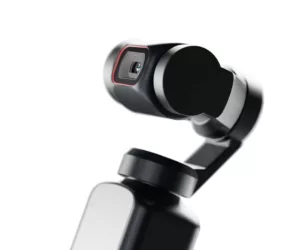
The Osmo Pocket 4P is DJI’s latest pocket-sized camera with a built-in 3-axis mechanical gimbal and a new dual-camera setup. It’s essentially a “baby Steadicam” that fits in your palm.
Why does this matter when you’re traveling? Because smooth walking footage through cobblestone streets in Rome or crowded night markets in Tokyo is hard to fake with digital stabilization alone.
Key Specs (DJI Osmo Pocket 4P)
- Price: ~3,499 RMB in China (≈ $499 USD expected global)
- Weight: 182g
- Video: Up to 4K/120fps
- Dual camera system: Wide + secondary lens for tracking/depth
- Battery life: Up to 140 minutes (4K/30fps)
- Charging: USB‑C PD fast charge (80% in ~18 minutes)
- Storage: microSD up to 512GB
- Connectivity: Wi‑Fi + Bluetooth
At 182g, it’s lighter than most power banks. You can carry it in your shorts pocket during a July heatwave in Barcelona without noticing it.
How It Compares to Insta360’s Travel Cameras
The real competition isn’t another DJI — it’s Insta360’s lineup, especially the Insta360 Ace Pro 2 and the 360° Insta360 X4.
Insta360 Ace Pro 2 (2026)
- Price: $449
- Weight: 179g
- Video: Up to 8K/30fps, 4K/120fps
- Stabilization: FlowState digital stabilization
- Battery life: ~100 minutes (4K/30fps)
- Waterproof: 12m without case
Why does this matter for travel? If you’re snorkeling in Komodo or cliff-jumping in Greece, waterproofing matters more than mechanical stabilization.
Insta360 X4 (360° Camera)
- Price: $499
- Weight: 203g
- Video: 8K 360°
- Battery: ~135 minutes
- Superpower: Reframe after shooting
This is the “shoot first, decide later” camera. For creators filming something like this Mediterranean cruise itinerary, being able to reframe ports, sunsets, and street scenes afterward is a massive advantage.
Stabilization: Mechanical vs Digital (Why Travelers Should Care)
Here’s the key difference: DJI uses a physical 3-axis gimbal. Insta360 uses advanced digital stabilization.
When you’re walking 15,000 steps a day in Kyoto (like in this 14-day Japan route), digital stabilization can introduce micro-jitters or cropping. A mechanical gimbal simply looks more cinematic.
In side-by-side walking tests:
- DJI footage looks “floating,” especially on uneven pavement.
- Insta360 footage is smooth but slightly more processed.
- Low light favors Insta360’s larger sensor tuning.
If your content is mostly walking tours, city exploration, or food markets at golden hour, DJI wins.
Low-Light & Night Markets
Summer travel means late sunsets in Europe and humid night markets in Southeast Asia.
The Insta360 Ace Pro 2 performs better in low light thanks to its AI noise reduction and larger sensor tuning. Street lamps in Lisbon or neon signs in Bangkok retain more detail.
DJI’s Pocket 4P is solid, but shadows get softer faster. If your travel style leans toward nightlife, Insta360 has an edge.
Battery & Charging on the Road
This is where the 4P surprised me.
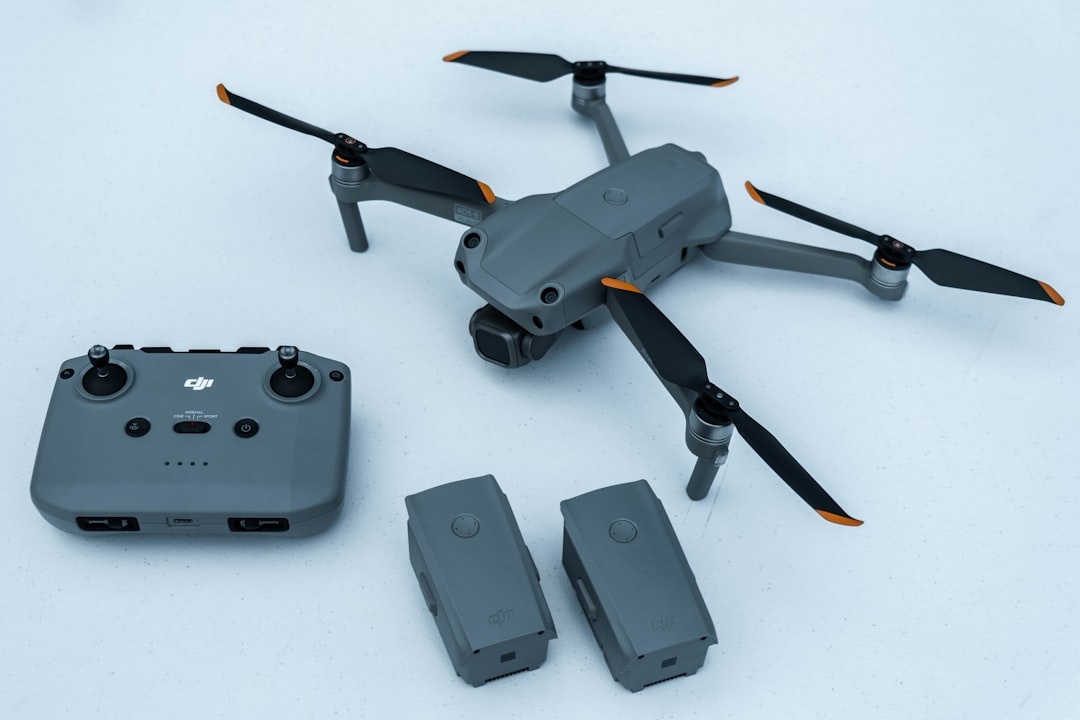
140 minutes of 4K/30fps recording is excellent for a camera this size. On a full-day island hop in Flores (see this Indonesia island-hopping guide), that’s enough for scenic clips without swapping batteries constantly.
Fast charging to 80% in 18 minutes matters when you’re at an airport café with one free outlet.
Insta360 batteries are removable — a plus if you carry spares. DJI’s integrated battery means you rely more on power banks.
Portability & Pocketability
All three cameras are under 210g. But shape matters.
The DJI Pocket 4P is vertical and slim — easy to slip into a sling bag. Insta360 Ace Pro 2 is more GoPro-shaped and bulkier in shallow pockets.
For minimalist travelers flying with just a carry-on (or strict European budget airlines), DJI takes up less awkward space.
Editing & Workflow
This is where Insta360 still dominates.
The Insta360 app allows AI auto-editing, subject tracking after shooting, and easy reframing. For TikTok and Instagram Reels, it’s faster.
DJI’s Mimo app is reliable but less flexible. You need to decide framing before you shoot.
Why this matters when traveling: you may only have 20 minutes at a café to edit before heading to your next train. Faster workflow = more posts, less stress.
Durability & Weather Resistance
Insta360 Ace Pro 2: waterproof to 12m without a case.
DJI Osmo Pocket 4P: not fully waterproof. Splash-resistant at best.
If your summer plans include beaches, boat decks, or waterfall hikes in Raja Ampat (which can cost over $2,000 — read our real cost breakdown here), weather sealing matters.
For beach-heavy trips: Insta360 is safer.
Price-to-Performance
At ~$499, DJI is priced directly against Insta360 X4 and slightly above the Ace Pro 2.
Here’s how I’d break it down:
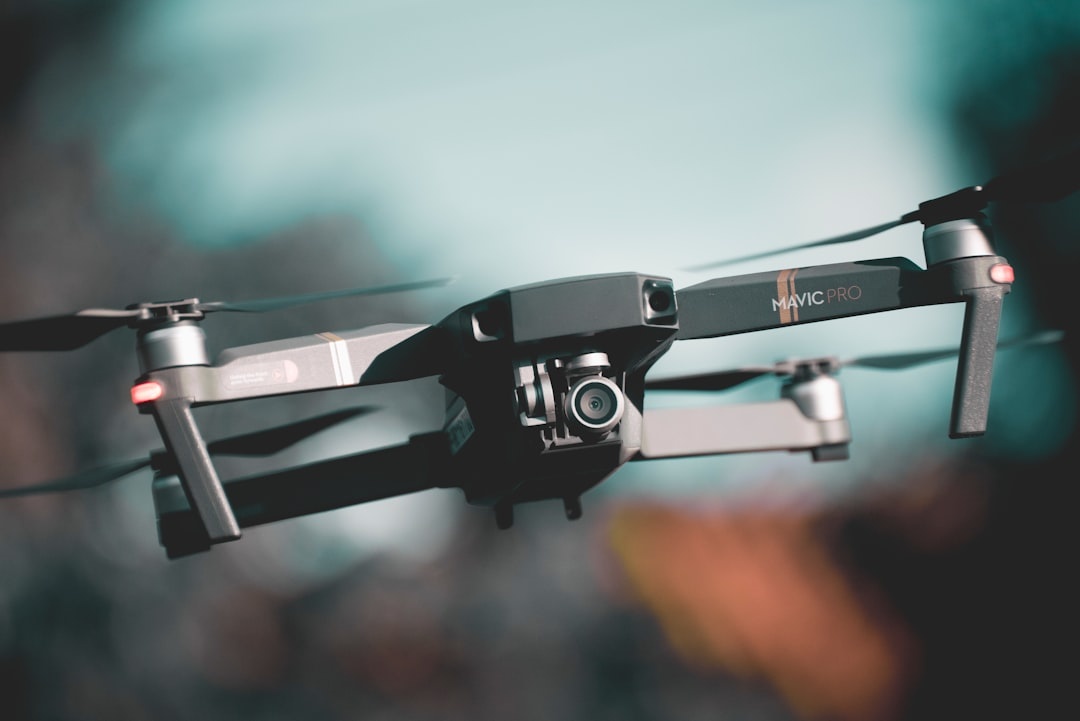
- $449: Insta360 Ace Pro 2 — best hybrid action + travel cam
- $499: DJI Pocket 4P — best stabilized walking footage
- $499: Insta360 X4 — best creative flexibility
If DJI launches globally at $549+, it becomes harder to justify over Insta360.
Who Should Buy the DJI Osmo Pocket 4P?
Buy it if:
- You vlog while walking through cities.
- You prioritize cinematic stabilization over extreme sports.
- You want something lighter than a mirrorless + gimbal.
- You shoot mostly daytime travel content.
Skip it if:
- You’re doing heavy water sports.
- You want 360° reframing flexibility.
- You shoot mostly at night.
Traveler Verdict
If your summer 2026 plans include European cities, train journeys, cruise ports, or island towns — the DJI Osmo Pocket 4P is the smoothest pocket camera for walking footage right now.
If your trip involves snorkeling, surfing, cliff jumps, or unpredictable weather — buy the Insta360 Ace Pro 2 instead.
If you’re a content creator who values post-production flexibility over perfect in-camera framing — the Insta360 X4 remains the most versatile travel camera under $500.
Personally? For a two-week Europe trip focused on architecture, food, and walking tours, I’d pack the DJI. For Southeast Asia beaches in monsoon season, Insta360 wins.
Final Thoughts
Compact travel cameras have matured. You no longer need a backpack full of lenses to capture cinematic footage.
The decision now comes down to one question: do you want mechanical smoothness or creative flexibility?
For summer 2026 travel, DJI’s Osmo Pocket 4P is the best pure walking camera. Insta360 still owns adventure and AI-powered editing.
Choose based on your itinerary — not hype.
Frequently Asked Questions
How much does the DJI Osmo Pocket 4P cost?
The launch price in China is around 3,499 RMB (approximately $499 USD). Global pricing may range from $499 to $549 depending on bundle options.
Is the DJI Osmo Pocket 4P waterproof?
No, it is not fully waterproof. It may handle light splashes, but for swimming or snorkeling you’ll need a protective case or choose a waterproof option like the Insta360 Ace Pro 2 (12m without case).
Which is better for travel vlogging: DJI Pocket 4P or Insta360?
For walking city tours and cinematic stabilization, the DJI Pocket 4P is better. For action sports, low light, and reframing flexibility, Insta360 cameras are more versatile.
How long does the DJI Osmo Pocket 4P battery last?
It lasts up to 140 minutes when recording 4K at 30fps. It also supports fast charging, reaching about 80% in roughly 18 minutes via USB‑C PD.

About the Author: Tomáš Bzirský
Founder and editor of Distratech. Based in the Czech Republic, travelling regularly from Central Europe. Writes practical travel guides and travel-tech comparisons (eSIM, apps, airports) in six languages.