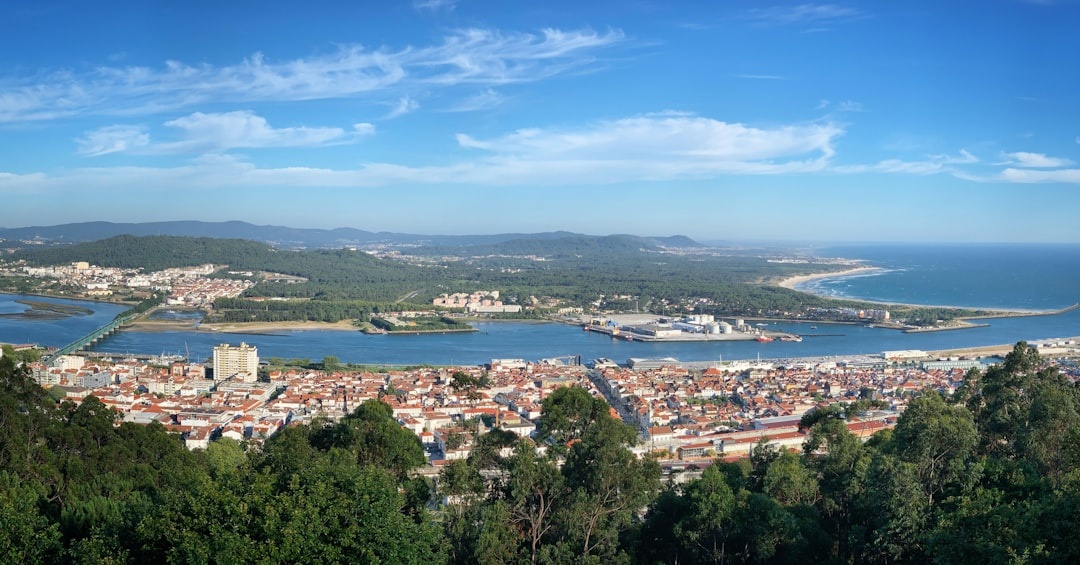
Every summer, thousands of travelers board a ship in Barcelona or Rome and trace the Mediterranean coast through Spain, France, and Italy — swapping train stations for sea views and hotel check-ins for a single floating base.
In 2026, Western Mediterranean cruises are selling out earlier than ever for June–August sailings, especially 7-night itineraries that call at Barcelona, Provence, Florence/Pisa, Rome, and Naples. Here’s what it’s really like onboard — and whether it’s worth the $1,200–$4,000 price tag.
Key Takeaways
- 7-night Western Mediterranean cruises start around $1,199 per person (inside cabin) in summer 2026; balcony cabins average $2,100–$2,800.
- Port days typically last 6–10 hours; Rome from Civitavecchia requires 1–1.5 hours each way by train.
- DIY port visits cost 40–60% less than ship excursions (e.g., €18 train to Florence vs $89+ guided transfer).
- Best months: late May and early September for fewer crowds and 20–28°C (68–82°F) weather.
- Compared to a land trip across Spain, France, and Italy, cruises can be 20–30% cheaper for couples in peak summer.
The Classic 7-Night Route (And Why It’s So Popular)
The most booked cruise itinerary in the world right now is the Western Mediterranean loop. Cruise lines like Royal Caribbean, MSC, Norwegian, and Celebrity operate near-identical routes because distances between ports are short and infrastructure is excellent.
Typical route:
- Barcelona, Spain (embark)
- Provence (Marseille), France
- Florence/Pisa (La Spezia), Italy
- Rome (Civitavecchia), Italy
- Naples (Capri/Pompeii), Italy
- 1 day at sea
- Return to Barcelona
Total sailing distance: roughly 1,500 nautical miles (2,780 km). You unpack once and wake up in a new country most mornings.
Why this route dominates: limited sea days, relatively calm waters, and access to bucket-list cities without changing hotels five times in one week.
2026 Pricing Snapshot (Per Person)
| Cabin Type | June 2026 Avg Price | What You Get |
|---|---|---|
| Inside | $1,199–$1,499 | No window, best value |
| Oceanview | $1,600–$1,900 | Window, natural light |
| Balcony | $2,100–$2,800 | Private outdoor space |
| Suite | $3,500–$5,000+ | Lounge access, priority boarding |
Add $200–$350 in taxes and port fees, plus gratuities of $16–$20 per person, per day. Specialty dining, alcohol, and Wi-Fi are extra.
Compared to planning Spain–France–Italy independently (multiple regional flights + hotels at $200–$350 per night in summer), cruises often come out 20–30% cheaper — especially for couples sharing a cabin.
Barcelona: The Perfect Cruise Launch Point
Most ships depart from Port de Barcelona, about 15–20 minutes by taxi from El Prat Airport (BCN).
Taxi: $30–$40, 20 minutes.
Aerobús (A1/A2) + taxi: €7.50 ($8) + ~$12, 35–45 minutes total.
Arrive at least one day early. Summer thunderstorms and European air traffic strikes are common — and cruise ships do not wait for delayed passengers.
In summer 2026, Sagrada Família tickets regularly sell out 3–5 days in advance. Book directly via sagradafamilia.org for €26 ($28). Opening hours in July and August typically run 9:00am–8:00pm.
Skip: overpriced Las Ramblas paella spots with laminated menus.
Do instead: Can Fisher (Barceloneta) — seafood rice €24–€32, genuinely excellent.
Hotel tip: Hotel Rec Barcelona (adults-only) averages $200–$240 per night in June. Beachfront properties along Barceloneta often run $350–$500 in peak season.
Marseille (Provence): The Most Underrated Stop
Ships dock at Marseille Provence Cruise Terminal, about 8 km (5 miles) from the Vieux-Port (Old Port).
Cruise shuttle: ~$18 round-trip.
Public bus (Line 35): €2 ($2.20), 40–50 minutes.
Taxi: €25–€35, 20 minutes.
If you only have 8 hours, stay in Marseille. Aix-en-Provence sounds romantic but takes 40–45 minutes each way by bus or car.
Walk around Vieux-Port, take the harbor ferry (€0.50) across the water, and ride or hike up to Notre-Dame de la Garde (free entry, typically 7:00am–6:00pm). From the basilica terrace, you’ll see the Mediterranean stretching toward Spain — and often your ship docked below.
Lunch: Chez Etienne for bouillabaisse (€58 per person). Yes, it’s expensive. Yes, it’s one of the most traditional versions in the city.
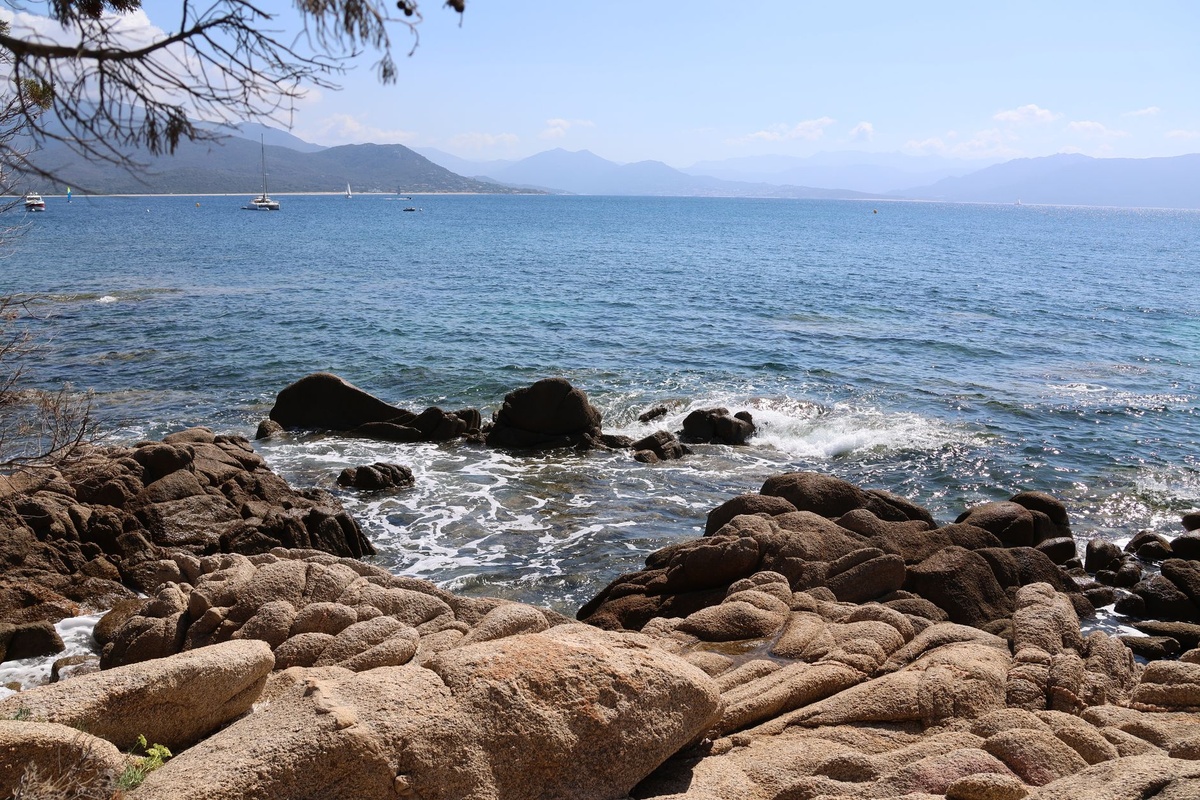
Compared to Nice or Monaco, Marseille feels grittier — but also more authentic and far less polished for cruise tourism.
La Spezia: Florence or Cinque Terre?
This is the hardest decision of the week.
La Spezia to Florence:
Regional train: €18–€25 round-trip, 1h30 each way (trenitalia.com).
Ship excursion: $89–$149.
Private taxi: $300+ (not recommended).
La Spezia to Cinque Terre:
Cinque Terre Train Card: €19.50 (unlimited regional trains between villages).
Travel time: 8–20 minutes between towns.
If it’s your first Italy trip, choose Florence. The Duomo, Ponte Vecchio, and Michelangelo’s David (€20 via galleriaaccademiafirenze.it) are Renaissance icons.
If you’ve already done Florence, Cinque Terre wins for scenery. Swim in Monterosso, walk the waterfront in Vernazza, and grab focaccia for €4–€6.
Time reality check: Florence leaves about 4–5 hours in the city after round-trip train travel. Cinque Terre offers shorter hops and more flexibility if trains run late.
Rome (Civitavecchia): The Longest Port Day
Civitavecchia sits 72 km (45 miles) northwest of Rome.
Regional train: €12–€16 round-trip, 1h–1h20 each way (trenitalia.com).
Ship transfer: $79–$109.
Private driver: $450+ per car.
The train is reliable and runs every 30–60 minutes. Build buffer time for return travel and aim to be back at the port at least 60 minutes before “all aboard.”
In summer 2026, the Colosseum requires timed entry (€18 via colosseo.it). Vatican Museums cost €20 and regularly sell out 1–2 weeks in advance at m.museivaticani.va.
You will not see all of Rome in 6 hours. Choose two anchors:
- Colosseum + Roman Forum
- Vatican Museums + St. Peter’s Basilica
- Trevi Fountain + Pantheon + Piazza Navona (self-guided walking loop)
Lunch tip: Armando al Pantheon — cacio e pepe around €15–€18. Avoid restaurants with aggressive hosts and photo-heavy menus.
Naples: Pompeii or Capri?
Naples is chaotic, loud, and unforgettable.
Pompeii:
Circumvesuviana train from Napoli Garibaldi: €5 each way, ~35 minutes.
Entry: €16 (pompeiisites.org).
Time needed: 2–3 hours minimum.
Capri:
Ferry from Molo Beverello: €25–€35 each way, ~50 minutes.
Blue Grotto: €18–€25.
Chairlift to Monte Solaro: €14 round-trip.
In peak July heat (often 30–34°C / 86–93°F), Pompeii’s exposed stone streets can feel brutal. Capri offers sea breezes, swimming coves, and cinematic cliffs.

If you love archaeology, Pompeii is extraordinary. If you want Mediterranean glamour and water access, choose Capri.
Before sailing, grab pizza at L’Antica Pizzeria da Michele — margherita €6–€7. Compared to Rome’s $15–$20 tourist pizzas, this is a bargain.
What Life Is Actually Like Onboard
Modern ships carry 2,500–6,000 passengers. Think floating resort rather than intimate yacht.
Expect:
- 3–20 restaurants (main dining room included in fare)
- Broadway-style shows and live music
- Pools and hot tubs (crowded on sea days)
- Wi-Fi packages: $20–$30 per day
Mediterranean ports generally have strong 4G/5G. An Airalo Europe eSIM (10GB for ~$37) is often faster and cheaper than ship Wi-Fi.
Drink packages: $70–$95 per day. Unless you’re drinking 5–6 cocktails daily at $10–$14 each, paying per drink is usually cheaper.
Is It Better Than Doing It Independently?
Here’s a simplified cost comparison for two people in June:
| Cruise (7 Nights) | Independent Trip | |
|---|---|---|
| Accommodation | Included | $1,750 (7 nights @ $250) |
| Transport Between Cities | Included | $400 (flights + trains) |
| Food | Mostly included | $800 |
| Total (approx.) | $3,200–$4,500 | $3,500–$4,800 |
Cruises win on convenience, predictable pricing, and minimal logistics. Independent travel wins on depth — more time in Florence, sunset aperitivo in Rome, and flexibility to change plans.
When to Go (Summer 2026 Reality Check)
Late May–June: 24–30°C (75–86°F), long daylight, moderate crowds.
July–August: Hottest and busiest; peak cruise traffic in Rome and Florence.
September: 22–28°C (72–82°F), warm sea, fewer families onboard.
For swimming in Capri or Barcelona, July and early September are ideal. For sightseeing-heavy days, late May or September is far more comfortable.
Pro Tips to Avoid Rookie Mistakes
- Fly in one day early; fly out the day after disembarkation.
- Pre-book Colosseum, Vatican, and Sagrada Família tickets 1–3 weeks ahead.
- Carry small euro bills (€5–€20) for taxis and cafés.
- Return to the ship 60 minutes before “all aboard.”
- Download Google Maps offline and store train tickets on your phone.
Most importantly: don’t try to see everything. This cruise is a sampler platter, not a semester abroad.
So, Is This Cruise Worth It?
If you want to experience Spain, France, and Italy in one week — without repacking or navigating three rail systems — it’s hard to beat.
You’ll stand inside the Colosseum, eat bouillabaisse in Marseille, swim beneath Capri’s cliffs, and fall asleep to open sea — all in seven days.
For summer 2026, balcony cabins are booking fastest. Compare at least two cruise lines, check cancellation policies, and always price-check excursions against local transport.
The Mediterranean is at its best from the water — and this route proves why it remains the most popular cruise on earth.
Frequently Asked Questions
How much does a Spain–France–Italy Mediterranean cruise cost?
In summer 2026, expect $1,199–$1,499 per person for an inside cabin and $2,100–$2,800 for a balcony on a 7-night sailing, plus $200–$350 in taxes and daily gratuities.
Is it better to book cruise excursions or explore on your own?
Exploring independently is usually 40–60% cheaper (for example, €18 train to Florence vs $99 excursion). However, ship tours guarantee return transport if delays occur.
What is the best month for a Western Mediterranean cruise?
Late May and September offer the best mix of 20–28°C weather, manageable crowds, and slightly lower fares compared to peak July–August sailings.
How much time do you get in Rome on a cruise stop?
After 1–1.5 hours each way from Civitavecchia, most travelers have about 5–6 hours in central Rome before needing to return to the port.

About the Author: Tomáš Bzirský
Founder and editor of Distratech. Based in the Czech Republic, travelling regularly from Central Europe. Writes practical travel guides and travel-tech comparisons (eSIM, apps, airports) in six languages.