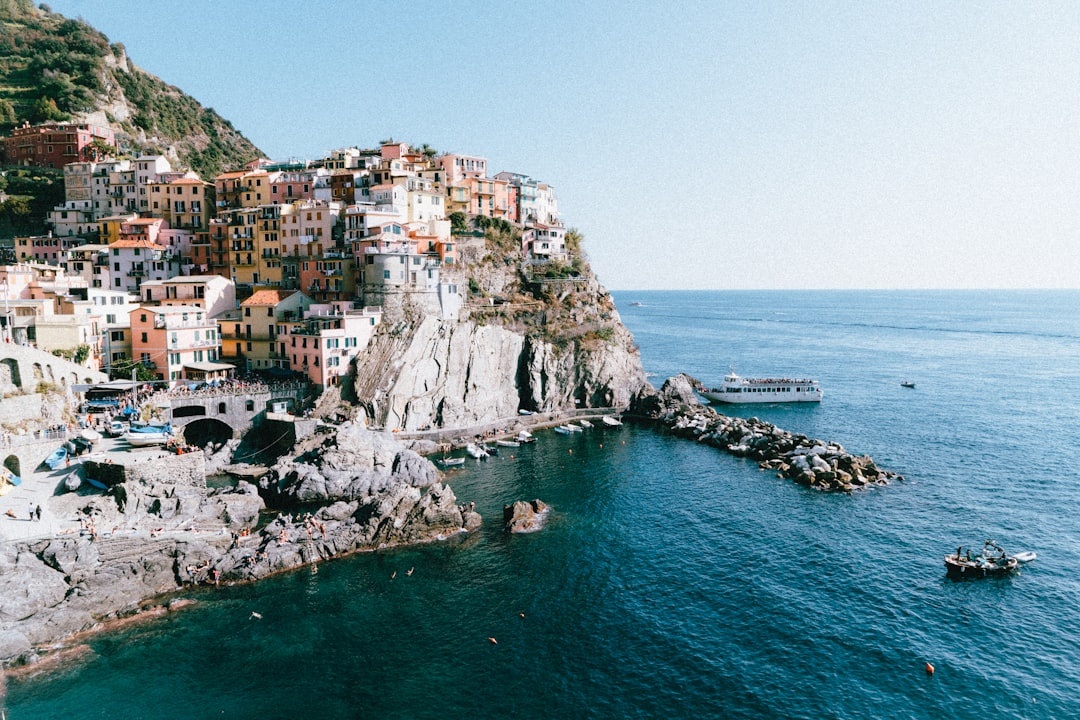
Europe in summer is magical — but it’s also sweaty metros in Rome, windy ferry rides in the Greek islands, surprise rain in Amsterdam, and cobblestones everywhere. What you pack can make or break your trip.
June through August 2026 is shaping up to be hot across southern Europe (Barcelona and Rome are already forecasted to hit 86–95°F / 30–35°C in July), while northern cities like Copenhagen and Stockholm hover around a pleasant 68–75°F (20–24°C). Dressing right isn’t about fashion — it’s about strategy.
Key Takeaways
- Southern Europe in July averages 86–95°F (30–35°C) — prioritize breathable linen and moisture-wicking fabrics.
- Church dress codes in Italy and Spain require covered shoulders and knees — pack a light scarf or midi skirt.
- Cobblestones demand real walking shoes; budget $100–$160 for supportive sneakers.
- Budget airlines charge €25–€60 for cabin bags — a smart carry-on strategy saves money.
- Alpine regions can drop to 32–45°F (0–7°C) even in July — layering is essential.
Below, we break down exactly what to wear for four common types of European summer trips — with real prices, realistic weather, and practical packing advice.
1. Mediterranean City-Hopping (Rome, Barcelona, Athens)
This is the “15,000 steps a day, espresso at 4 p.m., gelato at 10 p.m.” kind of trip. It’s hot, crowded, and heavily paved.
What the Weather Is Actually Like
Rome in July averages a high of 91°F (33°C). Athens climbs to 93°F (34°C). Barcelona is slightly milder at 84°F (29°C), but humidity can push it higher. UV levels regularly hit 8–10, meaning direct sun exposure feels intense — especially around the Colosseum, Sagrada Família, or Acropolis where shade is limited.
You’ll likely walk 5–8 miles (8–13 km) per day. Surfaces are uneven, especially in Trastevere (Rome) and the Gothic Quarter (Barcelona).
What to Wear
- Linen or lightweight cotton tops ($25–$80). Uniqlo AIRism tees ($19.90) are budget-friendly and breathable.
- Loose midi dresses or wide-leg trousers — better airflow than skinny jeans.
- Supportive walking shoes — Veja Campo ($150) or HOKA Clifton ($145).
- Light scarf or shawl for church visits — €5–€10 from vendors near the Vatican, though better quality runs $25–$40 at home.
- Structured crossbody bag with zipper — especially near Las Ramblas or Termini Station.
What to Skip
Skip heavy denim. Jeans in 90°F heat feel like punishment.
Avoid flimsy flat sandals. Cobblestones can crack thin soles in days — and blisters will slow you down.
Practical Comparison: Shoes Matter
| Option | Cost | Comfort After 15,000 Steps | Worth It? |
|---|---|---|---|
| Fast-fashion sandals | $35 | Low (blisters likely) | No |
| Support sneakers (HOKA/Veja) | $140–$160 | High | Yes |
Spending an extra $100 on proper shoes beats limping through the Vatican Museums (2–3 hours minimum; €20 entry via museivaticani.va).
2. Greek Islands & Mediterranean Beaches (Mykonos, Amalfi, Mallorca)
This is your salty-hair, sunset-dinner, ferry-hopping summer. The aesthetic is effortless — but logistics matter.
Current Summer Reality (2026)
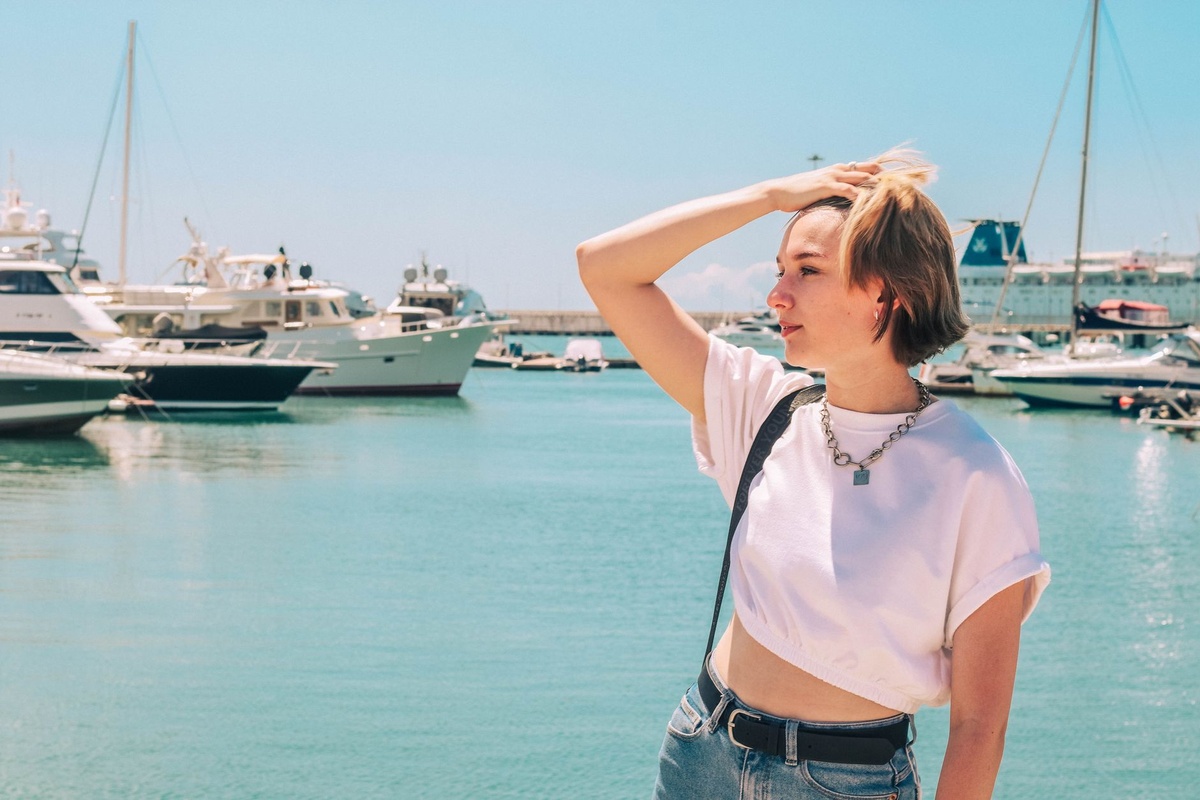
Greek islands like Mykonos and Paros are famously windy (the Meltemi winds peak in July). Evenings drop to 68–72°F (20–22°C), and ferry decks are breezy.
High-speed ferries from Athens (Piraeus) to Mykonos take 2.5–3 hours and cost €38–€70 via Ferryhopper.com. You’ll want layers onboard.
What to Wear
- Two quality swimsuits ($60–$150 each) — beach clubs charge €30–€150 for loungers in peak season.
- Linen button-down shirt — doubles as cover-up and dinner layer.
- Tailored shorts or flowy skirt for town evenings.
- Leather sandals with arch support — Ancient Greek Sandals ($180) last for years.
- Lightweight sweater or denim jacket for ferry rides.
Skip This
Skip sky-high heels in Santorini. Marble walkways in Oia are slippery, especially at sunset.
Also skip giant suitcases. Many boutique hotels involve narrow staircases and no elevators. A 40L carry-on (22 x 14 x 9 inches) is far easier.
Style vs Practicality: Beach Club Math
Nammos Mykonos: sunbeds from €150+ per person in July.
Local beach in Naxos: free access; €3–€5 bus ride.
The dress code? Elevated but relaxed. Europeans rarely wear athletic tank tops or plastic flip-flops to dinner. Think polished minimalism.
If you’re arriving via a premium long-haul flight, you might appreciate arriving rested — especially after reading about United’s upgraded “Chef’s Table” business class dining.
3. Northern Europe & Scandinavian Summer (Copenhagen, Stockholm, Amsterdam)
This is a different energy: cooler air, bike culture, minimalist fashion.
Weather Snapshot
Copenhagen in July averages 72°F (22°C) by day, 57°F (14°C) at night. Amsterdam sees regular summer rain showers. Stockholm enjoys up to 18 hours of daylight near the solstice.
Temperatures swing quickly — you’ll want adaptable layers.
What to Wear
- Lightweight trench or rain shell ($120–$250).
- Neutral layers — black, navy, beige.
- Straight-leg jeans or tailored trousers.
- White leather sneakers (Adidas Sambas $100 remain popular in 2026).
- Compact umbrella ($15–$30).
Bike-Friendly Tip
Copenhagen is best explored by bike. Rentals cost about 150 DKK ($22) per day via Donkey Republic. Choose cropped pants or structured midi skirts to avoid wardrobe mishaps.
Rain Strategy Comparison
| Option | Cost | Convenience |
|---|---|---|
| Buy umbrella in Amsterdam | €10–€15 | Cheap but low durability |
| Pack Patagonia Torrentshell | $140 | Windproof, reusable |
Invest once if you plan multiple trips — especially if pairing this leg with a Mediterranean sailing itinerary like our Western Mediterranean cruise guide.
4. Alpine & Outdoor Adventures (Swiss Alps, Dolomites, Austrian Lakes)
Yes, it’s summer. No, it’s not always warm.
Temperature Reality
Interlaken in July averages 75°F (24°C). But Jungfraujoch (11,332 ft / 3,454 m) ranges from 32–45°F (0–7°C) year-round.
A return ticket from Interlaken to Jungfraujoch costs CHF 214 (about $240) via jungfrau.ch. If you’re spending that much, dress properly.
What to Wear
- Moisture-wicking base layer ($40–$80).
- Light fleece or insulated jacket ($100–$200).
- Trail runners or hiking shoes ($120–$180).
- UV-protection sunglasses.
- 20–25L daypack for water and layers.
Skip This
Skip fashion sneakers on real hikes like Seceda (Dolomites). Cable car access costs about €35 round-trip, but trails are steep and rocky.
Avoid cotton-only outfits — once wet from sweat or rain, they dry slowly.
Layering vs Bulky Jacket
| Strategy | Weight | Flexibility | Best For |
|---|---|---|---|
| One heavy jacket | High | Low | Cold-only days |
| Layer system (base + fleece + shell) | Medium | High | Changing mountain weather |
Layering wins in the Alps — every time.
Tech-Smart Packing (Avoid Airline Fees)
Summer 2026 round-trip flights from the U.S. to Europe average $650–$900. But intra-Europe budget flights can add surprise costs.
Ryanair cabin bag: €25–€60. EasyJet large cabin bag: from €7.99 if prepaid, up to €48 at the airport.
A carry-on-only strategy saves both money and time.
- Choose a 40L carry-on backpack (Osprey Fairview $185).
- Pack 2–3 neutral bottoms max.
- Limit shoes to two pairs.
- Use compression cubes ($25–$40).
Content creators: a DJI Osmo Pocket weighs 116g and fits in your palm — far easier than hauling a DSLR through 95°F heat.
Final Thoughts: Dress Like You Belong There
Europeans generally dress slightly more polished than American tourists — even casually. Think breathable fabrics, clean sneakers, tailored silhouettes.
Comfort matters, but blending in makes your trip smoother — from restaurants in Milan to rooftop bars in Barcelona.
Pack lighter than you think. Prioritize shoes. Check the 10-day forecast before departure via MeteoBlue or local weather services.
Then focus on what actually matters: long dinners, late sunsets, and not thinking about your feet.
Frequently Asked Questions
What should I wear in Europe in July?
Southern Europe averages 86–95°F (30–35°C), so pack linen, breathable cotton, and supportive sneakers. Northern Europe may dip to 55–60°F (13–16°C) at night — bring a light jacket.
Can I wear shorts in European cities?
Yes, especially in beach areas. However, churches in Italy and Spain require covered shoulders and knees. Carry a scarf or choose midi-length options.
Do I need hiking gear for the Swiss Alps in summer?
If visiting higher elevations like Jungfraujoch or hiking trails in the Dolomites, yes. Temperatures can drop near freezing, even in July.
How do I avoid baggage fees on European airlines?
Travel with a 40L carry-on, pack versatile neutrals, and limit shoes. Ryanair and EasyJet fees can exceed €50 if not prepaid.

About the Author: Tomáš Bzirský
Founder and editor of Distratech. Based in the Czech Republic, travelling regularly from Central Europe. Writes practical travel guides and travel-tech comparisons (eSIM, apps, airports) in six languages.