'/%3E%3Cpath%20fill='%23b2b2b2'%20d='M241%20382q0%2016%2017%2026%2017%2011%2042%2011t42-11q16-11%2017-26V269H241'/%3E%3Cpath%20fill='%239f7e00'%20d='M241%20379q0%2014%208%2023%209%209%2021%209%2014%200%2021-9%209-9%209-23V269h-59'/%3E%3Cpath%20d='M241%20339v-70h59v110q0%2014-9%2023l-6%205v-68h-15v72q-8%200-14-4v-68zm59%2040c0%2022%2015%2032%2029%2032%2021%200%2030-18%2030-32v-40h-59'/%3E%3Cpath%20fill='%239f7e00'%20d='M266%20277v5h2v12h-3v-5h2v-5h-9v5h2v5h-4v9h3v18h-5v10h34v-10h-5v-18h3v-9h-4v-5h2v-5h-9v5h2v5h-3v-12h2v-5zm42%20101q0%2010%206%2017%206%206%2015%207%2010-1%2016-7%206-7%206-17v-29h-43'/%3E%3Ccircle%20fill='%230044ad'%20cx='329.5'%20cy='372'%20r='6'/%3E%3Cellipse%20fill='%230044ad'%20cx='300'%20cy='340'%20rx='16'%20ry='21'/%3E%3C/svg%3E)
'/%3E%3C/svg%3E)


'/%3E%3C/g%3E%3Cuse%20href='%23c'%20transform='matrix(-1%200%200%201%20720%200)'/%3E%3C/svg%3E)


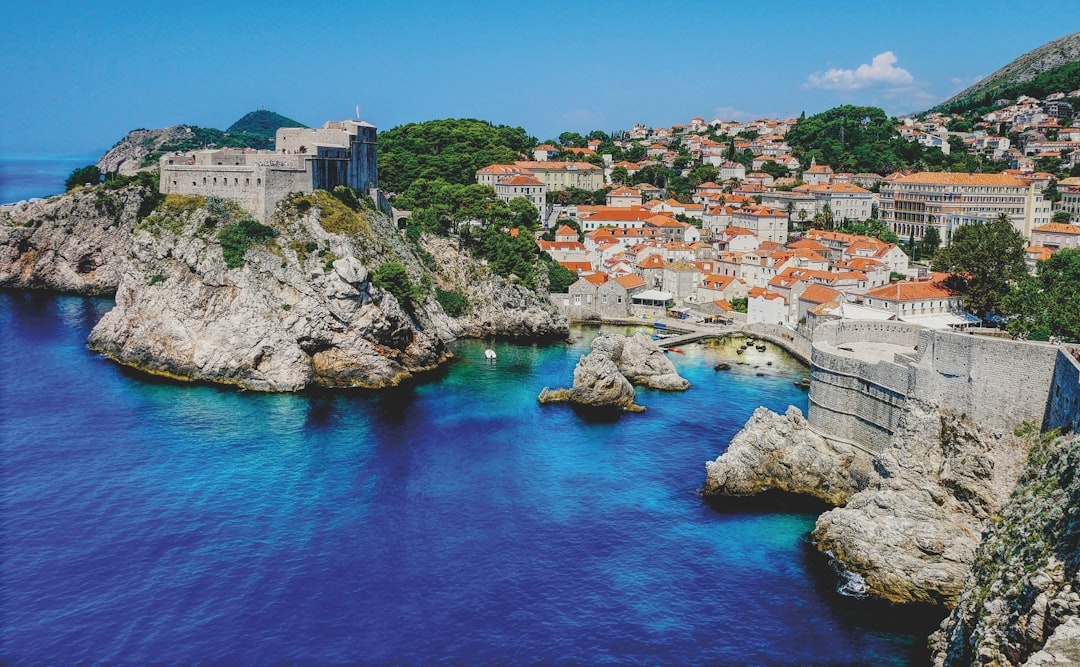
Scroll Instagram this summer and you’d think everyone is in Hvar, Dubrovnik, or sailing past Croatia’s Pakleni Islands with a €12 Aperol in hand.
But in 2026, after years of euro adoption and tourism surges, many travelers are asking the same question: Is Croatia still worth the money — or are Crete, Malta, and Albania better value?
I compared real June–August 2026 prices across accommodation, food, transport, beach clubs, and activities to see where your money actually goes.
Key Takeaways
- Dubrovnik summer hotels average €220–€350/night vs €140–€220 in Crete and €60–€120 in Albania.
- Island boat tours cost €70–€110 in Croatia, €45–€70 in Crete, and €25–€40 in Albania.
- Restaurant dinners for two: €70–€90 in Croatia vs €45–€65 in Malta and €25–€40 in Albania.
- Albania is the cheapest overall, but Croatia still delivers the best infrastructure and island-hopping logistics.
Accommodation: The Biggest Price Gap
Summer 2026 pricing tells the story fast.
| Destination (Prime Area) | Mid-Range Hotel (July) | Budget Guesthouse | Luxury 5★ |
|---|---|---|---|
| Dubrovnik Old Town | €260/night | €140/night | €650+ |
| Hvar Town | €280/night | €150/night | €700+ |
| Chania (Crete) | €180/night | €90/night | €480+ |
| Valletta (Malta) | €200/night | €110/night | €500+ |
| Ksamil (Albania) | €95/night | €60/night | €220+ |
Croatia is clearly the most expensive, especially on the islands.
In Hvar, even basic studio apartments on Booking.com are rarely under €130 in July. Meanwhile in Ksamil, Albania, you can book a modern guesthouse with balcony for €70 — walking distance to turquoise water.
Crete sits comfortably in the middle. In Chania’s Old Town, I found boutique hotels like Casa Delfino at €210/night in early July — stylish, central, but still €50–€70 cheaper than similar spots in Dubrovnik.
If accommodation is your biggest expense, Croatia will feel overpriced compared to Albania — and slightly overpriced compared to Crete.
Food & Drink: Where Croatia Starts to Sting
Croatia’s euro pricing has crept up fast since 2023.
In Dubrovnik Old Town (try Proto, open 12:00–22:30), grilled sea bass is €32. Add two glasses of wine (€7 each) and you’re at €50 per person without trying.
In Hvar, beach bars charge €18–€22 for a cocktail. Yes, really.
Now compare that.
- Chania, Crete: Sea bream at Tamam costs €19; house wine €5; dinner for two ≈ €55.
- Valletta, Malta: Lampuki (local fish) at Rubino €24; cocktail €14; dinner for two ≈ €65.
- Ksamil, Albania: Grilled seafood platter €18; beer €3; dinner for two ≈ €30.
Albania is shockingly affordable. If you want a deeper Adriatic comparison, I broke down prices in detail in this guide to Albania vs Montenegro in 2026 — and Albania consistently wins on food costs.
Croatia’s quality is excellent, but you’re paying Western European prices. Crete offers the best balance of quality-to-cost. Albania wins for pure budget.
Beaches & Boat Tours: The Summer Experience Test
Summer 2026 is hot — expect 28–34°C (82–93°F) across all four destinations in July and August. Beach time is non-negotiable.
Croatia
Pakleni Islands boat tour from Hvar: €90–€110 (8 hours, fuel included). Blue Cave tour from Split: €85–€100.
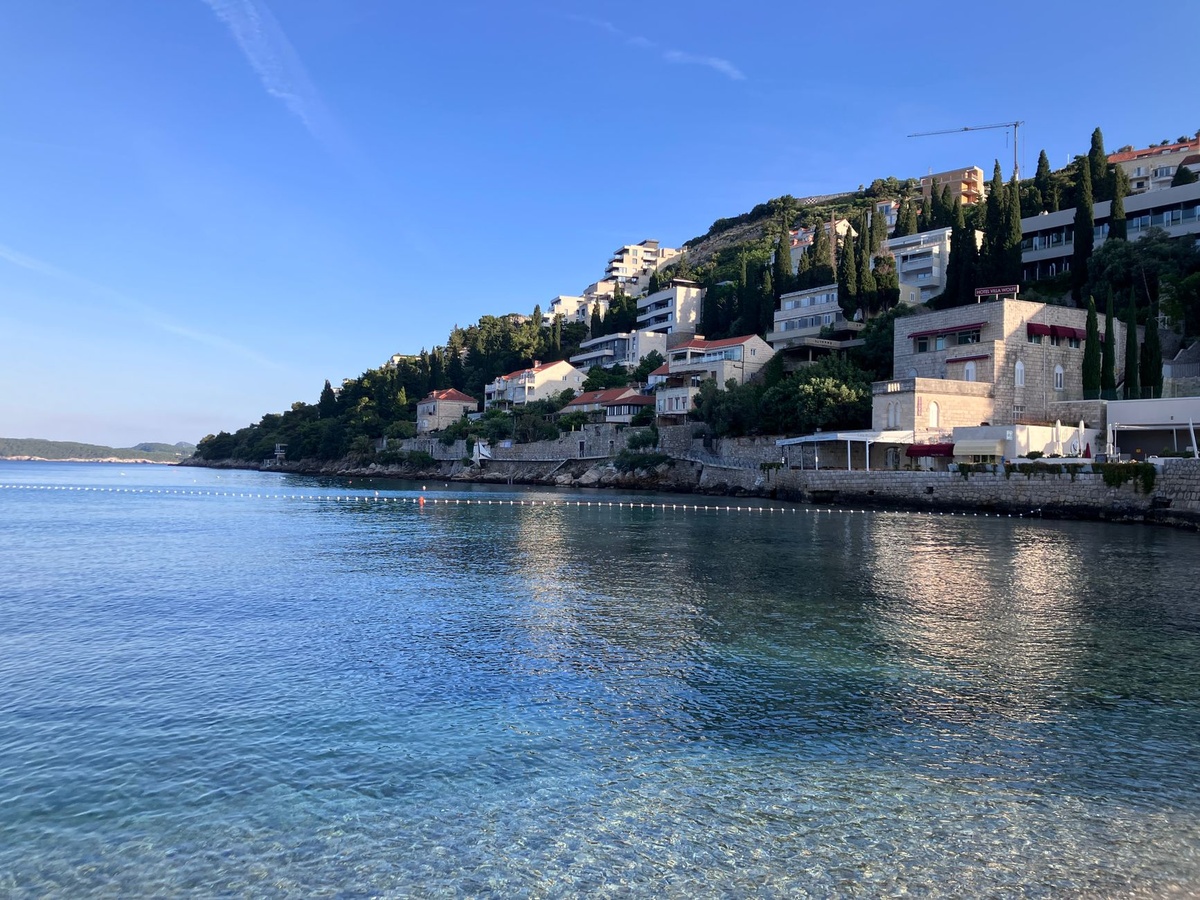
Sunbed at Banje Beach, Dubrovnik: €40 per pair per day.
Crete
Balos Lagoon boat from Kissamos: €45–€60 (5–6 hours).
Sunbeds at Elafonissi Beach: €15–€20 per pair.
Malta
Blue Lagoon (Comino) speedboat: €35–€50 round trip.
Sunbeds: €20–€30 per pair.
Albania
Ksamil island paddle boat rental: €20/hour.
Sunbeds: €10–€15 per pair.
This is where Croatia feels most “premium-priced.” You’re often paying nearly double Crete’s rates for similar turquoise-water experiences.
That said, Croatia’s island infrastructure is smoother. Ferries via Jadrolinija run reliably, online booking works well, and ports are organized. Albania is improving, but transport coordination can be chaotic in peak August.
Transport & Getting Around
Airport transfers reveal another pricing gap.
| Route | Bus | Taxi/Uber | Travel Time |
|---|---|---|---|
| Dubrovnik Airport → Old Town (20 km) | €10 | €35–€45 | 30–40 min |
| Chania Airport → Old Town (14 km) | €2.50 | €25 | 25 min |
| Malta Airport → Valletta (8 km) | €2 | €18–€22 | 20 min |
| Tirana Airport → Ksamil (260 km) | €15–€20 (bus) | €180 taxi | 4–5 hrs |
Croatia isn’t outrageous on transport — but it’s rarely cheap.
Albania wins on bus pricing but loses on travel time. That 4–5 hour ride to Ksamil after landing is real. Crete and Malta are compact and efficient.
So… Is Croatia Overpriced?
Here’s the honest answer: Croatia is expensive — but not a rip-off.
You’re paying for:
- Polished tourism infrastructure
- Clean historic centers (Dubrovnik still looks cinematic at 7am)
- Reliable ferries and organized marinas
- Safe, easy travel logistics
But if your goal is maximum beach time per euro, Albania crushes it. If you want Greek food, big sandy beaches, and better hotel value, Crete is arguably the sweet spot for summer 2026.
Malta sits close to Croatia in pricing but feels more compact — great for a 4-day trip, less compelling for a full 10-day beach holiday unless you dive.
Who Should Choose What in Summer 2026?
Choose Croatia if:
You want iconic scenery, island-hopping between Split, Brač, Hvar, and Korčula, and don’t mind €5 coffees on the Riva.
Choose Crete if:
You want better food value, dramatic beaches like Balos and Falassarna, and hotel prices 20–30% lower than Croatia.
Choose Malta if:
You’re into history, compact distances, English-speaking ease — and you’re okay paying near-Croatia prices.
Choose Albania if:
You want the cheapest turquoise water in Europe and can tolerate rougher infrastructure.
Money-Saving Tips for Croatia (If You Still Want to Go)
- Sleep outside Old Towns. Stay in Lapad (Dubrovnik) and bus in for €2 instead of paying €120 extra per night.
- Book ferries early on Jadrolinija — last-minute July tickets sell out.
- Eat inland. Walk 3–4 streets off the main square and prices drop 20%.
- Visit in late June or early September. Sea is warm, prices drop 15–25%, and cruise crowds shrink.
If you’re traveling July–August 2026, book accommodation at least 8–10 weeks ahead. Croatia’s capacity hasn’t expanded much, but demand has.
Final Verdict: Is Croatia Overpriced in 2026?
Compared directly: yes, Croatia is the most expensive of the four.
But “overpriced” depends on expectations. If you expect Albania-level pricing, you’ll feel shocked. If you compare it to the Amalfi Coast (where hotels hit €450–€700/night), Croatia suddenly feels reasonable.
For pure value in summer 2026, my ranking is:
1. Crete (best balance of price + quality)
2. Albania (cheapest overall)
3. Croatia (premium but polished)
4. Malta (similar cost to Croatia, less beach diversity)
If Croatia is on your list, go — just budget realistically: €180–€250 per day per person in peak season for a comfortable trip.
Want more Adriatic comparisons? Start with our detailed breakdown of Albania vs Montenegro for a 7-day summer trip and see how the region stacks up.
Frequently Asked Questions
Is Croatia more expensive than Greece in 2026?
In popular areas, yes. Dubrovnik and Hvar hotels average €250–€300 per night in summer, while Crete’s Chania averages €170–€200 for similar quality.
How much should I budget per day for Croatia?
Plan €180–€250 per person per day in peak summer, including mid-range accommodation, meals, local transport, and one activity.
Is Albania much cheaper than Croatia?
Yes. Hotels can cost 50–70% less, and restaurant meals are often under €15 per person, compared to €30–€40 in Croatia.
When is Croatia cheapest to visit?
Late May, early June, and September offer 15–30% lower hotel rates, warm sea temperatures (~22°C), and fewer cruise crowds.

About the Author: Tomáš Bzirský
Founder and editor of Distratech. Based in the Czech Republic, travelling regularly from Central Europe. Writes practical travel guides and travel-tech comparisons (eSIM, apps, airports) in six languages.