I’ve done Europe by $19 advance tickets and I’ve done it with a Eurail Global Pass loaded in my Apple Wallet. In summer 2026, with packed trains to the Amalfi Coast and Scandinavia running near capacity for midnight sun season, the difference isn’t just convenience — it’s real money.
Here’s the honest answer: a Eurail Global Pass sometimes saves you hundreds. Most of the time? It doesn’t. Let’s break it down with real routes, real prices, and five actual itineraries.
Key Takeaways
- A 7-days-in-1-month Eurail Global Pass (2nd class) costs €335 (~$365) in summer 2026.
- High-speed trains in France, Italy, and Spain require €10–€35 seat reservations on top of your pass.
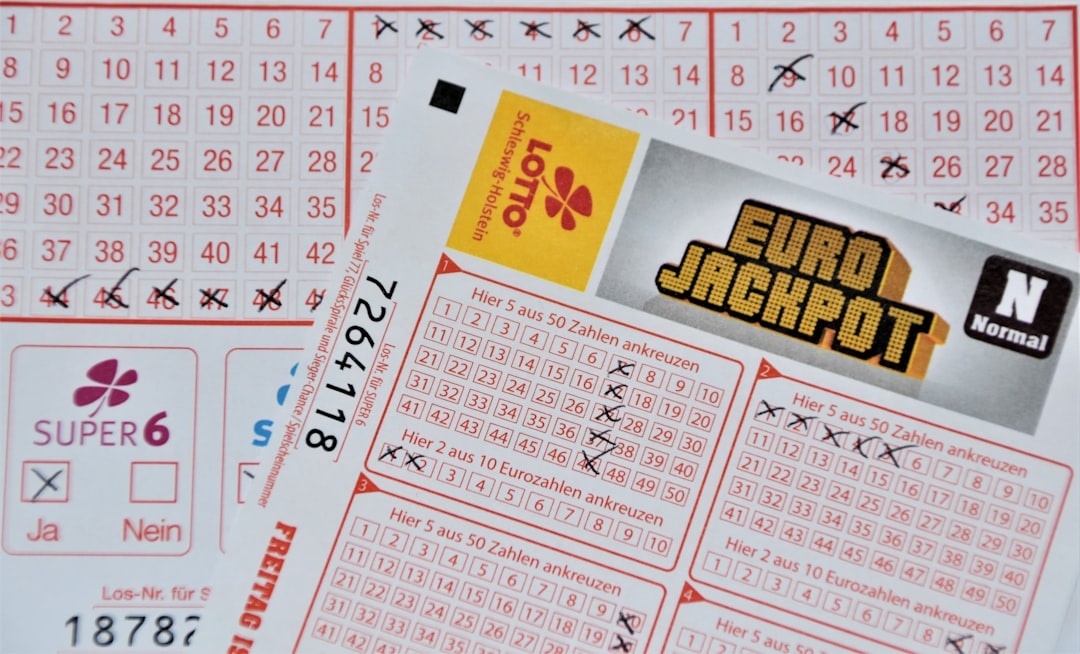
- Point-to-point tickets can be as low as €19 if booked 2–3 months early, but €80–€150 last-minute.
- Eurail usually pays off for spontaneous, multi-country trips with 5+ long-distance rides.
- For one-country trips (Italy or Spain only), individual tickets are often 20–40% cheaper.
How Much Does Eurail Cost in Summer 2026?
Current prices on eurail.com (June 2026):
- 7 travel days in 1 month: €335 ($365)
- 10 travel days in 2 months: €401 ($435)
- 15 consecutive days: €476 ($515)
Seat reservations are extra on many high-speed routes:
- France TGV: €10–€20
- Italy Frecciarossa: €13
- Spain AVE: €10
- Eurostar (Paris–London): €30–€35
So your “€335 pass” can easily become €385–€420 with reservations.
Now let’s compare that to buying tickets individually via Trainline, SNCF, Trenitalia, Renfe, or Deutsche Bahn.
Itinerary #1: Classic Italy (Rome–Florence–Venice–Milan)
Route distance: ~570 km total
Travel time: 1h30–2h per leg
Point-to-Point (Booked 8 Weeks Early)
| Route | Time | Advance Price | Last-Minute |
|---|---|---|---|
| Rome–Florence | 1h32 | €19 | €49 |
| Florence–Venice | 2h05 | €25 | €59 |
| Venice–Milan | 2h20 | €19 | €45 |
Total advance: €63
Total last-minute: ~€153
With Eurail
3 travel days used from €335 pass.
Seat reservations: €13 x 3 = €39
Total effective cost: €335 + €39 = €374
Verdict
If this is your whole trip, Eurail is wildly overpriced. Even last-minute tickets (€153) are far cheaper.
For Italy-only summer trips, skip Eurail. Spend the savings on dinner at Trattoria Sostanza in Florence (butter chicken €22, worth it).
Itinerary #2: Paris–Geneva–Milan–Zurich (Switzerland Included)
This is where things get interesting.
Point-to-Point (Booked 3 Weeks Ahead in July)
| Route | Time | Price |
|---|---|---|
| Paris–Geneva (TGV Lyria) | 3h15 | €89 |
| Geneva–Milan | 4h05 | €65 |
| Milan–Zurich | 3h20 | €74 |
Total: €228
Book last-minute in summer? Paris–Geneva alone can hit €140.
With Eurail
3 travel days.
Reservations: €29 total
Total effective cost: €335 + €29 = €364
Verdict
Still more expensive than advance tickets.
But: if you’re booking within 7 days in peak July, individual tickets can hit €320–€380 total. In that case, Eurail wins.
Switzerland’s domestic tickets are notoriously pricey — a 1-hour ride can cost €30–€50. Multiple Swiss hops tilt the math toward a pass.
Itinerary #3: 7 Countries in 14 Days (Fast-Paced Summer Trip)
Route: Amsterdam → Berlin → Prague → Vienna → Budapest → Ljubljana → Venice
This is the kind of trip backpackers love in June when days are long and festivals are everywhere.
Point-to-Point (Average June Prices)
- Amsterdam–Berlin: €38
- Berlin–Prague: €29
- Prague–Vienna: €24
- Vienna–Budapest: €19
- Budapest–Ljubljana: €35
- Ljubljana–Venice: €29
Total: €174
Shockingly cheap — if booked early.
Book 5–10 days before departure? Expect €300+ total.
With Eurail (7 travel days)
Pass: €335
Reservations (approx): €40
Total: €375
Verdict
If you’re organized, point-to-point crushes Eurail here.
If you’re flexible and deciding cities week-by-week, Eurail becomes insurance against price spikes.
Bonus: Budapest is one of Europe’s best-value stops — don’t miss the thermal baths (we compared them in detail here: Budapest vs Saturnia vs Baden-Baden).
Itinerary #4: Scandinavia in Summer (The Midnight Sun Route)
Route: Copenhagen → Gothenburg → Oslo → Bergen → Flåm → Oslo
June–July is peak season. Trains sell out because everyone wants fjords and 18-hour daylight.
Point-to-Point (Booked 2 Weeks Ahead)
| Route | Time | Price |
|---|---|---|
| Copenhagen–Gothenburg | 3h50 | €45 |
| Gothenburg–Oslo | 3h30 | €32 |
| Oslo–Bergen | 6h45 | €89 |
| Bergen–Oslo (return) | 6h45 | €89 |
Total: €255
With Eurail (5 travel days)
Pass (7-day option): €335
Seat reservations: ~€25 total
Total: €360
Verdict
Still slightly more expensive — but here’s the twist.
If Oslo–Bergen sells out (common in July), last-minute fares hit €150 each way. Two of those alone = €300.
In Scandinavia, Eurail is less about savings and more about availability protection.
Itinerary #5: The One Where Eurail Actually Wins
Route: Barcelona → Paris → Brussels → Amsterdam → Hamburg → Copenhagen → Stockholm
Long distances. High-speed trains. Peak July.
Point-to-Point (Booked 10 Days Before Departure)
- Barcelona–Paris: €129
- Paris–Brussels: €79
- Brussels–Amsterdam: €35
- Amsterdam–Hamburg: €65
- Hamburg–Copenhagen: €54
- Copenhagen–Stockholm: €95
Total: €457
With Eurail
7 travel days: €335
Reservations (France + Spain + some cross-border): ~€70
Total: €405
Verdict
Eurail saves ~€50 here.
And more importantly, you can reshuffle cities without losing €100 non-refundable tickets.
This is the sweet spot: long cross-border routes + high-speed trains + summer booking window under 3 weeks.
When Eurail Makes Financial Sense in 2026
- You’re booking less than 2–3 weeks out in summer.
- You’re crossing 4+ borders.
- You’re riding expensive corridors (France, Switzerland, Scandinavia).
- You value flexibility over strict schedules.
If your trip is concentrated in budget-friendly regions (Central Europe, parts of the Balkans), individual tickets almost always win.
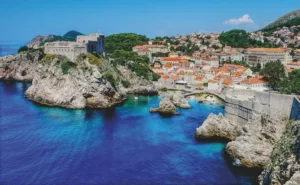
For example, if you’re heading Adriatic-side after Italy, compare coastal costs first — Croatia pricing has changed significantly since euro adoption (see our breakdown of whether Croatia is overpriced in 2026).
Tech Tips: How to Price-Check Like a Pro
Don’t guess. Run the math.
- Use Trainline for overview pricing.
- Double-check on national sites (SNCF, DB, Trenitalia).
- Screenshot fares before buying a pass.
- Factor in reservation fees manually.
- Check refund rules — many cheap fares are non-refundable.
Eurail is fully mobile in 2026 via the Rail Planner app. It works offline, but seat reservations often require external booking.
Pro move: price your itinerary first. If total tickets exceed €350 and you want flexibility, buy the pass. If not, skip it.
So… Should You Buy Eurail in 2026?
For most structured trips planned early: no.
For spontaneous, multi-country, peak-summer adventures covering long distances: yes — sometimes decisively.
Eurail is not a magic savings card. It’s a hedge against Europe’s dynamic summer pricing.
If your route looks like Italy-only or Central Europe with advance planning, keep your cash. If you’re bouncing from Spain to Scandinavia in July with loose plans, the pass can absolutely pay off.
Run the numbers. Europe’s trains reward planners — and punish procrastinators.
Frequently Asked Questions
How much does a Eurail Global Pass cost in 2026?
A 7-days-in-1-month 2nd class Global Pass costs €335 (~$365) as of June 2026. Seat reservations on high-speed trains add €10–€35 per leg.
Is Eurail cheaper than buying individual tickets?
Usually no if you book 2–3 months early. It becomes cheaper when booking less than 2 weeks before travel on long-distance summer routes.
Do you need seat reservations with Eurail?
Yes on many high-speed and international trains (France, Italy, Spain). Fees typically range from €10 to €35 per ride.
Is Eurail worth it for Italy alone?
Rarely. Advance high-speed tickets between major Italian cities often cost €19–€29, making point-to-point tickets far cheaper than a €335 pass.

About the Author: Tomáš Bzirský
Founder and editor of Distratech. Based in the Czech Republic, travelling regularly from Central Europe. Writes practical travel guides and travel-tech comparisons (eSIM, apps, airports) in six languages.