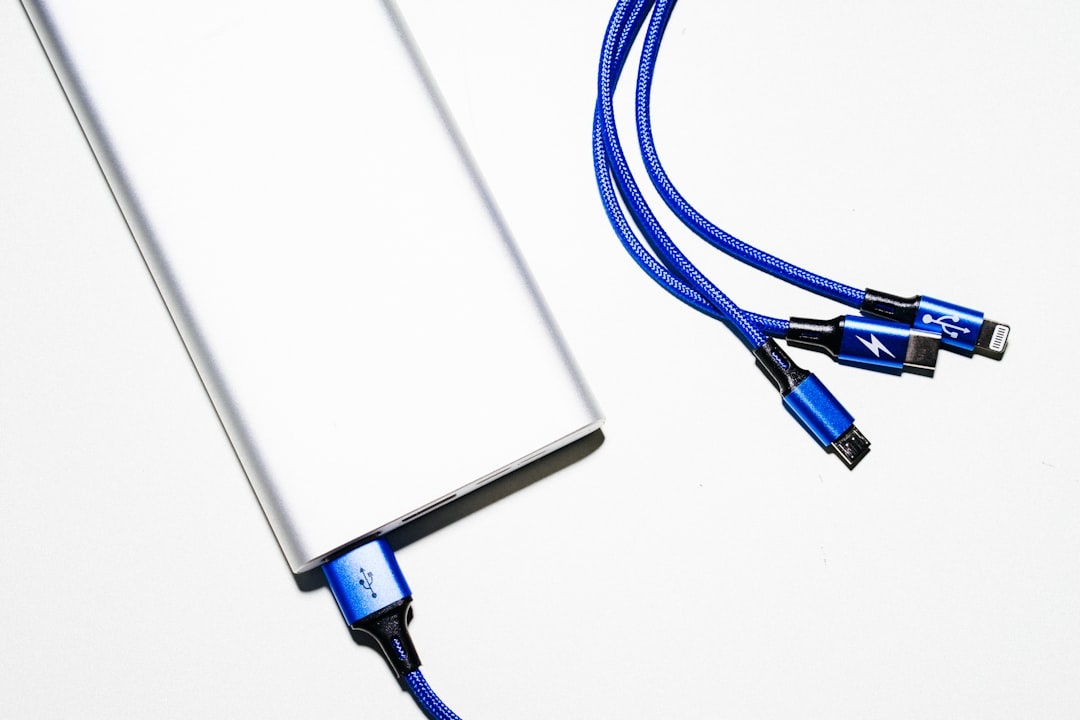
Last August, I was editing photos from the Perseids meteor shower on a train from Milan to Munich when my MacBook Air dropped to 9%. Every seat power outlet was dead. My 27,000 mAh power bank saved the night — and the deadline.
If you travel with a laptop in 2026, a high-capacity USB‑C power bank isn’t optional. It’s your backup office in airports, on ferries to the Azores for whale watching, or during typhoon-related train delays in Japan (and yes, you should read our guide to earthquake and typhoon safety essentials).
Key Takeaways
- For most travelers, a 25,000–27,000 mAh, 100W USB‑C PD power bank is the sweet spot.
- Expect 1.5–2 full MacBook Air charges or ~1 full 14” MacBook Pro charge.
- The Anker Prime 27,650 mAh ($179) is the fastest and most reliable I tested.
- Anything under 65W output will struggle with larger laptops.
- Airline limit: stay under 100Wh (≈27,000 mAh at 3.7V) for carry-on approval.
Here are the five I’ve personally tested across Europe this summer — from overheated airports in southern Spain (40°C+) to cooler, crowded Iceland in peak season.
1. Anker Prime Power Bank (27,650 mAh, 250W) — Best Overall
Price: $179
Capacity: 27,650 mAh (99.54Wh)
Weight: 665 g
Output: 2× USB‑C (140W max), 1× USB‑A (22.5W)
Why this matters when you’re traveling
At 99.54Wh, this sits just under the airline limit. That means no arguments at security in Barcelona or Tokyo. You can legally carry it on almost any airline.
The 140W USB‑C output is enough for a 16-inch MacBook Pro. That’s critical if you edit video during the Edinburgh Fringe or Burning Man and can’t wait three hours for a slow charge.
My real-world test
I charged a 14” MacBook Pro (M3 Pro) from 10% to 82% in 58 minutes. That’s nearly wall-charger speed.
It delivered one full charge plus about 35% extra. In real terms: roughly 12–14 extra work hours.
Pros
- Extremely fast charging (up to 140W)
- Smart display shows wattage in/out
- Build quality feels bombproof
Cons
- Expensive
- Heavy at 665 g
Traveler verdict: If your laptop is your income, buy this. Skip cheaper 65W models — they’ll charge too slowly for serious workdays.
2. UGREEN 25,000 mAh 145W Power Bank — Best Value for Power
Price: $129
Capacity: 25,000 mAh (90Wh)
Weight: 505 g
Output: 145W total (100W single USB‑C)
Why this matters when you’re traveling
This is 160 grams lighter than the Anker. When you’re hopping between Greek islands in 38°C heat, every gram counts.
At 100W output, it comfortably powers most laptops, including Dell XPS and MacBook Pro 14”.
My real-world test
MacBook Air M3: 15% to 100% in 1 hour 12 minutes. Two full charges total.
Dell XPS 13: 20% to 95% in 1 hour 25 minutes.
Pros
- Excellent price-to-performance ratio
- Noticeably lighter than competitors
- Recharges itself in ~1.5 hours with 140W wall charger
Cons
- No detailed smart display
- Feels slightly less rugged than Anker
Traveler verdict: For digital nomads planning September in the Mediterranean (the smarter alternative to August crowds — see our data on why late September beats August in Mallorca), this is the sweet spot between power and portability.
3. Baseus Blade HD 20,000 mAh — Best for Carry-On Minimalists
Price: $99
Capacity: 20,000 mAh (74Wh)
Weight: 490 g
Output: 100W USB‑C
Why this matters when you’re traveling
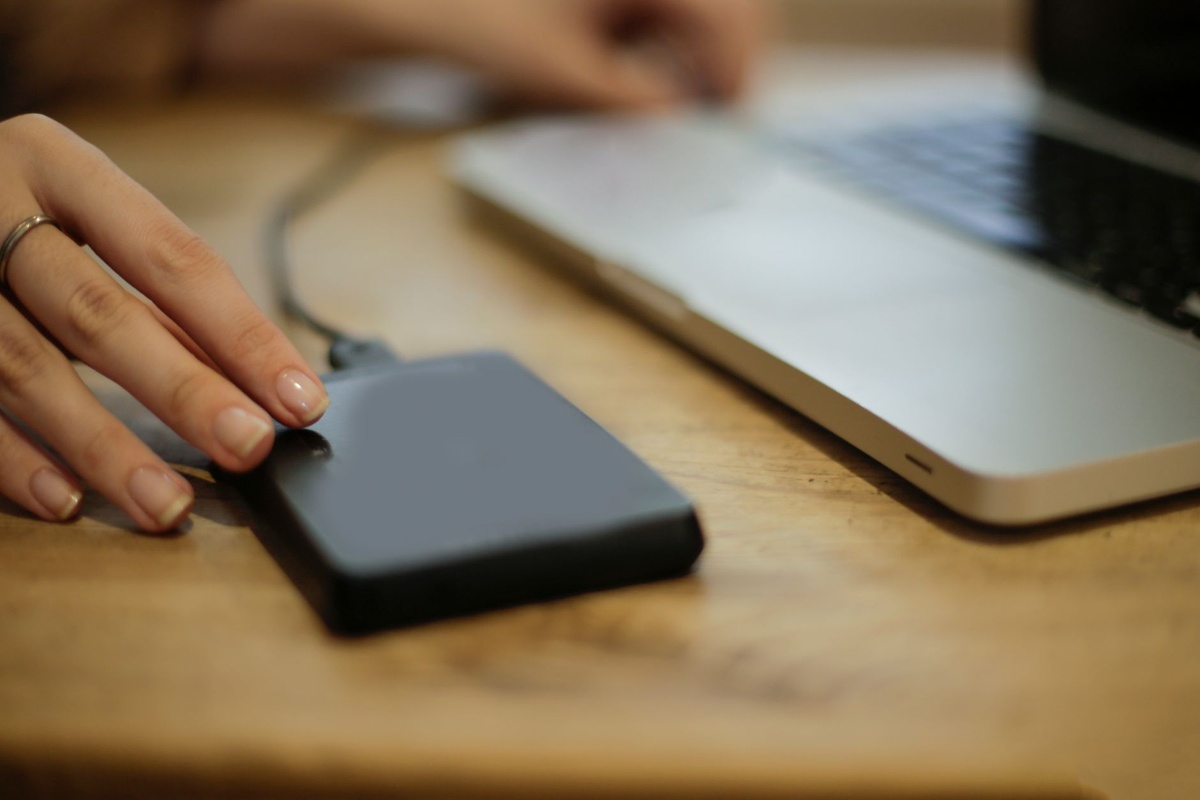
This one is flat — like a small tablet. It slides into a laptop sleeve without creating a bulge.
20,000 mAh is enough for about 1.3 MacBook Air charges. That’s perfect for long-haul flights from New York to Reykjavik.
My real-world test
MacBook Air M2: 5% to 100% in 1 hour 20 minutes.
Total output gave me about 9–10 extra work hours.
Pros
- Ultra-slim design
- Affordable under $100
- Still hits 100W
Cons
- Lower capacity than 25k+ models
- Gets warm in 35°C+ weather
Traveler verdict: Ideal for short city breaks or as a backup. Not enough for multi-day remote work without wall access.
4. Zendure SuperTank Pro (26,800 mAh) — Best for Multi-Device Travelers
Price: $169
Capacity: 26,800 mAh (96Wh)
Weight: 590 g
Output: 4× USB‑C (100W total)
Why this matters when you’re traveling
Four USB‑C ports mean you can charge your laptop, phone, camera batteries, and travel router simultaneously.
If you’re running eSIMs and VPNs (and yes, read our warning about Apple Private Relay IP leaks), you probably carry more tech than average.
My real-world test
Charged MacBook Pro 14” + iPhone 17 Pro + Sony mirrorless battery at the same time. Laptop still received ~65W sustained.
Delivered one full laptop charge plus 50% phone + 2 camera batteries.
Pros
- Four USB‑C ports (rare)
- Solid aluminum build
- Airline-safe capacity
Cons
- Total output shared across ports
- Bulkier than UGREEN
Traveler verdict: Best for content creators and photographers chasing meteor showers in the Alps (though honestly, late September new moons are better than mid-August — here’s why in our Dolomites night photography guide).
5. Shargeek Storm 2 Slim (20,000 mAh) — Most Fun, Still Practical
Price: $169
Capacity: 20,000 mAh (74Wh)
Weight: 450 g
Output: 100W USB‑C
Why this matters when you’re traveling
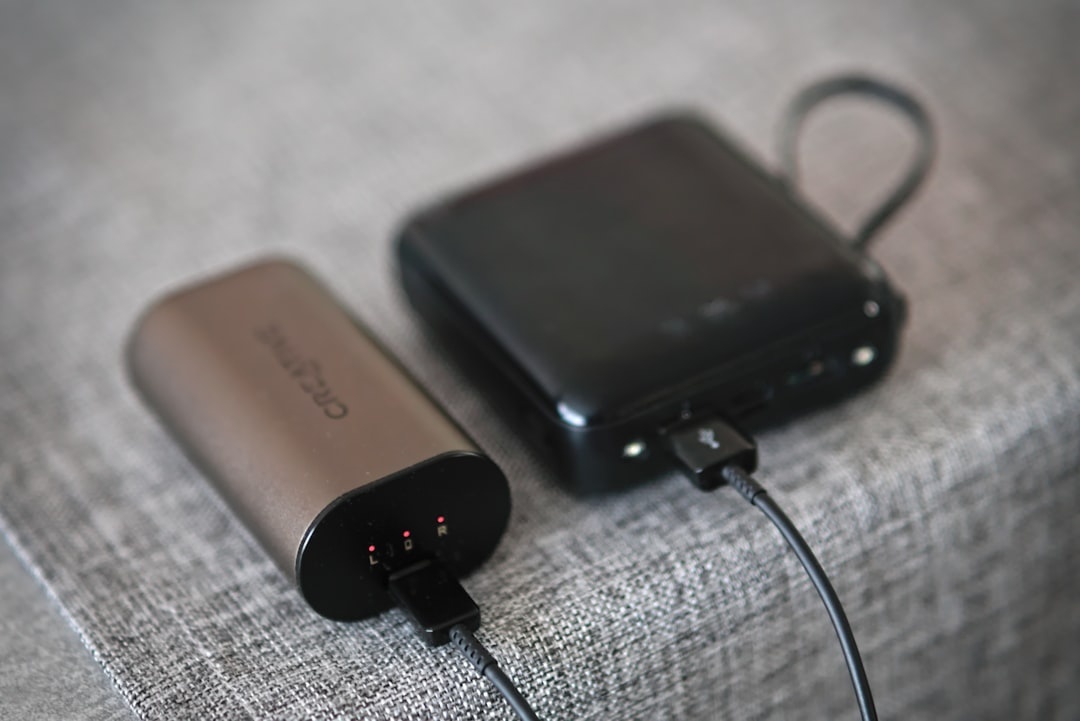
The transparent cyberpunk design isn’t just aesthetic. The display shows real-time voltage, current, and temperature.
When you’re working from a beach café in Portugal during a heatwave, knowing your battery temp isn’t trivial.
My real-world test
MacBook Air M3: 12% to 95% in 1 hour 15 minutes.
Roughly 1.4 total charges.
Pros
- Lightest on this list (450 g)
- Excellent display data
- Strong 100W output
Cons
- Expensive for 20k mAh
- Not as durable-feeling as Anker
Traveler verdict: Buy it if you care about aesthetics and weight. Skip if you want maximum capacity per dollar.
What to Look for in a Laptop Power Bank (Travel Edition)
Before buying, check these:
- Wattage: Minimum 65W for ultrabooks, 100W+ for MacBook Pro or gaming laptops.
- Wh rating: Stay under 100Wh for airline approval.
- Weight: Under 550 g is ideal for carry-on comfort.
- Recharge speed: Look for 100W+ input so it refills in under 2 hours.
- Heat performance: Critical if traveling in southern Europe in August.
If your power bank recharges slowly, you’ll waste precious café time waiting for it to refill instead of exploring.
Final Verdict: Which One Should You Buy?
Best overall: Anker Prime 27,650 mAh — fastest, most reliable, worth the price.
Best value: UGREEN 25,000 mAh 145W — nearly as powerful, $50 cheaper.
Best lightweight option: Shargeek Storm 2 Slim.
If you’re planning heavy travel this September — arguably the real summer in the Mediterranean — a 25k+ mAh, 100W power bank is the smart move. Airports are crowded, outlets are scarce, and remote work doesn’t pause for boarding calls.
Your laptop battery shouldn’t decide when your trip ends.
Frequently Asked Questions
Can a 20,000 mAh power bank charge a laptop?
Yes, if it supports at least 65W USB‑C Power Delivery. A 20,000 mAh (≈74Wh) bank will typically charge a MacBook Air 1–1.5 times.
Are 27,000 mAh power banks allowed on airplanes?
Yes, as long as they are under 100Wh. Most 26,800–27,650 mAh models are around 99Wh and approved for carry-on (never checked luggage).
How many hours can a 25,000 mAh power bank run a laptop?
Expect 10–14 extra hours for a MacBook Air and 6–8 hours for a 14” MacBook Pro, depending on workload and screen brightness.
Is 65W enough for a MacBook Pro?
It will charge slowly and may not keep up under heavy use. For reliable performance, 100W is recommended for 14” and 16” models.

About the Author: Tomáš Bzirský
Founder and editor of Distratech. Based in the Czech Republic, travelling regularly from Central Europe. Writes practical travel guides and travel-tech comparisons (eSIM, apps, airports) in six languages.