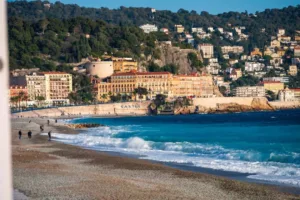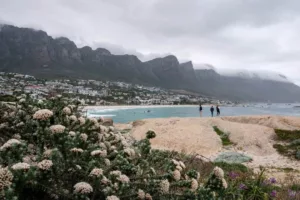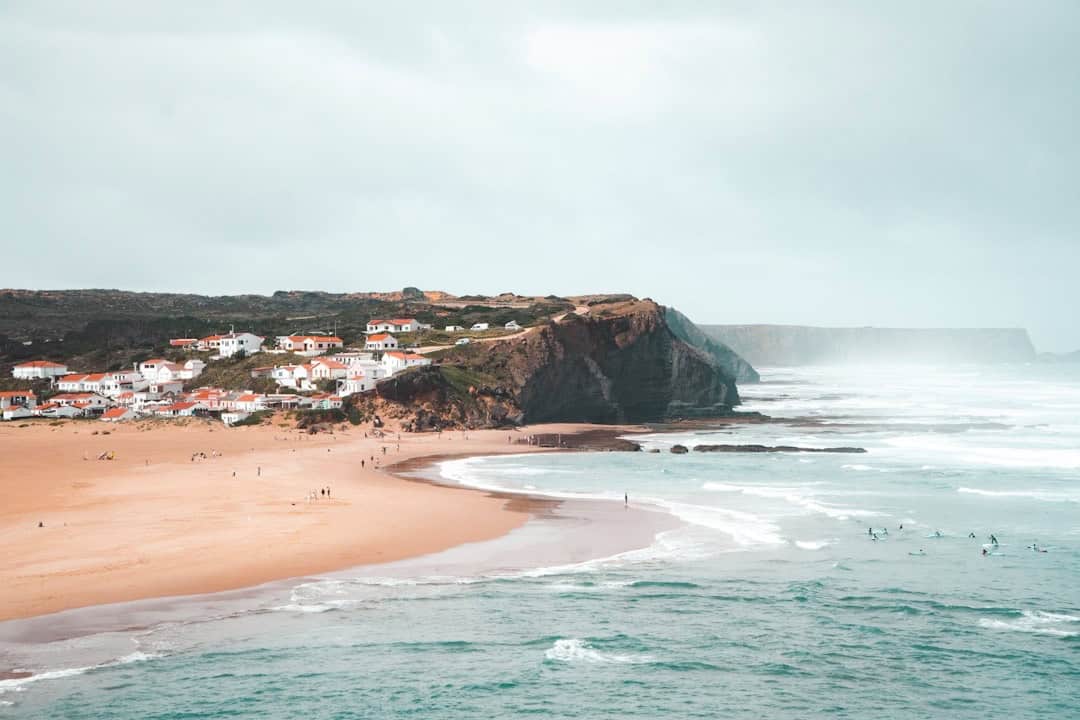
I learned this the hard way: by mid-July, parts of Portugal’s coast feel like a theme park with sand. In Lagos last summer, I paid €18 for a sunbed and queued 25 minutes for grilled sardines. Beautiful? Yes. Relaxing? Not so much.
But come late May and June — right now — Portugal is warm (22–28°C), the Atlantic is swimmable if you’re brave, and hotel rates are often 20–40% cheaper than in August. These 12 hidden beach towns deliver the same cliffs, seafood, and golden light — minus the shoulder-to-shoulder towel situation.
Key Takeaways
- Late May–June offers 22–28°C weather and hotel prices up to 40% lower than August.
- Many hidden beach towns are 1–2 hours from Lisbon, Porto, or Faro airports.
- Expect seafood mains from €12–€18 in local tascas outside major resorts.
- Arrive before mid-July to avoid peak European school holiday crowds.
1. Vila Nova de Milfontes (Alentejo Coast)
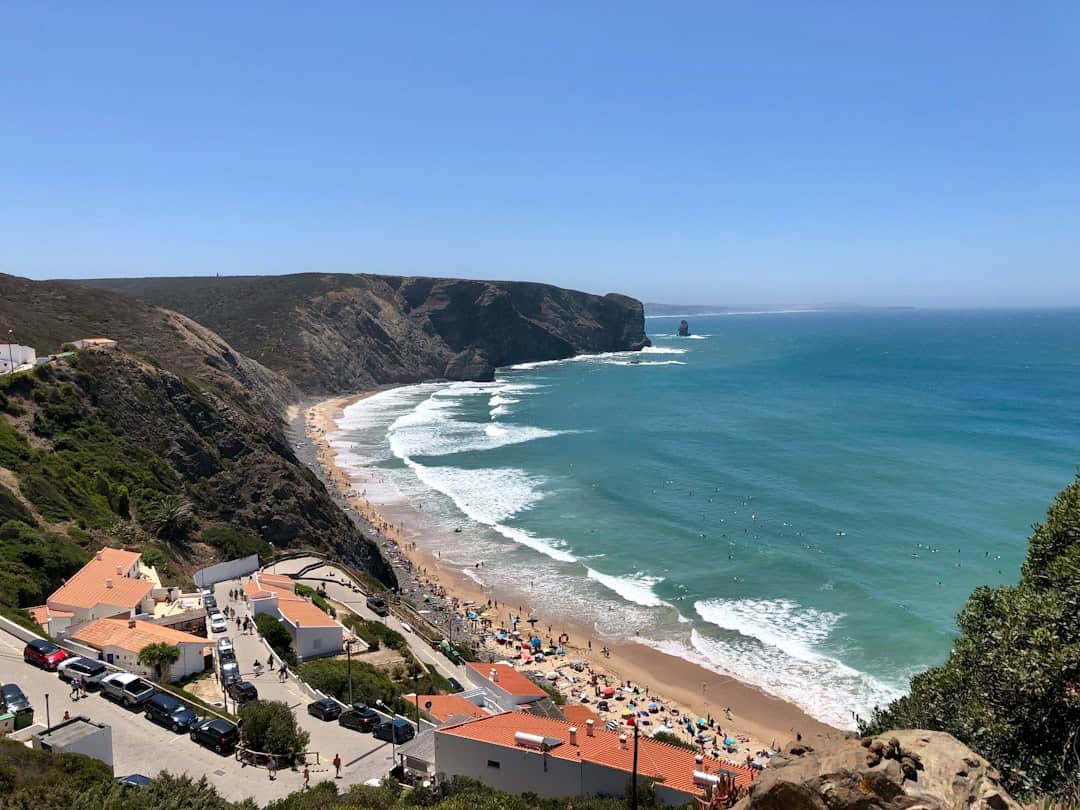
About 2.5 hours south of Lisbon, this laid-back town sits where the Mira River meets the Atlantic. You get calm river beaches on one side and wild ocean waves on the other.
Rent a kayak for around €20/hour or walk the Rota Vicentina coastal trails. Dinner at a local tasca? Fresh dourada for €14–€16 — half what you’d pay in the central Algarve.
2. Zambujeira do Mar (Alentejo)
Whitewashed houses, dramatic cliffs, and almost no package tourists. In early June, you’ll share Praia da Zambujeira mostly with Portuguese families.
Stay in a guesthouse for €70–€100 per night before summer spikes. Skip it in August during the Sudoeste Festival unless you’re coming for the music.
3. Odeceixe (Algarve’s Quiet Corner)
Technically Algarve — but it doesn’t feel like it. Odeceixe Beach is split between a calm lagoon (perfect for kids) and Atlantic surf.
It’s about 1.5 hours from Faro Airport. Go before mid-July; once Portuguese schools close, this secret gets noticeably busier.
4. Salema (Western Algarve)
Yes, it’s in the Algarve. No, it’s not Albufeira.
Salema is still a functioning fishing village. Boats rest on the sand, and you can eat grilled octopus at Boia Bar for around €18. Come in June and you’ll actually hear the waves at night.
If you’re comparing broader European options this season, our guide to the best beach destinations in Europe for summer 2026 puts the Algarve in context — but Salema is where you dodge the crowds.
5. Carvoeiro (But Stay on the Edges)
Carvoeiro itself is no longer secret — but stay just outside the center. Walk 15 minutes east toward Algar Seco and you’ll find cliff paths and quieter coves.
Boat tours to Benagil Cave cost about €25–€35 in June (more like €40+ in peak season). Book early morning slots to avoid traffic on the water.
6. Porto Covo (Alentejo’s Postcard Village)
Only 20 minutes south of Sines, Porto Covo feels frozen in time. Cobbled squares, blue-trimmed houses, and small sandy coves tucked between cliffs.
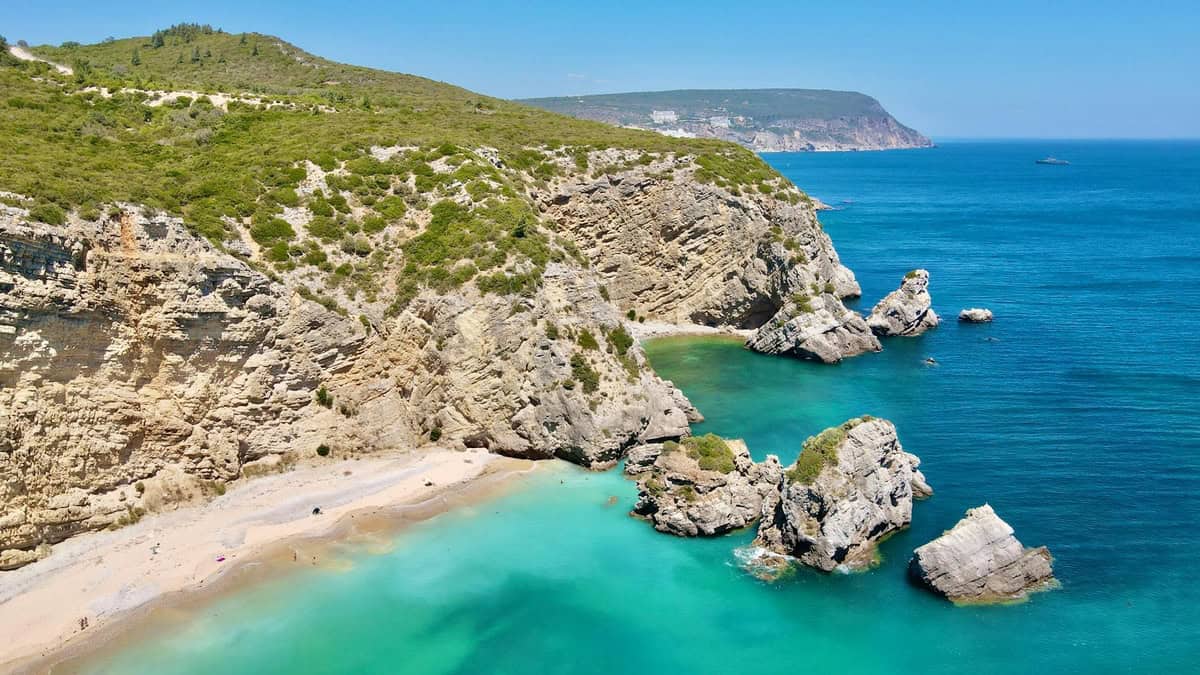
This is sunset territory. Grab takeaway bifanas (pork sandwiches) for €5 and sit above Praia da Samoqueira.
7. Afife (Near Viana do Castelo, North Portugal)
The north is wildly underrated. Afife, about 15 minutes from Viana do Castelo and an hour from Porto, offers wide beaches backed by green hills.
The Atlantic is cooler here (16–18°C in late spring), but surfers love it. Accommodation is significantly cheaper than southern hotspots — think €60–€90 per night in June.
8. São Martinho do Porto (Silver Coast)
This shell-shaped bay, about 1.5 hours north of Lisbon, has some of the calmest water in Portugal. It’s ideal if you want swimming without Atlantic drama.
It’s popular with Portuguese families but still under the international radar. Avoid weekends if you want it nearly to yourself.
9. Foz do Arelho (Óbidos Lagoon)
Foz gives you a choice: lagoon on one side, crashing Atlantic on the other. Wind conditions make it great for kitesurfing in late spring.
Pair it with a visit to Óbidos (15 minutes away) for a day of medieval streets and ginjinha. Just don’t stay inside Óbidos walls — prices double there.
10. Manta Rota (Eastern Algarve)
Near the Spanish border, Manta Rota has some of the warmest water in mainland Portugal. In June, the sea can hit 20°C — practically tropical by Portuguese standards.
It’s flatter and less dramatic than the western Algarve, but that means easier beach days and fewer selfie crowds.
11. Praia da Luz (Low-Key Alternative to Lagos)
Luz sits just 10 minutes from Lagos but feels calmer. You still get a promenade, cafés, and golden cliffs — without the party vibe.
Breakfast with ocean views will run you about €8–€12. It’s a smart base if you want Lagos scenery but better sleep.
12. Comporta (Go Now, Not in August)
Comporta is no longer a secret — but it’s still peaceful before peak season. Just 1–1.5 hours from Lisbon, it’s all rice fields, chic beach bars, and endless sand.
By late July, prices skyrocket. In May and early June, you can still find boutique stays under €150 per night if you book ahead.
How to Plan a Crowd-Free Portugal Beach Trip
Portugal is tailor-made for a coastal road trip. Many of these towns are 30–60 minutes apart, making it easy to combine two or three in one week.
- Fly into Lisbon for Comporta, Silver Coast, and Alentejo beaches.
- Fly into Faro for Algarve’s quieter western and eastern towns.
- Rent a small car (€25–€40/day in late spring) — public transport is limited.
- Book by early June for travel in late June; prices jump sharply after that.
- Avoid mid-July to late August unless you enjoy peak-season energy.
If you’re planning a multi-stop drive, new Android Auto updates are making navigation and travel apps more road-trip friendly — we broke it down in our piece on smarter summer road trips with Android Auto widgets.
When Is the Absolute Best Time to Visit?
Right now — late May through mid-June — is the sweet spot. Days are long, ocean sunsets are spectacular, and restaurants still have space for walk-ins.
September is also excellent, especially after the first week when school holidays end. Water is warmer, but you risk Atlantic storms in the north.
Final Thoughts: Portugal Before the Rush
Portugal doesn’t need hype — it needs timing. Show up before peak European holidays, choose towns 20–30 minutes away from the famous names, and you’ll get the version locals enjoy.
If you’re mapping out your summer now, lock in flights, rent a car, and pick two or three of these towns to string together. Your August self — stuck in a crowded beach queue somewhere else — will thank you.
Want more smart summer picks across the continent? Start with our European beach guide, then build your itinerary from there.
Frequently Asked Questions
When is the best time to visit Portugal’s beach towns?
Late May to mid-June offers warm weather (22–28°C), lower hotel prices, and fewer crowds. September is also great, with warmer water but slightly higher rain risk in the north.
How much does a Portugal beach trip cost?
In late spring, expect €70–€120 per night for mid-range stays outside major resorts, €25–€40 per day for car rental, and €12–€18 for seafood mains at local restaurants.
Are these beach towns accessible without a car?
Some are reachable by train or bus, but service is limited. Renting a car is highly recommended if you want to explore multiple beaches efficiently.
Is the water warm enough to swim in June?
Yes — especially in the eastern Algarve, where water can reach 20°C in June. The north and western coast are cooler (16–18°C) but still swimmable for most travelers.

About the Author: Tomáš Bzirský
Founder and editor of Distratech. Based in the Czech Republic, travelling regularly from Central Europe. Writes practical travel guides and travel-tech comparisons (eSIM, apps, airports) in six languages.