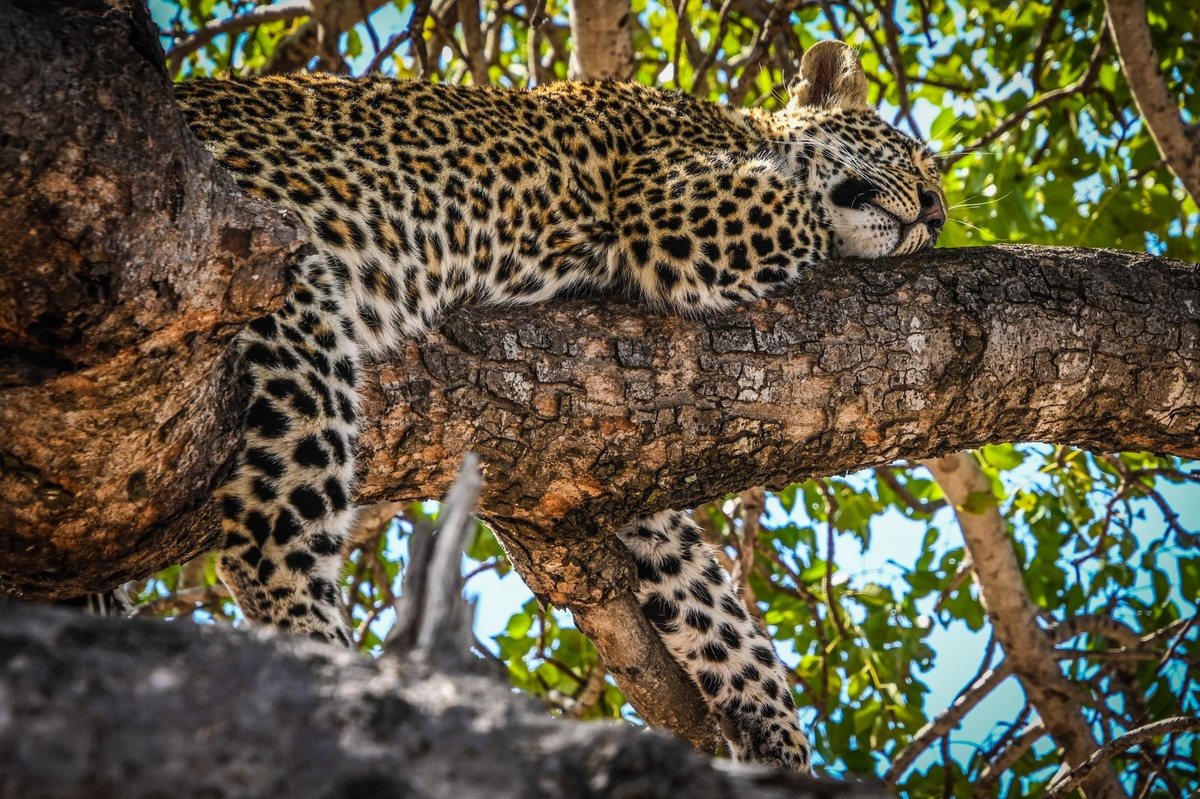
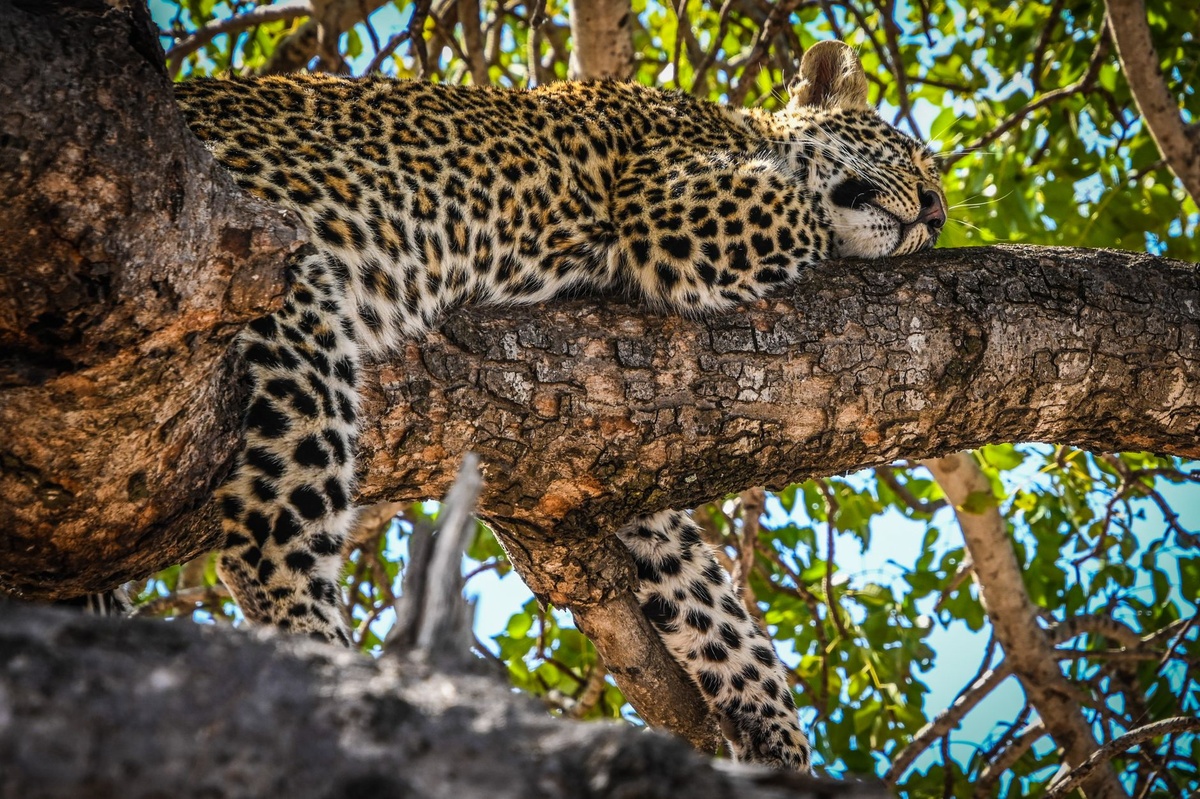
A Tanzania safari becomes expensive when you pay for empty Jeep seats, private camps and unnecessary airport transfers—not because seeing elephants in Tarangire or lions in Serengeti is inherently unaffordable. Join a six-person shared safari, sleep at public campsites and book directly with an Arusha operator, and a realistic seven-day trip costs about €1,470–€1,850 ($1,600–$2,010) per person in September 2026, excluding international flights.
Key Takeaways
- Budget €1,470–€1,850 ($1,600–$2,010) for seven days with six guests, camping, park fees and meals.
- Official park and crater charges consume roughly €540–€650 per traveler before fuel, food or staff costs.
- The complete driving circuit covers approximately 850–950 km, with several 4–7-hour road days.
- September offers superb dry-season wildlife but is high season in northern Tanzania, so reserve 8–12 weeks ahead.
- Book a guaranteed shared departure rather than accepting a cheap quote dependent on finding more passengers.
Key Numbers at a Glance
The figures below use a planning exchange rate of $1 = €0.92. Operators generally quote safaris in US dollars, so compare the dollar total before converting or paying by card.
| Item | September 2026 planning figure | What it means |
|---|---|---|
| Seven-day shared camping safari | €1,470–€1,850 ($1,600–$2,010) | Usually six nights, with five nights on safari and one in Arusha |
| Shared Jeep capacity | 6 window seats | Skip operators advertising seven adults in a standard extended Land Cruiser |
| Route distance | 850–950 km | Road conditions and campsite location change the exact total |
| Arusha–Tarangire | 120 km; 2–2.5 hours | Add gate registration time |
| Karatu–Serengeti, via Ngorongoro | 150–190 km; 4.5–6 hours | Slow gravel roads, wildlife stops and transit checks |
| Park operating hours | Generally 6:00–18:00 | Confirm the permitted exit time on your electronic permit |
| Recommended deposit | 10%–30% | Avoid paying 100% by irreversible bank transfer months ahead |
| Driver-guide tip | €9–€14 ($10–$15) per guest per day | Assumes a shared group, not a private Jeep |
Prices are planning figures checked for September 2026. Tanzania National Parks Authority and Ngorongoro Conservation Area charges are typically quoted in USD and may be subject to 18% VAT. Ask the operator for the current electronic fee calculation before paying.
Step 1: Decide What “Budget Safari” Actually Means
In northern Tanzania, “budget” normally means a shared extended Land Cruiser, public campsites, dome tents, a cook and fixed daily departures. It does not mean a rental car, backpacker bus or unguided national-park trip.
A camping safari is much cheaper than a lodge safari because Serengeti accommodation can cost €180–€500 per person nightly. Public camping commonly adds around €33 ($35.40) per non-resident adult per night before operator logistics, compared with €140–€350 for an entry-level tented camp in the same ecosystem.
| Safari style | Typical 7-day price per person | Group size | Sleeping setup | Best for |
|---|---|---|---|---|
| Shared public camping | €1,470–€1,850 ($1,600–$2,010) | 4–6 | Dome tent; shared toilets/showers | Solo travelers and lowest total cost |
| Shared budget lodge | €1,930–€2,580 ($2,100–$2,800) | 4–6 | Room or permanent tent | Couples wanting beds and private bathrooms |
| Private camping Jeep | €2,120–€3,040 ($2,300–$3,300) | 1–2 | Dome tent; itinerary flexibility | Photographers and private pairs |
| Private mid-range lodge | €3,220–€5,520 ($3,500–$6,000) | 1–2 | Lodges and tented camps | Comfort-first travelers |
Price ranges are per adult in September 2026, assuming two people share tents or rooms. Solo supplements can add €92–€276 ($100–$300), although many shared camping departures waive them.
A simple decision framework
- Choose shared camping if your ceiling is about €1,850 and you can handle dust, early starts and basic showers.
- Choose shared budget lodges if sleep and private bathrooms matter more than saving €450–€700.
- Choose a private Jeep if you photograph wildlife seriously, travel with children or want to wait two hours at one sighting.
- Choose a fly-in safari only if time matters more than money; an Arusha–Seronera flight can save most of a day but commonly costs €230–€370 one way.
My choice for a first safari is shared camping with no more than six guests. You retain the classic overland journey and pay roughly half the price of a private lodge itinerary.
Step 2: Build the Right Seven-Day Route
This itinerary uses Day 1 for Arusha, followed by five full safari nights and a return on Day 7. It moves through Tarangire, Ngorongoro and Serengeti without wasting a day at Lake Manyara, where wildlife viewing is less predictable and dense vegetation can frustrate first-time visitors.
Skip Lake Manyara on a seven-day trip; give that time to Serengeti instead. Two Serengeti game-drive days versus one substantially improves your odds of seeing cheetahs, leopards and extended predator behavior.
Day 1: Arrive in Arusha and inspect the operator
Kilimanjaro International Airport is about 50 km from central Arusha. A prearranged private transfer takes 60–90 minutes and costs approximately €37–€55 ($40–$60), while a shared shuttle is usually €9–€23 ($10–$25) but may involve waiting for other flights.
Use the first afternoon to inspect the vehicle and camping gear. Check the tires, seat belts, charging sockets, pop-up roof, fridge or cooler, tent zippers and whether every passenger gets a permanent window seat.
For a clean budget base, try Outpost Lodge or Mazzola Safari House; private rooms generally run €32–€65. Browse hotels in Arusha, but compare the rate with the safari operator’s bundled first night because package rooms can be €10–€20 cheaper.
Eat at Khan’s BBQ, an auto-repair shop by day and open-air grill in the evening, where chicken, kebabs, salad and naan cost around TSh25,000–40,000 (€8–€13). Skip hotel buffets priced at €20–€30; they are rarely better.
Day 2: Arusha to Tarangire National Park
Leave around 7:00 for the 120 km, 2–2.5-hour drive to Tarangire’s Main Gate. Registration can take 20–45 minutes, so your operator should have permits prepared rather than completing payment after arrival.
Tarangire is the right first park because its baobabs, river corridor and elephant herds look distinctly different from Serengeti. In September, the landscape is dry and animals concentrate near permanent water; wildlife density is usually better than during the green April–May period, but dust is heavier.
Camp at Tarangire Public Campsite or just outside the park near Mto wa Mbu if the route requires an early Ngorongoro departure. Inside camping saves up to an hour the next morning but costs more once park-time and overnight rules are included.
Day 3: Tarangire to Ngorongoro and Karatu
Take an early Tarangire game drive, then continue approximately 110–140 km in 2.5–3.5 hours toward Karatu or the Ngorongoro rim. Mto wa Mbu is a practical lunch stop, but avoid packaged “tribal visits” squeezed into 45 minutes.
If time permits, do a genuine two-hour village walk booked through a locally operated cultural tourism program; expect about €18–€32 per person. A rushed souvenir-shop circuit at €50 provides less value than another afternoon game drive.
For camping, Simba A Public Campsite on the crater rim is spectacular but cold. September night temperatures can fall to roughly 5–10°C, compared with 15–20°C around lower-elevation Tarangire, so insist on a sleeping bag rated near 5°C.
Day 4: Ngorongoro Crater to Central Serengeti
Enter the crater close to 6:00 and descend for a game drive of up to six hours, subject to current permit conditions. The crater floor covers about 260 sq km, and concentrated wildlife gives first-timers an excellent chance of seeing lions, buffalo, hippos and occasionally black rhinos.
The expensive part is the vehicle crater service fee: approximately $295 plus 18% VAT, or $348.10 (€320) per vehicle. Split six ways, that is about €53 each; split between two private travelers, it jumps to €160 each.
After lunch, climb out and cross the Ngorongoro Conservation Area toward Naabi Hill Gate. The journey to Seronera is roughly 150–190 km and 4.5–6 hours, depending on wildlife stops and road conditions.
Camp at Seronera Public Campsite. Facilities are basic—shared ablutions, limited hot water and animals moving nearby—but it puts you in central Serengeti for sunrise rather than 90 minutes outside productive wildlife territory.
Day 5: Full day in Serengeti
Start before sunrise if your permit and campsite departure rules allow it. Central Serengeti’s Seronera Valley has year-round water and is more reliable for big cats than racing north for a migration crossing you may not see.
September is excellent for dry-season game viewing, but it is not true low season in Tanzania. Much of the wildebeest migration may be in the northern Serengeti and Kenya’s Maasai Mara, 4–7 driving hours from Seronera, while river crossings remain unpredictable.
Skip a rushed northern-Serengeti detour on this seven-day budget plan. Reaching Kogatende properly requires at least two northern nights and can add €370–€740 through extra fuel, park time and seasonal accommodation.
A Serengeti balloon flight costs roughly €550–€645 ($600–$700) per person—more than a third of the basic safari price. It is memorable, but not a budget upgrade; spend the money on a longer safari before buying 60 minutes in the air.
Day 6: Serengeti sunrise drive and return to Ngorongoro/Karatu
Take a 6:00–10:00 game drive, then return through Naabi Hill. Seronera to Simba Camp is about 140 km but can take 4–5 hours; continuing to Karatu makes the day closer to 190 km and 6–7 hours.
Camping on the crater rim shortens the next morning’s scenery but means another cold night. Karatu offers warmer showers and inexpensive lodge upgrades, often €45–€90 per room versus an upscale crater-rim lodge at €350–€900.
Day 7: Karatu to Arusha
Karatu to Arusha is approximately 155 km and 2.5–3.5 hours. Do not book an international departure before 18:00; roadworks, livestock, a puncture or Arusha traffic can erase a seemingly comfortable connection.
If you have an evening flight, lunch at George’s Tavern in Arusha costs roughly TSh25,000–45,000 (€8–€15). The onward airport transfer takes another 60–90 minutes, so leave central Arusha at least four hours before departure.
Step 3: Understand Park Fees Before Comparing Quotes
Park fees are the largest fixed cost and explain why legitimate operators cannot sell this itinerary for €800. Fees vary by age, residency, season and overnight location, while the operator also pays vehicle, guide and concession-related charges.
| Fee item | Published/planning USD rate | EUR including 18% VAT | How it is charged |
|---|---|---|---|
| Tarangire conservation fee | $50 per adult | €54.28 | Per 24-hour entry period |
| Serengeti conservation fee | $70 per adult | €75.99 | Per 24-hour entry period |
| Ngorongoro conservation fee | $60 per adult | €65.14 | Per 24-hour entry period |
| Ngorongoro crater service | $295 per vehicle | €320.25 | Per crater descent; divide among passengers |
| TANAPA public campsite | $30 per adult | €32.57 | Per night |
Illustrative non-East African adult rates for September 2026 planning, converted at $1 = €0.92 and showing 18% VAT. Verify current tariffs with TANAPA and the Ngorongoro Conservation Area Authority; age bands, permit timing and operator charges can change.
A typical traveler on this route may generate €540–€650 in government and campsite charges. The exact figure depends on whether park stays cross additional 24-hour permit windows and whether campsites lie inside protected areas.
Ask every operator to state, in writing, that the price includes TANAPA fees, Ngorongoro entry, one crater descent, campsite charges, 18% VAT and all vehicle fees. “Park fees included” is too vague when one extra Serengeti day can add well over €100 per person.
Step 4: Find and Vet a Shared-Safari Operator
Start with comparison marketplaces such as SafariBookings, then request direct quotes from Arusha-based operators. Companies frequently appearing in Tanzania’s budget segment include Suricata Safaris, Meru Slopes Tours & Safaris and Serengeti African Tours, but recent vehicle and guide reviews matter more than the brand name.
Get at least three itemized quotations for exactly the same route. A €1,500 quote with two Serengeti nights is not comparable to a €1,350 quote with only one night and a long drive through the park.
Send this booking brief
- Seven days and six nights, starting and ending in Arusha.
- One Arusha night plus Tarangire, Ngorongoro and two full Serengeti game-drive periods.
- Maximum six guests, each with a permanent window seat.
- Public camping with tent, mattress, sleeping bag, cook and drinking water.
- All park fees, VAT, crater descent and airport transfers itemized.
- Guaranteed departure status and the minimum number of passengers required.
- Exact cancellation, substitution and vehicle-breakdown policies.
A sound operator should answer within one or two business days and identify campsites rather than saying “budget camp.” Video-call the office and ask to see the assigned or equivalent Jeep; ten minutes on WhatsApp can expose more than 200 polished online reviews.
Verify the business through Tanzania’s tourism licensing channels and request its legal company name, license number and physical Arusha address. Pay to a company account matching that name—not a guide’s personal account or an unrelated mobile wallet.
Questions that expose a bad quote
- Does “seven days” include an arrival day with no game drive?
- Are park permits based on 24-hour periods or calendar days?
- Is the crater descent included or merely the Ngorongoro transit fee?
- Will passengers join or leave midway, changing seats and delays?
- Is drinking water unlimited, or capped at 1.5 liters per day?
- Does the cook travel in the same vehicle, reducing passenger or luggage space?
- Who pays for an alternative vehicle if the Jeep breaks down?
Skip the cheapest quote if it is more than 15% below the other two. The missing money usually reappears as excluded VAT, fewer park hours, overloaded seating or pressure to tip excessively.
Step 5: Compare Shared-Jeep Pricing Properly
Shared safaris work because fixed costs are divided among passengers. A Jeep, driver-guide and crater descent may cost nearly the same for two guests as for six, so joining a full vehicle can save €450–€900 per person.
| Cost component per person | 6-person shared Jeep | 2-person private Jeep | Difference |
|---|---|---|---|
| Vehicle, fuel and driver allocation | €310–€430 | €800–€1,150 | Private costs €490–€720 more |
| Crater service allocation | About €53 | About €160 | Private costs €107 more |
| Food, camping gear and logistics | €250–€350 | €300–€450 | Smaller difference |
| Government/campsite fees | €540–€650 | €540–€650 | Mostly unchanged |
| Indicative operator total | €1,470–€1,850 | €2,120–€3,040 | Save €650–€1,190 by sharing |
September 2026 estimates per adult. They illustrate cost allocation rather than an official tariff; exact totals depend on permit hours, group size and inclusions.
The sweet spot is five or six passengers. Four provides more elbow room but commonly costs €90–€230 more each, while seven passengers can mean a cramped middle seat even if the advertisement promises “window access.”
Step 6: Use This Realistic Budget
This sample assumes a six-person camping departure, one budget Arusha hotel night, a shared airport pickup and no balloon flight. It includes a reasonable contingency rather than presenting the artificially low headline price seen in advertisements.
| Expense | USD | EUR, September 2026 |
|---|---|---|
| Shared safari package | $1,650 | €1,518 |
| Arusha hotel if excluded | $45 | €41 |
| Shared airport transfers | $40 | €37 |
| Driver-guide tip: $12 × 6 safari days | $72 | €66 |
| Cook tip: $7 × 5 camping days | $35 | €32 |
| Visa | $50 | €46 |
| eSIM/SIM and small purchases | $30 | €28 |
| Contingency | $100 | €92 |
| Total excluding international flights | $2,022 | €1,860 |
Some nationalities, including US passport holders under common visa categories, may face a $100 multiple-entry visa rather than the standard $50 single-entry amount. Apply only through Tanzania’s official immigration portal at visa.immigration.go.tz, not a look-alike agency charging €80 in service fees.
International airfare varies far more than the ground budget. September returns from major European hubs often fall around €650–€950, while North American itineraries commonly cost €900–€1,400; flying into Nairobi may look €150 cheaper but can add a full border-transfer day.
Step 7: Book for September’s Real Conditions
September is shoulder season in many destinations, but northern Tanzania is the exception to the “fall is cheaper” rule. It is dry, wildlife is easier to locate, and northern-migration demand keeps safari rates close to July–August levels.
Book a shared departure 8–12 weeks ahead; Christmas, July and August merit 4–6 months. Last-minute Arusha deals can save €90–€180, but solo travelers risk losing the specific route or being offered a three-day substitute.
Daytime temperatures on the plains often reach 24–29°C, while Ngorongoro mornings can sit near 5–10°C. Pack layers rather than one heavy jacket: a fleece plus light windproof shell takes less room and works across both climates.
If price matters more than dust-free wildlife viewing, target late October–November or parts of January–March. April and May can be 15%–30% cheaper, but rain, muddy roads and reduced campsite comfort are genuine trade-offs.
Travelers choosing between East African wildlife and a self-drive experience should also compare our September Namibia self-drive itinerary. Namibia offers easier independent driving and predictable roads; Tanzania delivers denser wildlife but virtually requires a guided 4×4 in this price range.
Tech, Connectivity and Money
Download offline maps in Google Maps and Organic Maps before leaving Arusha. GPS is useful for understanding the route, but it does not replace a licensed guide: many Serengeti tracks are unmarked, and consumer routing can suggest prohibited or seasonally impassable roads.
Vodacom, Airtel and Yas sell local SIMs after passport registration. A starter package with several gigabytes commonly costs around TSh10,000–30,000 (€3–€10), compared with approximately €10–€25 for a travel eSIM from Airalo; the local SIM is cheaper, while the eSIM works immediately after landing.
Coverage is reasonable around Arusha, Karatu and parts of Seronera but unreliable between parks. Save permits, insurance details, the operator contract and passport scans offline in an encrypted folder.
Bring a 20,000mAh power bank and both USB-A and USB-C cables. A Jeep may have six travelers competing for two working sockets, whereas a power bank provides roughly three to four phone charges.
Carry USD notes printed in 2009 or later, clean and undamaged. Card payments may attract a 3%–5% surcharge, while withdrawing Tanzanian shillings can involve both a local ATM charge and your bank’s fee.
Campsite Reality: What You Get and What to Pack
Public campsites usually provide a cooking block, toilets, simple showers and an unfenced sleeping area. They are dramatically cheaper than tented camps, but hot water, toilet paper and charging cannot be assumed.
Your operator should supply a waterproof tent, foam mattress at least 5 cm thick, sleeping bag, chair and dining equipment. Renting these separately in Arusha can cost €12–€25 per day, erasing much of the savings from a suspiciously bare package.
- Pack a headlamp; a phone flashlight occupies the hand you need for tent zippers.
- Use a soft duffel under 15 kg instead of a hard suitcase that blocks Jeep storage.
- Bring a reusable bottle, lip balm and SPF 50 sunscreen for dry-season dust and sun.
- Carry earplugs; camps can be noisy even when the sound is only zebras or other groups.
- Keep shoes inside the tent and never store snacks there.
- Take a KN95-style mask or buff if dust triggers asthma or sinus problems.
Do not leave the tent after dark without checking with the guide. Public campsites are unfenced, and hyenas, buffalo and elephants occasionally move through them.
Common First-Safari Mistakes
Choosing the migration over a sensible route
The migration is a moving ecosystem, not a scheduled performance. In September, adding northern Serengeti may mean 8–12 extra driving hours and hundreds of euros without guaranteeing a Mara River crossing.
Booking seven days that contain only four safari days
Some packages count arrival and departure as full days. Compare park entries and nights, not the title: five protected-area days offers roughly 25% more game-drive time than a four-day safari sold as the same length.
Ignoring permit timing
Many protected-area fees operate in 24-hour windows. Arriving at 10:00 and exiting at 11:00 the next day may trigger another period, so a one-hour delay can materially change the operator’s costs.
Paying the full balance too early
A 10%–30% deposit is normal for many camping trips, followed by the balance under the contract’s deadline. A request for 100% six months ahead by personal transfer provides less protection than card payment or a recognized payment platform.
Overpacking
A 70-liter hard case consumes far more shared storage than a 40-liter duffel. Laundry in Arusha costs roughly €5–€10, which is cheaper and easier than bringing seven complete outfits.
Forgetting tips and small cash
For a shared group, budget approximately $10–$15 per guest per day for the driver-guide and $5–$10 for the cook. Pool tips as a group and give them directly at the end; tips should reward service, not replace wages hidden by an implausibly cheap quote.
Final Verdict: The Booking Formula That Works
The best-value first Tanzania safari is a six-seat shared camping departure with two proper Serengeti game-drive periods, one crater descent and every mandatory fee written into the contract. Expect to spend about €1,850 all-in before international flights, not the €900 headline figures used to generate inquiries.
Request three identical quotes, verify the operator’s legal details, inspect the Jeep in Arusha and protect your Serengeti time from unnecessary detours. Save this itinerary, send operators the booking brief above and compare their answers line by line before paying a deposit.
Frequently Asked Questions
How much does a seven-day budget safari in Tanzania cost?
A legitimate seven-day shared camping safari costs about €1,470–€1,850 ($1,600–$2,010) per person in September 2026. Including visa, tips, transfers and contingency, budget approximately €1,850–€2,050 before international flights.
Is September a good month for a Tanzania safari?
Yes: September is dry, vegetation is thinner and wildlife concentrates near water. It is high season rather than bargain shoulder season in northern Tanzania, so book 8–12 weeks ahead and expect dusty roads.
Are Tanzania park fees included in safari packages?
Reputable packages normally include them, but the contract should list TANAPA fees, Ngorongoro entry, crater descent, campsites, vehicle charges and 18% VAT. Government and campsite costs can total roughly €540–€650 per adult on this route.
Is a shared Jeep safari safe for solo travelers?
Yes, provided the operator is licensed, the vehicle has working seat belts and the departure is guaranteed. Limit the group to six guests with permanent window seats and share the itinerary and operator contact with someone at home.
How many days do I need in Serengeti and Ngorongoro?
Allow at least two Serengeti nights plus one Ngorongoro crater day. One Serengeti night creates excessive driving, while adding a third night usually improves wildlife time more than adding Lake Manyara.

About the Author: Tomáš Bzirský
Founder and editor of Distratech. Based in the Czech Republic, travelling regularly from Central Europe. Writes practical travel guides and travel-tech comparisons (eSIM, apps, airports) in six languages.